
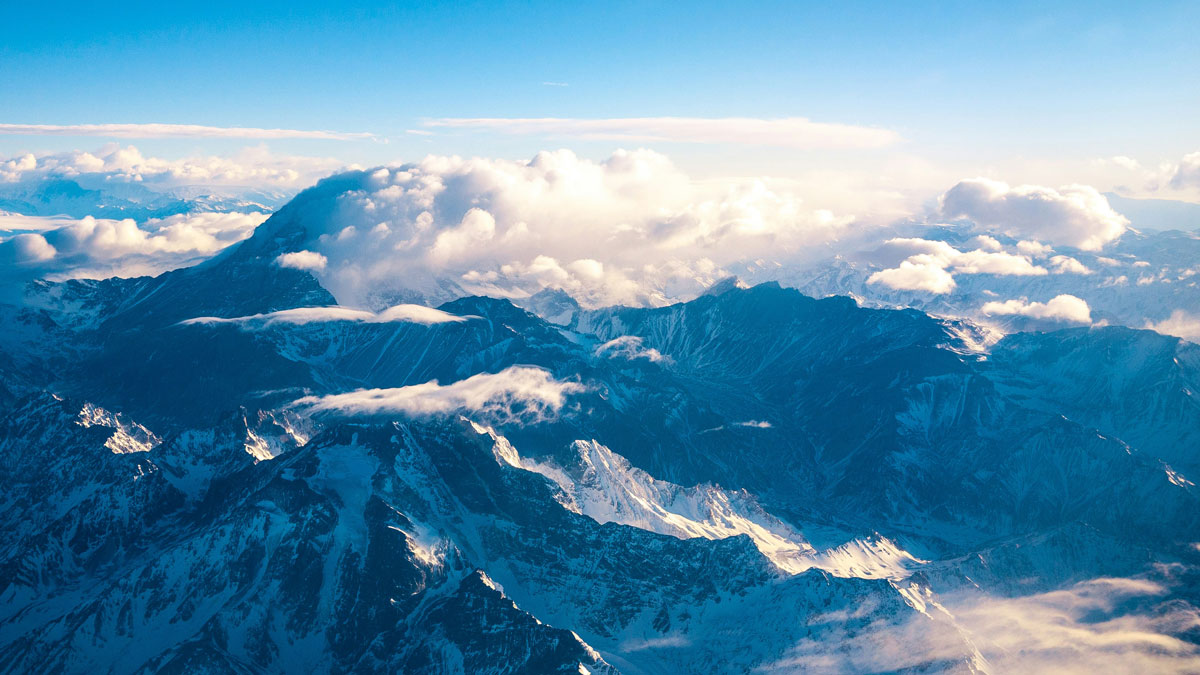
由于气候变化,青藏高原和安第斯山脉的云层比其他地区的云更冷、更高。这可能会影响当地的水文循环和辐射过程。
mountains
Posted inNews
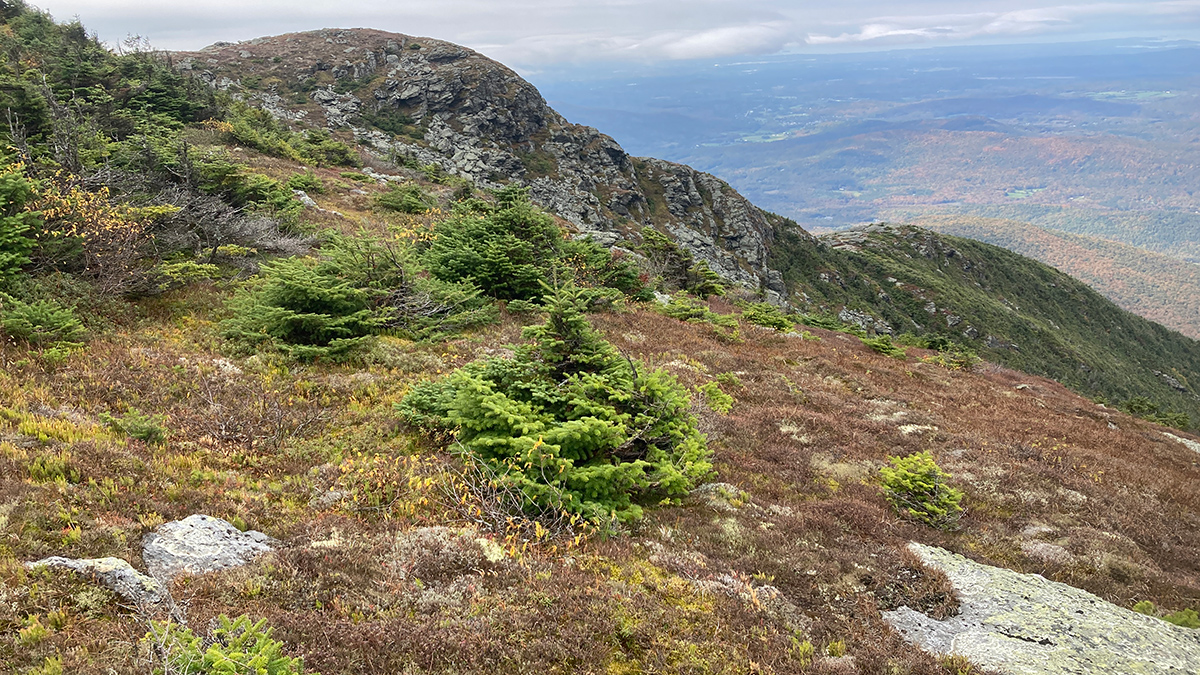
In Northeastern North America, Alpine Zones Are Turning Green

Using satellite data, scientists have detected where once-stable alpine ecosystems are transforming into greener, shrubbier places.
Posted inOpinions
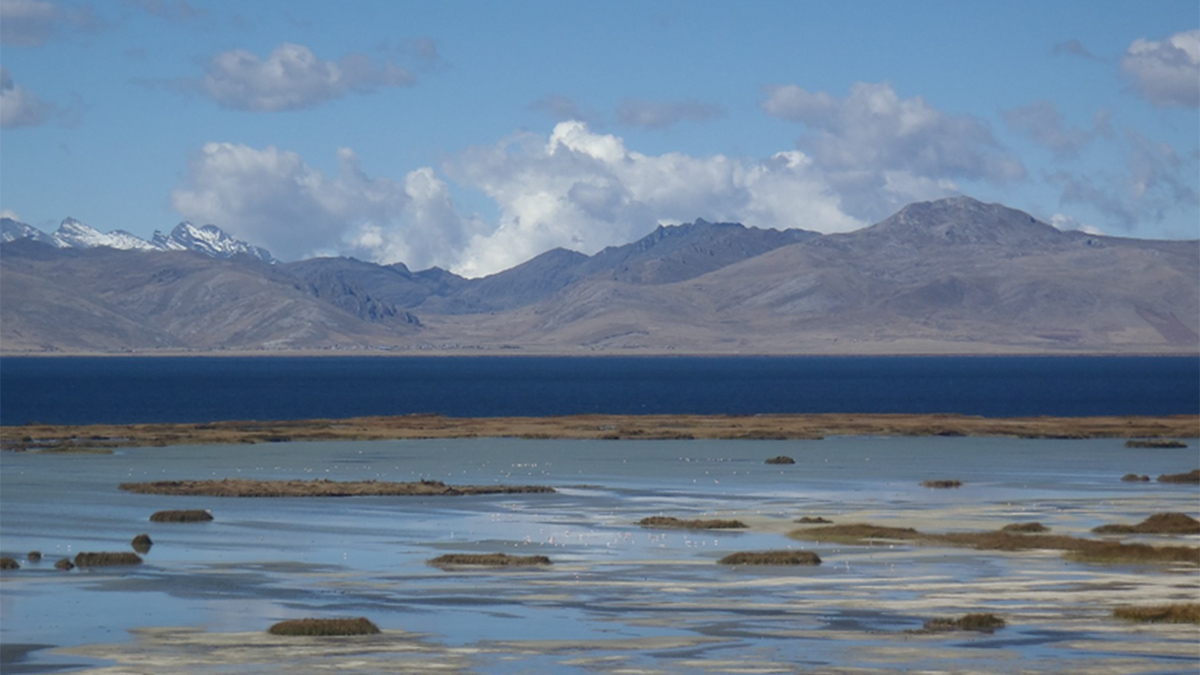
Breaking Data Scarcity Loops in Mountainous Regions
Living labs foster codesigned landscape and hydrological monitoring efforts and tools, thereby improving the reliability and adoption of satellite products and models in decisionmaking.
Posted inResearch Spotlights
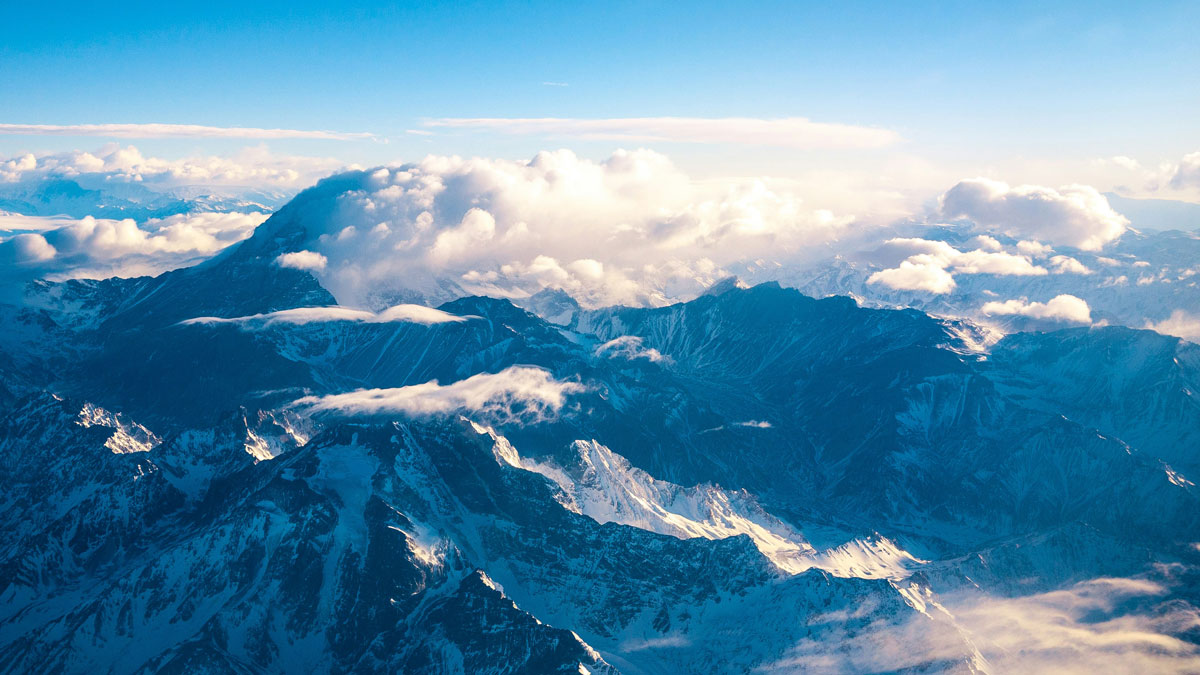
Clouds over the Highest Mountains Dance a Little Differently
Clouds over the Tibetan Plateau and the Andes are growing colder and higher than other clouds in response to climate change. That could affect local hydrology and radiation.
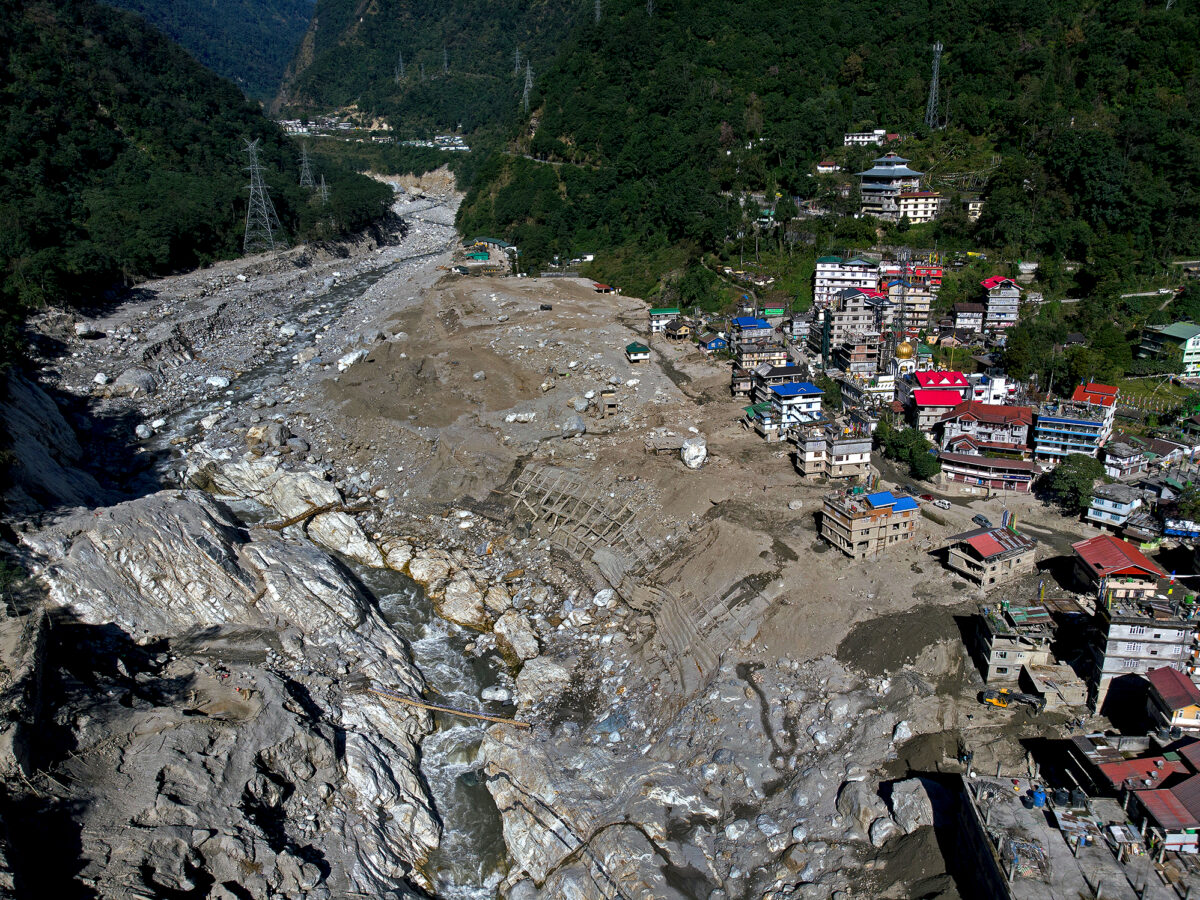
Posted inThe Landslide Blog
Updates on the 2026 Nepal-Tibet landslide and the 2023 Teesta Valley GLOF
The Landslide Blog is written by Dave Petley, who is widely recognized as a world leader in the study and management of landslides. In the last few days, two really interesting and useful updates have been published covering the 3-4 October 2023 GLOF in the Teesta Valley in India and the 26 August 2026 landslide […]
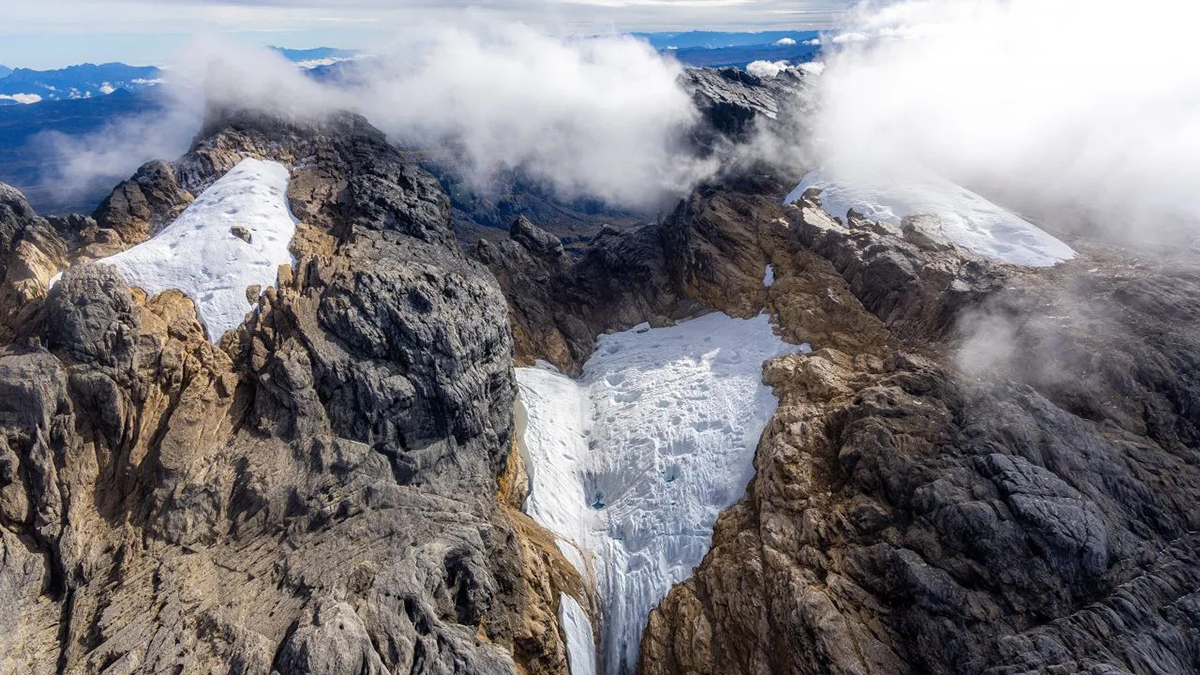
Posted inNews
The “Eternity Glaciers” Are Almost Gone

The equatorial glaciers atop Puncak Jaya, Oceania’s tallest peak, have shrunk by about 95% since 2002, according to a new photogrammetry mapping effort.
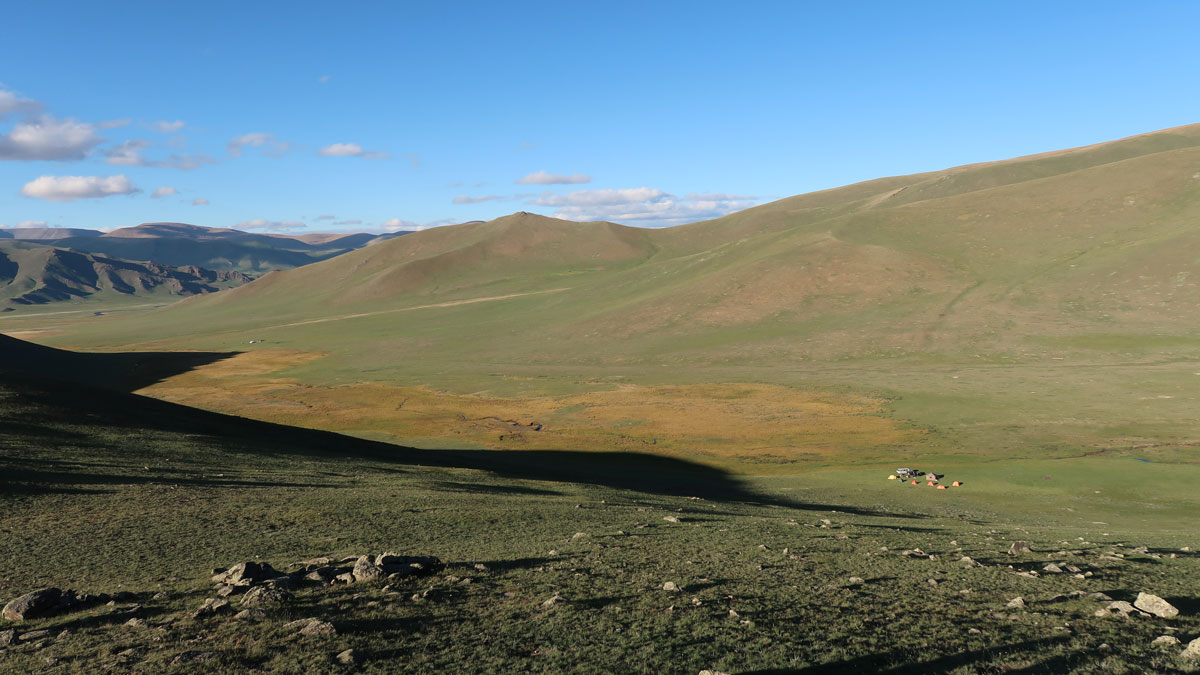
Posted inNews
Mongolian Mountains Rose When the Crust Bounced Back

A plate folded, the lithosphere sank, and up popped a mountain range.
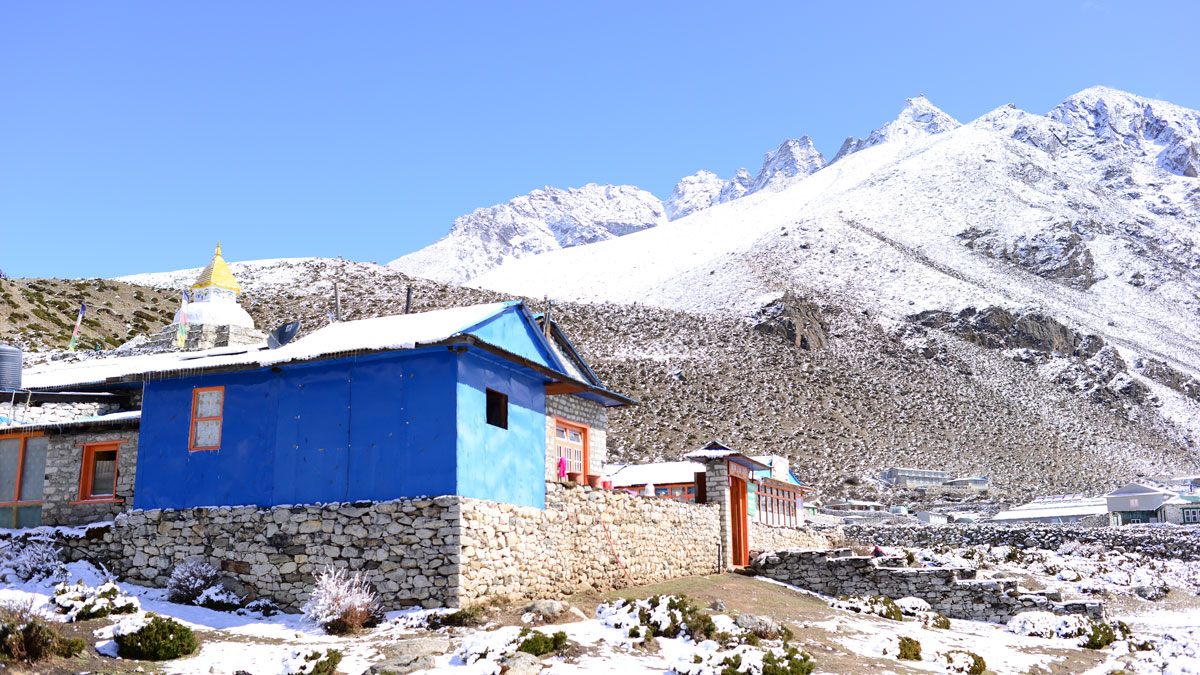
Posted inNews
Vegetation Moves Upslope Across the Himalayas

The vegetation line in places like Nepal and Bhutan is shifting upward by meters per year, with implications for how water moves through the planet’s “Third Pole.”
Posted inNews
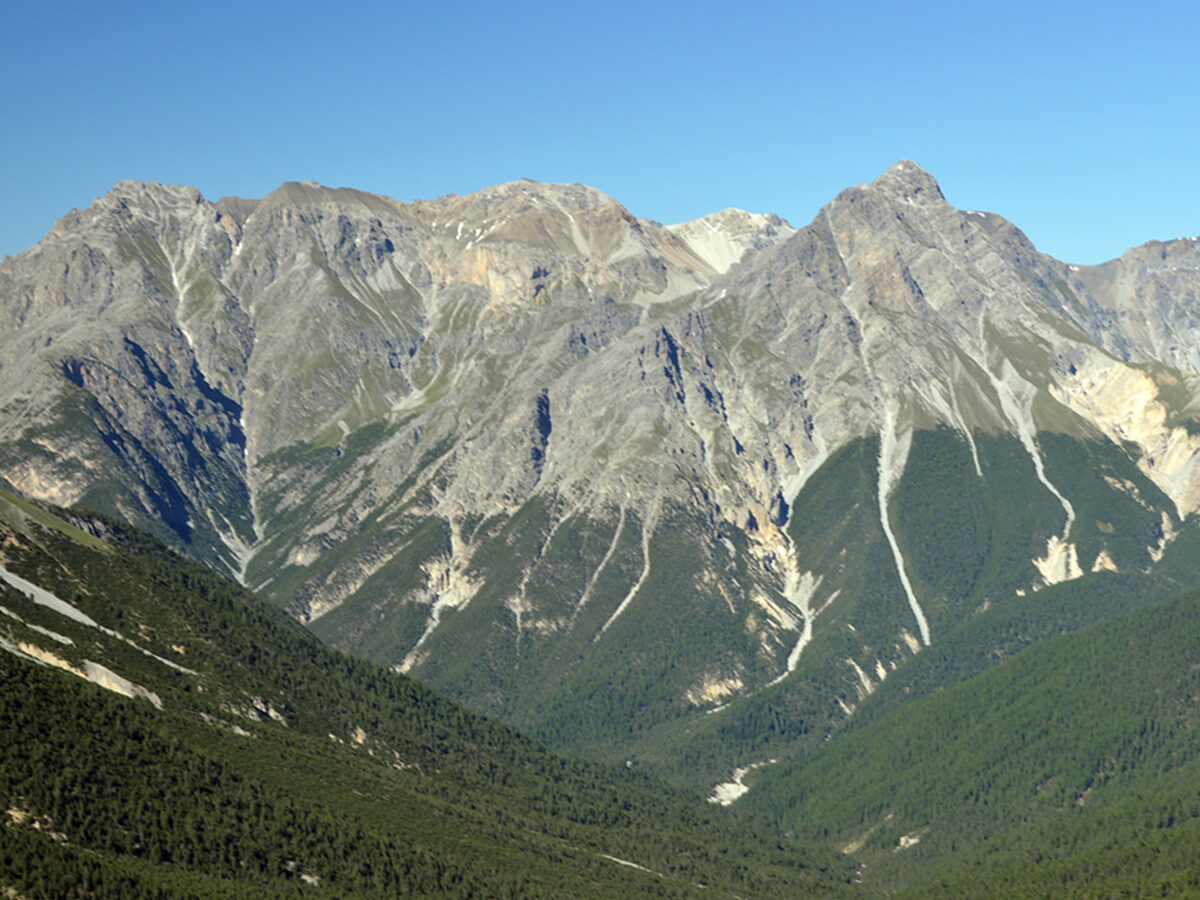
Tree Lines Are Migrating. Some Up, Some Down.
Between 2000 and 2020, 42% of tree lines around the world crept upward, largely because of climate change. But 25% moved downhill, seemingly because of factors such as land use changes and wildfires.
Posted inThe Landslide Blog
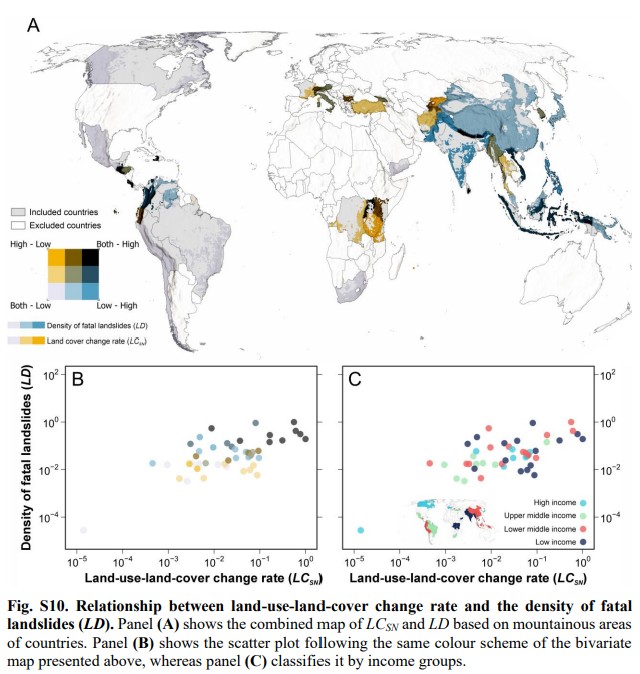
Wealth and land-cover change govern landslide fatalities on world’s mountains
A new paper Fidan et al. (2026) demonstrates that wealth and the rate of land-cover change play a key role in determining the occurrence of fatal landslides in mountain areas. These factors are statistically more significant that precipitation and topography. A fascinating new paper (Fidan et al. 2026 – this paper is both open access […]