

A new method for examining the tiny vibrations of Earth caused by ocean swells could help reveal details of deep-Earth structure.
Oceans

Posted inNews
Shifts in Tectonic Plates Change Biodiversity
A 36-million-year cycle of marine biodiversity booms and busts matches the movements of plate tectonics, linking what happens deep below the ocean to what’s happening in it.

Posted inScience Updates
Our Evolving Understanding of Biological Carbon Export
The array of processes and organisms that make up the biological carbon pump has immense influence on Earth’s carbon cycle and climate. But there’s still much to learn about how the pump works.

Posted inNews
Winds Clear Sea Ice Through Fertile Arctic Waters
The North Water polynya might not be as dependent on a sea ice bridge as previously thought, but not everyone is convinced.

Posted inEditors' Highlights
Pliocene Conveyer Belt in the Pacific
Ocean Drilling Program cores and helium isotopes put better constraints on the ocean circulation in the north Pacific.
Posted inNews
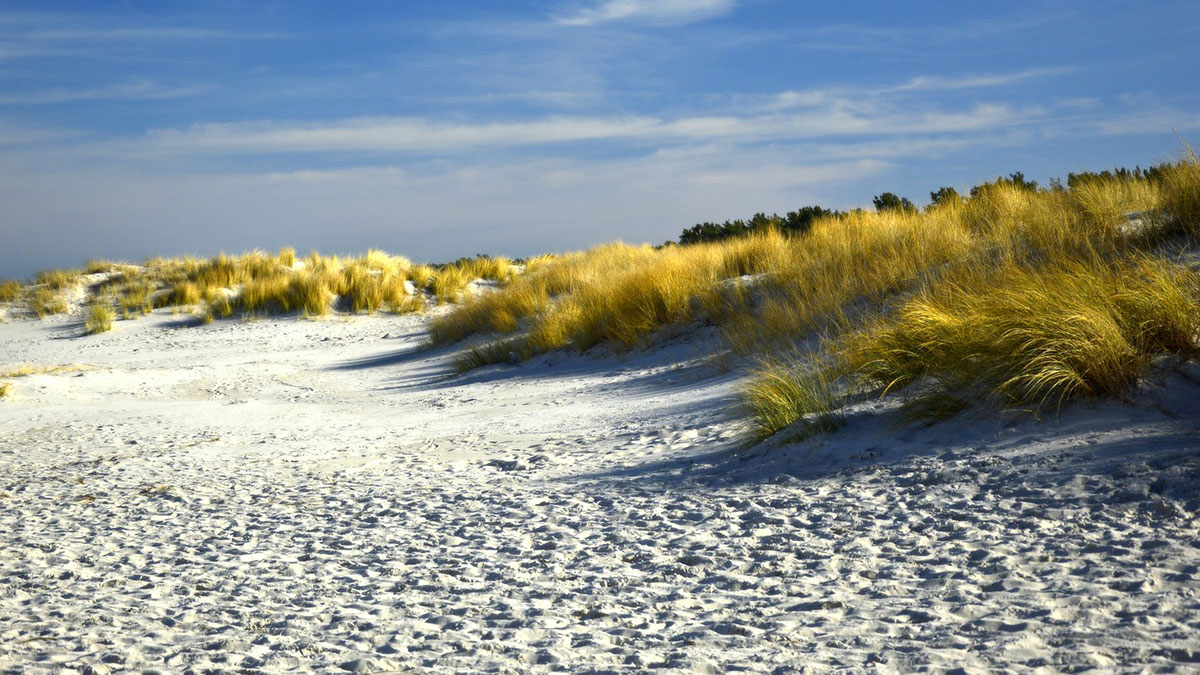
Las plantas construyen dunas pero pueden acelerar la erosión durante tormentas fuertes
Cuando las olas golpean las dunas con vegetación, se forman áreas anegadas frente a las plantas, lo que facilita que la arena sea arrastrada por la corriente más fácilmente. Sin embargo, las plantas aún son necesarias para formar las dunas en primera instancia.

Posted inEditors' Highlights
Barnacles Help Reconstruct Drift Path of Malaysia Airlines Flight MH370
Careful calibration of isotopes in a barnacle shell growing on ocean debris – in this case an airplane part – informs a new forensic method to identify its most probable drift path.
Posted inEditors' Vox
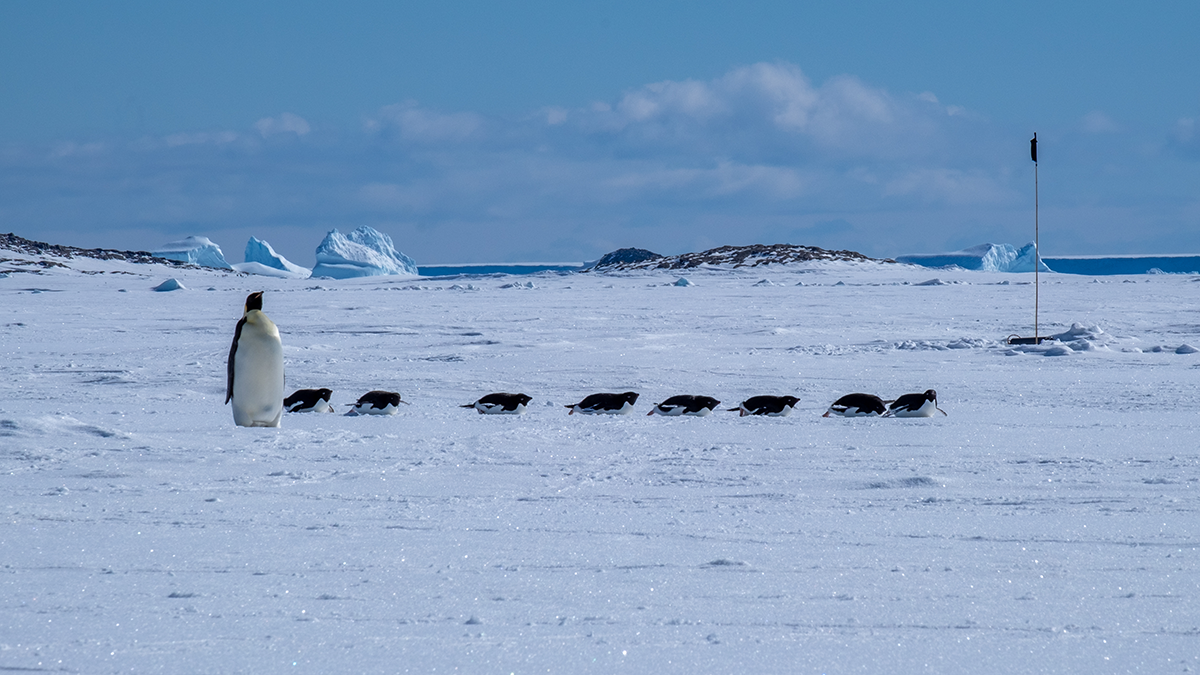
Landfast Sea Ice: The Most Important Ice You’ve Never Heard Of
Landfast sea ice, sea ice that is held stationary against the Antarctic continent, links firmly with many key climate processes, but its importance is only being fully realized as its extent dwindles.

Posted inNews
More Than Half the World’s Ocean Surface Is Getting Greener
Advances in data analysis help researchers spot shifting ocean colors, which could be associated with climate change.
Posted inEditors' Highlights
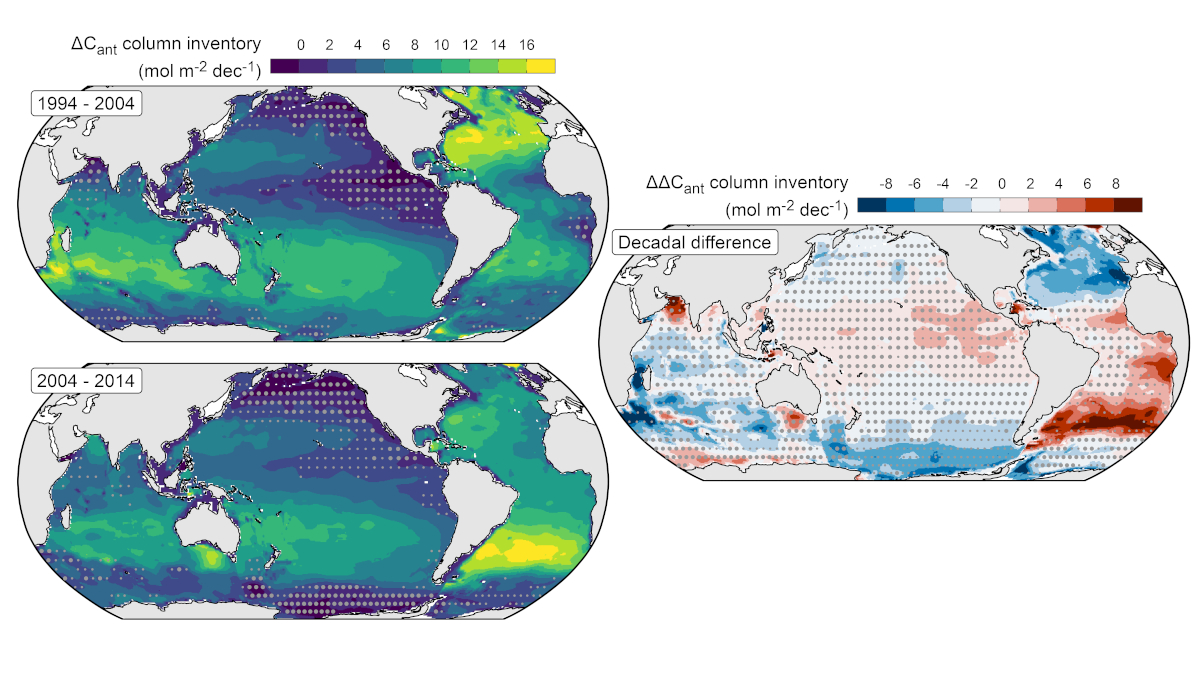
A Multidecadal View of Oceanic Storage of Anthropogenic Carbon
A decline in the ratio of ocean carbon accumulation to atmospheric carbon dioxide growth between 1994-2004 and 2004-2014 suggests a reduction in the sensitivity of the ocean carbon sink.