• About
  • Special Reports
  • Topics
    • Climate
    • Earth Science
    • Oceans
    • Space & Planets
    • Health & Ecosystems
    • Culture & Policy
    • Education & Careers
    • Opinions
  • Projects
    • Postcards From the Field
    • ENGAGE
    • Editors’ Highlights
    • Editors’ Vox
    • Eos en Español
    • Eos 简体中文版
    • Print Archive: 2015–2025
  • Policy Tracker
  • Blogs
    • Research & Developments
    • The Landslide Blog
  • Newsletter
  • Submit to Eos
  • AGU.org
  • Career Center
  • Join AGU
  • Give to AGU
  • About
  • Special Reports
  • Topics
    • Climate
    • Earth Science
    • Oceans
    • Space & Planets
    • Health & Ecosystems
    • Culture & Policy
    • Education & Careers
    • Opinions
  • Projects
    • Postcards From the Field
    • ENGAGE
    • Editors’ Highlights
    • Editors’ Vox
    • Eos en Español
    • Eos 简体中文版
    • Print Archive: 2015–2025
  • Policy Tracker
  • Blogs
    • Research & Developments
    • The Landslide Blog
  • Newsletter
  • Submit to Eos
Skip to content
  • AGU.org
  • Career Center
  • Join AGU
  • Give to AGU
Eos

Eos

Science News by AGU

Support Eos
Sign Up for Newsletter
  • About
  • Special Reports
  • Topics
    • Climate
    • Earth Science
    • Oceans
    • Space & Planets
    • Health & Ecosystems
    • Culture & Policy
    • Education & Careers
    • Opinions
  • Projects
    • Postcards From the Field
    • ENGAGE
    • Editors’ Highlights
    • Editors’ Vox
    • Eos en Español
    • Eos 简体中文版
    • Print Archive: 2015–2025
  • Policy Tracker
  • Blogs
    • Research & Developments
    • The Landslide Blog
  • Newsletter
  • Submit to Eos

Oceans

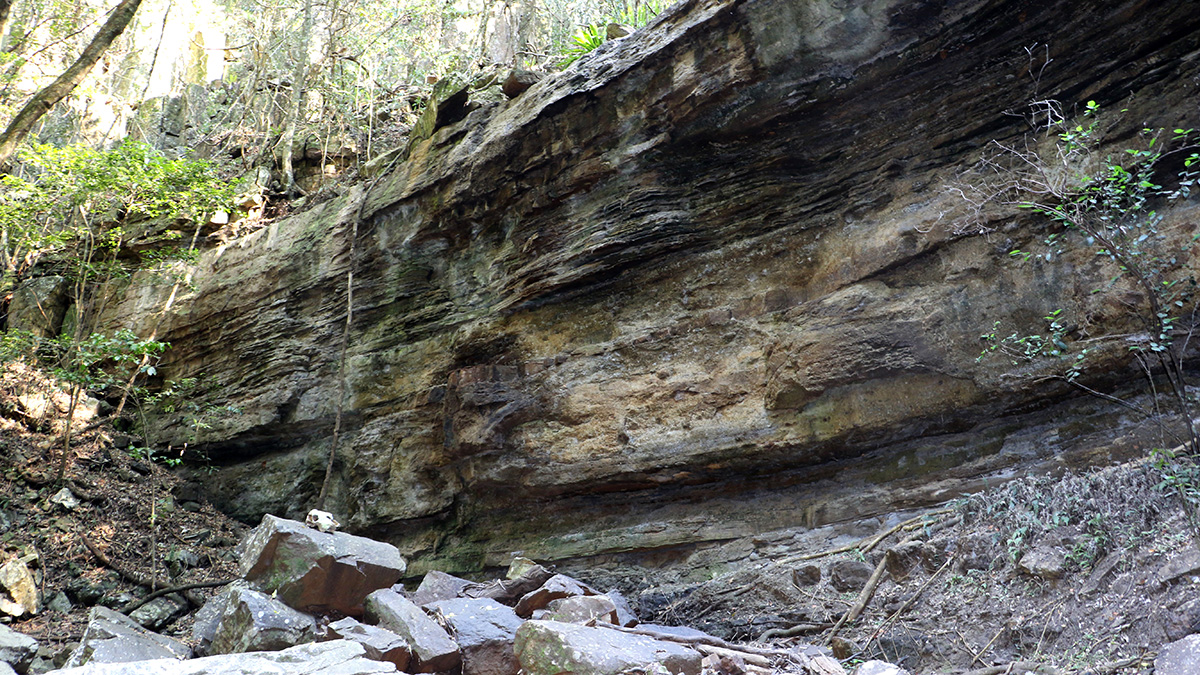
Yatteyattah Nature Reserve in Australia
Posted inNews

Un nuevo modelo para un antiguo evento de extinción

by Robin Donovan 23 February 202223 February 2022

Un modelo 3D del sistema Tierra incorpora variables como la temperatura y la sulfurización para aclarar el evento de extinción de finales del Pérmico.

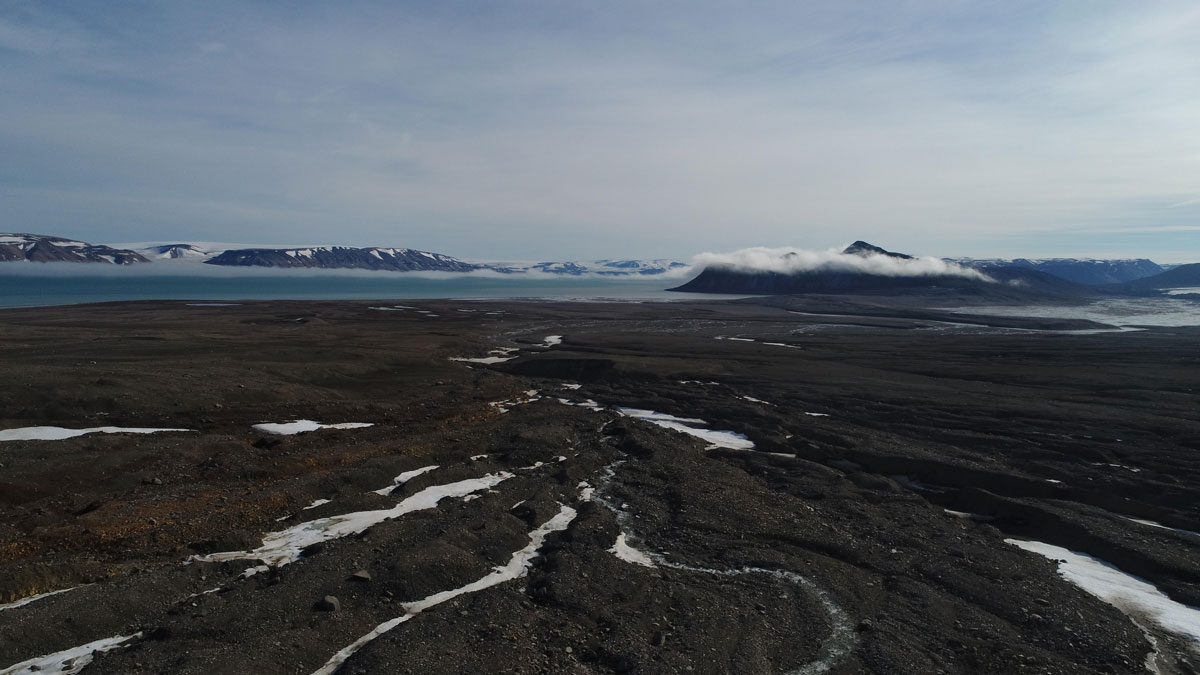
Brown, barren, relatively flat land stretches into the distance, dotted with occasional patches of white snow. The dark blue Arctic Ocean laps the shore. A thin sliver of sky is gray and cloudy.
Posted inFeatures

Updating Dating Helps Tackle Deep-Time Quandaries

by Alka Tripathy-Lang 22 February 20229 December 2022

Geochronologists are finding fresh approaches to familiar methodologies, especially by zapping rocks with lasers to tackle classic Precambrian problems.
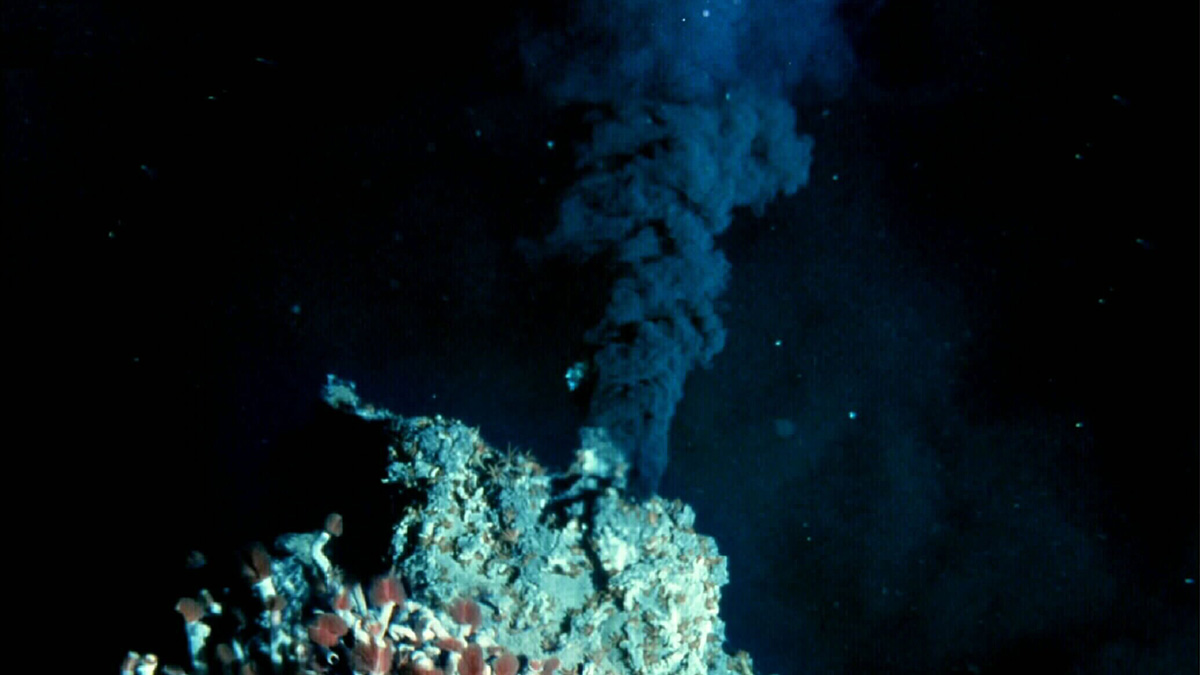
A “black smoker” chimney
Posted inResearch Spotlights

Exploration and Evaluation of Deep-Sea Mining Sites

Aaron Sidder, freelance science writer by Aaron Sidder 14 February 202224 April 2025

Two studies chart new territory for the fledgling deep-sea mining industry through advances in the identification and analysis of seafloor hydrothermal mounds.

The coast of Santa Maria Island in the Azores
Posted inNews

How Does Sand Move? New Observations Challenge Prevailing Formulas

by Andrew Chapman 11 February 202211 February 2022

Research in the Azores finds a discrepancy between field observations of sediment transport and predictions made with commonly used mathematical formulas.
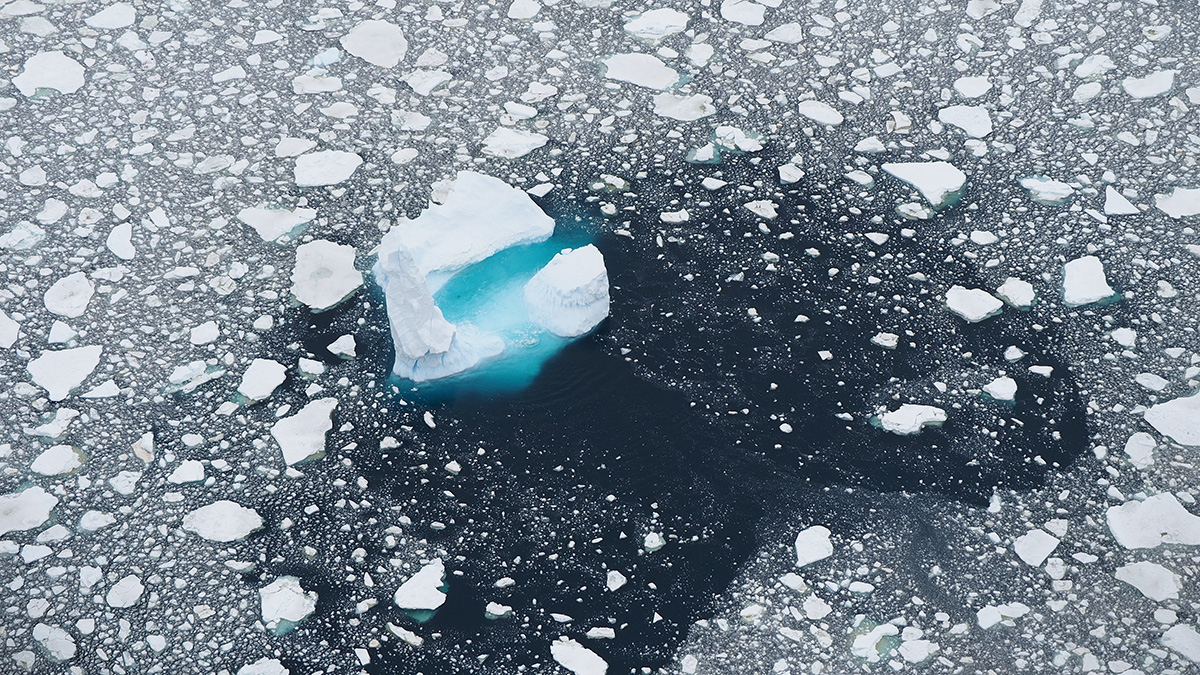
A large iceberg floats amid a field of sea ice.
Posted inScience Updates

New Perspectives on the Enigma of Expanding Antarctic Sea Ice

by Edward Blanchard-Wrigglesworth, Ian Eisenman, Sally Zhang, Shantong Sun and Aaron Donohoe 11 February 2022

Recent research offers new insights on Antarctic sea ice, which, despite global warming, has increased in overall extent over the past 40 years.
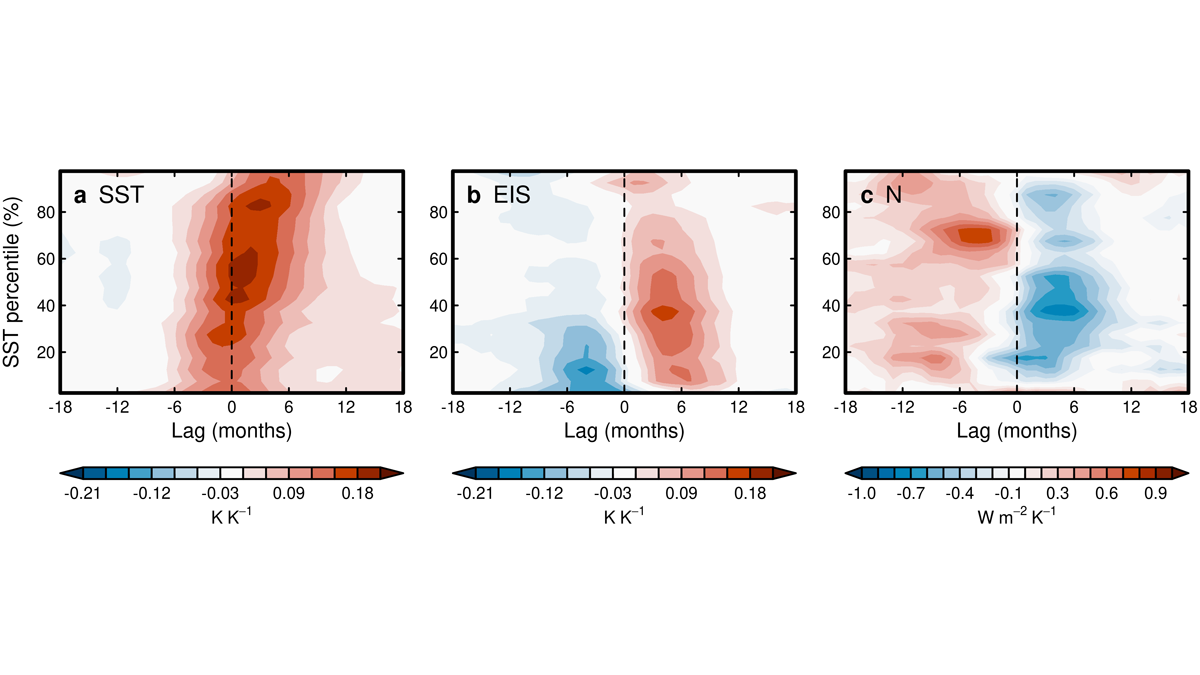
Figure 4 from the paper
Posted inEditors' Highlights

El Niño-Southern Oscillation and Radiation Two-Way Coupling

by Suzana Camargo 9 February 20221 August 2022

Changes in sea surface temperature during ENSO events and radiation are related, suggesting a two-way coupling between sea surface temperature and radiation in coupled climate variability.
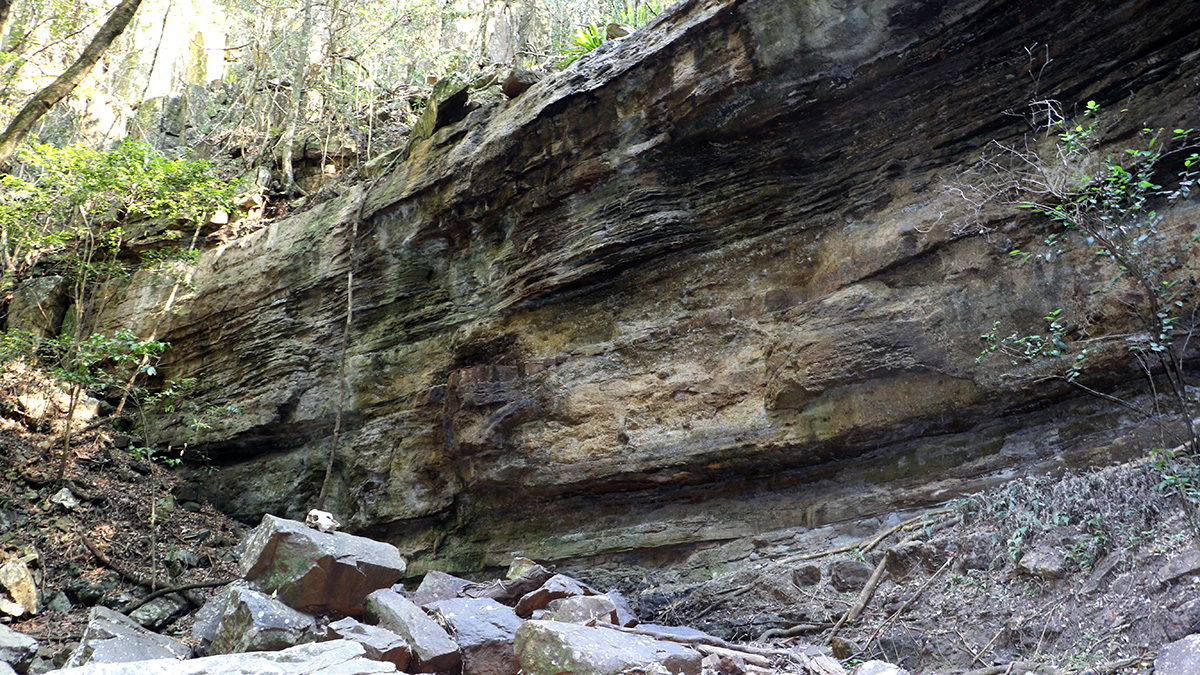
Yatteyattah Nature Reserve in Australia
Posted inNews

A New Model for an Old Extinction Event

by Robin Donovan 8 February 20228 February 2022

A 3D Earth system model incorporates variables such as temperature and sulfurization to shed light on the end-Permian extinction event.
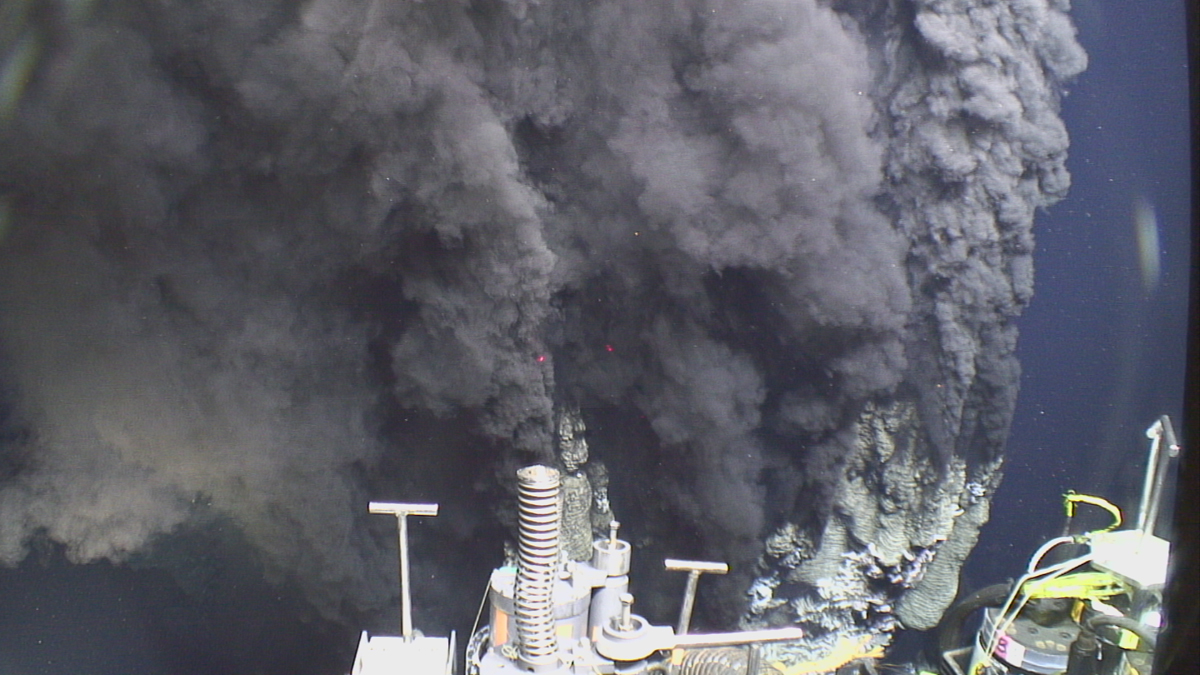
Hydrothermal vent spewing black smoke.
Posted inEditors' Highlights

Bubble, Bubble, Toil and Trouble: Ocean Vents Spew Rubble

by Rose Cory 7 February 202215 March 2022

Hydrothermal vents in the ocean emit 6000-year-old carbon. The likely source? Ocean crust.
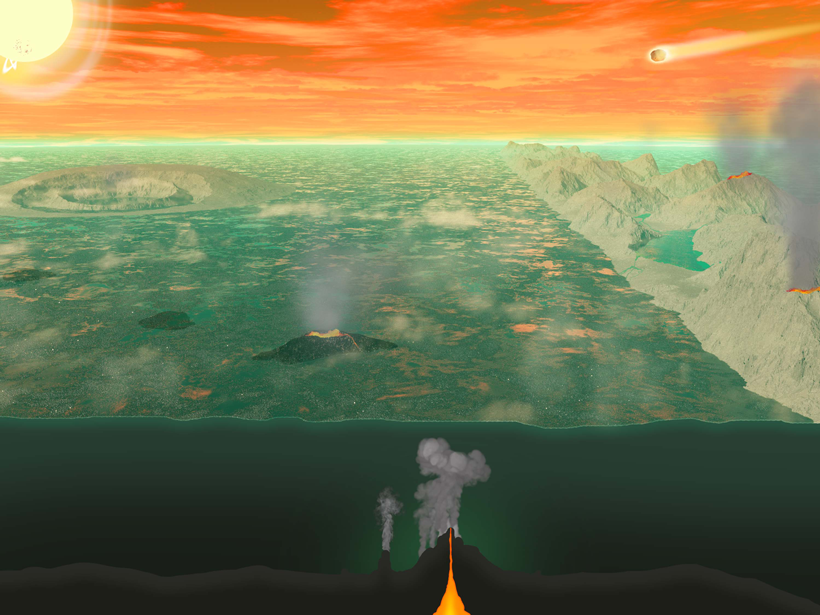
Illustration of the surface of early Earth with an orange sky (with a meteorite streaking through it), a green ocean, a large island landmass, an impact crater, and underwater volcanoes.
Posted inScience Updates

Rethinking the Search for the Origins of Life

by Dustin Trail, Jamie Elsila, Ulrich F. Müller, Timothy Lyons and Karyn L. Rogers 4 February 20224 May 2022

Early Earth conditions and the chemistry that led to life were inextricably interwoven. Earth scientists and prebiotic chemists are working together in new ways to understand how life first emerged.
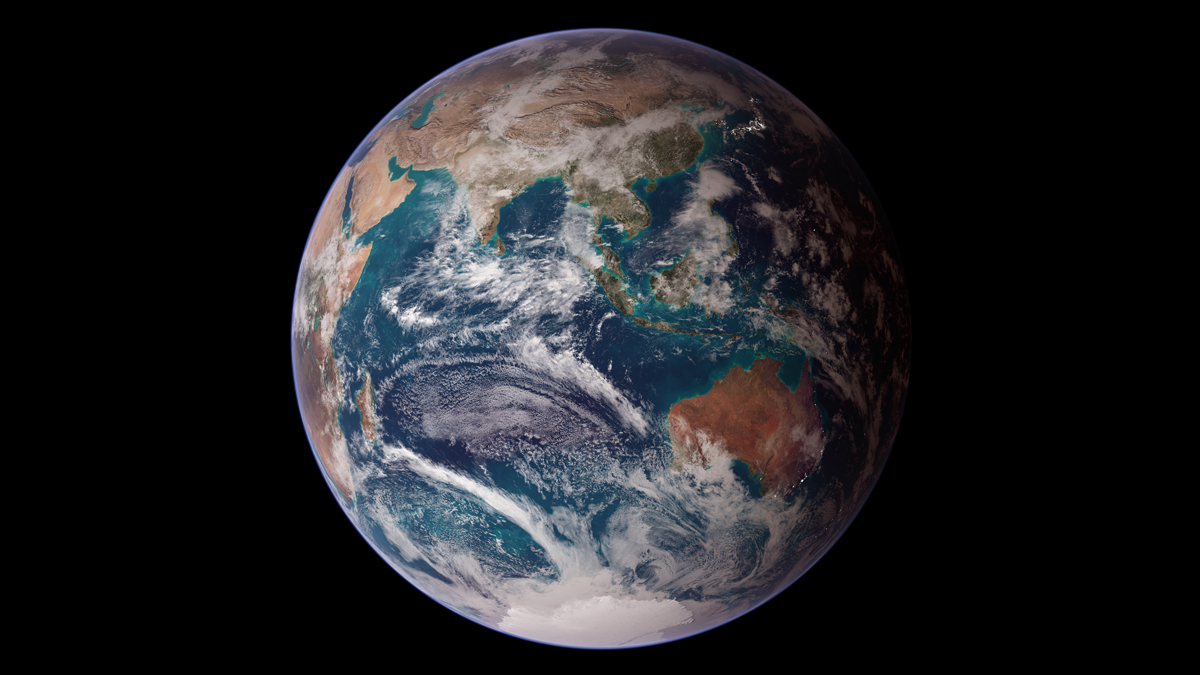
Satellite image of Earth’s Eastern Hemisphere.
Posted inNews

An Indian Ocean Network to Keep Track of Climate

Rishika Pardikar, Science Writer by Rishika Pardikar 2 February 20226 June 2022

Until this decade, the Indian Ocean was not well monitored. Today, the Indian Ocean Observing System helps with both weather monitoring and climate modeling.

Posts pagination

Newer posts 1 … 56 57 58 59 60 … 117 Older posts
Over a dark blue-green square appear the words Special Report: The State of the Science 1 Year On.

Features from AGU Publications

Research Spotlights

Rapid-Scan Satellite Data Offer Clues to Typhoon Intensity

17 November 202617 November 2026
Editors' Highlights

Rethinking Where Rivers Begin

18 November 202616 November 2026
Editors' Vox

Bringing Python Solutions to Earth Science Challenges

19 November 202619 November 2026
Eos logo at left; AGU logo at right

About Eos
ENGAGE
Awards
Contact

Advertise
Submit
Career Center
Sitemap

© 2026 American Geophysical Union. All rights reserved Powered by Newspack