
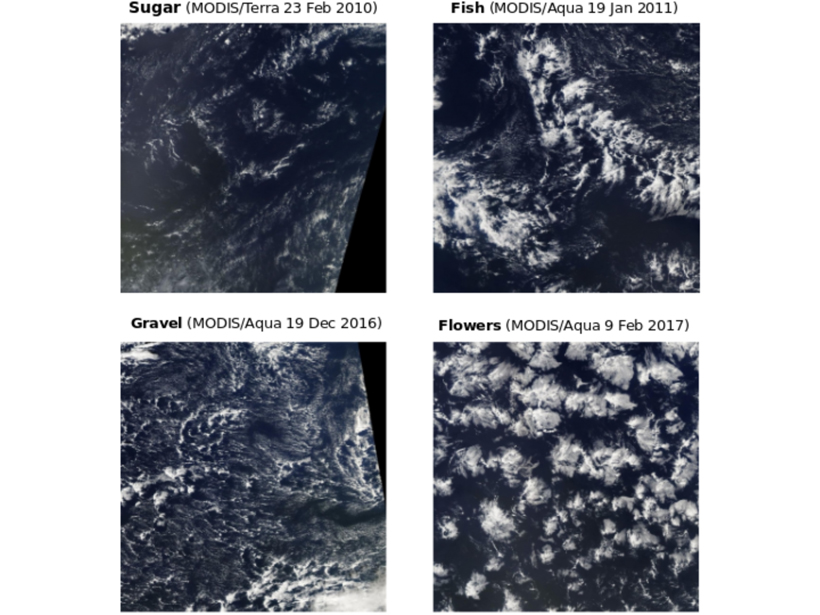
Satellite images of marine shallow clouds are objectively classified into four distinct types, illuminating new ways to tackle a long-standing problem in climate predictions.
Oceans
Posted inEditors' Highlights
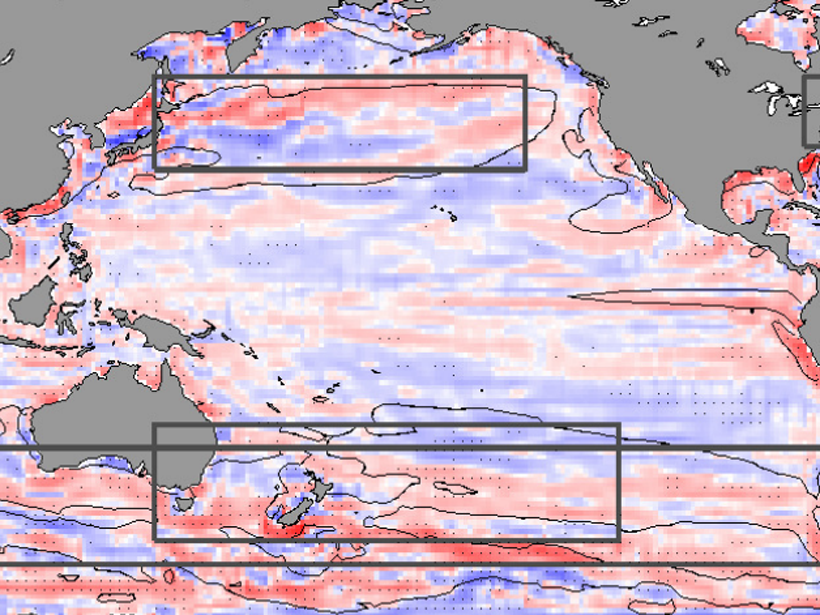
Ocean Gyres Observed to Move Poleward
Basin-wide ocean gyres have been observed to be slowly migrating toward the poles and, although natural variations contribute, climate simulations suggest the shift is in response to global warming.
Posted inNews
Walter C. Pitman III (1932–2019)
Pitman pioneered research on seafloor spreading, proposed a scientific backstory to the Great Flood and Noah’s Ark, and reveled in spirited discussions of all kinds.
Posted inResearch Spotlights
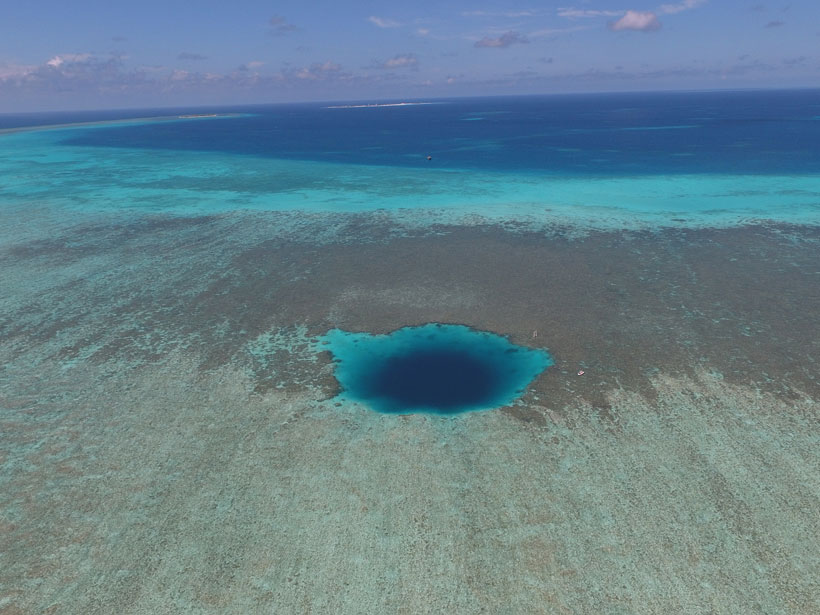
Carbon Cycling in the World’s Deepest Blue Hole

Scientists find new extremes as they research carbon cycling in the Yongle blue hole.

Posted inResearch Spotlights
Tracking Trace Elements Across the Arctic Ocean

Researchers used data from a pan-Arctic survey of carbon and trace elements to better understand how climate change will affect primary production in one of the fastest warming regions of the world.
Posted inNews
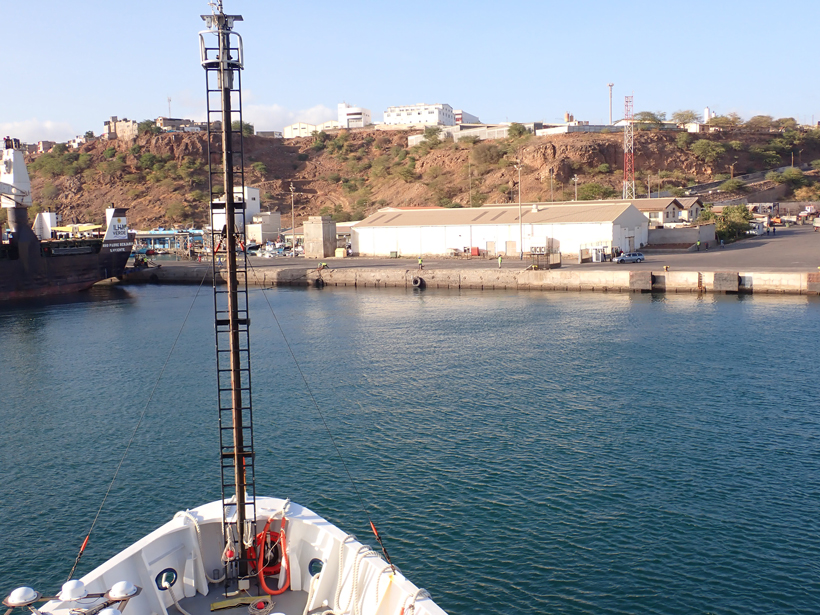
During a Pandemic, Is Oceangoing Research Safe?

With research cruises postponed, scientists are trying to get home safe, and others worry about the fate of their instruments left at sea.
Posted inScience Updates
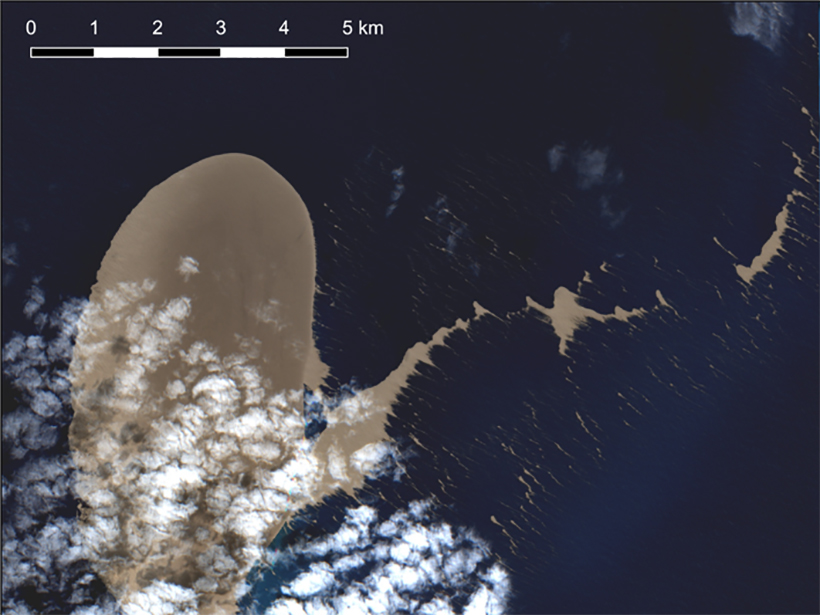
Satellite Sleuthing Detects Underwater Eruptions
Satellite data helped scientists locate the volcanic source of a pumice raft floating in the South Pacific Ocean, illustrating their promise in locating and monitoring undersea eruptions.
Posted inResearch Spotlights
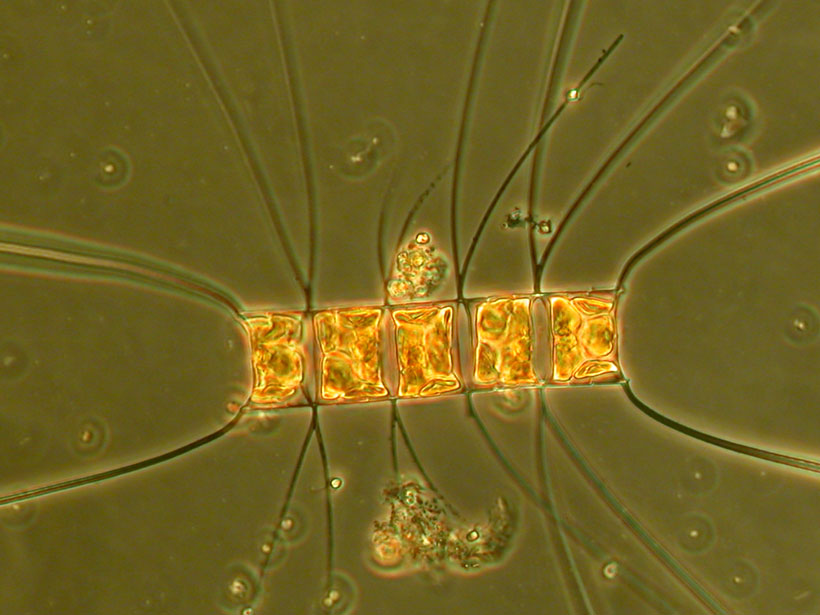
New Models Give Global Picture of Mercury Content in Oceans
Concentrations of methylated mercury in high latitudes show the importance of sunlight and biological activity for cycling the metal.

Posted inNews
Leveraging Satellite Sensors for Oil Spill Detection

By using multiple remote sensors, scientists can quickly estimate the nature and thickness of oil spills—important factors for containment efforts.

Posted inFeatures
Deepwater Horizon and the Rise of the Omics
Microbial genomics techniques came of age following the Deepwater Horizon spill, offering researchers unparalleled insights into how ecosystems respond to such environmental disasters.