• About
  • Sections
  • Topics
    • Climate
    • Earth Science
    • Oceans
    • Space & Planets
    • Health & Ecosystems
    • Culture & Policy
    • Education & Careers
    • Opinions
  • Projects
    • ENGAGE
    • Editors’ Highlights
    • Editors’ Vox
    • Eos en Español
    • Eos 简体中文版
    • Print Archive: 2015–2025
  • Science Policy Tracker
  • Blogs
    • Research & Developments
    • The Landslide Blog
  • Newsletter
  • Submit to Eos
  • AGU.org
  • Career Center
  • Join AGU
  • Give to AGU
  • About
  • Sections
  • Topics
    • Climate
    • Earth Science
    • Oceans
    • Space & Planets
    • Health & Ecosystems
    • Culture & Policy
    • Education & Careers
    • Opinions
  • Projects
    • ENGAGE
    • Editors’ Highlights
    • Editors’ Vox
    • Eos en Español
    • Eos 简体中文版
    • Print Archive: 2015–2025
  • Science Policy Tracker
  • Blogs
    • Research & Developments
    • The Landslide Blog
  • Newsletter
  • Submit to Eos
Skip to content
  • AGU.org
  • Career Center
  • Join AGU
  • Give to AGU
Eos

Eos

Science News by AGU

Support Eos
Sign Up for Newsletter
  • About
  • Sections
  • Topics
    • Climate
    • Earth Science
    • Oceans
    • Space & Planets
    • Health & Ecosystems
    • Culture & Policy
    • Education & Careers
    • Opinions
  • Projects
    • ENGAGE
    • Editors’ Highlights
    • Editors’ Vox
    • Eos en Español
    • Eos 简体中文版
    • Print Archive: 2015–2025
  • Science Policy Tracker
  • Blogs
    • Research & Developments
    • The Landslide Blog
  • Newsletter
  • Submit to Eos

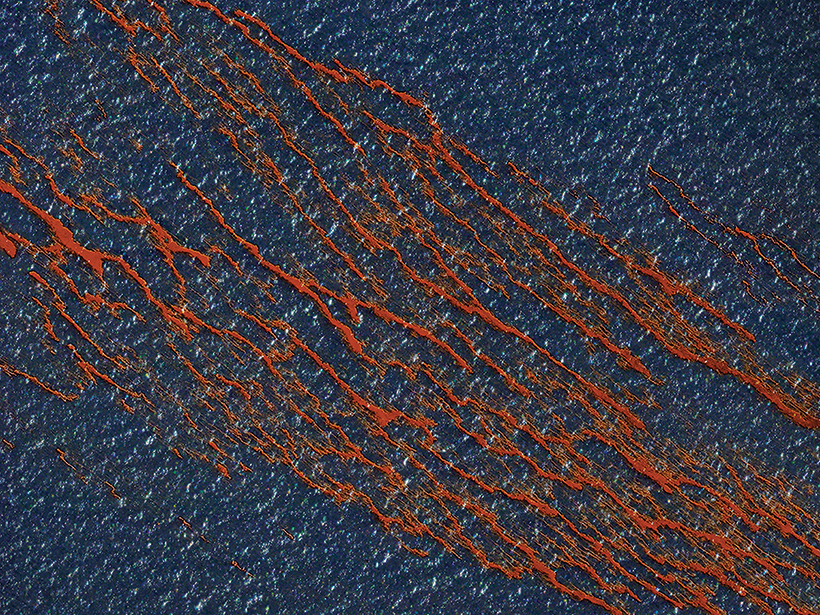
pressure

Oil from the Deepwater Horizon disaster floats in the Gulf of Mexico in April 2010.
Posted inFeatures

Modeling Under Pressure

Mark Betancourt, Freelance Journalist by Mark Betancourt 25 March 202019 August 2022

At a critical moment in the effort to end one of the world’s worst oil spills, one scientist holed up in his office and pulled an all-nighter to calculate the well’s aquifer support.
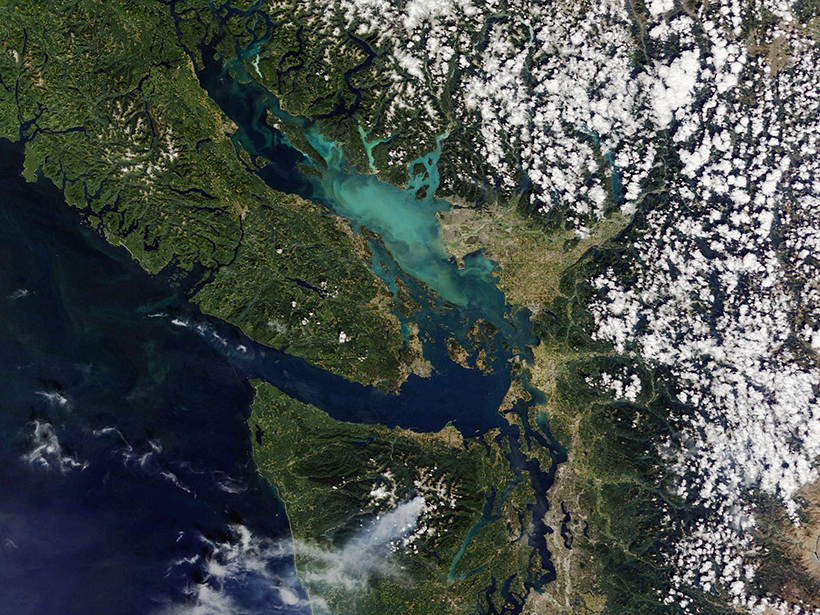
Satellite image of the Strait of Juan de Fuca
Posted inNews

Fluid Pressure Changes Grease Cascadia’s Slow Aseismic Earthquakes

Mary Caperton Morton, Science Writer by Mary Caperton Morton 18 February 202019 August 2022

Twenty-five years’ worth of data allows scientists to suss out subtle signals deep in subduction zones.

Two young women take notes next to freshly upturned soil and a sediment drill.
Posted inNews

Fugitive Gas Abetted by Barometric Pressure

Sarah Derouin, Science Writer by Sarah Derouin 19 November 201919 August 2022

Barometric pressure, in addition to factors such as lithology and the depth of the water table, can influence patterns of natural gas that escapes to subsurface soils.

Posted inEditors' Highlights

New Definition of Potential Spicity by the Least Square Method

by Lei Zhou 19 November 201816 February 2023

A thermodynamic function of the potential spicity is defined and it is orthogonal to the potential density in the least square sense.
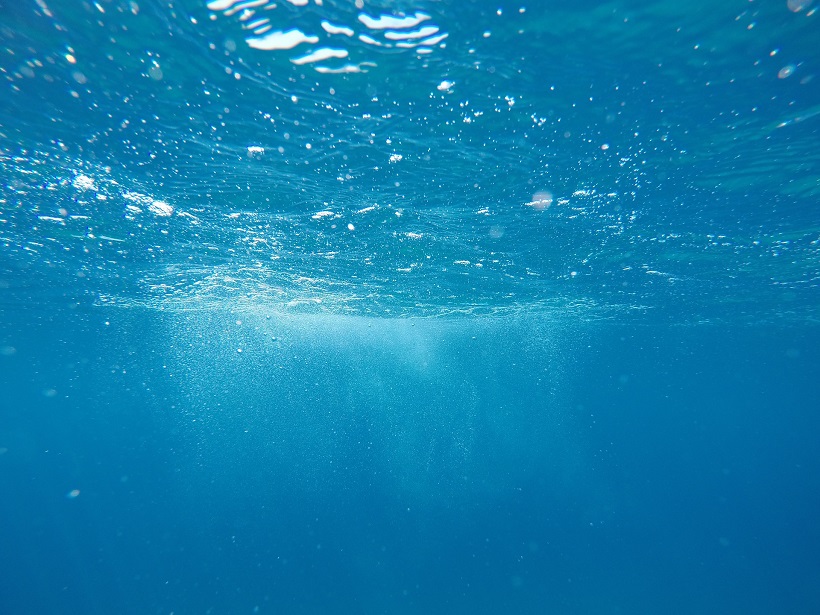
Ocean water, seen from below the surface, with sunlight beams streaming through.
Posted inEditors' Vox

Potential Spicity: From Abstract Theory to Practical Application

by Lei Zhou 16 November 201816 February 2023

A method for estimating potential spicity, a thermodynamic variable in oceanography, provides a new way to describe contrasts in watermass properties.
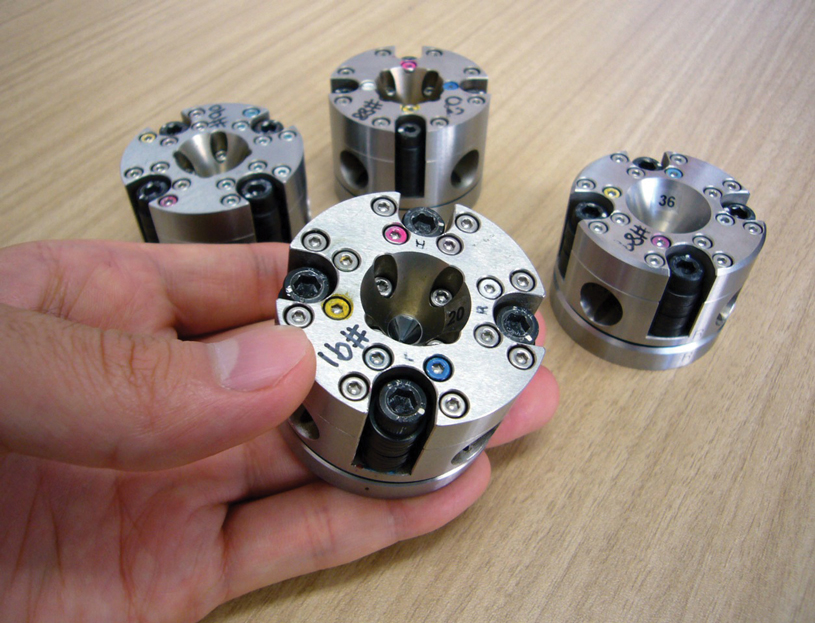
Posted inResearch Spotlights

What Happens to Minerals as They Get Squeezed in the Mantle?

by C. Schultz 4 November 20144 August 2023

Researchers test how different minerals found in the Earth’s mantle respond to high temperatures and pressures.
Posted inResearch Spotlights

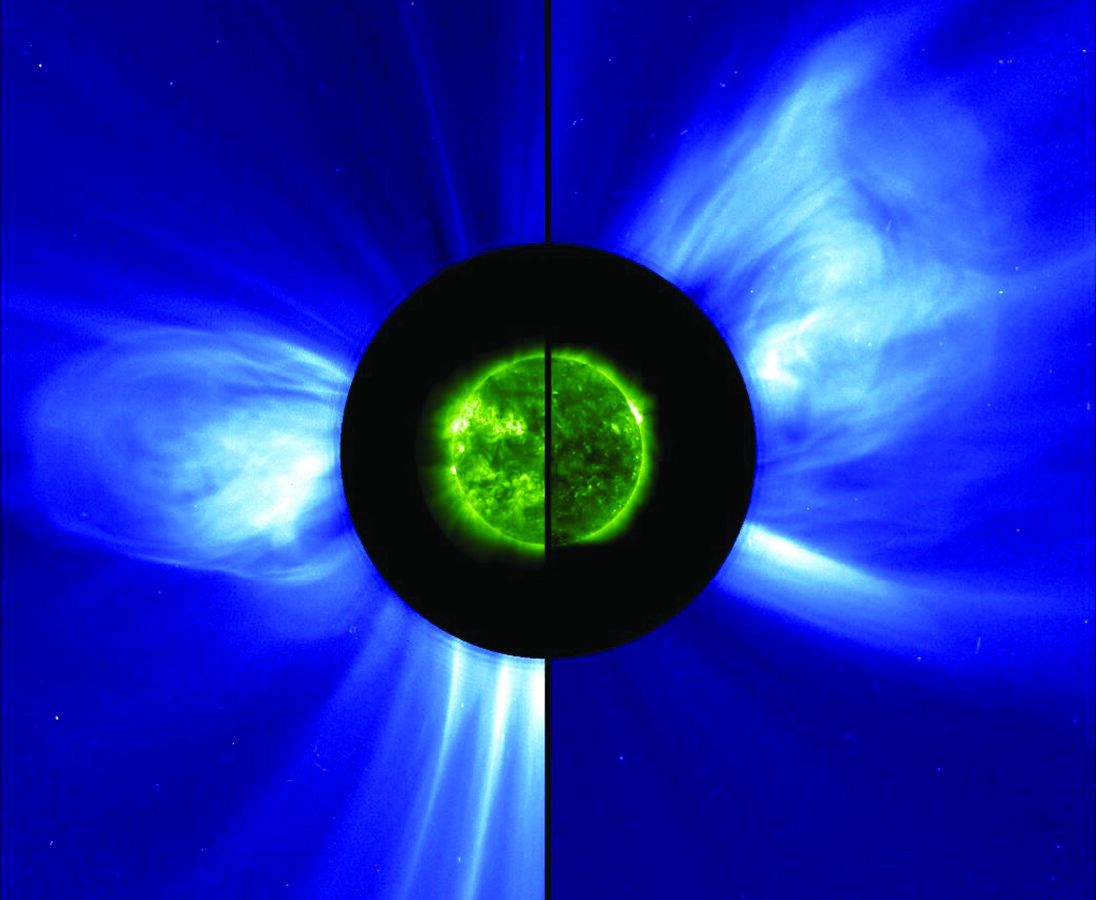
Low Heliosphere Pressure Drives Wide CMEs in Weak Solar Cycles

JoAnna Wendel, freelance science writer and illustrator by JoAnna Wendel 29 July 201410 September 2025

Why are coronal mass ejections from the current solar cycle wider than others? Researchers investigate.

Posts pagination

Newer posts 1 2 3
A view of a bridge, with the New Orleans skyline visible in the distance between the bridge and the water. A purple tint, a teal curved line representing a river, and the text “#AGU25 coverage from Eos” overlie the photo.

Features from AGU Publications

Research Spotlights

Marine Heat Waves Can Exacerbate Heat and Humidity over Land

2 January 20262 January 2026
Editors' Highlights

Frictional Properties of the Nankai Accretionary Prism

11 December 20259 December 2025
Editors' Vox

Hydrothermal Circulation and Its Impact on the Earth System

3 December 20253 December 2025
Eos logo at left; AGU logo at right

About Eos
ENGAGE
Awards
Contact

Advertise
Submit
Career Center
Sitemap

© 2026 American Geophysical Union. All rights reserved Powered by Newspack