

Fine particulate matter from dust storms can exacerbate respiratory diseases, and now scientists have shown that critical care hospital visits spike during and after such events.
public health
Posted inEditors' Highlights
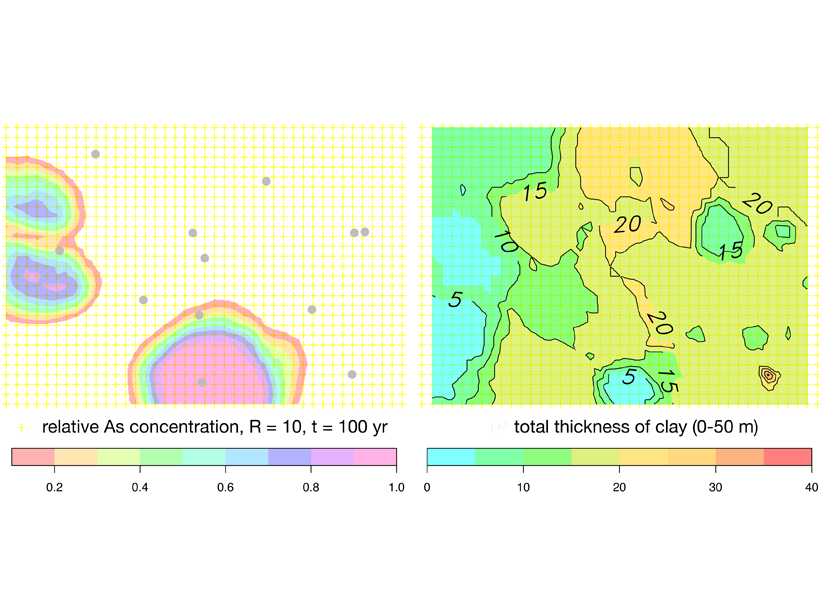
Arsenic Pollution in Bangladesh is Catching Up with Deeper Wells
Inhabitants of Bangladesh have deepened drinking water wells to avoid extracting arsenic-rich groundwater from shallow aquifers, but these may not be free from pollution either.

Posted inNews
Thinking Zinc: Mitigating Uranium Exposure on Navajo Land
An innovative clinical trial uses “two-way participation” between Navajo and medical communities to study the impact of zinc on mitigating health effects associated with uranium mining.

Posted inScience Updates
Eyes in the Sky Improve Pollen Tracking
Physicians, public health officials, and experts in remote sensing and ecology recently met to identify ways that satellites, webcams, and crowdsourced science could help them manage asthma and allergies.
Posted inNews
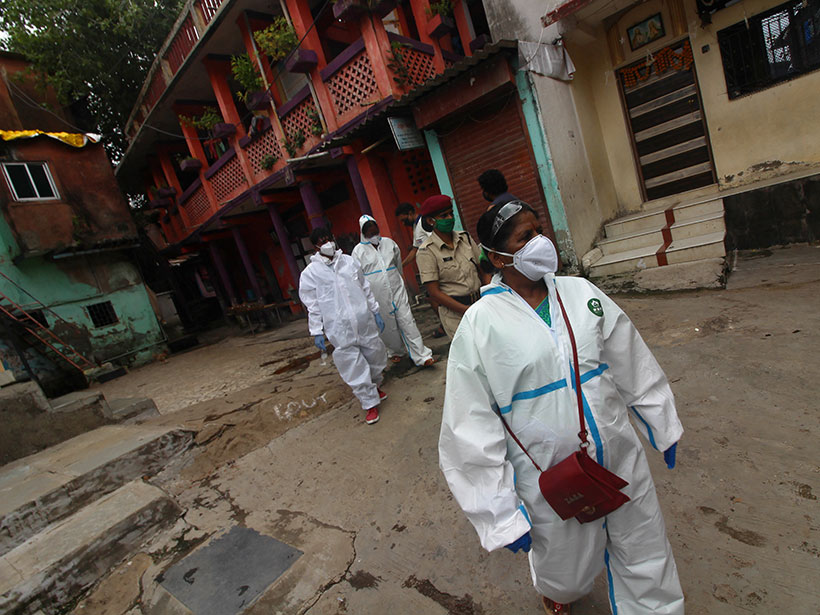
When Natural Disasters Cross the Path of COVID-19
Natural hazards are intersecting with the coronavirus pandemic in India, and researchers will need to model both to inform the public health response.
Posted inEditors' Highlights
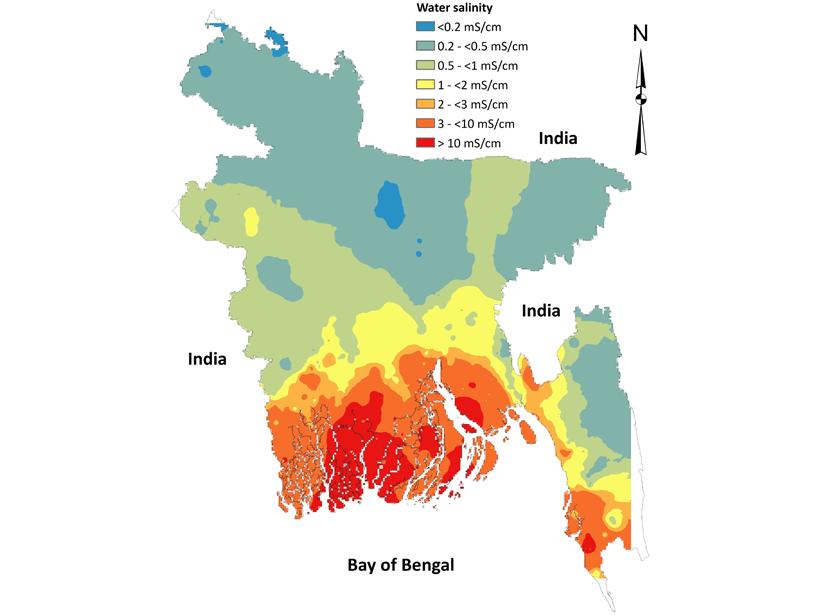
Does Drinking Water Salinity Affect Child Mortality?
An association between drinking water salinity and neonatal and infant mortality in Bangladesh indicates the critical role of water salinity on child health.
Posted inEditors' Highlights
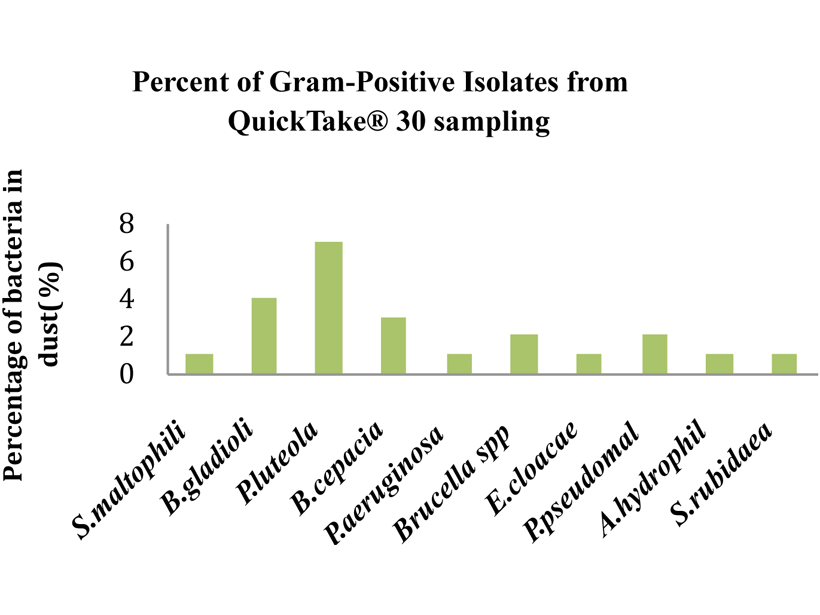
Dangerous Bacteria Catch a Ride on Saharan Dust
Saharan dust events can spread bacterial pathogens over long distances, but we may be able to predict the human health risk from exposure.

Posted inNews
No Mask? You May Not Worry About Climate Change, Either

People untroubled by climate change are more likely to forgo masks in public.

Posted inNews
Geoscientists Help Map the Pandemic

Data visualization and mapping are valuable tools in the fight against COVID-19. Geoscientists can help healthcare workers and shape public policy.
Posted inNews
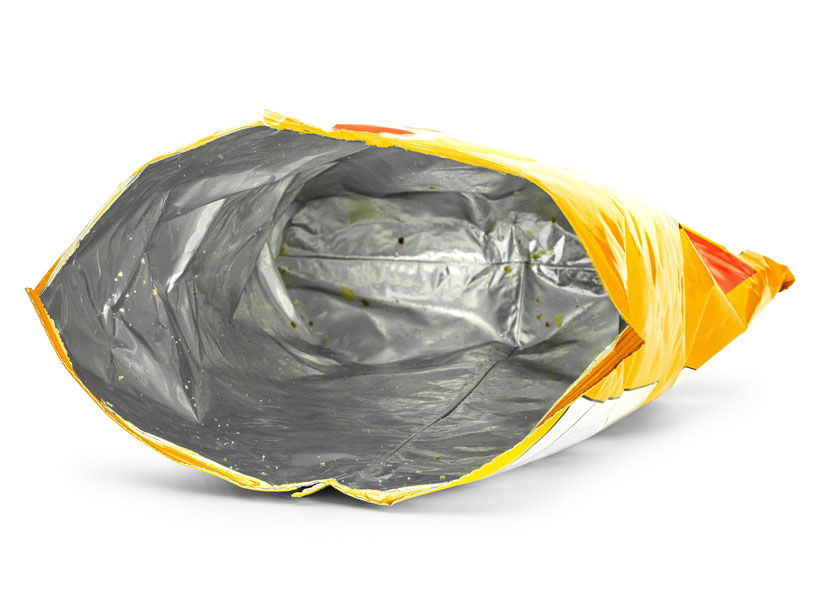
Tear, Don’t Cut, to Reduce Microplastics

Laboratory experiments reveal the numbers and types of microplastics produced by tearing, scissoring, and cutting everyday items.