
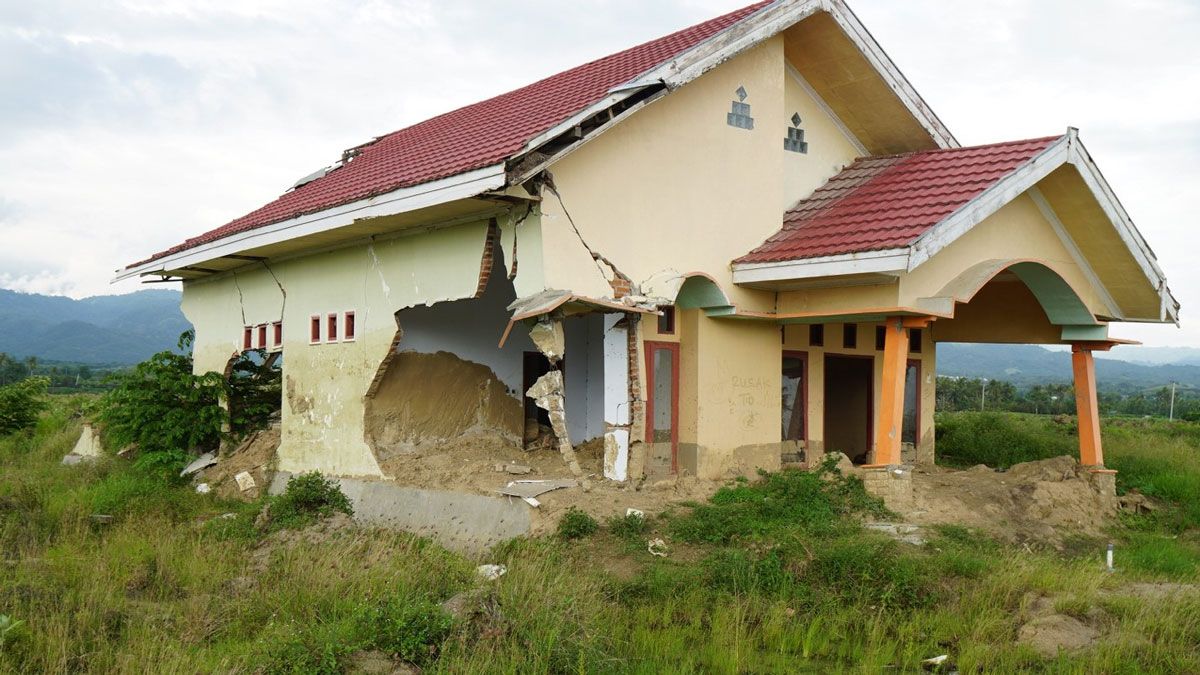
Firsthand accounts of earthquake impacts could aid in identifying people who require help as well as increasing safety in some areas.
seismology
Posted inEditors' Highlights
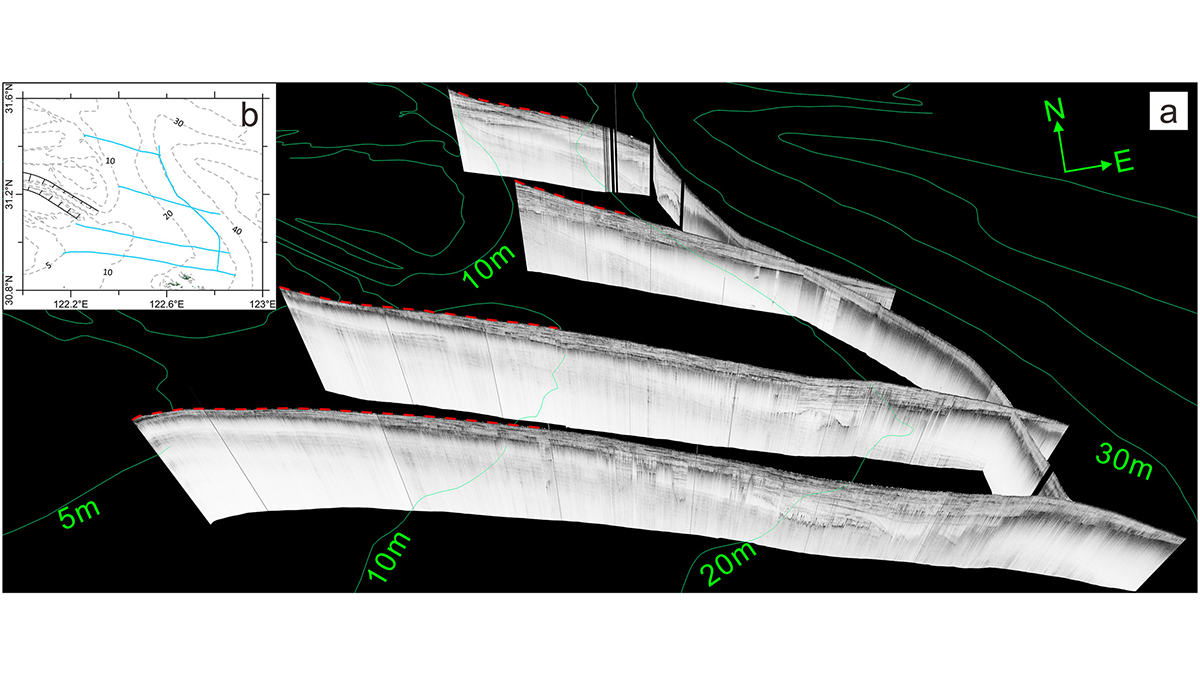
Delta Degradation Leads to Exacerbated Greenhouse Gas Emissions
Seismic ship surveys and seabed elevation maps of the Yangtze subaqueous delta reveal how the reduction of sediment supply to the coastal ocean can trigger increased greenhouse gas emissions.
Posted inEditors' Highlights
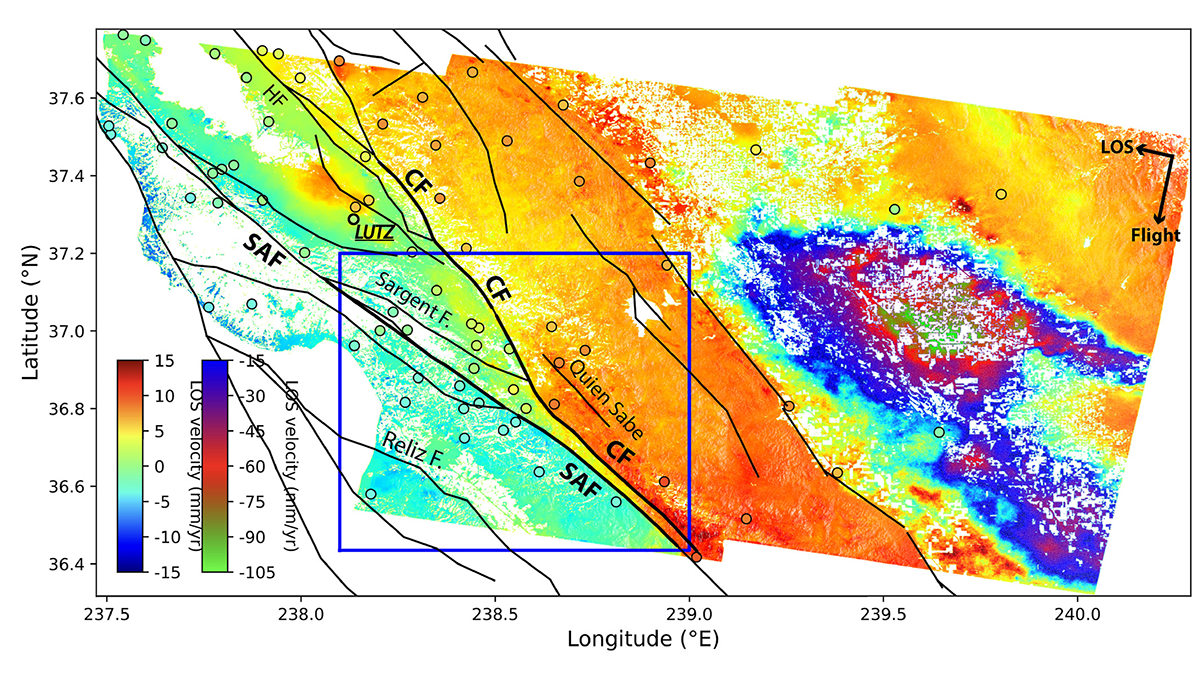
Radar Satellites Capture Subtle Slip Evolution on Faults
A five-year time series from radar satellite imagery tracks surface slip on major faults in the San Francisco Bay Area, capturing subtle velocity variations and controlling factors.
Posted inEditors' Highlights
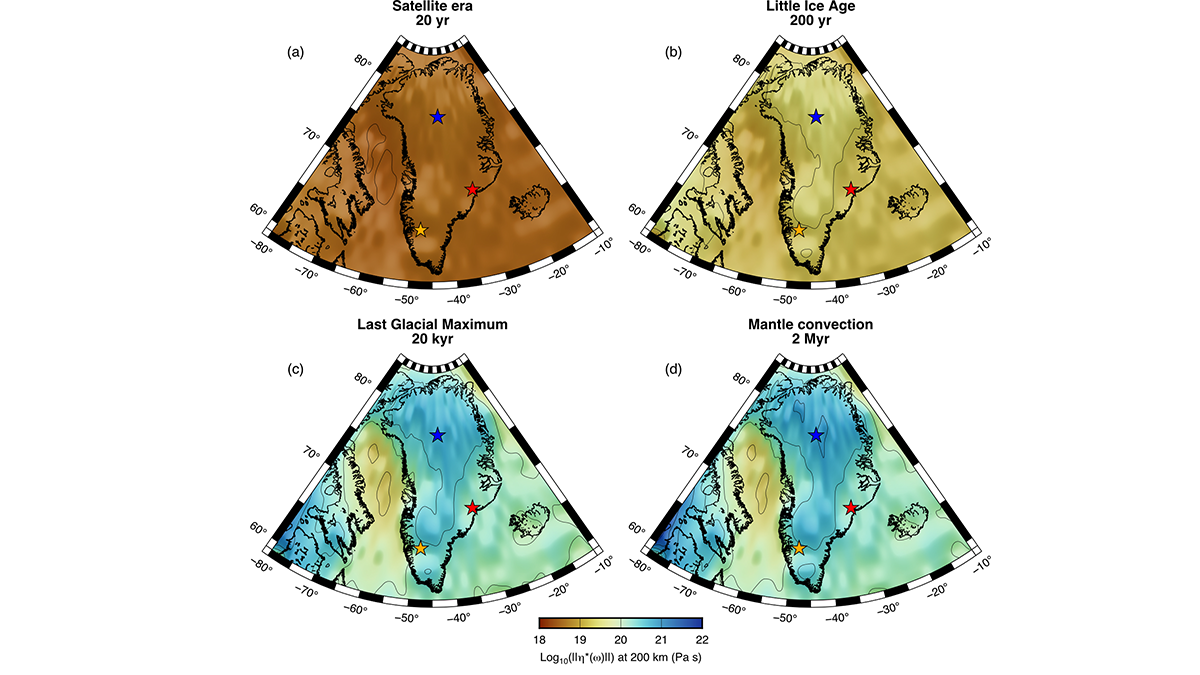
4D Viscosity Constraints from Greenland
The mantle’s resistance to flow appears different for glacial and plate tectonic timescales but this behavior can be reconciled with new thermo-mechanical models of the asthenosphere.
Posted inResearch Spotlights
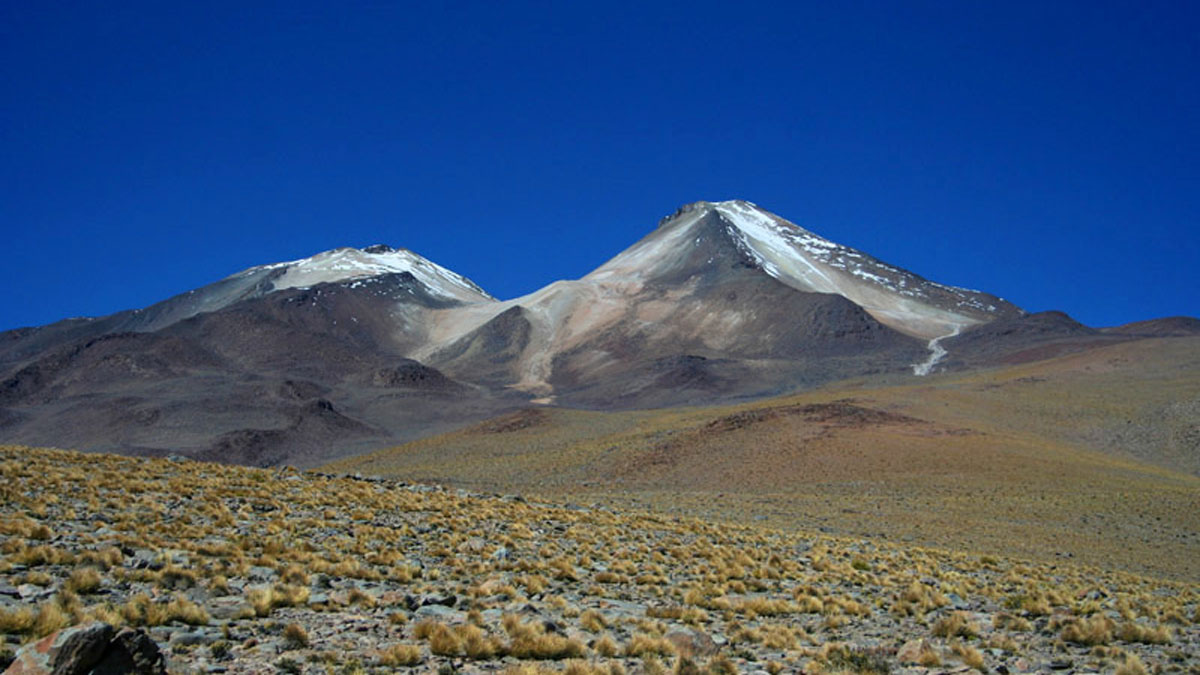
Mapping the Fizzy Brines and Fluid-Filled Fractures Below a Volcano

Seismic tools reveal where hydrothermal fluids lie beneath the Uturuncu volcano in Bolivia and hint at their composition.
Posted inScience Updates
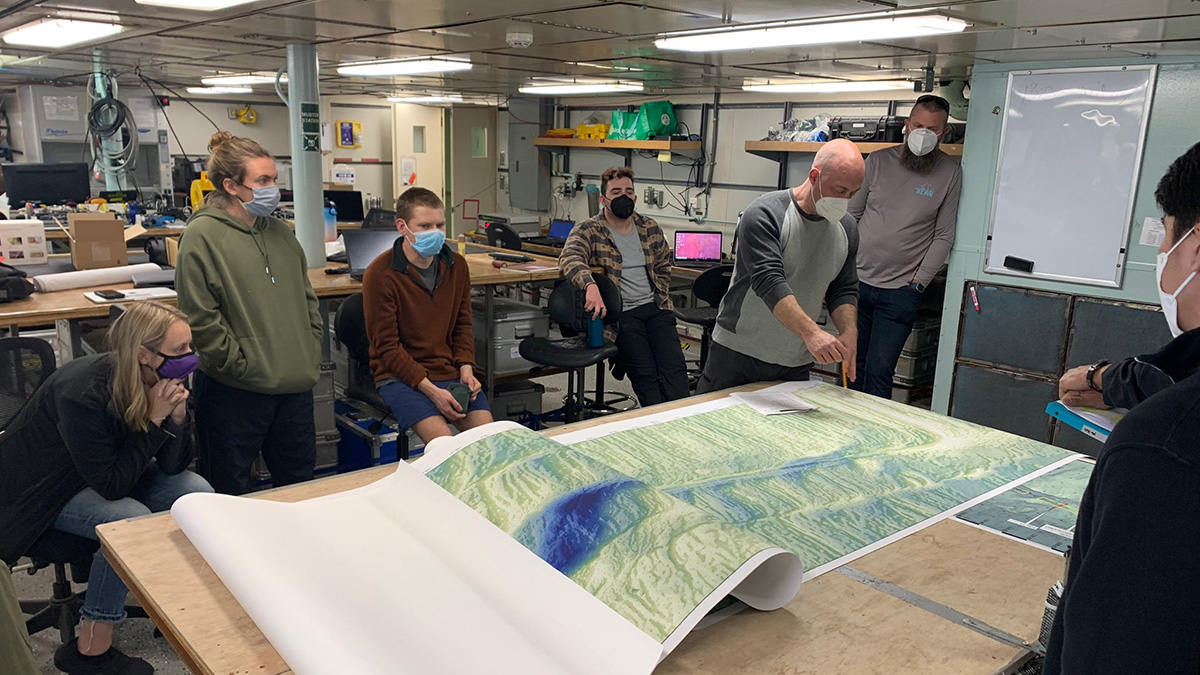
Observing a Seismic Cycle at Sea
Scientists organized a trio of expeditions to document the buildup of stress leading to a large earthquake on a seafloor fault, developing innovations for successful seagoing research in the process.

Posted inNews
Accounting for Offbeat Earthquakes Could Improve Forecasts
A new model considers the full history of earthquakes on a fault, improving forecasts of when the next will strike.
Posted inNews
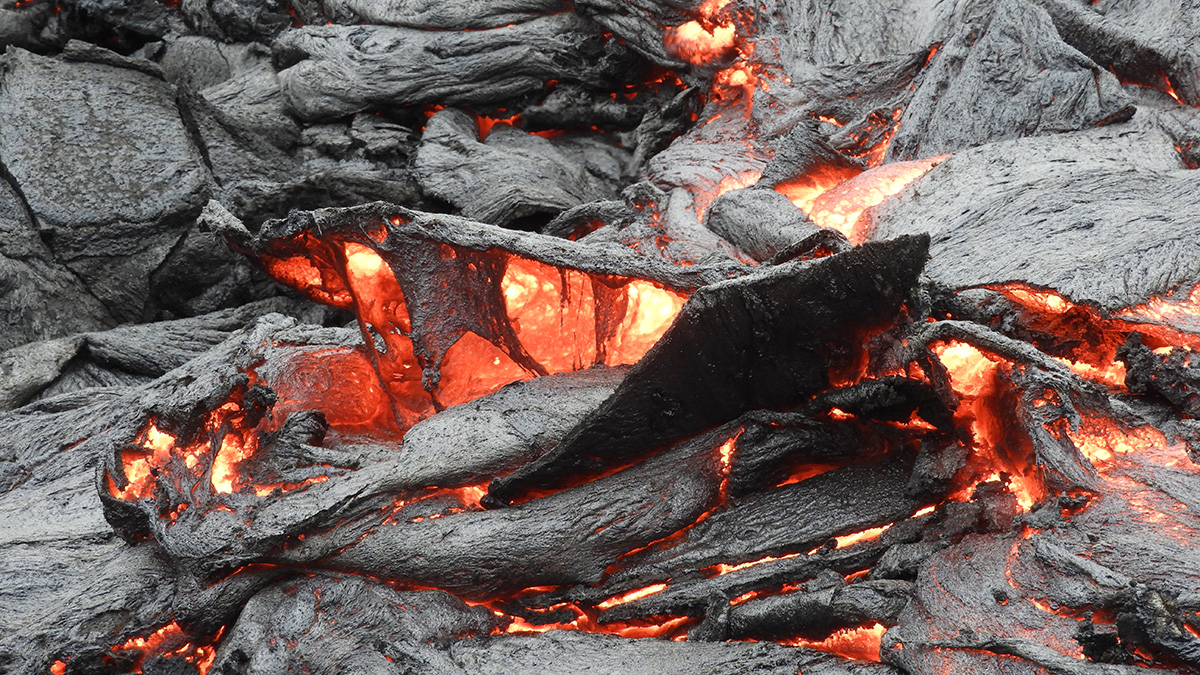
Crystals Track Magma Movement Beneath Iceland

Crystals from Fagradalsfjall’s eruption mark how mantle magma might have been moving years before geophysical indicators alerted scientists to unrest.


Posted inResearch Spotlights
New Tectonic Plate Model Could Improve Earthquake Risk Assessment
A new model of tectonic plates in New Zealand may identify areas of increased earthquake likelihood.