


Curiosity’s two-step heating experiment of mudstone at Gale crater reveals minerals that formed in the presence of water less than 3 billion years ago.
solar system
Posted inNews
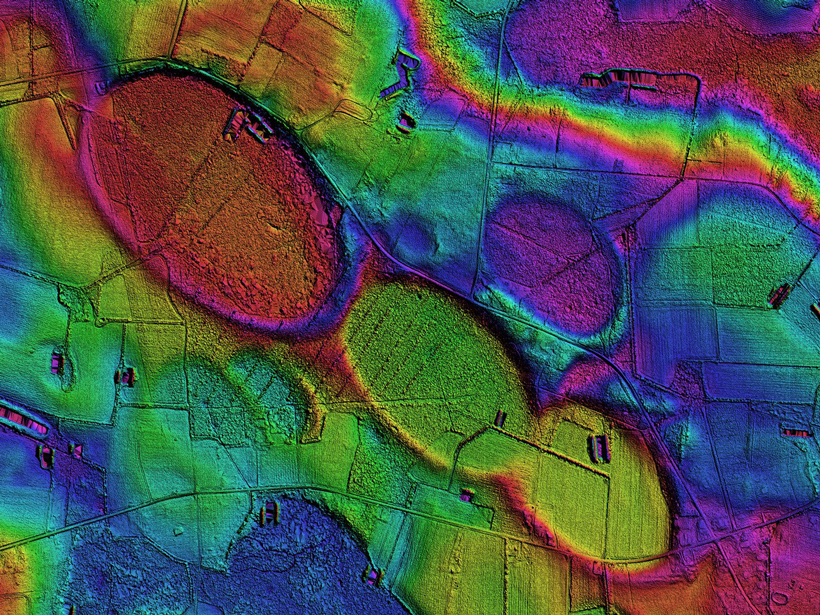
Four Planetary Landscapes That Scientists Can’t Explain

These are just a handful of the hundreds of mysterious features across our solar neighborhood that beg to be studied closer.
Posted inEditors' Highlights
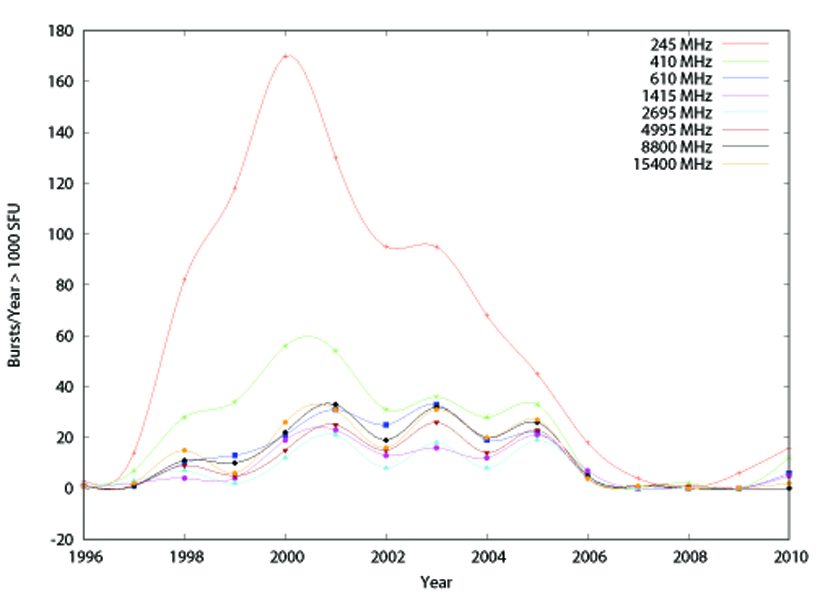
A Survey of Solar Radio Burst Statistics
National solar radio archive records have substantial missing data potentially affecting the ability to benchmark extreme solar events.
Posted inFeatures
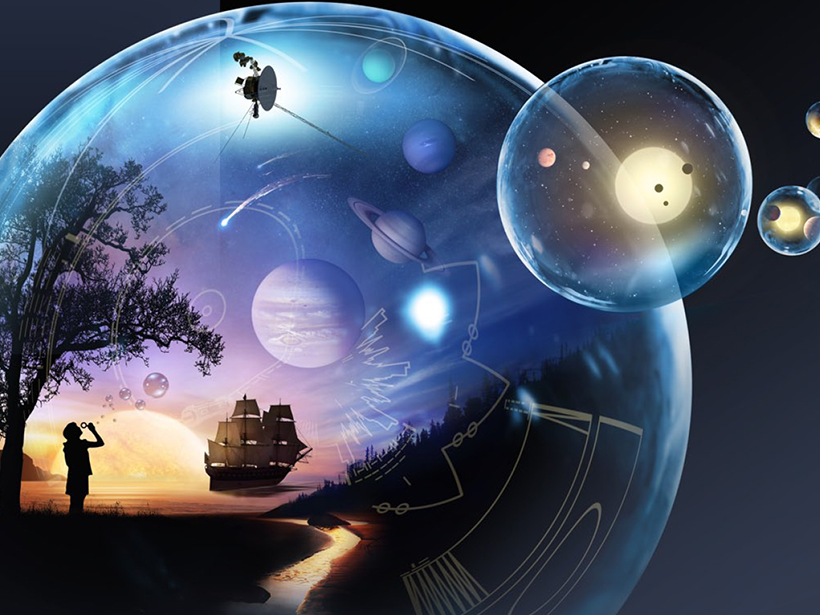
Ten New Frontiers in the Solar System and Beyond

Humanity’s reach has extended from the surface of Earth to the very edge of our solar system, even to exoplanets far into space. What’s next in our journey into the unknown?

Posted inNews
More Discoveries in the Cards from Defunct Comet Mission
A year after the end of the Rosetta mission, the real scientific fun begins.

Posted inNews
NASA's New Discovery Missions Will Look Back to Our Origins

Two recently approved missions will explore our solar system's early history, looking at asteroids near Jupiter and an odd object that may be a planetary core.
Posted inResearch Spotlights
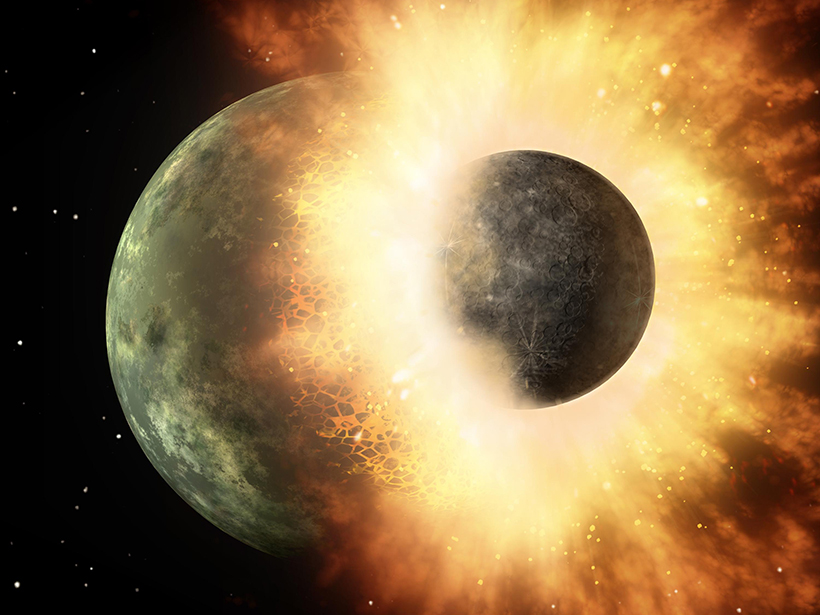
New Insight into Silica Explains Planetary Smashup

A better equation of state for silica will help planetary scientists accurately constrain the giant impacts that have shaped our solar system.
Posted inEditors' Vox
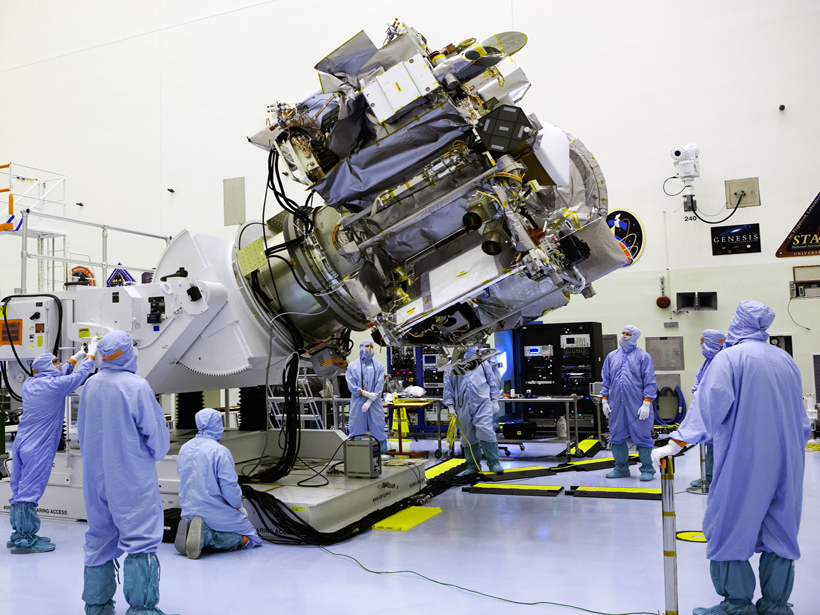
To Bennu and Back
Justin Filiberto shares his experience as a guest at the OSIRIS-REx launch; a mission to obtain samples from the asteroid Bennu in hopes of learning more about the origin of water on Earth.
Posted inEditors' Vox
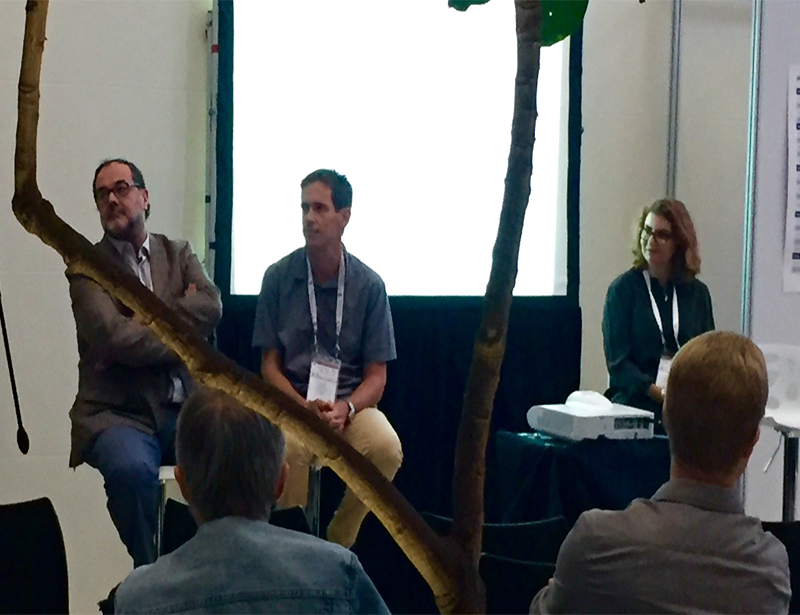
Elevating Planetary Science in Africa
Although planetary sciences may be perceived as long-term fundamental research with little direct and immediate benefit for populations, expanding planetary science programs can have many benefits
Posted inNews
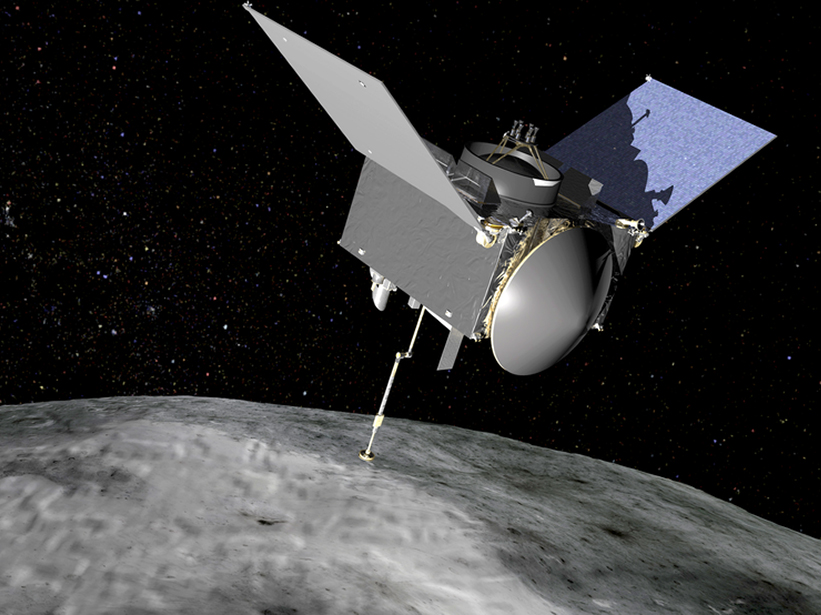
NASA's New Asteroid Sampler Will Illuminate Solar System's History
In 7 years, scientists hope to directly analyze materials from the asteroid Bennu, an object that may reveal what conditions were like in the solar system 4.5 billion years ago.