
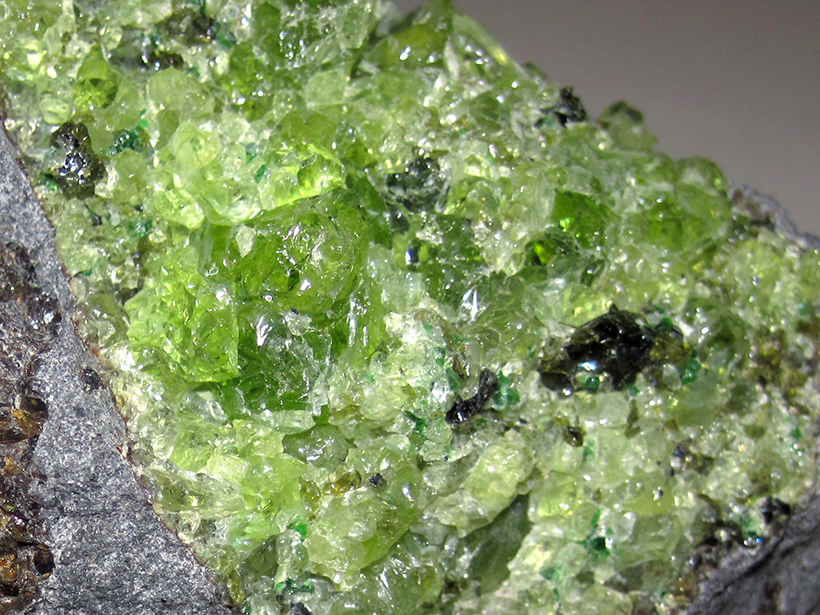

Many seismic wave models are based on an erroneous assumption about the Earth's interior. A new technique corrects this by eliminating false signals produced by models.
subduction
Posted inResearch Spotlights
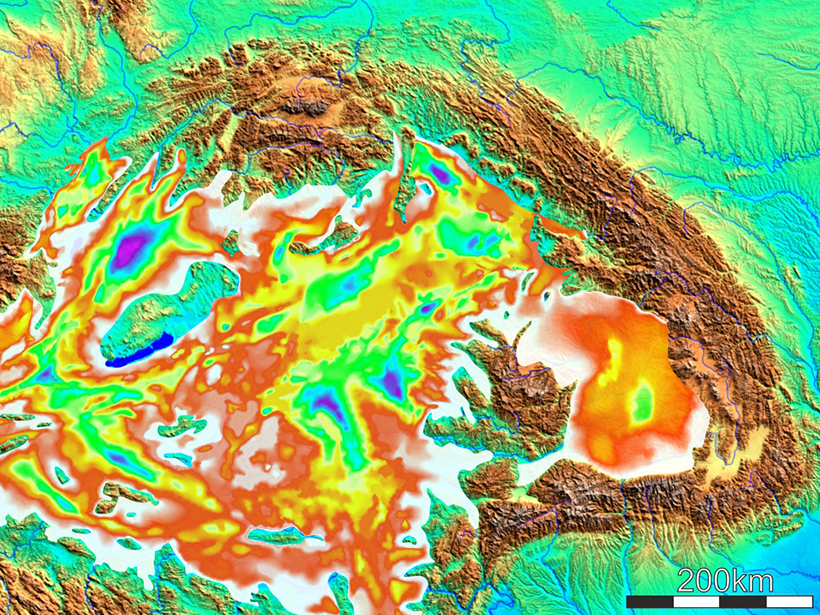
Unraveling the History of Central Europe's Pannonian Basin

A multidisciplinary model linking the sedimentary and tectonic histories of this structurally complex basin suggests that large amounts of extension occurred there between 20 and 9 million years ago.
Posted inResearch Spotlights
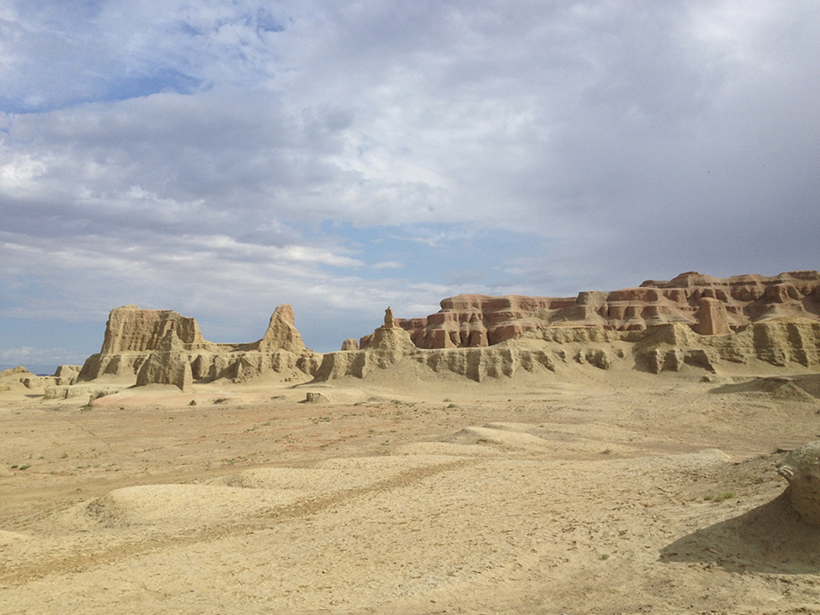
Traces of Ancient Buried Subduction Zone Found in China

A combination of observations and modeling reveals evidence of a late Paleozoic intraoceanic subduction zone in the western Junggar region of northwest China.

Posted inOpinions
Planning for a Subduction Zone Observatory
An international, interdisciplinary effort to study and observe earthquakes, volcanoes, landslides, tsunamis, and continent building at subduction zones could advance science and protect communities.
Posted inResearch Spotlights
Alaska's Semidi Segment Could Unleash a Devastating Tsunami
Study reveals structures along the Alaskan convergent margin capable of generating a powerful tsunami directed toward the United States's West Coast.

Posted inResearch Spotlights
Plate Displacement Rate Offers Insight into 2011 Tohoku Quake
For the first time, scientists use GPS to measure the displacement rate of the subducting Pacific Plate near the source of disastrous shaking in 2011.
Posted inResearch Spotlights
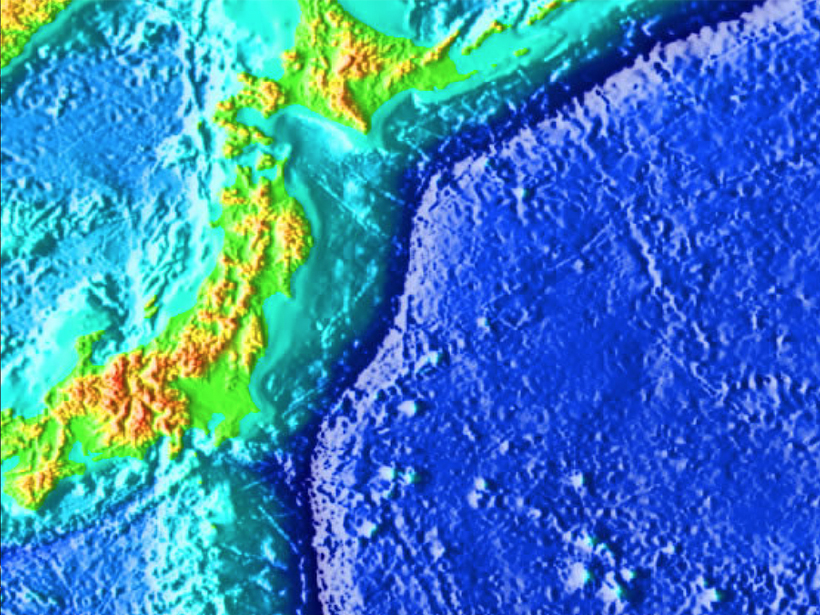
Bending Plate Provides Unexpected Heat Source
Scientists discover the causes for heat flow anomalies near the Japan Trench.
Posted inResearch Spotlights
Tracking Down a Subduction Zone Earthquake

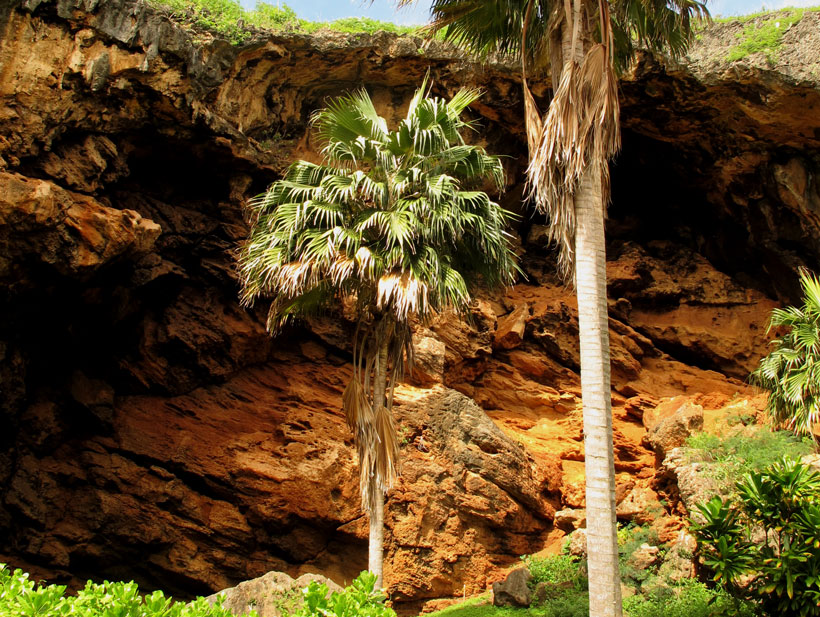
Researchers use computer simulations to find the date and earthquake source of an ancient tsunami that deposited sediment in a Hawaii sinkhole.
Posted inNews
Pacific Plate's Underbelly Revealed Through Explosive Means
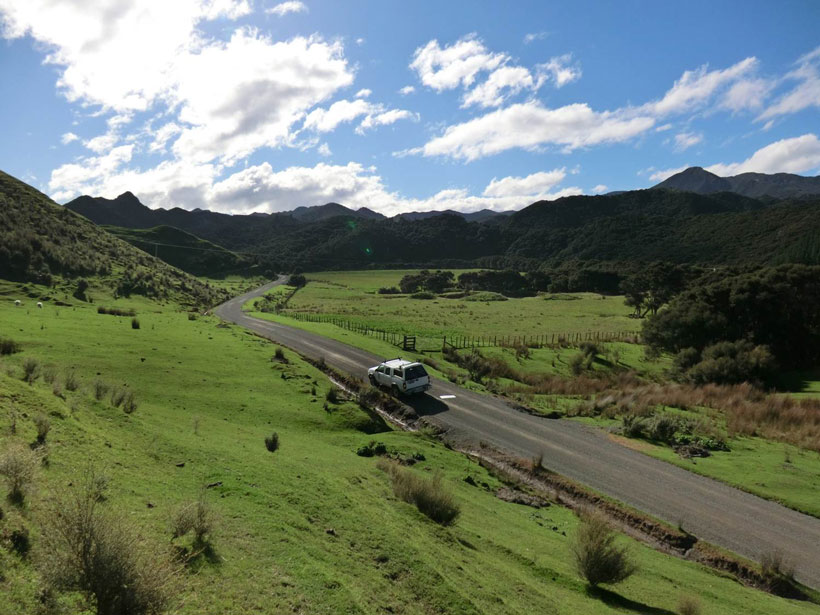
Scientists produce their own seismic waves—via explosives—to image the bottom region of the plate subducting under the New Zealand.
Posted inResearch Spotlights
Changing Crustal Velocities Preceded 2011 Tohoku-oki Quake
Researchers examined the crustal deformation associated with earthquakes that occurred before the 2011 Tohoku-oki earthquake.