• About
  • Special Reports
  • Topics
    • Climate
    • Earth Science
    • Oceans
    • Space & Planets
    • Health & Ecosystems
    • Culture & Policy
    • Education & Careers
    • Opinions
  • Projects
    • Postcards From the Field
    • ENGAGE
    • Editors’ Highlights
    • Editors’ Vox
    • Eos en Español
    • Eos 简体中文版
    • Print Archive: 2015–2025
  • Policy Tracker
  • Blogs
    • Research & Developments
    • The Landslide Blog
  • Newsletter
  • Submit to Eos
  • AGU.org
  • Career Center
  • Join AGU
  • Give to AGU
  • About
  • Special Reports
  • Topics
    • Climate
    • Earth Science
    • Oceans
    • Space & Planets
    • Health & Ecosystems
    • Culture & Policy
    • Education & Careers
    • Opinions
  • Projects
    • Postcards From the Field
    • ENGAGE
    • Editors’ Highlights
    • Editors’ Vox
    • Eos en Español
    • Eos 简体中文版
    • Print Archive: 2015–2025
  • Policy Tracker
  • Blogs
    • Research & Developments
    • The Landslide Blog
  • Newsletter
  • Submit to Eos
Skip to content
  • AGU.org
  • Career Center
  • Join AGU
  • Give to AGU
Eos

Eos

Science News by AGU

Support Eos
Sign Up for Newsletter
  • About
  • Special Reports
  • Topics
    • Climate
    • Earth Science
    • Oceans
    • Space & Planets
    • Health & Ecosystems
    • Culture & Policy
    • Education & Careers
    • Opinions
  • Projects
    • Postcards From the Field
    • ENGAGE
    • Editors’ Highlights
    • Editors’ Vox
    • Eos en Español
    • Eos 简体中文版
    • Print Archive: 2015–2025
  • Policy Tracker
  • Blogs
    • Research & Developments
    • The Landslide Blog
  • Newsletter
  • Submit to Eos

Features

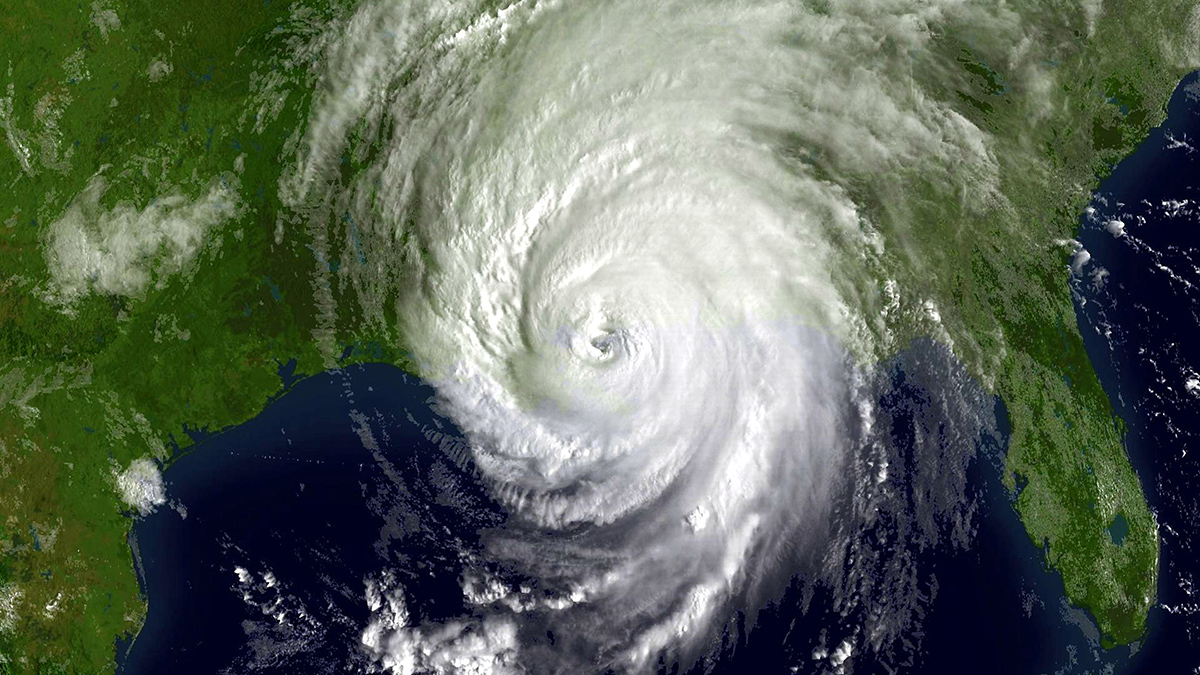
A satellite image shows Hurricane Katrina over the Gulf Coast.
Posted inFeatures

How Researchers Have Studied the Where, When, and Eye of Hurricanes Since Katrina

by Emily Dieckman 29 August 202513 November 2025

Twenty years after one of the country’s deadliest storms, scientists reflect on improvements in the ability to understand and predict disasters.

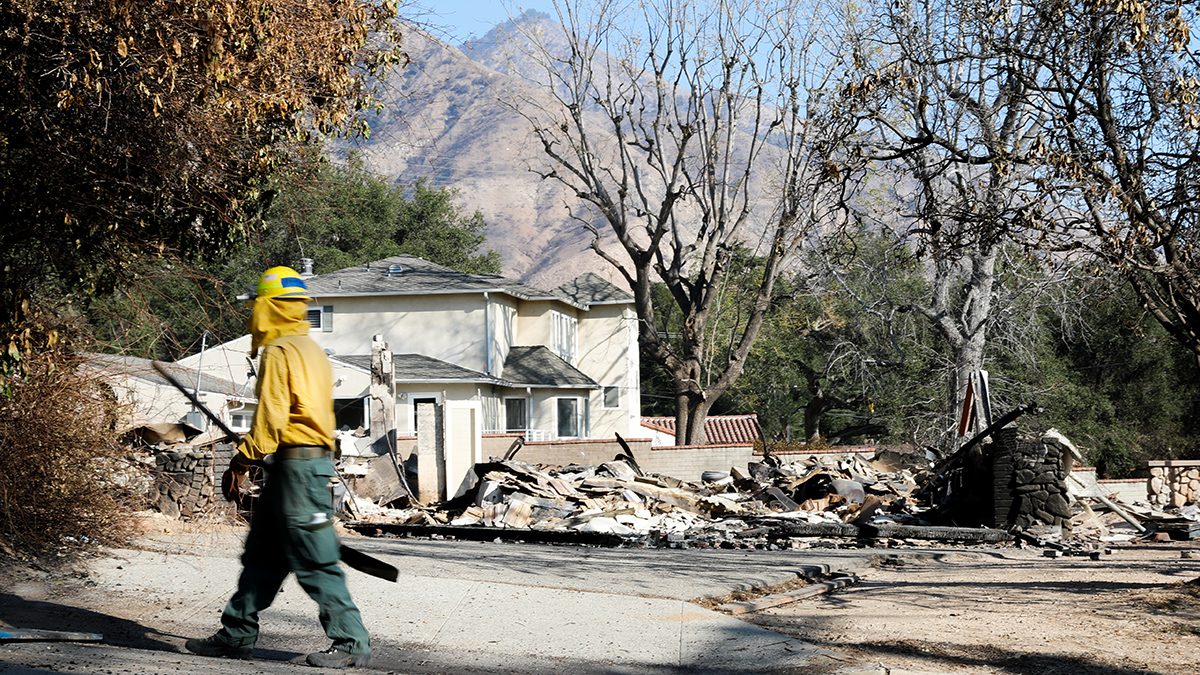
A person in yellow and green protective gear walks past a semi burned house with a mountain backdrop.
Posted inFeatures

When Disaster Science Strikes Close to Home

Kimberly M. S. Cartier, News Writing and Production Intern for Eos.org by Kimberly M. S. Cartier 26 August 202526 August 2025

How have scientists across Los Angeles used their skills to help their communities recover from the 2025 fires?
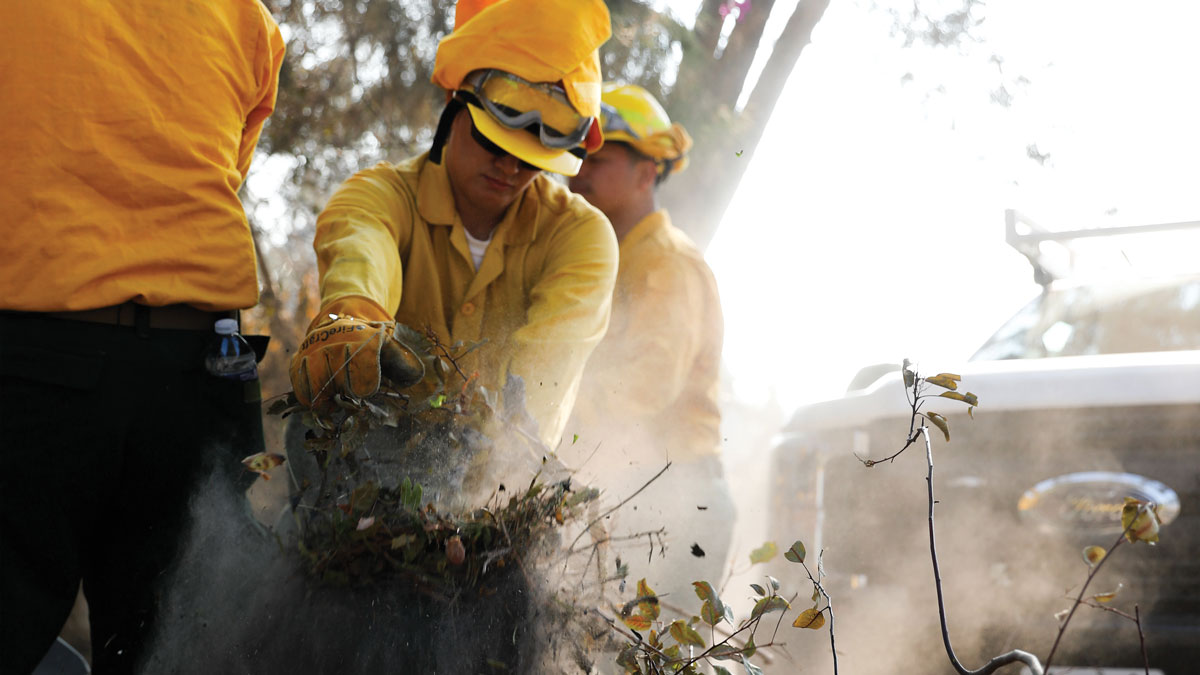
Tres hombres con chaquetas amarillas y cascos están de pie junto a un árbol talado o caído. El aire a su alrededor es polvoriento, y uno de ellos levanta un terrón.
Posted inFeatures

Where There’s Fire, There’s Smoke

by Emily Dieckman 26 August 202516 September 2025

Using both existing and newly launched monitoring instruments, researchers work to better understand air quality during and after the Los Angeles wildfires.
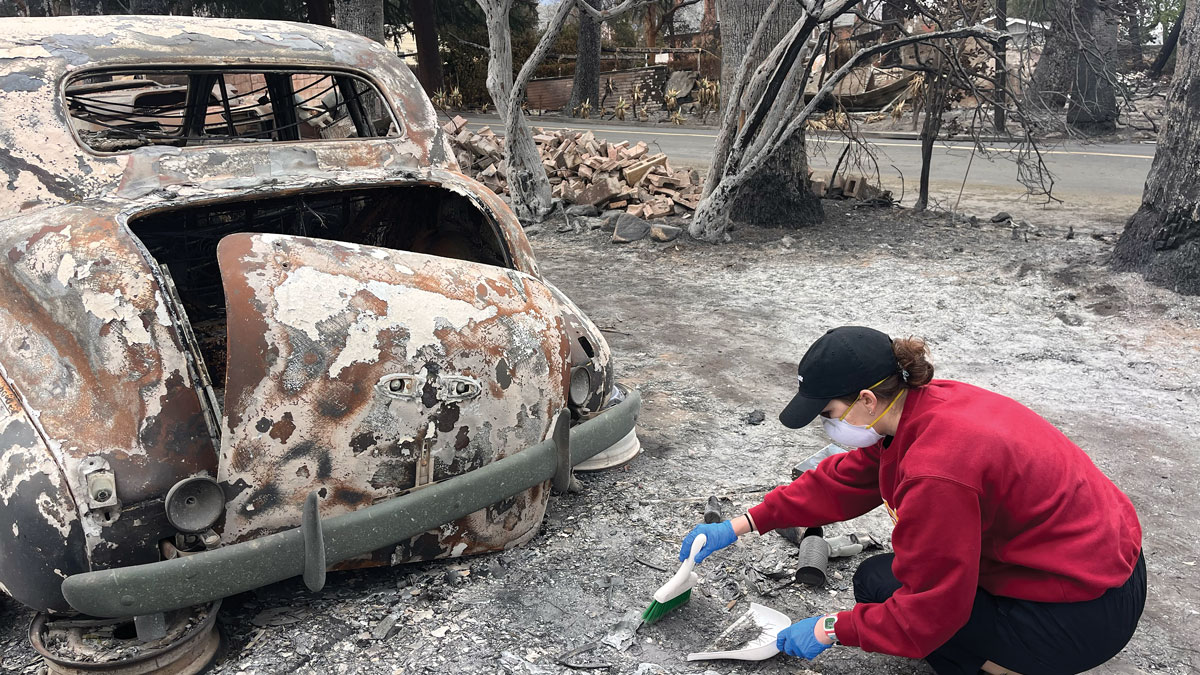
A researcher collects a sample of dust near a structure burned in the Eaton Fire.
Posted inFeatures

Burning Urban and Wild Land Alike

Kimberly M. S. Cartier, News Writing and Production Intern for Eos.org by Kimberly M. S. Cartier 26 August 202526 August 2025

When more densely populated Altadena and Pacific Palisades burned along with surrounding wildlands, hazards for residents didn’t stop when the fires were contained.
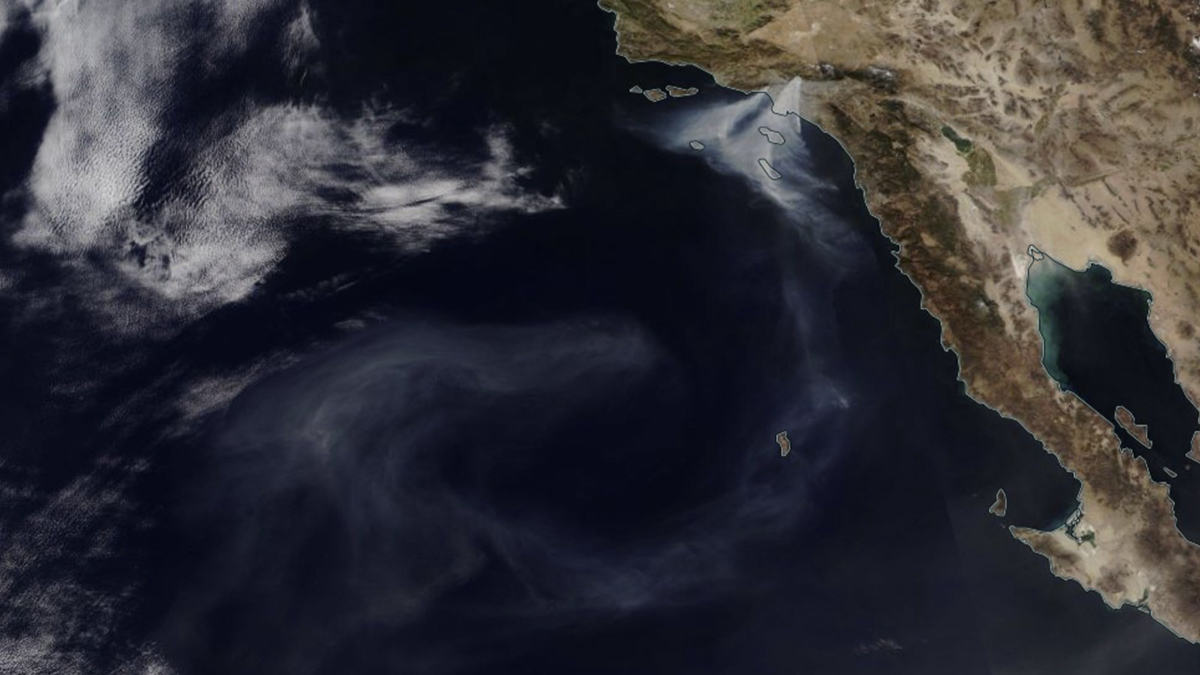
A satellite image shows the coast of the Los Angeles area in January 2025. A plume of smoke is seen over the Pacific Ocean.
Posted inFeatures

Scrambling to Study Smoke on the Water

by Grace van Deelen 26 August 202526 August 2025

Timely action shows the impact of urban fires on freshwater and marine ecosystems.
Weather vane in the clouds
Posted inFeatures

The Career Issue: Winds of Change

by Editors 28 July 202530 July 2025

Read about how 12 Earth and space scientists found paths in academia, business, government, and nonprofits.
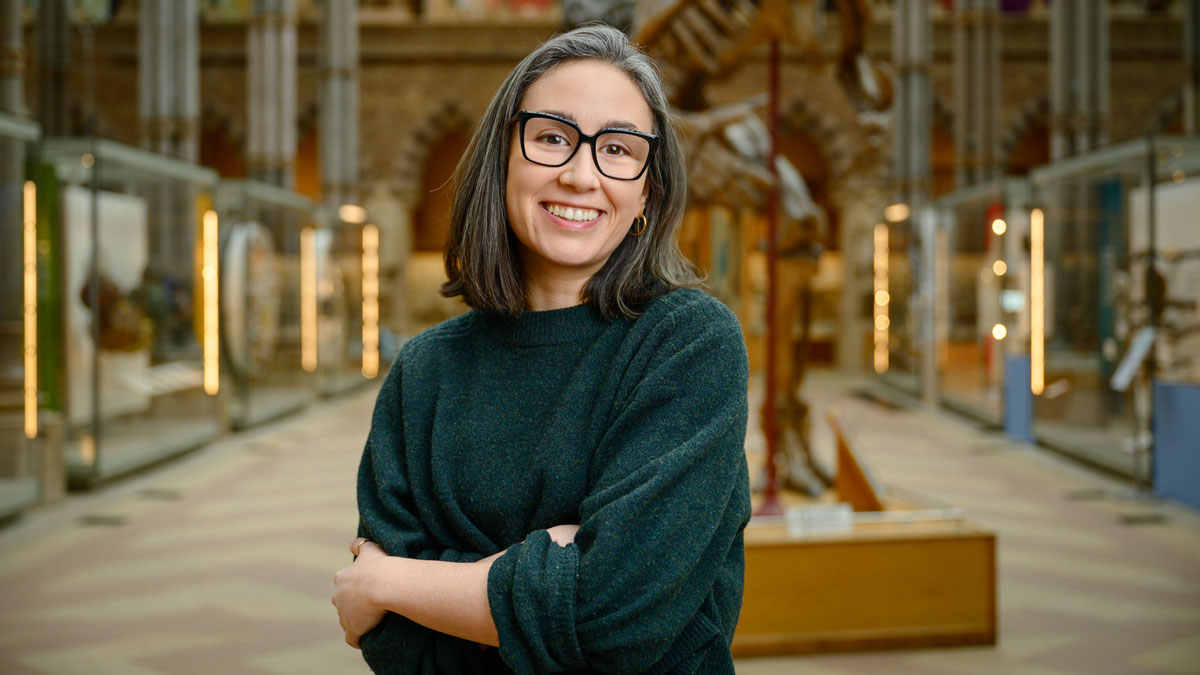
Lucia Perez Diaz, wearing a green sweater, stands in front of a dinosaur skeleton in a natural history museum.
Posted inFeatures

Lucia Perez Diaz: Expressing Earth with Art

by Grace van Deelen 28 July 202530 July 2025

A geoscientist and illustrator finds artistic inspiration in plate tectonics and geodynamics.
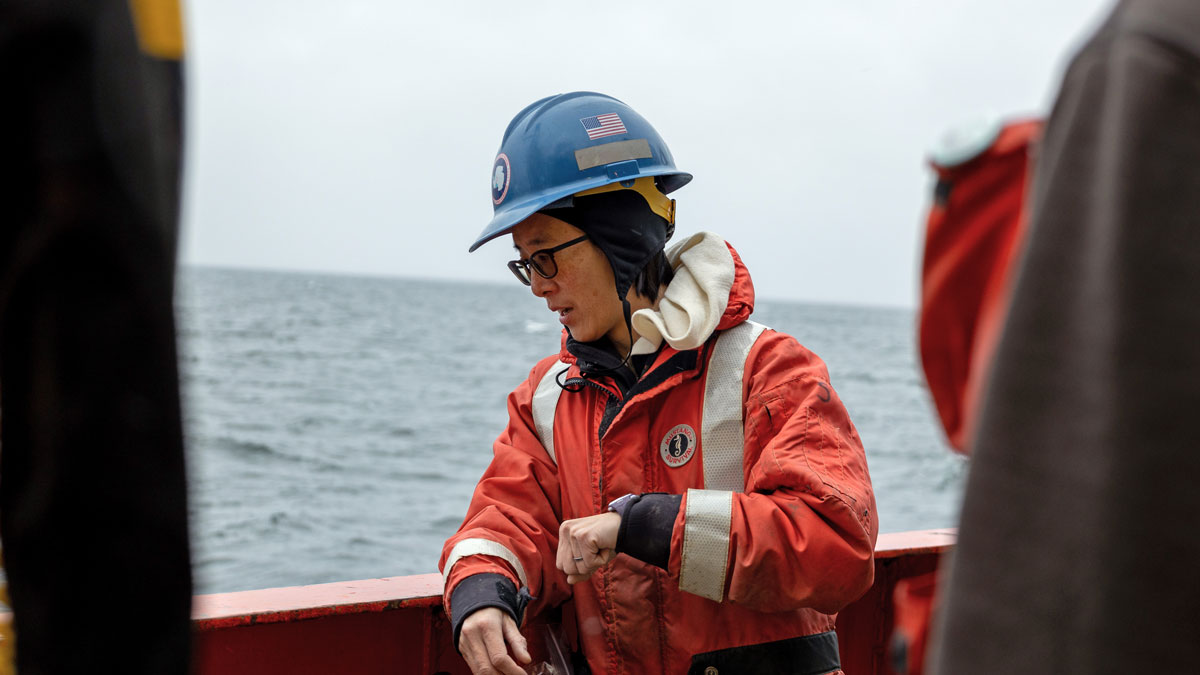
A woman in a blue helmet and orange jacket looks over the edge of a ship.
Posted inFeatures

Phoebe Lam: Embracing the Ocean’s Complexities

by Grace van Deelen 28 July 202530 July 2025

A generalist at heart, this geochemist is unraveling the mysteries of the ocean’s chemical cycling.
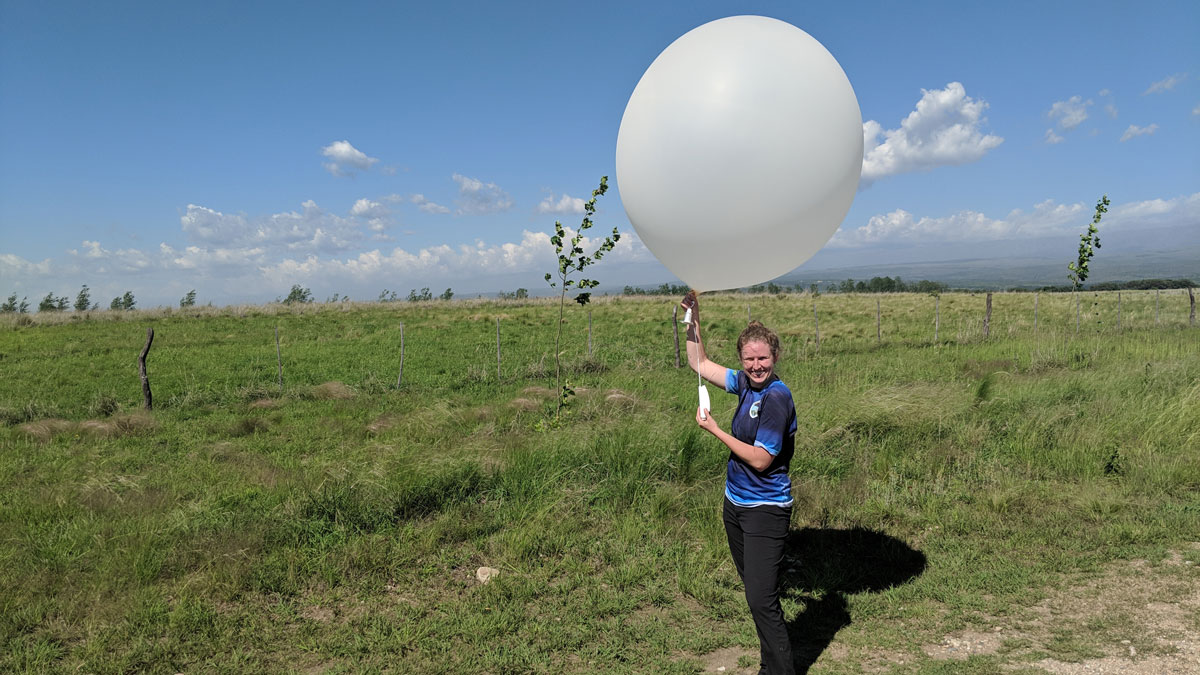
A woman wearing a blue T-shirt and black pants stands in a field of grass holding a large white balloon above her head.
Posted inFeatures

Stacey Hitchcock: From Fearing Storms to Seeking Them

Katherine Kornei, Science Writer by Katherine Kornei 28 July 202528 July 2025

This atmospheric scientist digs into the details of storms to help keep people safe.
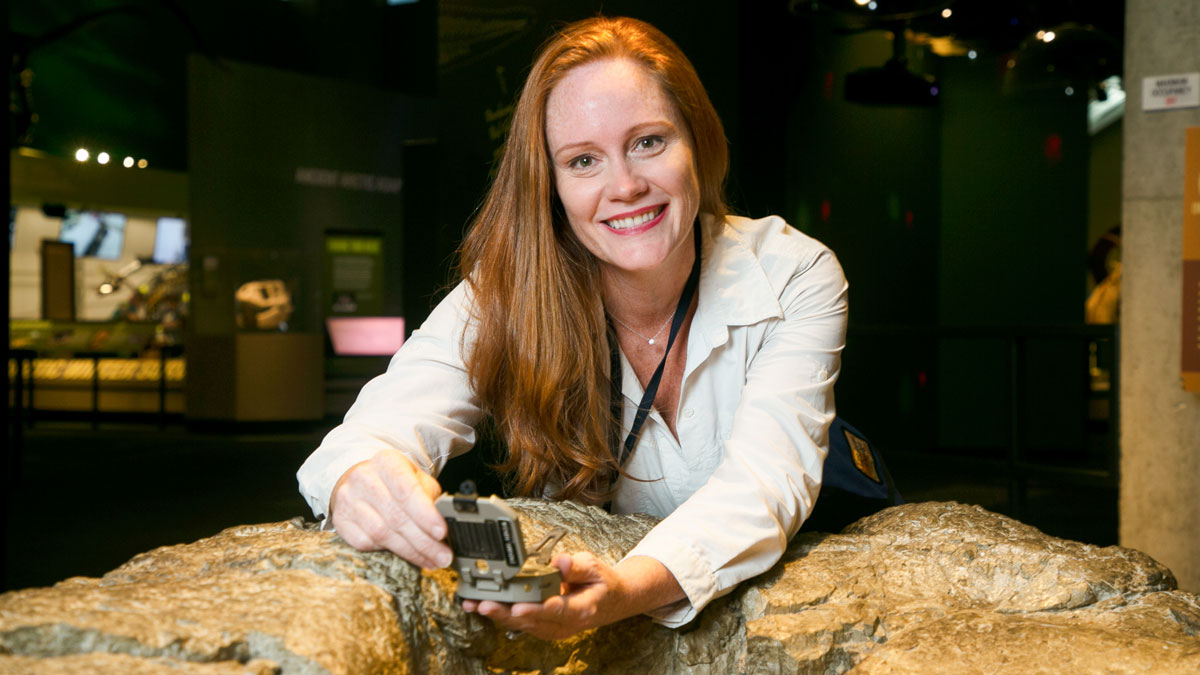
A red-haired woman holding a geologist’s compass and looking at the camera leans over a rock inside a building.
Posted inFeatures

Wendy Bohon: Quelling Fears and Sparking Geoscience Joy

by Elise Cutts 28 July 202528 July 2025

This earthquake enthusiast and science communicator wants you to know that a “whole ecosystem” of scientific careers exists outside of academia.

Posts pagination

Newer posts 1 2 3 4 … 43 Older posts
Over a dark blue-green square appear the words Special Report: The State of the Science 1 Year On.

Features from AGU Publications

Research Spotlights

New Method Could Improve U.S. Forecasting of West Nile Virus

20 February 202620 February 2026
Editors' Highlights

Why More Rain Doesn’t Mean More Erosion in Mountains

20 February 202620 February 2026
Editors' Vox

A Double-Edged Sword: The Global Oxychlorine Cycle on Mars

10 February 202610 February 2026
Eos logo at left; AGU logo at right

About Eos
ENGAGE
Awards
Contact

Advertise
Submit
Career Center
Sitemap

© 2026 American Geophysical Union. All rights reserved Powered by Newspack