

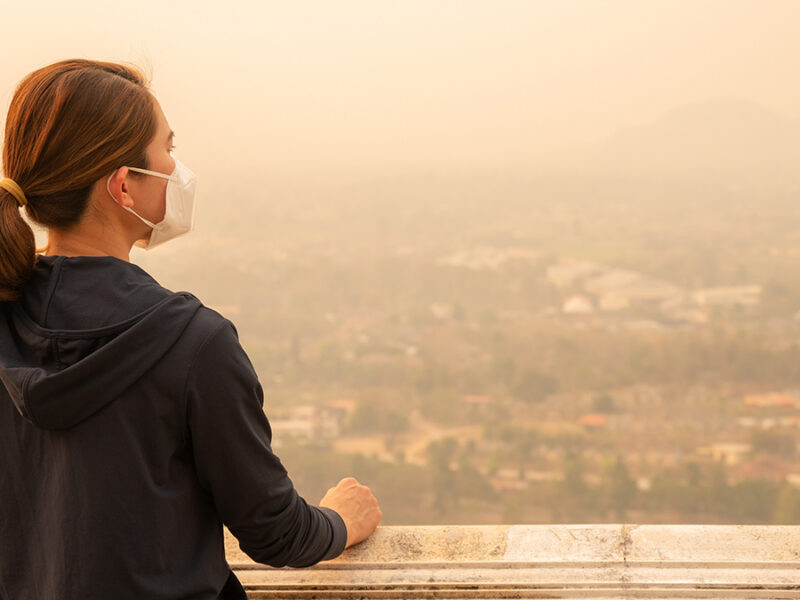
Individual Consequences of a Global Crisis
From wildfires and ocean temperatures to antimicrobials and mental health, scientists are uncovering more and more links between climate change and personal health.
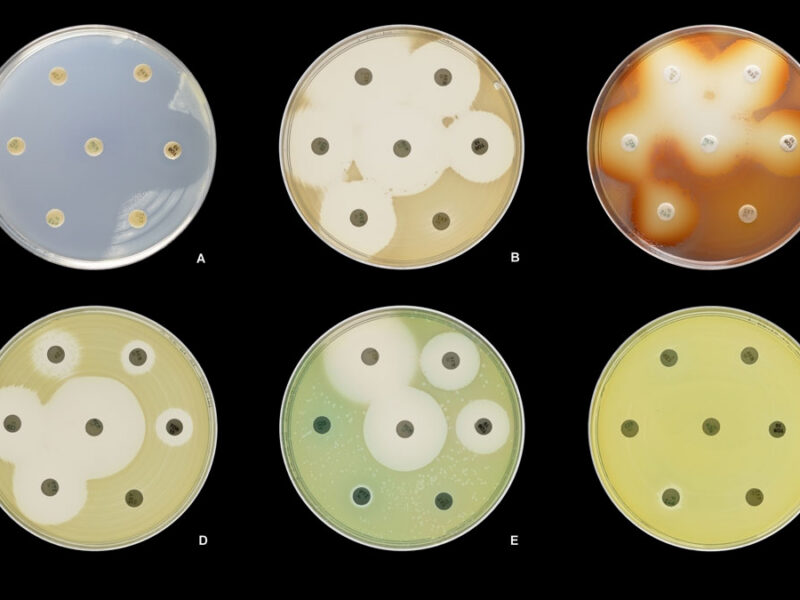
Antimicrobial Resistance Is Killing Millions. Climate Change Is Making It Worse.
A growing body of evidence indicates that factors such as rising temperatures and extreme weather are contributing to what some researchers have called “the slow pandemic.”
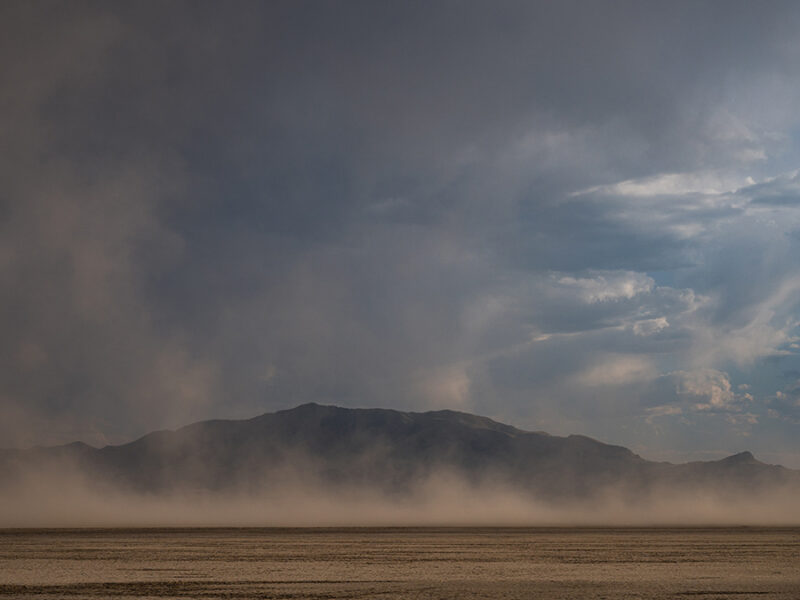
Lessons from Linking Great Salt Lake Desiccation and Depression
By melding different expertise and merging disparate datasets, researchers revealed how lake bed dust may be affecting mental health outcomes across Utah.
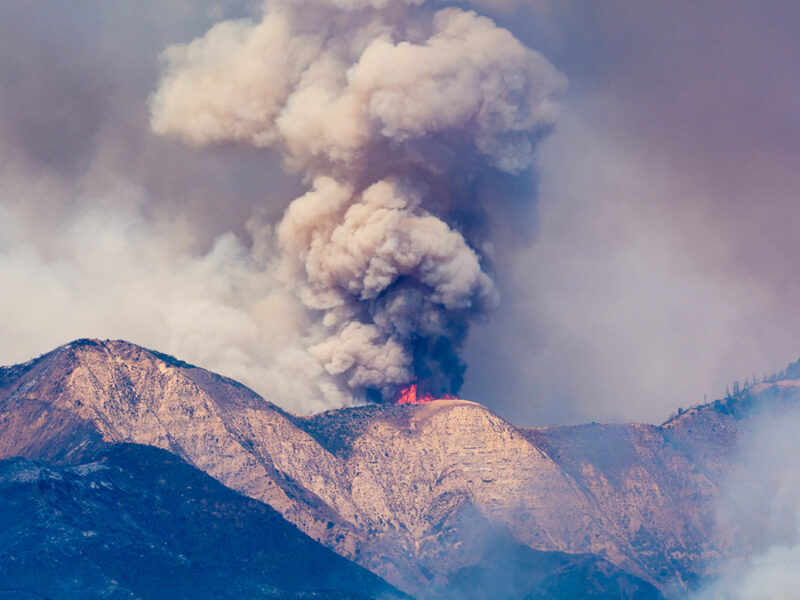
Wildfire Smoke Linked to 17,000 Strokes Annually in the United States
A study of 25 million Medicare participants adds to a body of evidence suggesting that prolonged exposure to wildfire smoke is more harmful to human health than other forms of air pollution.
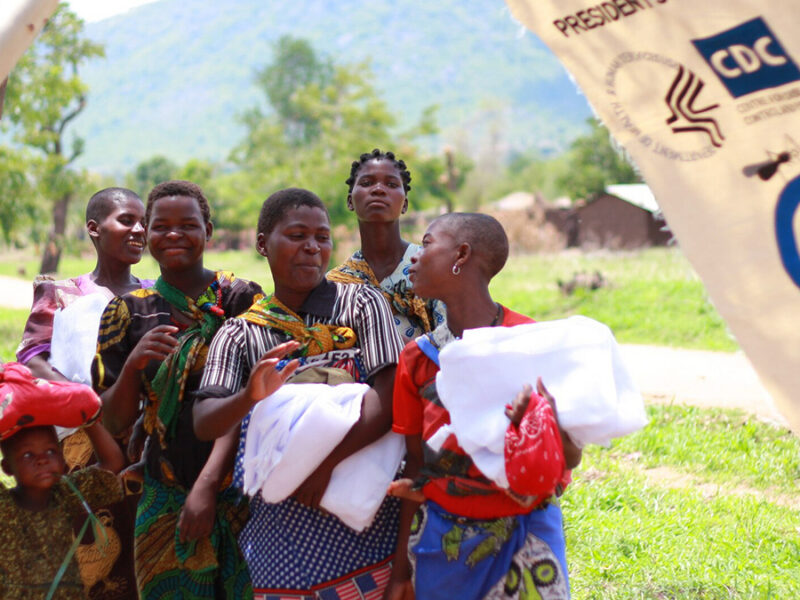
Climate Change Will Reshape Malaria Prevalence Across Africa
As the continent warms, once cooler regions will become prime habitat for mosquitoes and their parasites, while in other regions, heat will lower disease transmission.

Distant Oceans May Help Predict Malaria Risk in Malawi
A new study finds that ocean temperatures thousands of kilometers away shape soil moisture in Malawi, offering a potential tool for forecasting malaria outbreaks months in advance.
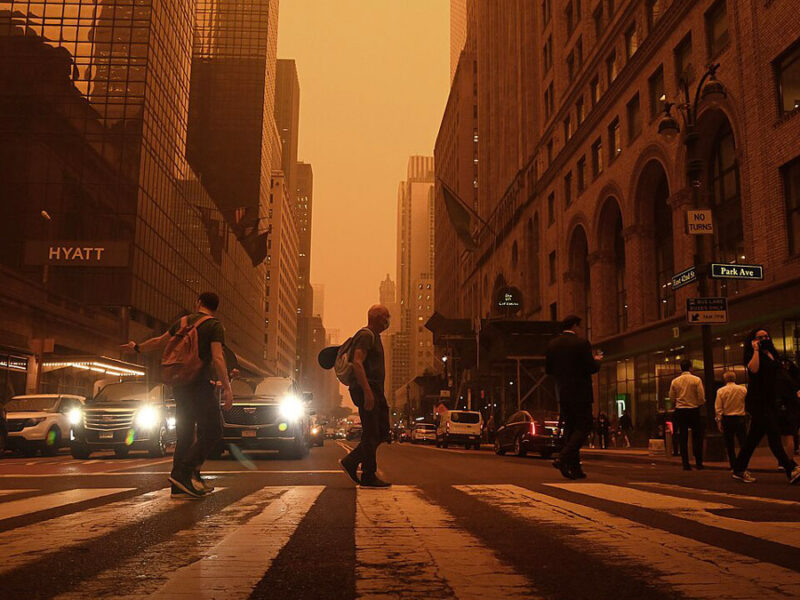
Many Americans Underestimate Health Risks of Extreme Weather, New Study Finds
The research examines the “risk perception gap,” or the difference between climate-related mortality estimates and public perceptions of climate risk, across U.S. counties.