
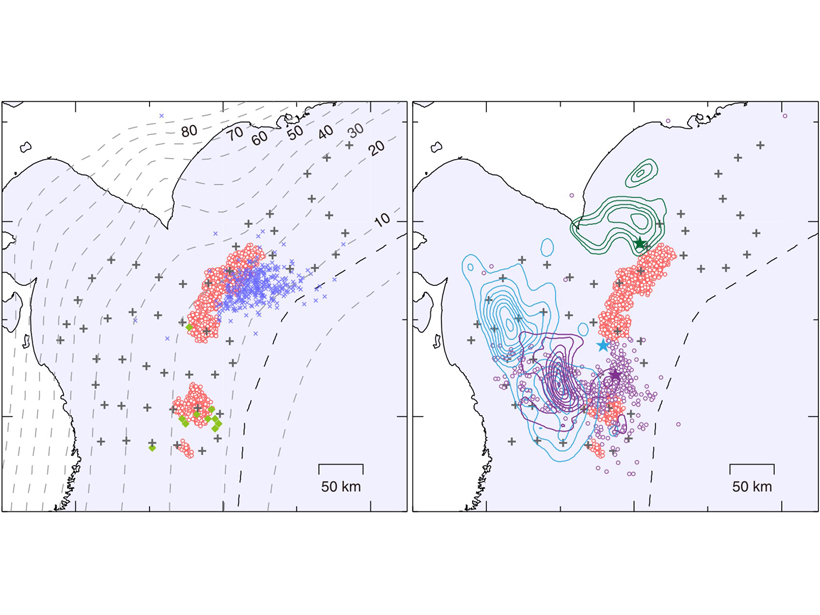
A new seafloor seismic network detected low-frequency tremor on the subduction zone interface offshore northern Japan, indicating regions of slow slip in close proximity to shallow megathrust events.
Editors’ Highlights
Posted inEditors' Highlights
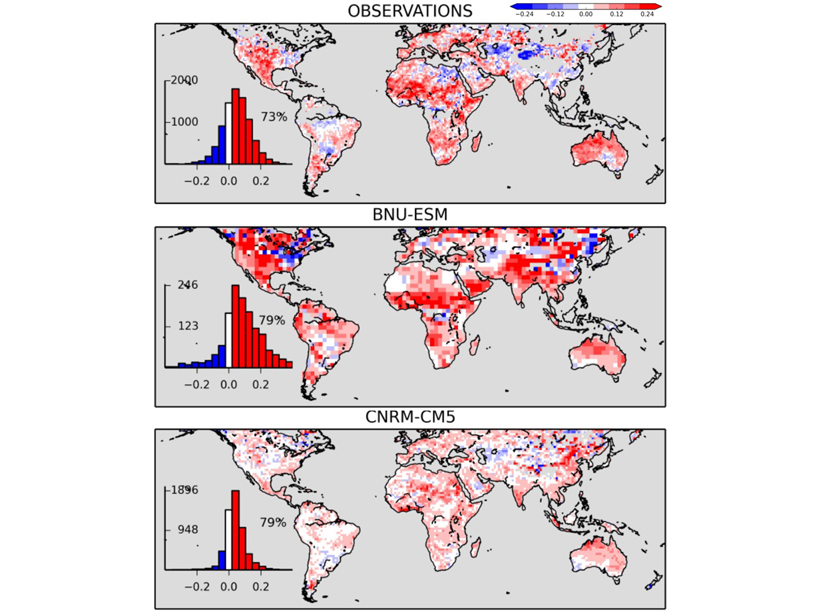
Diagnosing Soil Moisture Impacts on Model Energy Fluxes
Do climate models truthfully mimic how drying soil affects land-surface budget partition?
Posted inEditors' Highlights
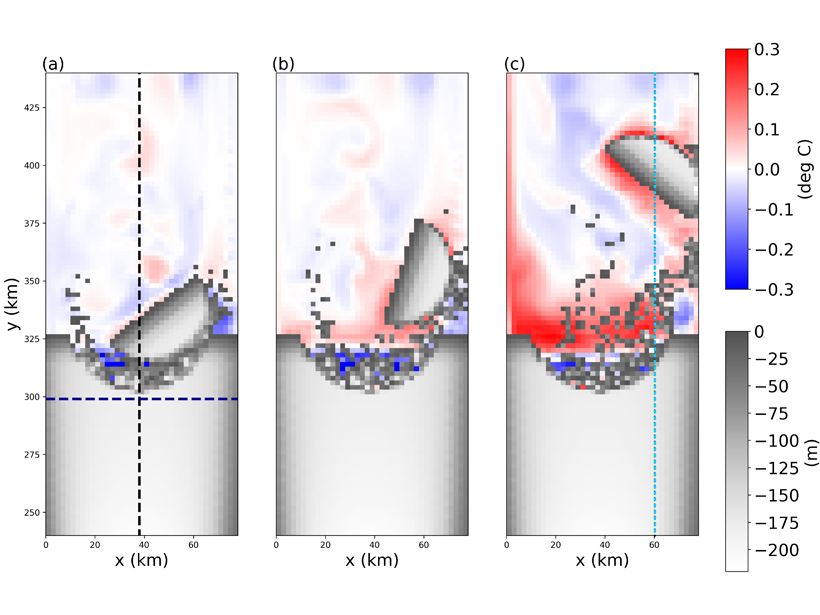
Creating Icebergs in Ocean Models Coupled to Ice Shelves
Modeling icebergs as Lagrangian elements held together by numerical bonds provides insights into coupled exchanges of heat, freshwater, and momentum between large icebergs and the ocean.
Posted inEditors' Highlights
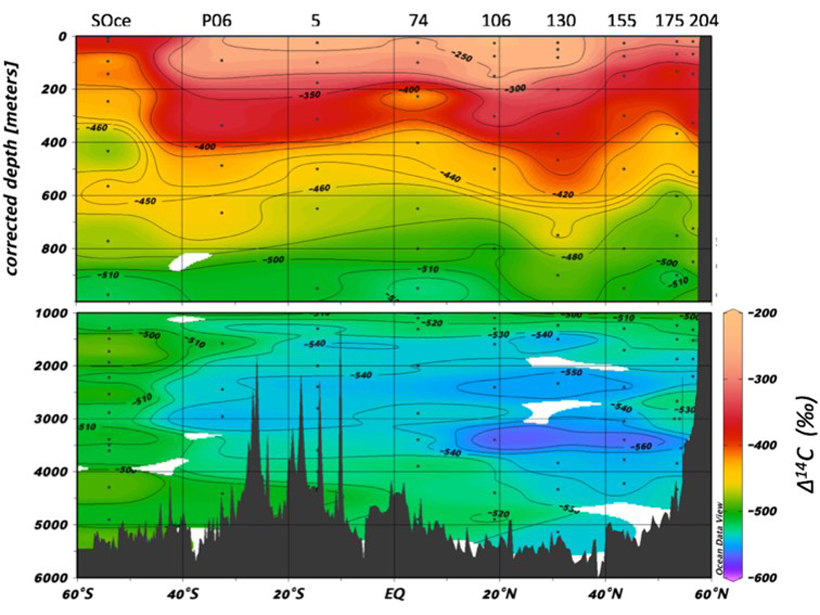
Pacific Carbon Ages During Long Journey Along Ocean Floor
The radiocarbon signal of DOC with depth across the Pacific Ocean basin effectively supports a number of important theories that have been suggested over the years.

Posted inEditors' Highlights
Modeling Tsunamis with Social Media
Video footage gathered from social media is used to reconstruct the timing and likely source(s) of the tsunami generated by the 2018 Palu earthquake.
Posted inEditors' Highlights
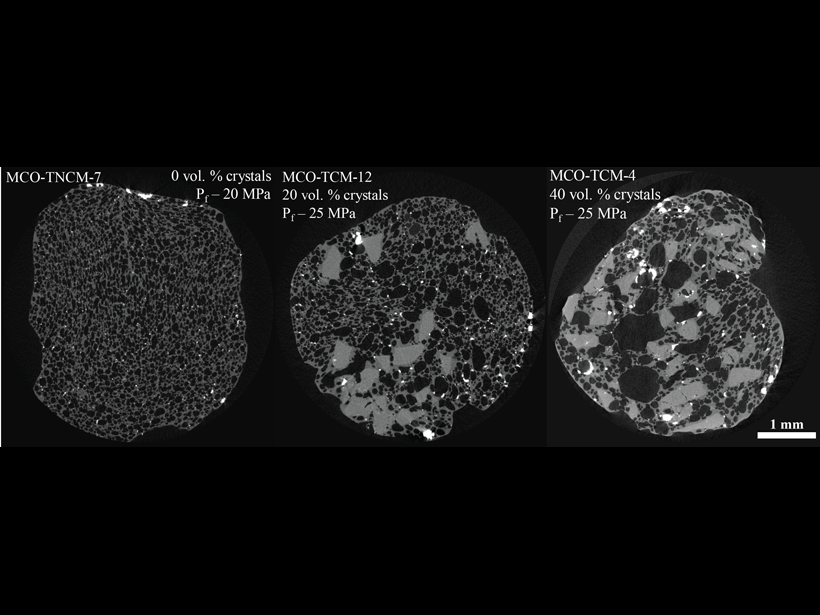
Crystals Connect Bubbles in Explosive Magmas
Hydrous silica-rich magmas can degas through connected bubble pathways when as little as 20% crystals are present, influencing transitions from explosive, Vulcanian-style eruptions to lava effusion.

Posted inEditors' Highlights
On the Prospect of Ancient Metallic Volcanism on Asteroids
There is a possibility of ancient volcanism on metallic asteroids, a new type of volcanism that is not yet observed, though the Psyche mission to the asteroid Psyche may change that soon.
Posted inEditors' Highlights
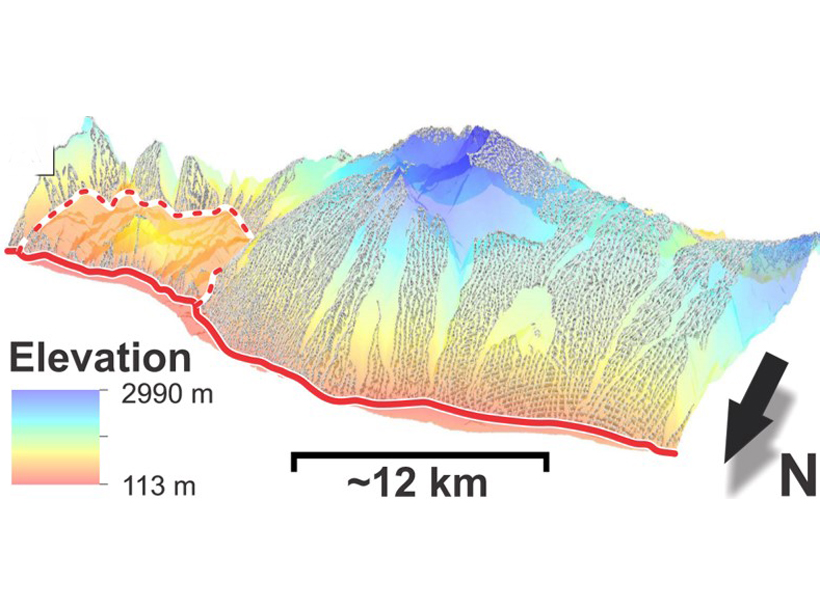
Low-angle Normal Fault in Papua New Guinea is Rolling Along
Geologic and geomorphic observations of an active low-angle normal fault reveal a rolling-hinge mechanism accommodating the exhumation of a metamorphic core complex in Papua New Guinea.

Posted inEditors' Highlights
Polar Vortex Deformations Change Tidal Weather in the Mesosphere
Wind observations made by a high-latitude radar network shed new light on the rapid response of atmospheric tides in the upper mesosphere to stratospheric sudden warmings.
Posted inEditors' Highlights
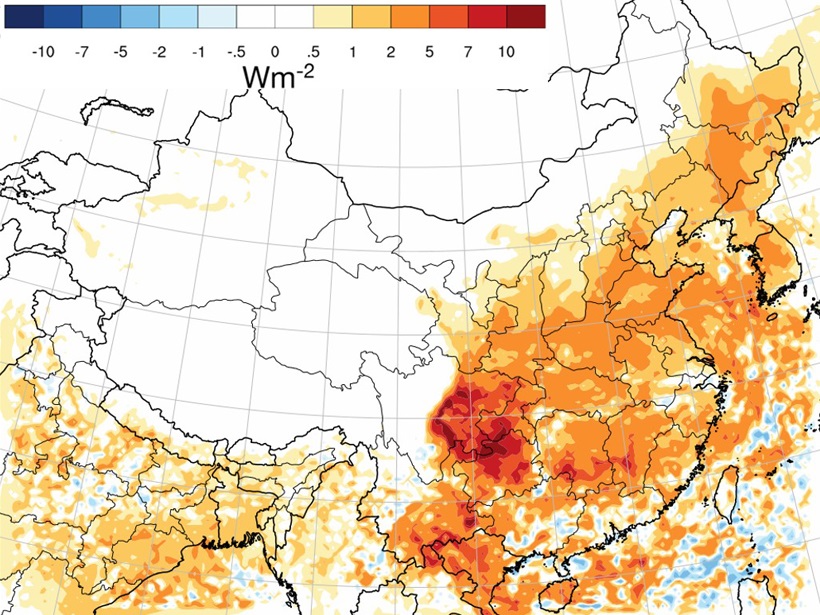
Household Cooking and Heating Affect Health and Climate in China
Black and organic particle emissions have significant impacts on both health and climate, and household cooking and heating activities may contribute substantially to these impacts in China.