
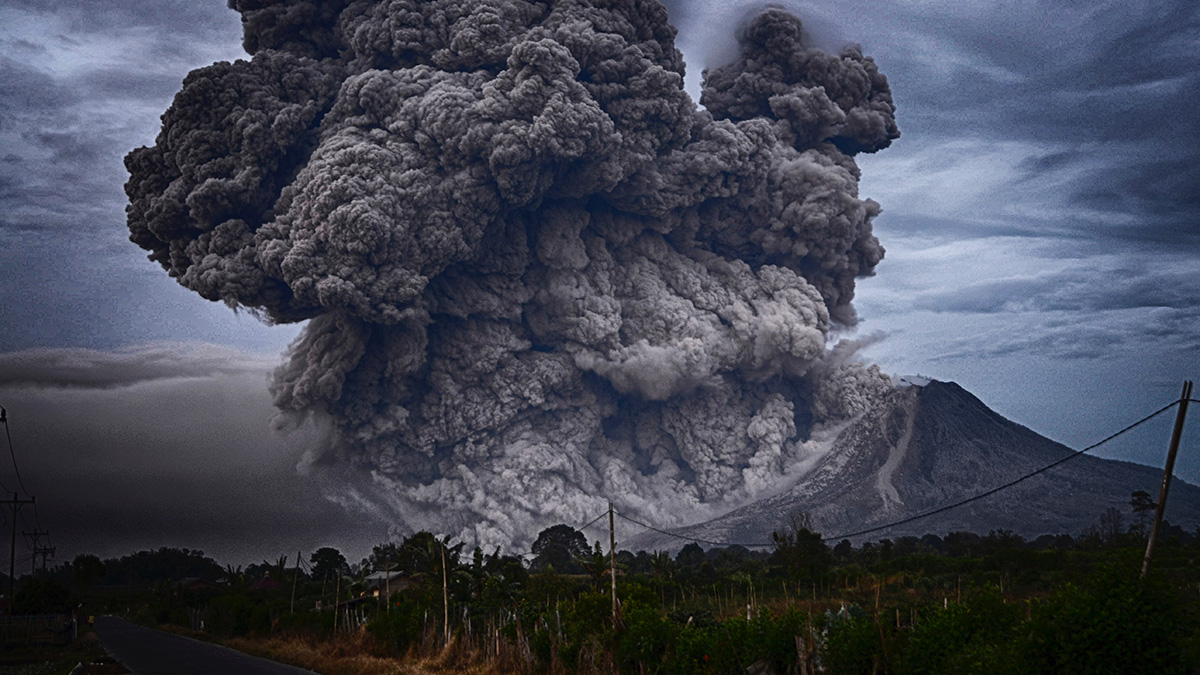
Weather records preserved by staff and students at Williams College reveal cool spells in New England after volcanic blasts in Indonesia and South Asia.
ENGAGE
Posted inENGAGE, News
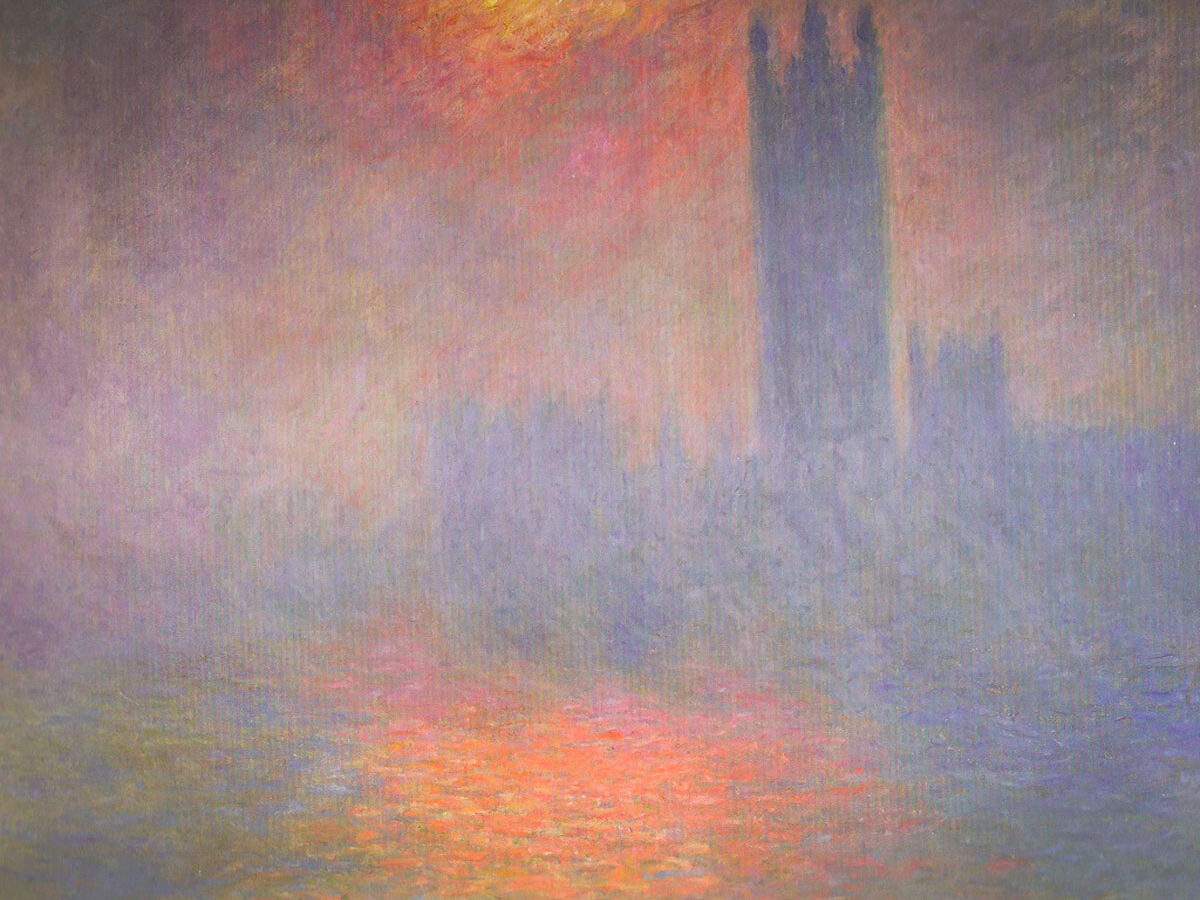
¿Estaban los maestros impresionistas retratando una realidad contaminada?
Análisis de imágenes sugiere que el estilo de los artistas evolucionó en sincronía con el incremento de la contaminación en el aire durante la Revolución Industrial.
Posted inENGAGE, News
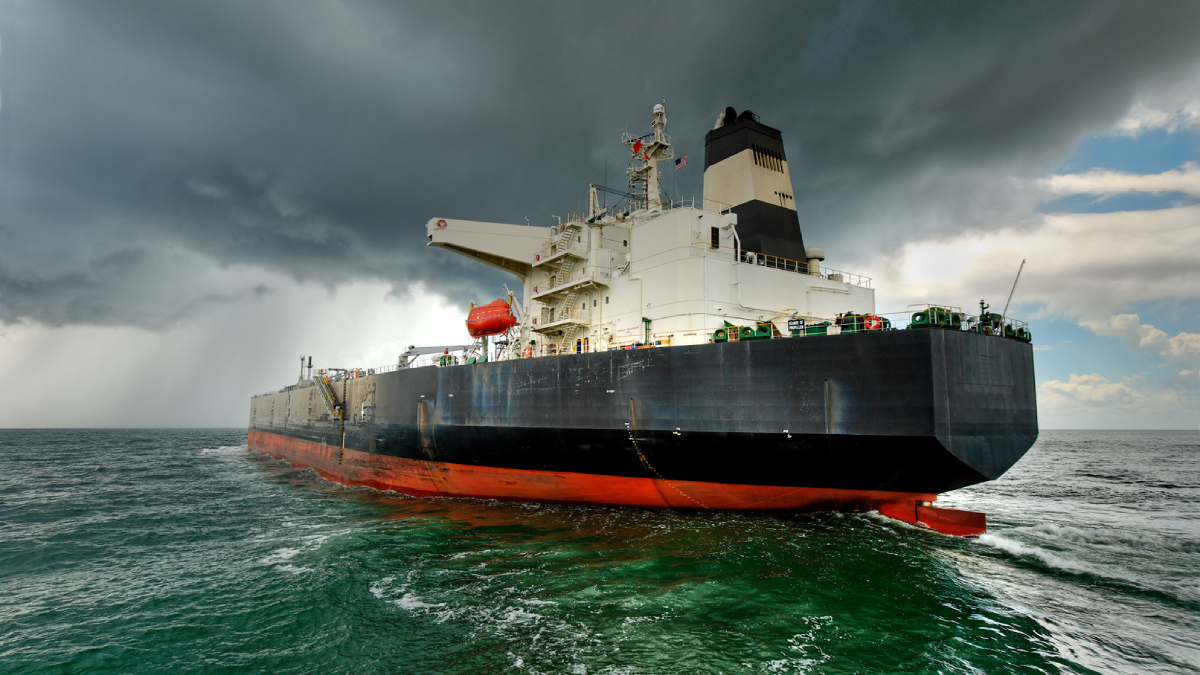
Seaports Could Lose $67 Billion Yearly from Natural Disasters

Small islands and low-income nations face the largest relative monetary losses to their ports and maritime trade.

Posted inENGAGE, News
The Role of Insurance in Climate Adaption

New research tests the promise of insurance to harden the U.S. economy to tropical storms.
Posted inENGAGE, News
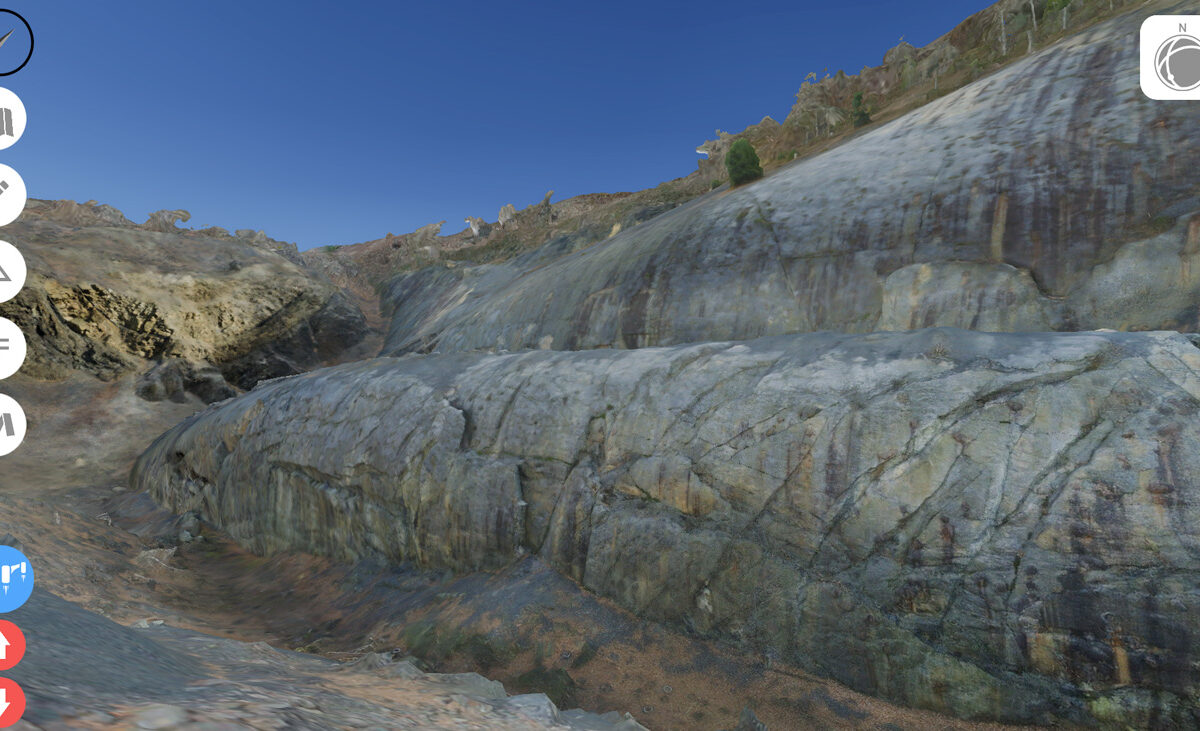
The Rise of Gaming-Based Virtual Field Trips
Geologists are harnessing a game engine to build environments for teaching and learning.

Posted inENGAGE, News
Deep-Sea Pressure Crushes Carbon Cycling
The extreme pressure in the deep sea stifles microbes’ appetite for organic carbon. This finding could have important implications for carbon budgets and geoengineering.

Posted inENGAGE, News
New Crowdsourced Science Project Will Study Sprites
The NASA-funded project is asking sky gazers, storm chasers, and scientists to capture photos of sprites and other optical phenomena that flash above thunderclouds after a lightning strike.

Posted inENGAGE, News
Were Impressionist Masters Painting a Polluted Reality?
Image analysis suggests that artists’ styles evolved in sync with increasing air pollution during the Industrial Revolution.
Posted inENGAGE, News
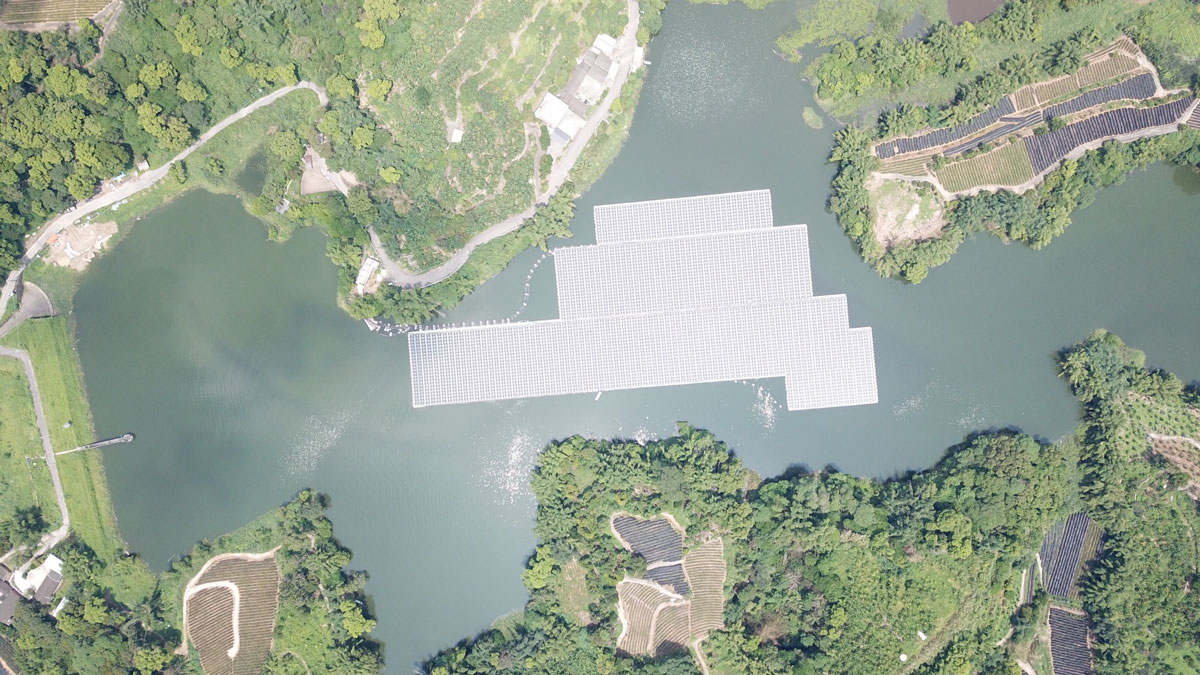
Could Floating Solar Panels Help Mitigate Climate Change?
“Floatovoltaics” are an emerging technology, but their environmental impacts are still unknown.

Posted inENGAGE, News
Glacial Ice Offers Polar Bears a Precarious Climate Refuge
An isolated polar bear population in southeastern Greenland survives in fjords, despite spotty sea ice. But this pocket of bears is not a sign of how the species could be saved.