• About
  • Special Reports
  • Topics
    • Climate
    • Earth Science
    • Oceans
    • Space & Planets
    • Health & Ecosystems
    • Culture & Policy
    • Education & Careers
    • Opinions
  • Projects
    • Postcards From the Field
    • ENGAGE
    • Editors’ Highlights
    • Editors’ Vox
    • Eos en Español
    • Eos 简体中文版
    • Print Archive: 2015–2025
  • Policy Tracker
  • Blogs
    • Research & Developments
    • The Landslide Blog
  • Newsletter
  • Submit to Eos
  • AGU.org
  • Career Center
  • Join AGU
  • Give to AGU
  • About
  • Special Reports
  • Topics
    • Climate
    • Earth Science
    • Oceans
    • Space & Planets
    • Health & Ecosystems
    • Culture & Policy
    • Education & Careers
    • Opinions
  • Projects
    • Postcards From the Field
    • ENGAGE
    • Editors’ Highlights
    • Editors’ Vox
    • Eos en Español
    • Eos 简体中文版
    • Print Archive: 2015–2025
  • Policy Tracker
  • Blogs
    • Research & Developments
    • The Landslide Blog
  • Newsletter
  • Submit to Eos
Skip to content
  • AGU.org
  • Career Center
  • Join AGU
  • Give to AGU
Eos

Eos

Science News by AGU

Support Eos
Sign Up for Newsletter
  • About
  • Special Reports
  • Topics
    • Climate
    • Earth Science
    • Oceans
    • Space & Planets
    • Health & Ecosystems
    • Culture & Policy
    • Education & Careers
    • Opinions
  • Projects
    • Postcards From the Field
    • ENGAGE
    • Editors’ Highlights
    • Editors’ Vox
    • Eos en Español
    • Eos 简体中文版
    • Print Archive: 2015–2025
  • Policy Tracker
  • Blogs
    • Research & Developments
    • The Landslide Blog
  • Newsletter
  • Submit to Eos

ENGAGE

A scientist wearing a safety vest and a blue hard hat squats alongside a stream, taking notes in a notebook. The stream cuts through a glacier covered in dark gray sediment.
Posted inENGAGE, News

Microbe Goo Could Help Guide the Search for Life on Mars

by Grace van Deelen 8 December 20238 December 2023

Sticky substances secreted by microbes may help create landforms on Earth. And new research shows that these substances are more preserved in iron-rich sediment. Mars is decidedly iron-rich (it’s the Red Planet, after all), so the new study adds to evidence that microbe goo could help researchers explain landform creation there. “I think this is […]

A portion of a cream-colored planet covered with pale swirls and partially in shadow is shown against the blackness of space broken by pinpoints of light. A hazy atmosphere is visible around the planet.
Posted inENGAGE, News

These Four Exoplanets Have Wild, Rocky Weather

by Elise Cutts 7 December 20237 December 2023

On many exoplanets, conditions are so exotic that minerals form clouds and fall as rain. Recent studies revealed the rocky weather on these four exoplanets in more detail than ever before.

A boxy remotely operated vehicle is lowered by crew in yellow hard hats into the ocean off CCGS Amundsen.
Posted inENGAGE, News

Local Fishers Help Uncover Coral Clinging to Underwater Cliffs

by Andrew Chapman 6 December 20236 December 2023

Their knowledge led to more accurate seafloor maps and a hidden trove of biodiversity in the Labrador Sea.

A pipe brings water into a stream.
Posted inENGAGE, News

Even Treated Sewage Harms Freshwater Ecosystems

by Erin Martin-Jones 15 November 202328 November 2023

In a controlled experiment, researchers diverted wastewater from an advanced treatment facility into a healthy stream and monitored the unfolding ecological effects.

Llamas walking along a rocky landscape in front of a retreating glacier in Cordillera Blanca, northern Peru.
Posted inENGAGE, News

How Llama Poop Is Helping an Andean Community Adapt to Melting Glaciers

by Sofia Moutinho 9 November 202317 November 2023

Reintroducing these animals can enrich barren soils and potentially reduce water contamination, a study shows.

A map of what Pangea Ultima, which should form in about 250 million years, will look like
Posted inENGAGE, News

Future Supercontinent Will Be Inhospitable for Mammals

by Rebecca Owen 8 November 20238 November 2023

Pangea returns in 250 million years, and it’s not looking good for us.

An image of Mars.
Posted inENGAGE, News

Five Martian Mysteries That Have Scientists Scratching Their Heads

by Matthew R. Francis 2 November 20232 November 2023

Despite centuries of study and many spacecraft visits, the Red Planet still holds secrets. Here are just a few.

An overhead view of an open pit mine
Posted inENGAGE, News

Millions Likely Live in Areas Contaminated by Mining Runoff

by Nathaniel Scharping 1 November 20231 November 2023

Heavy metal contaminants from mining can live in ecosystems for centuries. A new global database shows where the problem is worst.
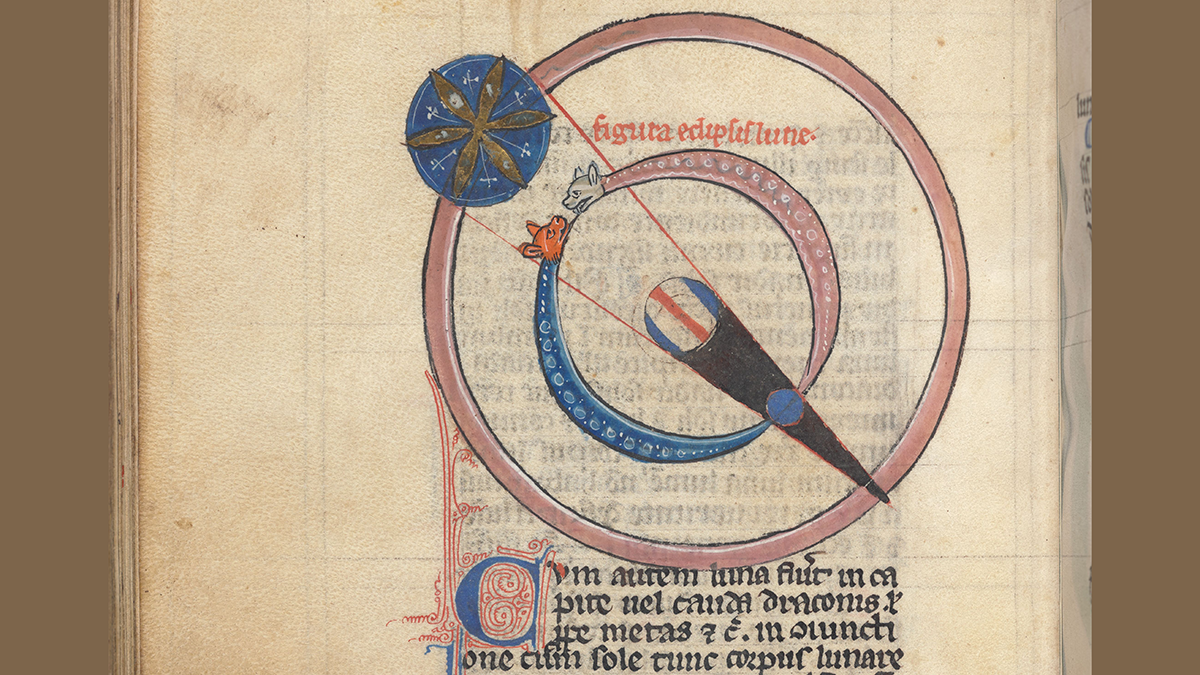
Una página de un texto antiguo con un dibujo de círculos y otras formas representando un eclipse.
Posted inENGAGE, News

Registros de eclipses fechan erupciones volcánicas de los siglos XII y XIII

by Kate Evans 30 October 202330 October 2023

Registros antiguos de lunas oscuras y lunas de sangre ayudan a los científicos a vislumbrar erupciones pasadas y sus efectos en el clima global.
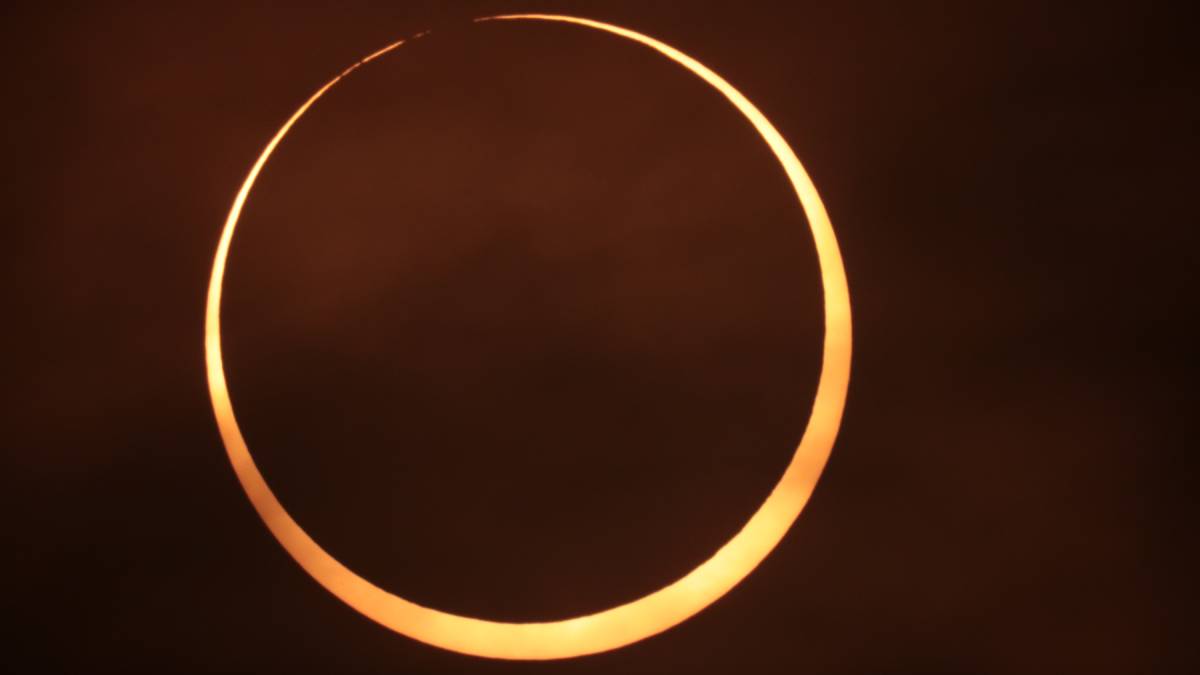
A ring of fire annular solar eclipse just before maximum eclipse on a burnt orange sky.
Posted inENGAGE, News

Ham Radios Crowdsourced Ionospheric Science During Eclipse

Kimberly M. S. Cartier, News Writing and Production Intern for Eos.org by Kimberly M. S. Cartier 26 October 202310 April 2024

Amateur radio operators who study space physics and the upper atmosphere probed the ionosphere’s response to the 2023 annular solar eclipse using shortwave transmissions.

Posts pagination

Newer posts 1 … 4 5 6 7 8 … 26 Older posts
Over a dark blue-green square appear the words Special Report: The State of the Science 1 Year On.

Features from AGU Publications

Research Spotlights

Rapid-Scan Satellite Data Offer Clues to Typhoon Intensity

17 November 202617 November 2026
Editors' Highlights

Rethinking Where Rivers Begin

18 November 202616 November 2026
Editors' Vox

Bringing Python Solutions to Earth Science Challenges

19 November 202619 November 2026
Eos logo at left; AGU logo at right

About Eos
ENGAGE
Awards
Contact

Advertise
Submit
Career Center
Sitemap

© 2026 American Geophysical Union. All rights reserved Powered by Newspack