

The American Geophysical Union can lead the way in building an environment where sexual and other types of harassment have no place.
Opinions
Posted inOpinions
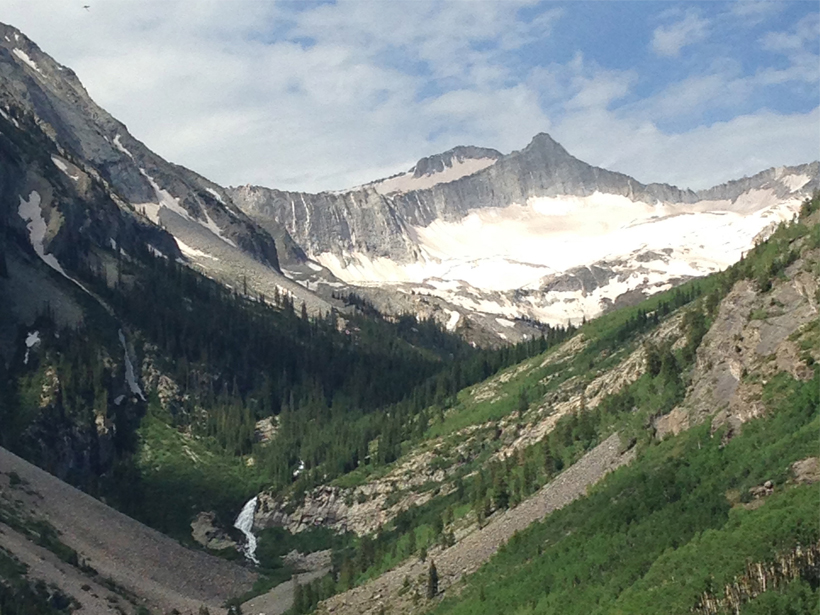
Understanding Ecosystem Services from a Geosciences Perspective
Assessment of ecosystem services—the benefits society receives from ecosystems—can be improved by including broader spatial and temporal scales of geosciences perspectives.

Posted inOpinions
Call Scientists Before Disaster Strikes
When governments respond to natural disasters, experts with some of the greatest potential to help—scientists—are often missing in action. It's time to change that.

Posted inOpinions
Geochronology: It's About Time
Chronology is at the heart of all geosciences, but its ubiquity has given it an image of a useful tool rather than a foundational discipline of its own.
Posted inOpinions
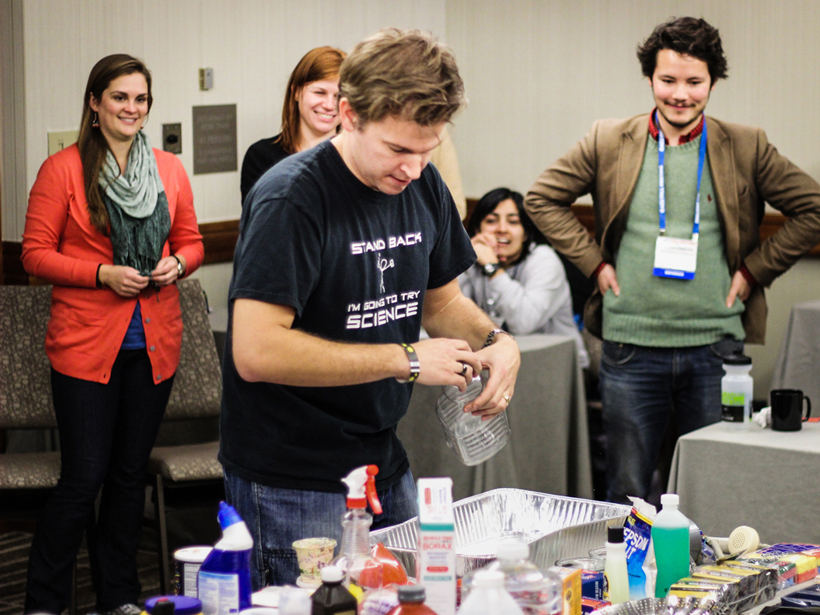
Creating Community for Early-Career Geoscientists
Student involvement in geoscience unions: A case study from hydrology

Posted inOpinions
Invest in Scientific Research to Drive Innovation
A U.S. senator from Michigan implores his colleagues to increase funding for scientific research that will transform the economy and enhance competitiveness in the global market.

Posted inOpinions
The Importance of Data Set Provenance for Science
Data do not exist in a vacuum. To be useful, data must be accompanied by context on how they are captured, processed, analyzed, and validated and other information that enables interpretation and use.

Posted inOpinions
Taking the Pulse of the Earth's Surface Systems
As human activity alters the Earth's surface environment in unprecedented ways, a comprehensive survey campaign is necessary to predict future impacts.
Posted inOpinions
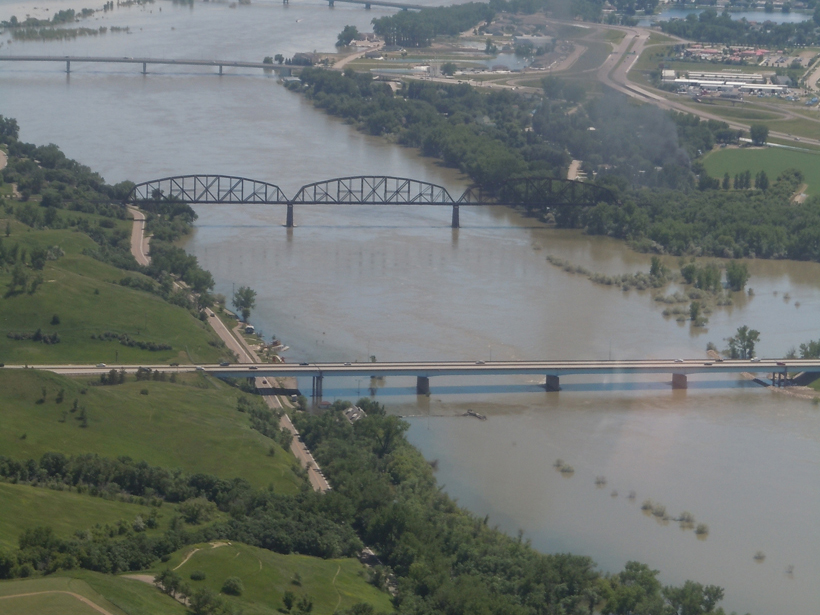
What Is the Anthropocene?
Geologists must consider whether the Anthropocene is a specific segment in the continuum of time or a holistic concept.
Posted inOpinions
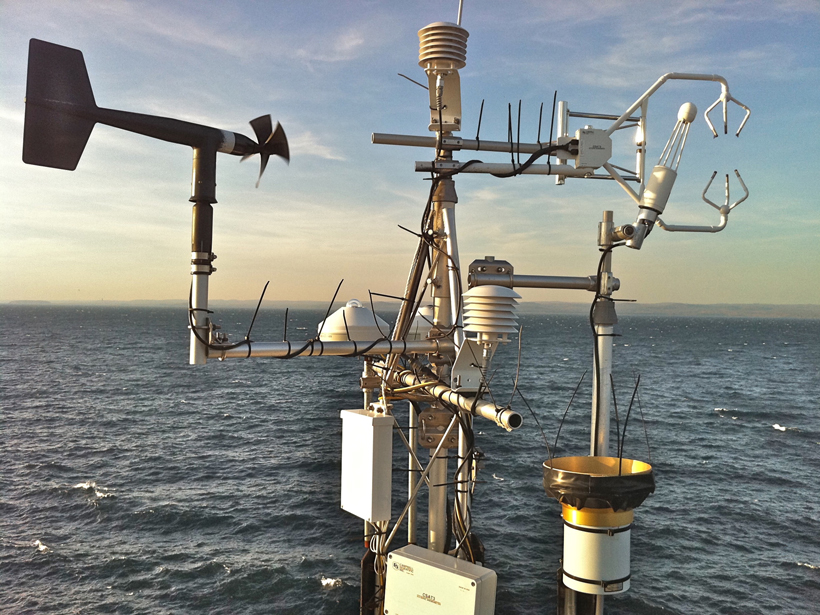
Managing the Carbon Cycle Requires Strong Science
For future climate change mitigation strategies to be effective, carbon cycle science must receive a major boost.