

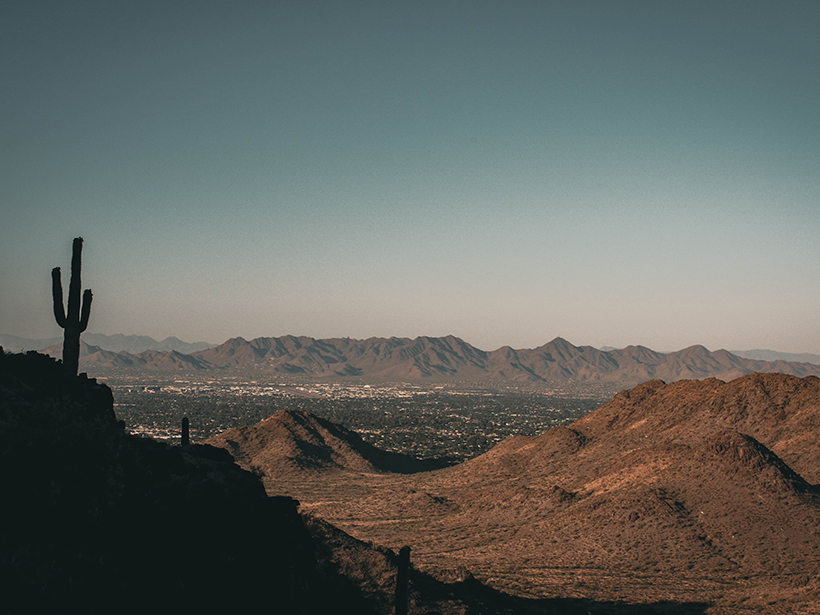
New aircraft survey data show that although atmospheric chemistry above remote ocean regions is a considerable source of methanol production, the ocean’s net methanol emission is minor.
2021 AGU

Posted inAGU News
Crossing the Shoreline

As the decade-long GeoPRISMS program comes to an end this spring, Eos’s April issue features just a few its accomplishments.

Posted inNews
Rocket Mission Conjures a Ghostly Noctilucent Cloud

Night-shining clouds can be diagnostic tools to better understand how human activity is changing the meteorology of the mesosphere.
Posted inNews
Racist Slurs in Place-Names Have to Go, Say Geoscientists

An open letter from geoscientists supports a bill to remove racist slurs from federally recognized lakes, creeks, canyons, and other small landforms.
Posted inResearch Spotlights
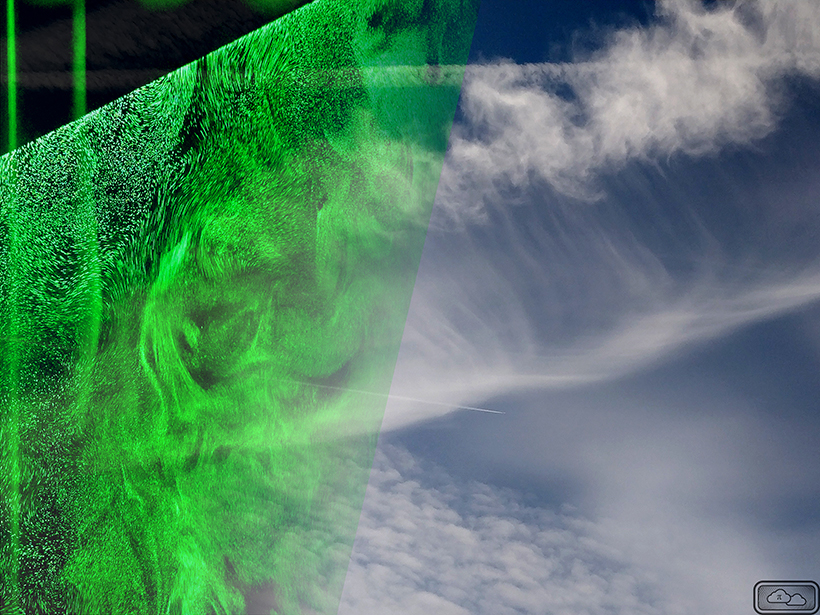
Atmospheric Turbulence May Promote Cloud Droplet Formation
Turbulence causes local variations in relative humidity, which can push particles past a critical saturation threshold for droplet nucleation.


Posted inResearch Spotlights
How Did Diatoms Evolve to Swap Zinc for the Toxic Metal Cadmium?

New network analysis suggests that zinc and cadmium sulfides weathered simultaneously in geological history, making cadmium a suitable substitute in photosynthetic pathways when zinc was scarce.

Posted inNews
El Monte Everest a veces puede sentirse más bajo que el K2

Las variaciones de la presión atmosférica en la cima del Everest afectan a la disponibilidad de oxígeno, modificando la percepción de la elevación de la cumbre unos cientos de metros.

Posted inResearch Spotlights
The First Angstrom-Scale View of Weathering
Researchers observe how water vapor and liquid alter sedimentary rocks through physical and chemical processes.
Posted inResearch Spotlights
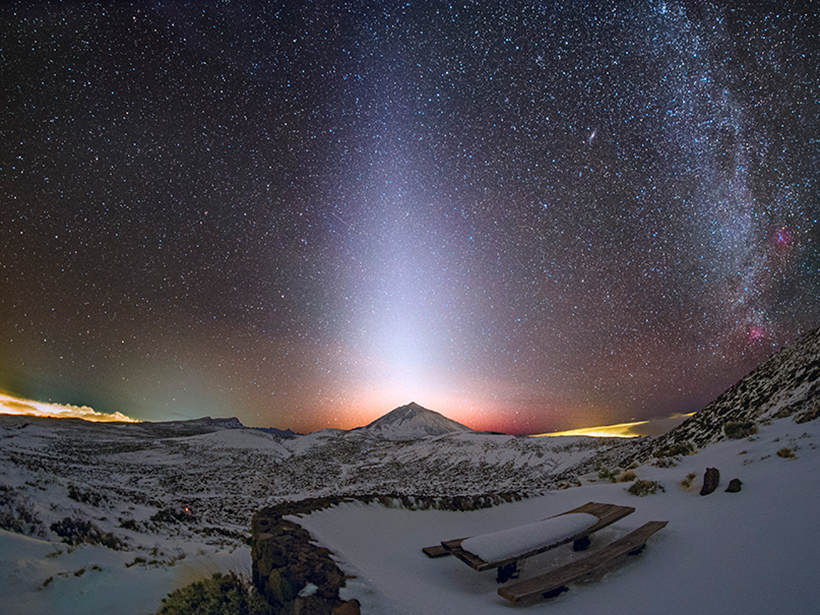
The Space Dust That Causes Zodiacal Light Might Come from Mars
Serendipitous observations by the Juno spacecraft while it was en route to Jupiter suggest a Martian source for the dust, but how the dust escapes Mars or its moons remains unknown.