
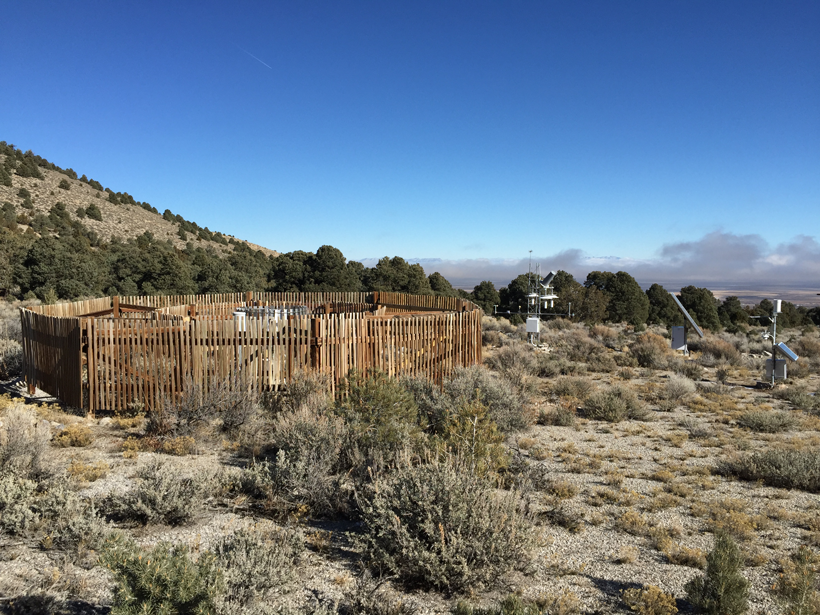
Researchers hope that a network of highly consistent climate-observing sites will resolve long-standing issues with climatological data.
2021 CC BY-NC-ND
Posted inEditors' Highlights
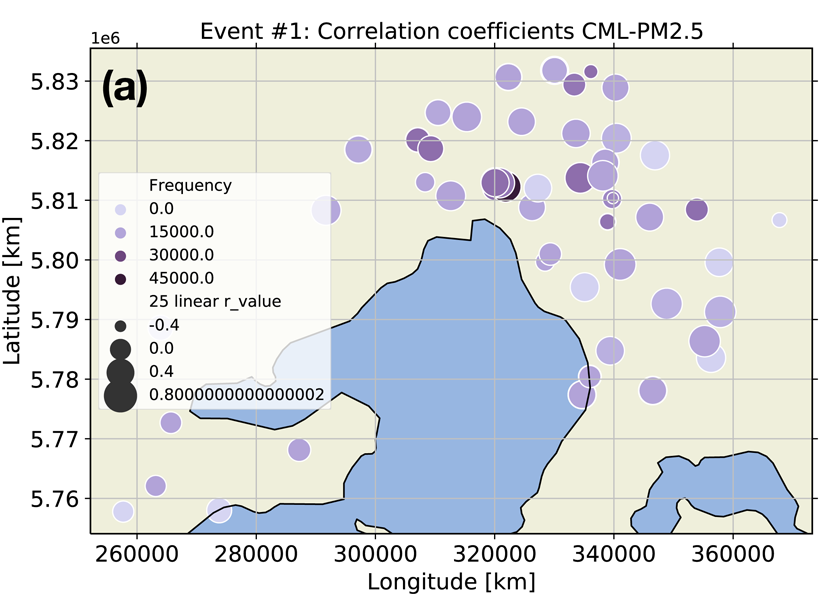
New Data on Smoke Particulates from Cellular Radio Signals
Through analyzing radio links signal levels, retrieved surface smoke particulate concentrations can complement limited datasets from air quality stations in improving impacts analyses for wildfires.
Posted inNews
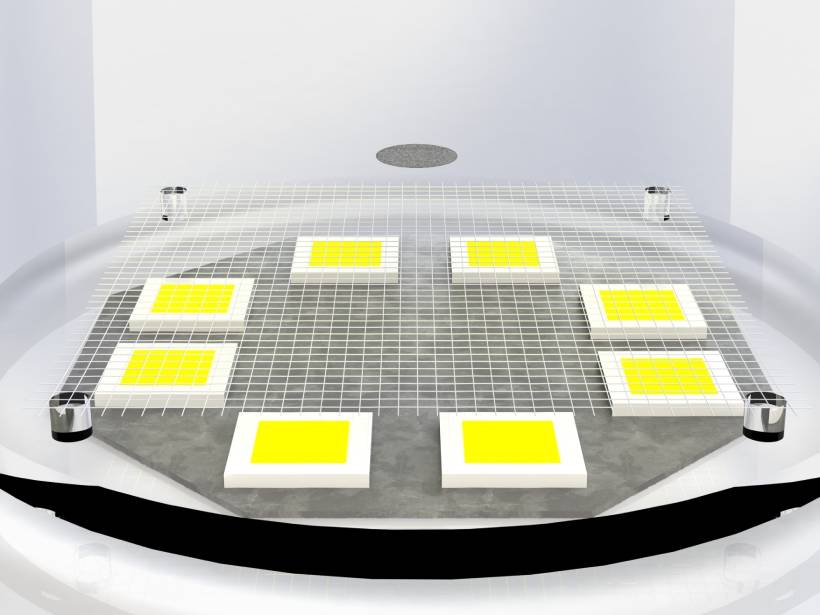
Flying Saucers Could One Day Probe the Mesosphere

Researchers have created thin, levitating disks that could be used to study the mesosphere, a layer of Earth’s atmosphere that’s difficult to reach with conventional flyers.
Posted inFeatures
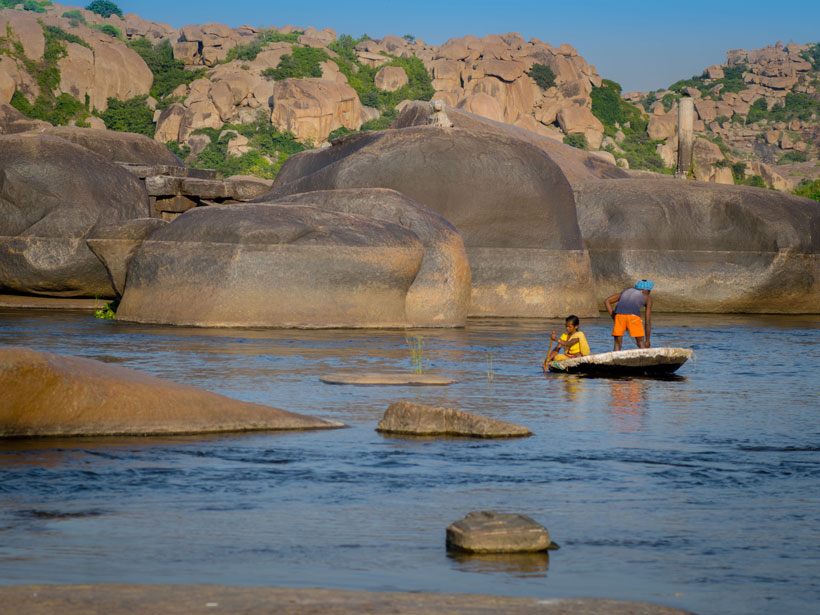
Cratons, Why Are You Still Here?
How have these continental relics from Earth’s early history survived the plate tectonic mixing machine?

Posted inScience Updates
Earth’s Volatile Balancing Act
How do greenhouse gases and water circulate from minerals deep below Earth’s surface into the atmosphere and oceans—and then back again? Our understanding continues to evolve.
Posted inScience Updates
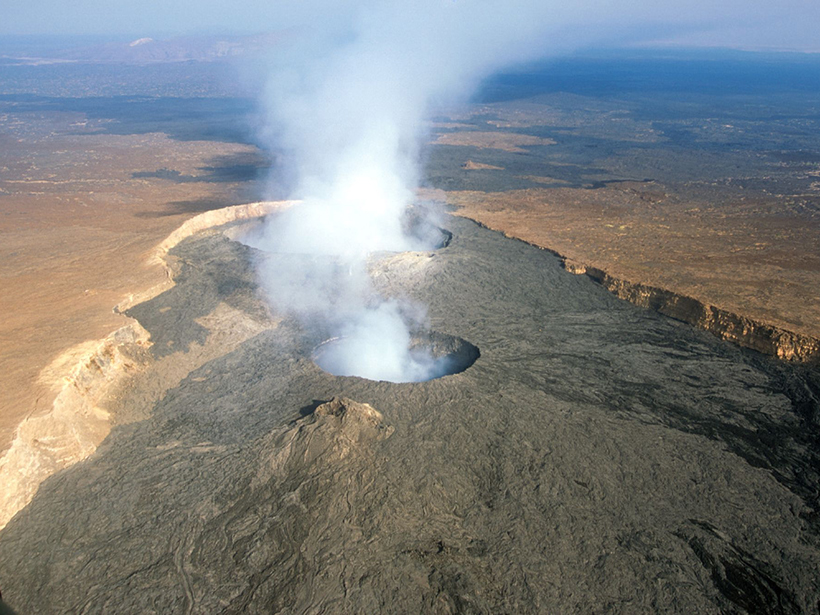
Breaking Up Is Hard to Do, Especially for Continents
A decade-long research collaboration has revealed that the split between Africa and North America roughly 200 million years ago was more drawn out than previously thought.
Posted inScience Updates
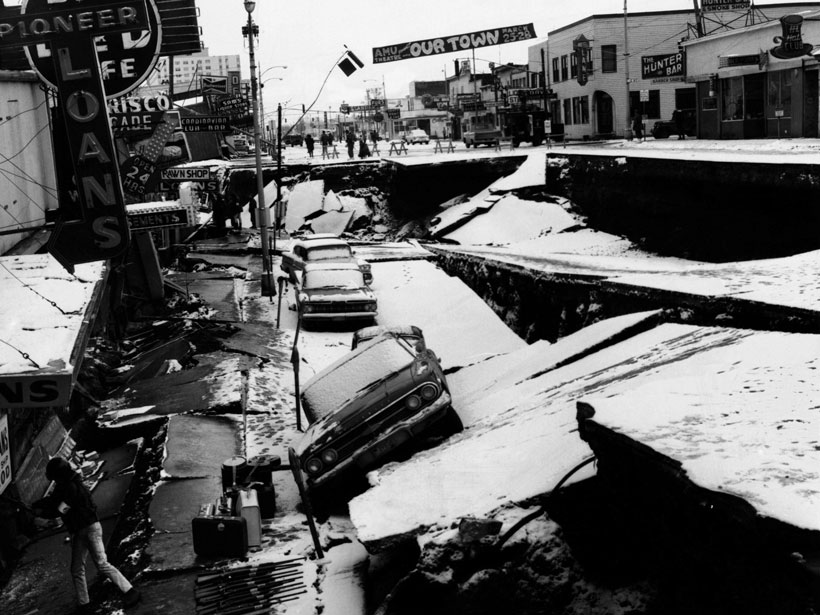
Slipping and Locking in Earth’s Earthquake Factories
Geodetic observations collected during back-to-back decadal research campaigns have revealed crucial new insights into the start–stop and slow-motion behavior of subduction zones.
Posted inOpinions
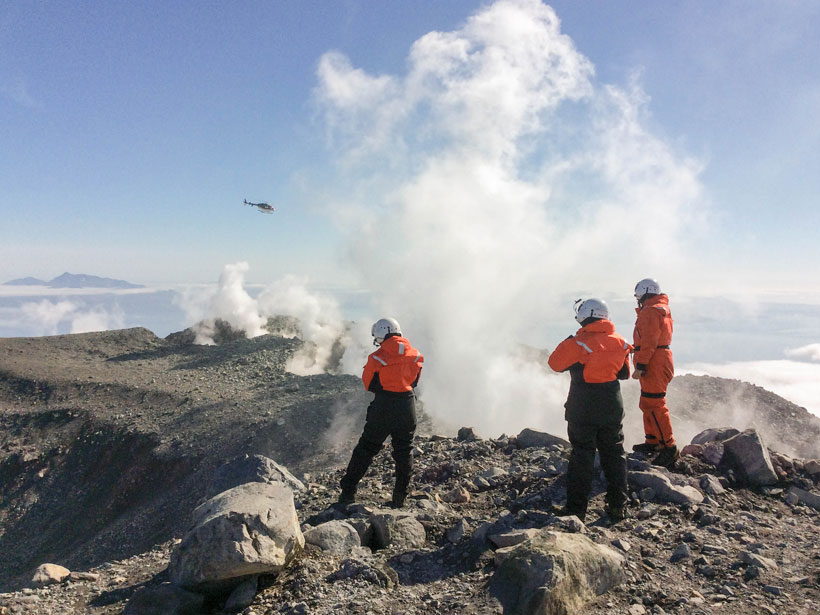
A Successful Model for Interdisciplinary Research
Over the past decade, the GeoPRISMS program has greatly expanded understanding of shoreline-spanning Earth systems processes and fostered a vibrant and increasingly diverse community of researchers.
Posted inEditors' Highlights
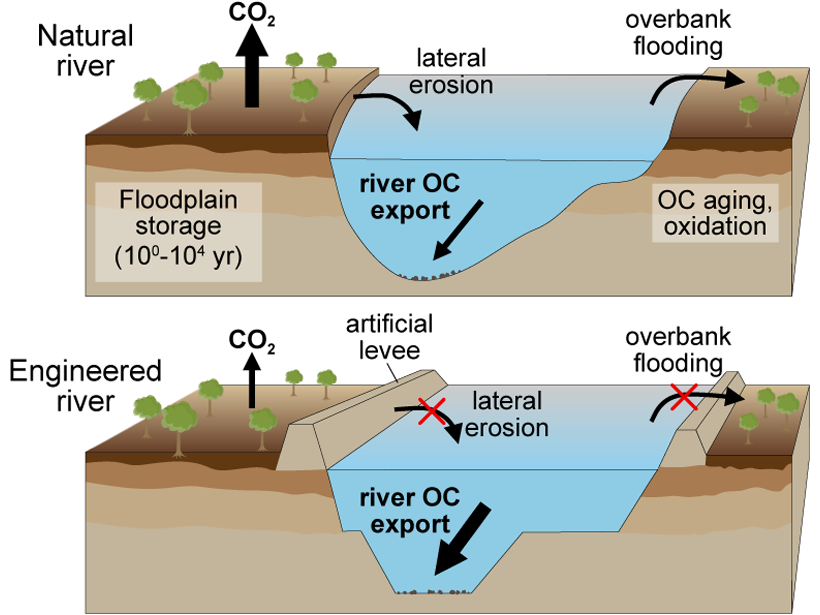
How River Engineering Alters Carbon Cycling
Artificial levees in the Lower Mississippi River bypass floodplain processing and increase delivery of carbon to the ocean.
Posted inNews
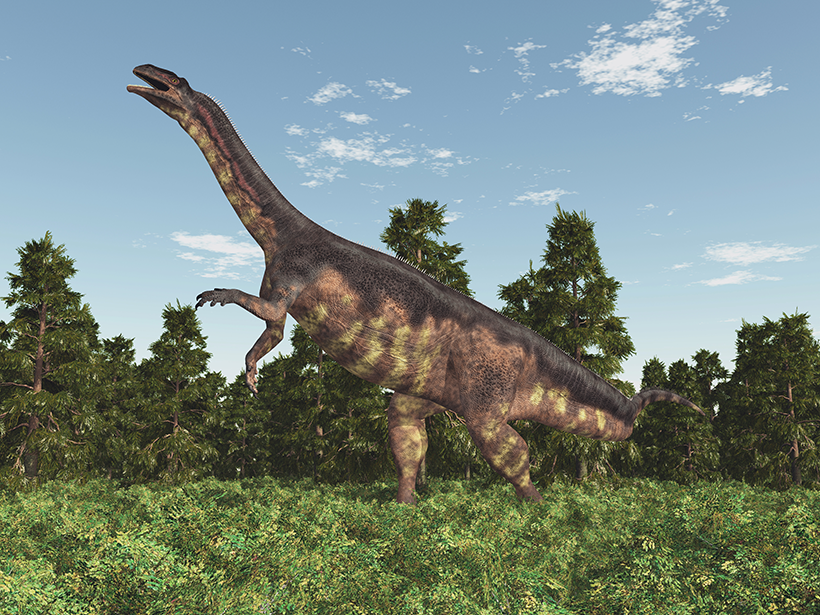
A Dip in Atmospheric Carbon May Have Facilitated Dinosaur Dispersal

Herbivorous dinosaurs migrated north across Pangea beginning about 214 million years ago, coincident with a downturn in atmospheric carbon dioxide levels.