
Editors’ Highlights are summaries of recent papers by AGU’s journal editors.
Source: Geophysical Research Letters
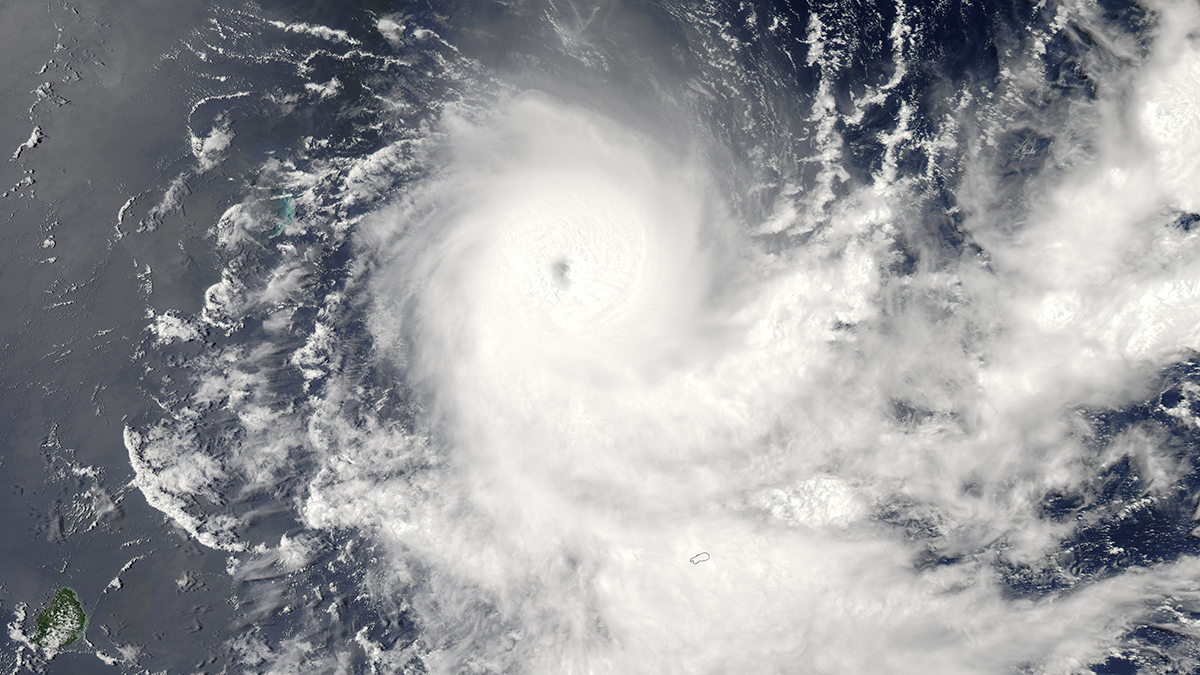
Tropical cyclones are a key focus of climate research, but models often disagree on storm behavior even with identical sea surface temperature data. Mahoney et al. [2026] identify a major, overlooked factor: temperature biases at the tropopause. Cooler tropopause temperatures strengthen storms by cooling their upper-level outflow, boosting their potential intensity. In model experiments, this effect increased global cyclone frequency by 35% and North Atlantic hurricane frequency by 80%. The findings reveal that upper-atmosphere temperatures are as critical as ocean surface temperatures for accurate storm prediction, refining future climate projections, and risk preparation worldwide.
Citation: Mahoney, A. D., Soden, B. J., Zhang, B., & Vecchi, G. (2026). The Influence of tropopause temperature biases on climate model simulations of tropical cyclones. Geophysical Research Letters, 53, e2025GL120545. https://doi.org/10.1029/2025GL120545
—Hui Su, Editor, Geophysical Research Letters