

AGU journals host a new living special collection on diversity, equity, and inclusion in the geosciences and invite additional contributions to grow this collection.
Editors’ Vox
Posted inEditors' Vox
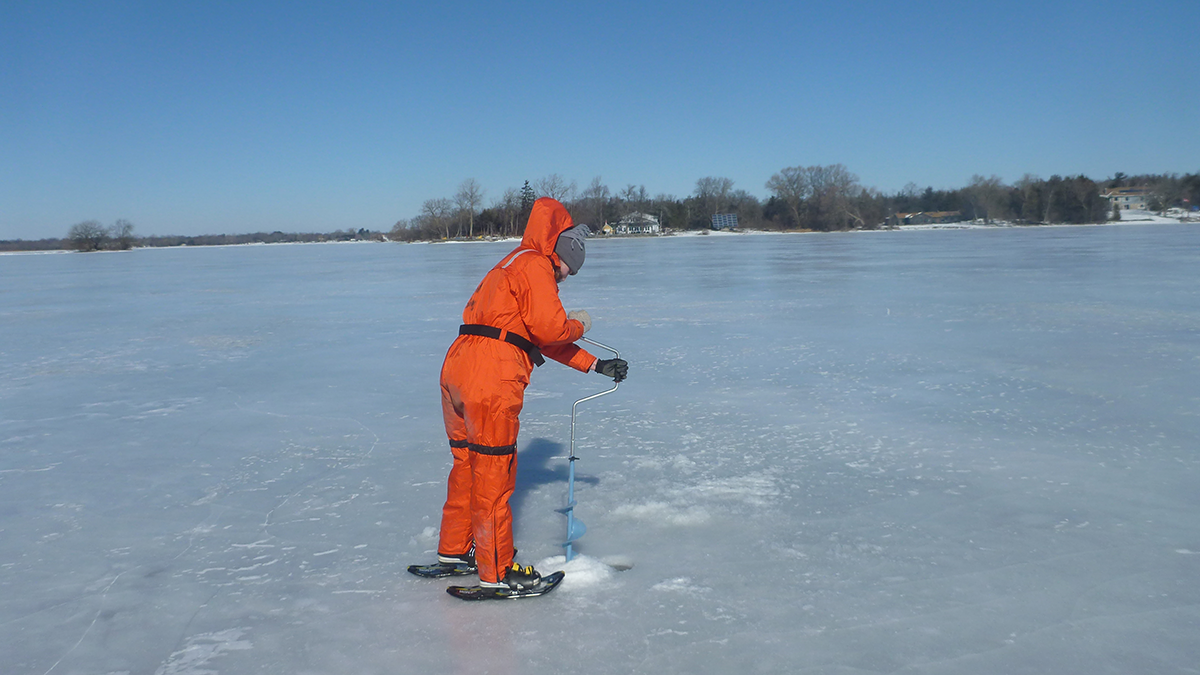
A Future Without Ice Cover
Winter is fading away, but the answers may be beneath the ice; a new collection on winter limnology tackles the unknowns.
Posted inEditors' Vox
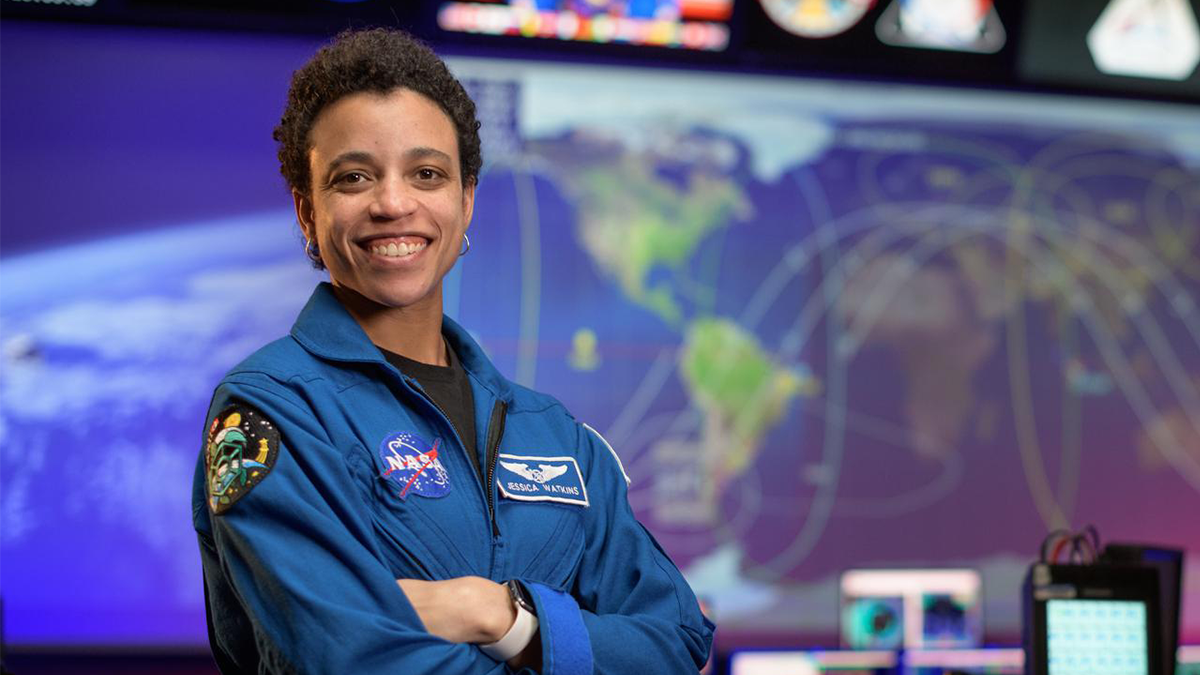
JGR: Planets Author Aboard the International Space Station
NASA Astronaut and planetary geologist Dr. Jessica Watkins recently published her post-doctoral Mars research in JGR: Planets, just prior to heading to the International Space Station.
Posted inEditors' Vox
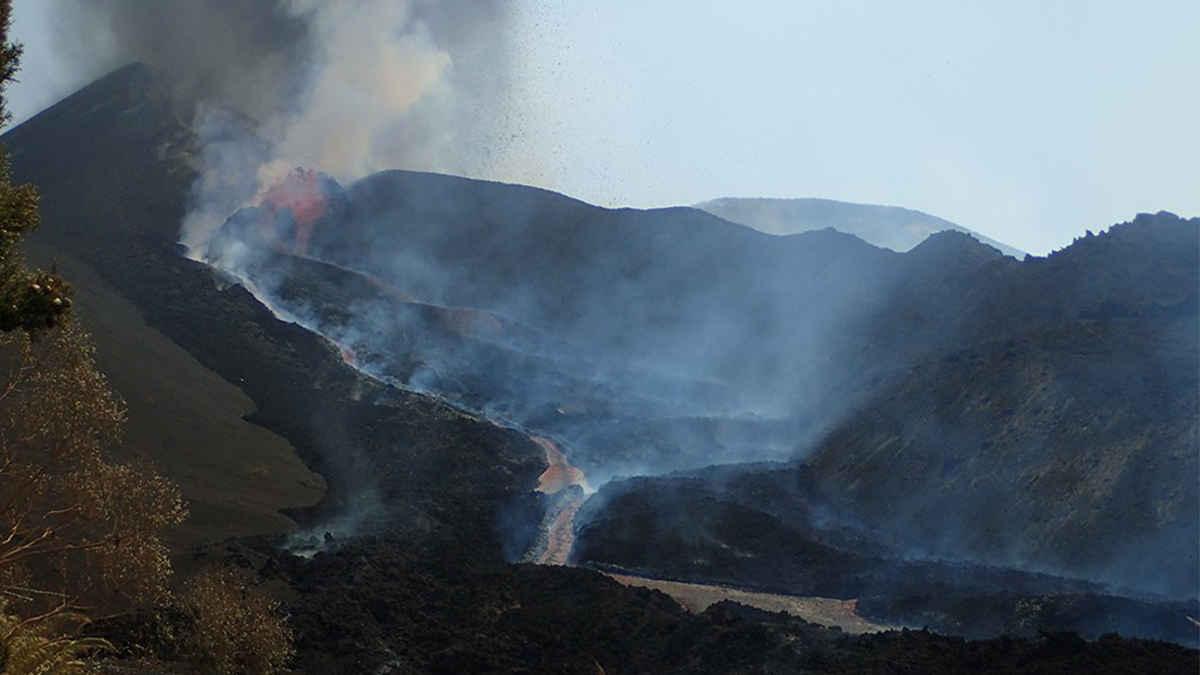
Dynamics of Volcanic Processes
A new cross-journal special collection invites contributions on modern approaches used to investigate dynamics of volcanic processes.

Posted inEditors' Vox
Mysteries of the Global Carbon Cycle
Less than half of the anthropogenic carbon dioxide remains in the atmosphere to drive climate change. The rest is being removed by mysterious processes in the land, biosphere, and ocean.
Posted inEditors' Vox
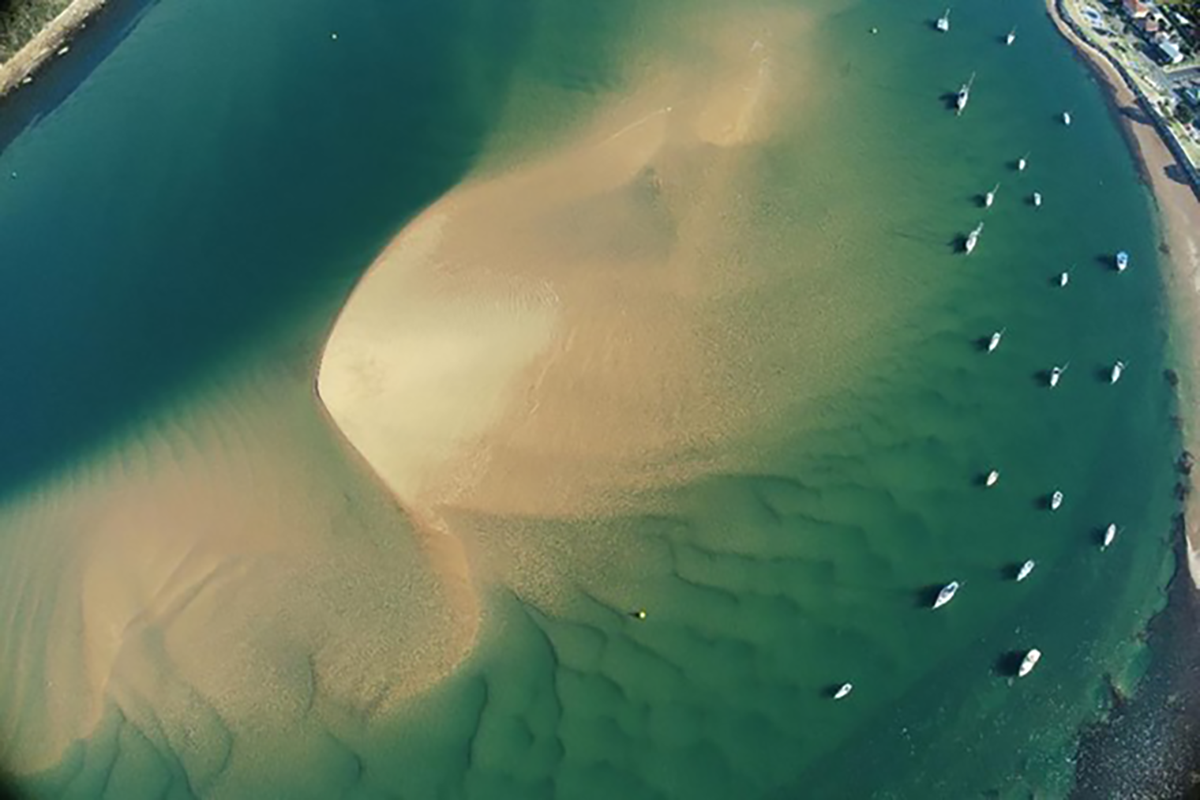
Can We Better Predict Coastal Change?
A new special collection invites studies on a new era of models and knowledge that provide predictions or insights into predictability in coastal geomorphology.

Posted inEditors' Vox
The Big Data Revolution Unlocks New Opportunities for Seismology
The field of seismology is entering a new era where our understanding of earthquakes and the solid earth is increasingly driven by new Big Data experiments and algorithms.
Posted inEditors' Vox
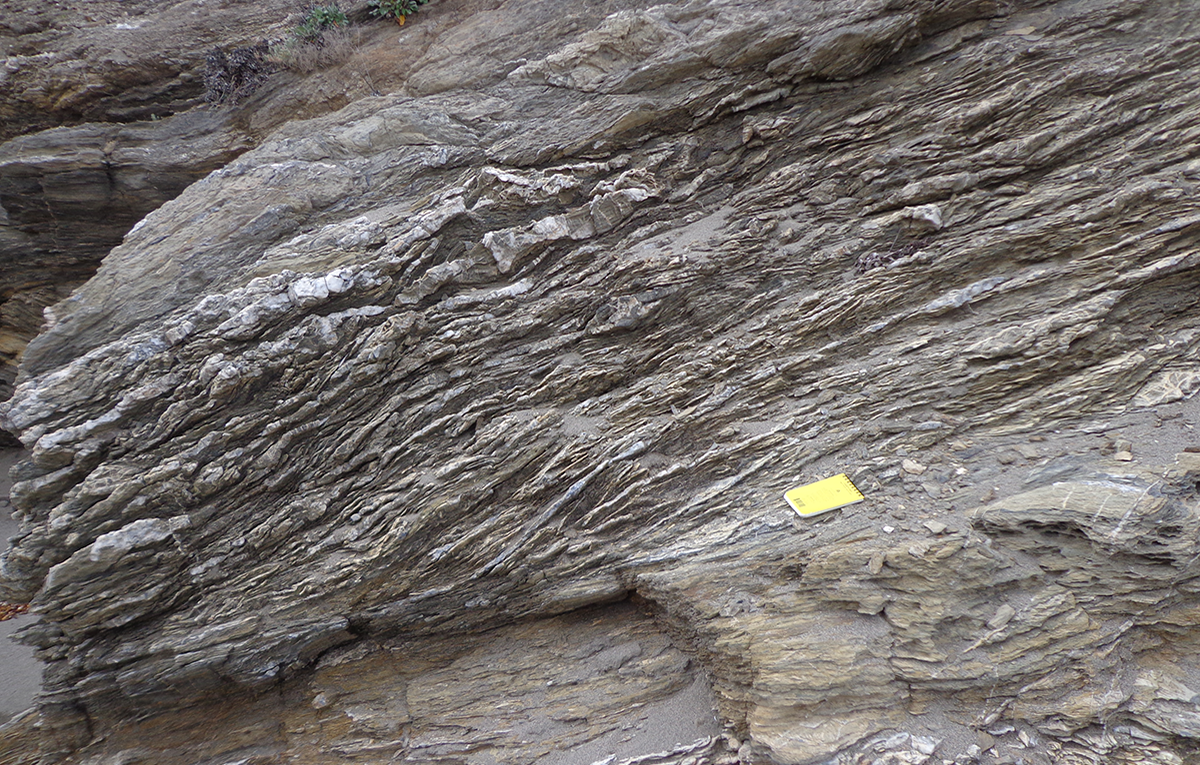
The Kinetics of the Seismic Cycle
Large earthquakes are necessarily punctuated by some degree of strength recovery, such as “fault healing”, but does quartz cementation during fluid-fault interactions facilitate that process?

Posted inEditors' Vox
Mountains Undergo Enhanced Impacts of Climate Change
As climate change persists, amplified temperature increases in mountains and changes in precipitation will diminish snow and ice.

Posted inEditors' Vox
Understanding and Utilizing the Fractured Earth
The prediction of flow and transport in fractured rock is one of the great challenges in the Earth and energy sciences with far-reaching economic and environmental impacts.