
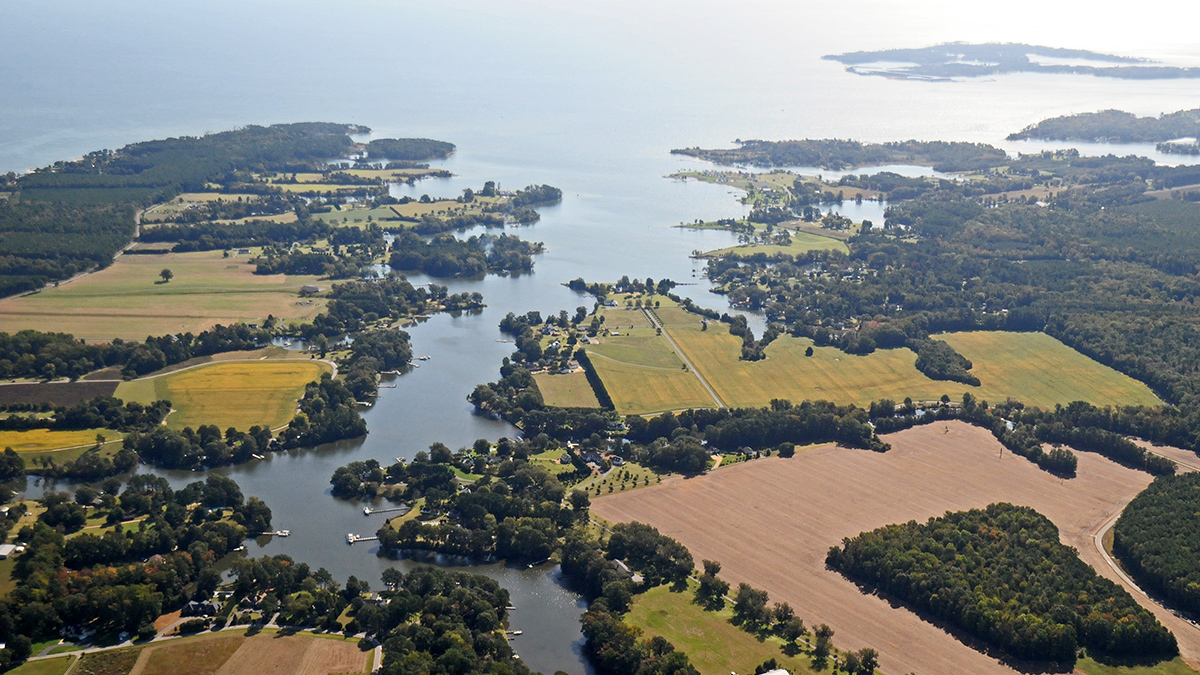
Factors ranging from rainfall to nutrient runoff to changing mining and agricultural practices drove decades-long pH trends in the Chesapeake Bay.
Research Spotlights
Research spotlights are plain-language summaries of recent articles published in AGU’s suite of 24 journals.

Posted inResearch Spotlights
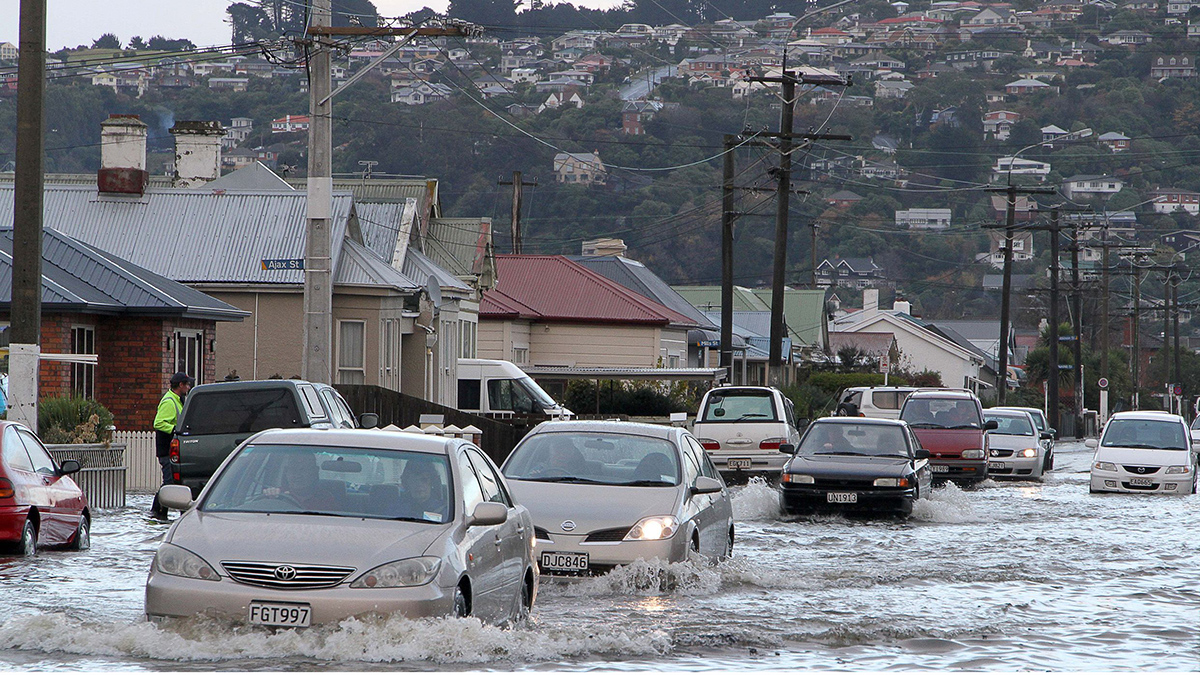
Storm Prediction Gets 10 Times Faster Thanks to AI
Forecasters hope new algorithms will lead to earlier warnings of when dangerous weather is on the way.

Posted inResearch Spotlights
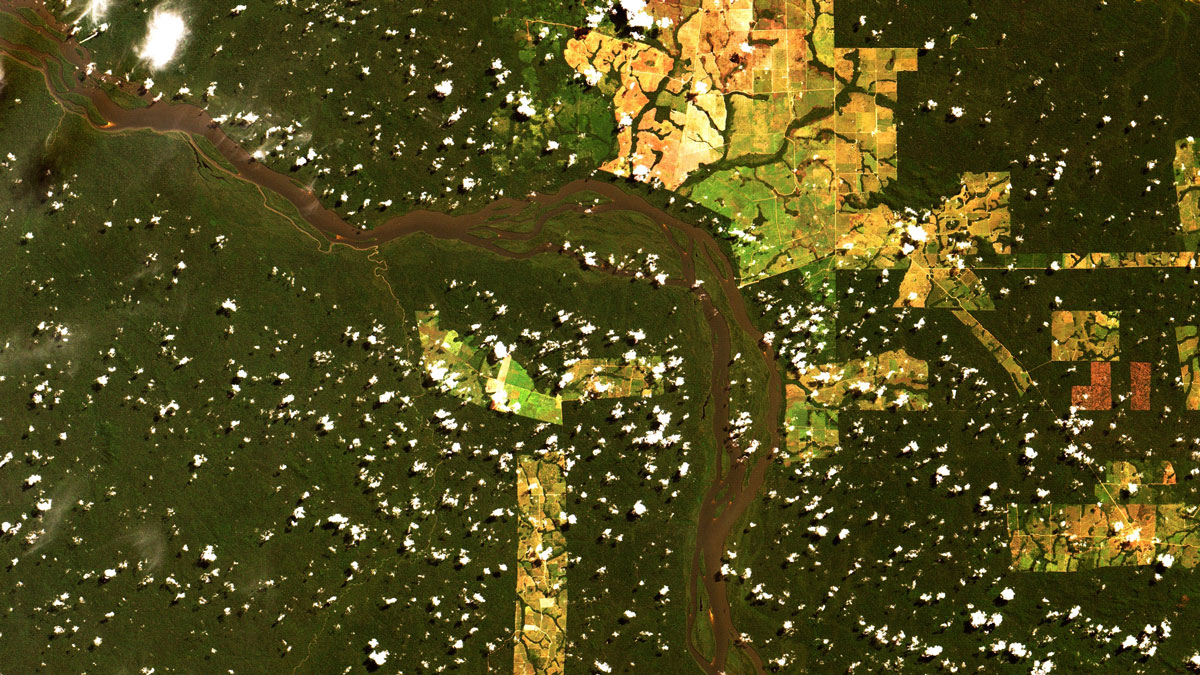
Deforestation Is Reducing Rainfall in the Amazon

Researchers found that between 2002 and 2015, a 3.2% reduction in Brazilian forest cover led to a 5.4% reduction in precipitation levels.
Posted inResearch Spotlights
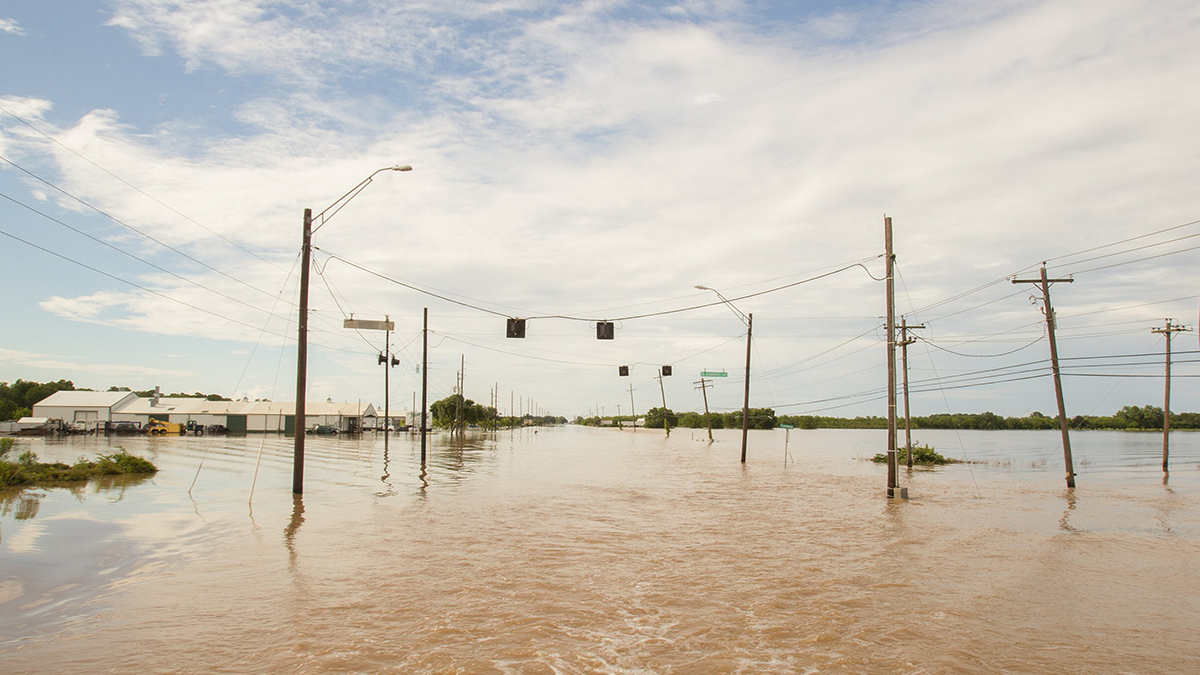
Scientists Reveal Hidden Heat and Flood Hazards Across Texas
A wider swath of the Lone Star State may be affected by more heat and flood events than previous recordkeeping suggests.
Posted inResearch Spotlights
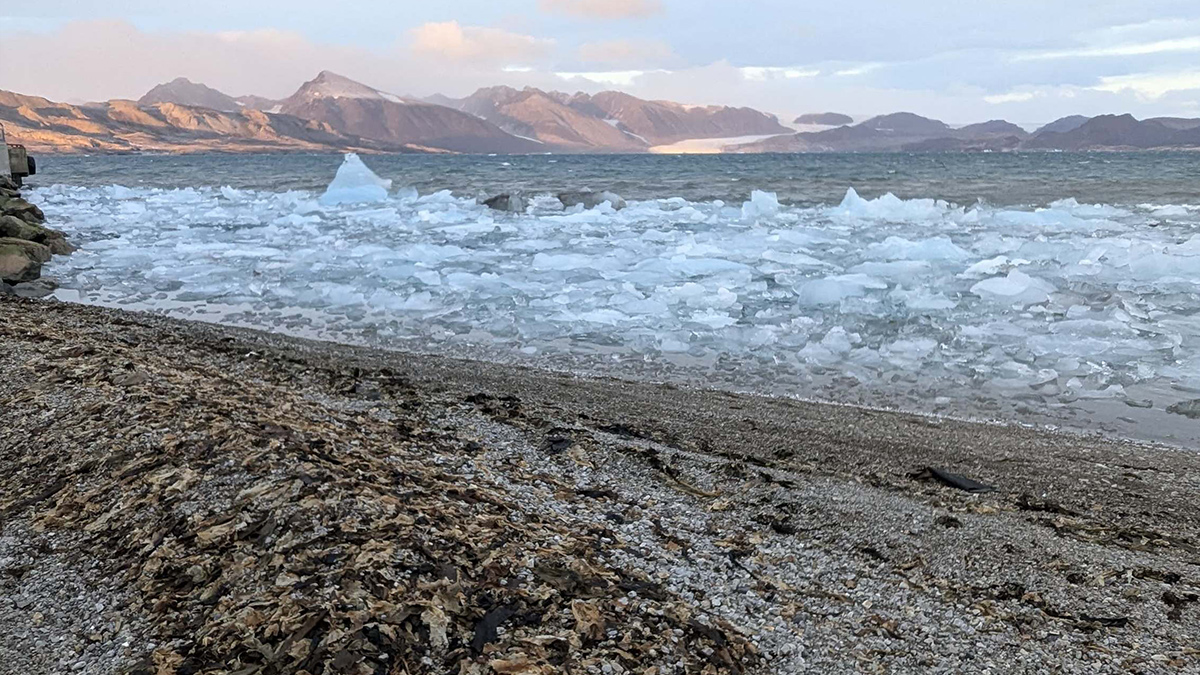
Seaweed Surges May Alter Arctic Fjord Carbon Dynamics
Climate change–accelerated seaweed growth could cause seaweed-dependent microbes to proliferate and consume more oxygen, leading to a rise in oxygen-starved zones.
Posted inResearch Spotlights
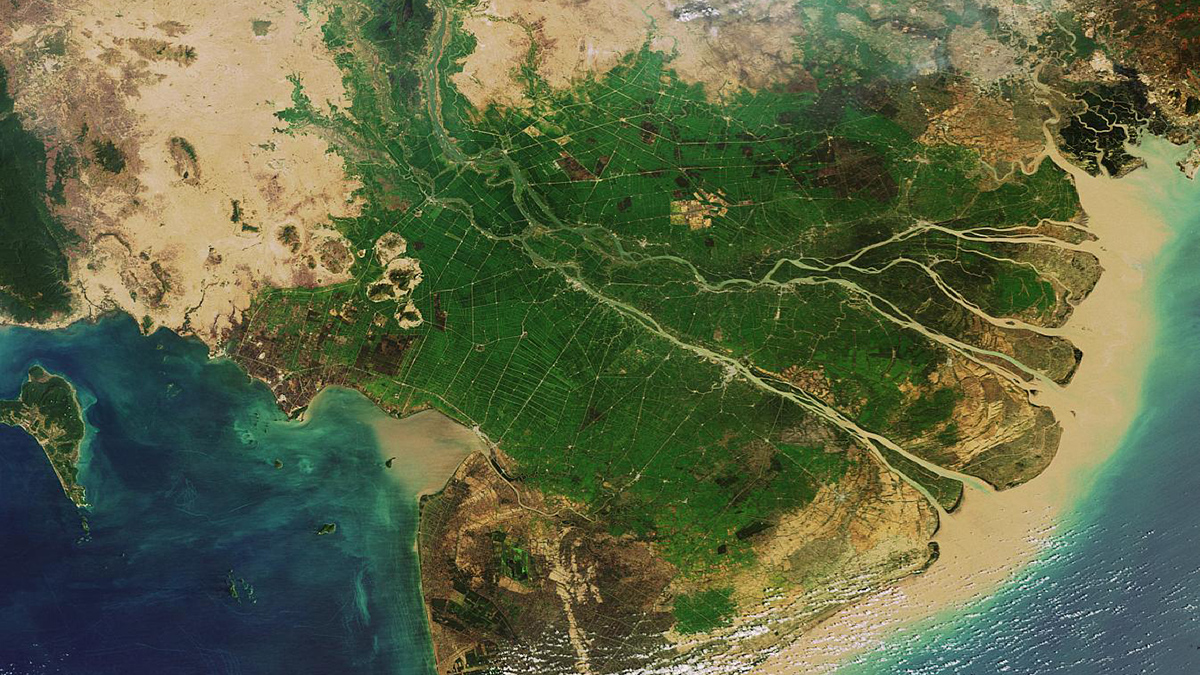
New Global River Map Is the First to Include River Bifurcations and Canals
GRIT provides a much more detailed look at how rivers merge and split, which could enhance hydrological modeling, flood forecasting, and water management efforts.
Posted inResearch Spotlights
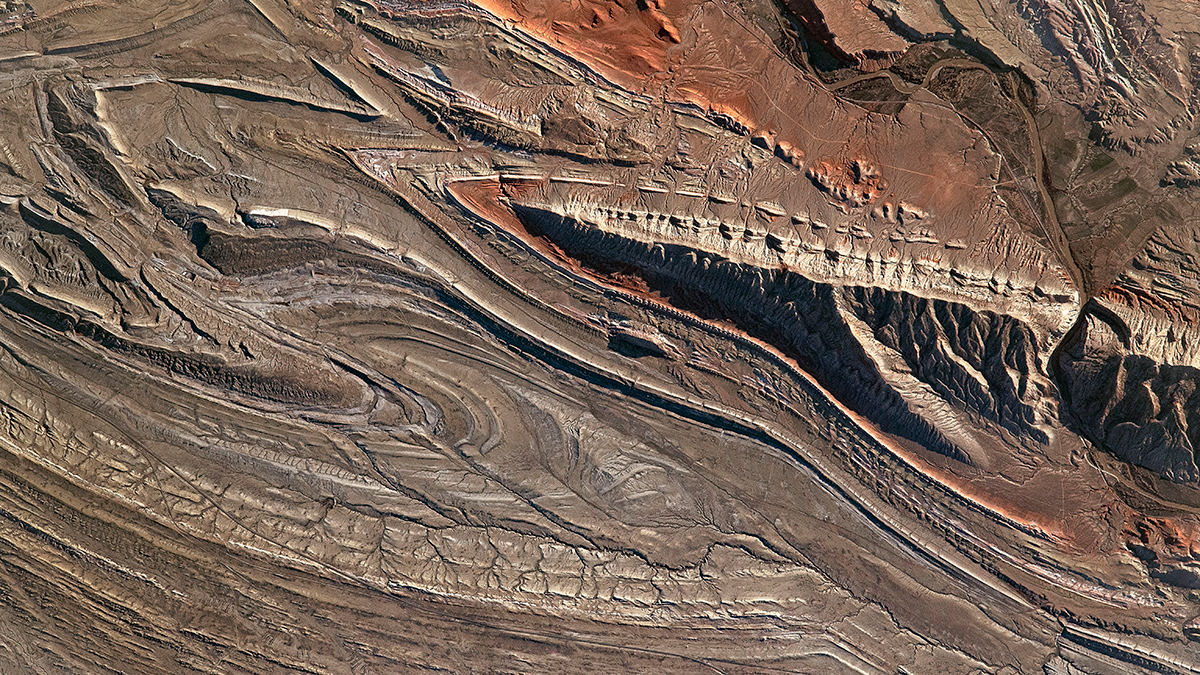
An Ancient Warming Event May Have Lasted Longer Than We Thought
New research on the Paleocene-Eocene Thermal Maximum used probabilistic analysis to learn more about its duration and how long modern warming could affect the carbon cycle.

Posted inResearch Spotlights
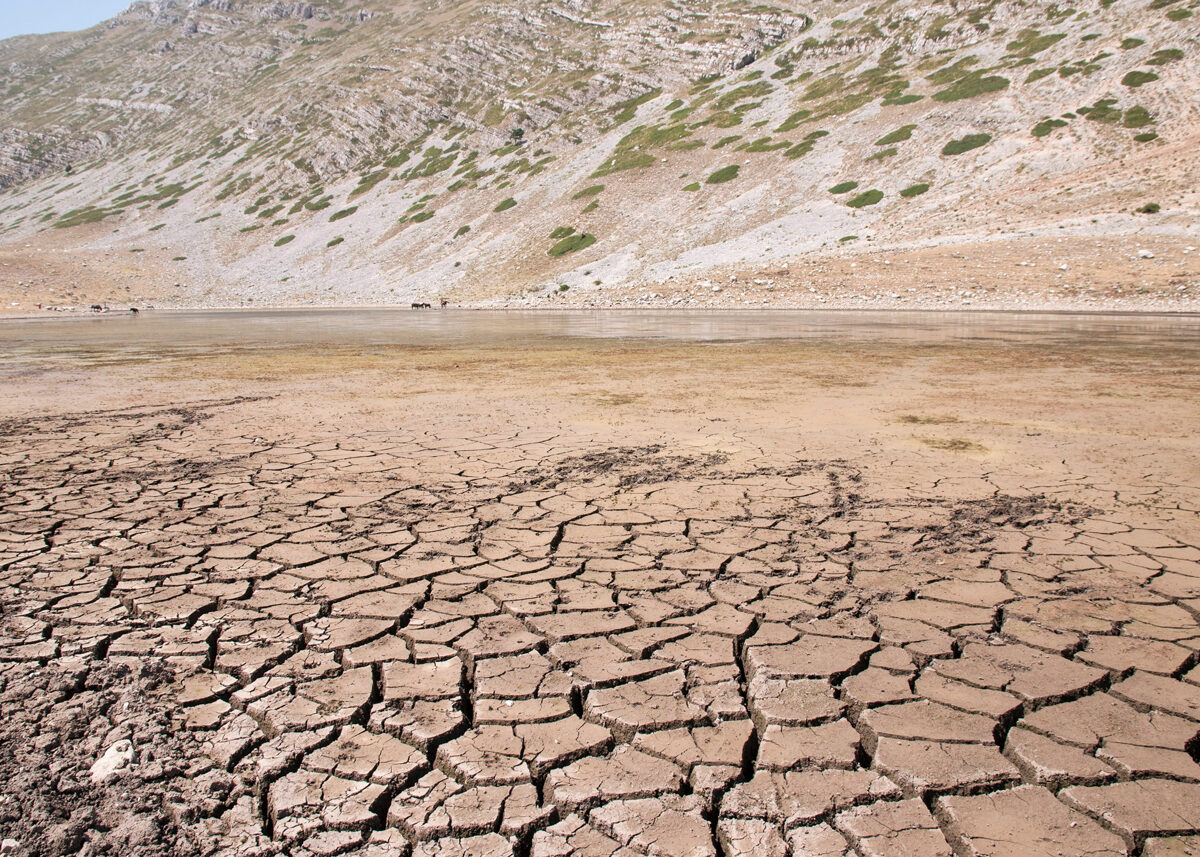
Heat and Pollution Events Are Deadly, Especially in the Global South
Researchers found that the combination of heat waves and high PM2.5 pollution led to nearly 700,000 premature deaths in the past 30 years—most of which occurred in the Global South.