Despite its notable influence on global carbon and water cycles, Latin America accounts for a relatively small share of FLUXNET sites, which limits the representativeness of the network in the region.
Research Spotlights
Research spotlights are plain-language summaries of recent articles published in AGU’s suite of 24 journals.
Posted inResearch Spotlights
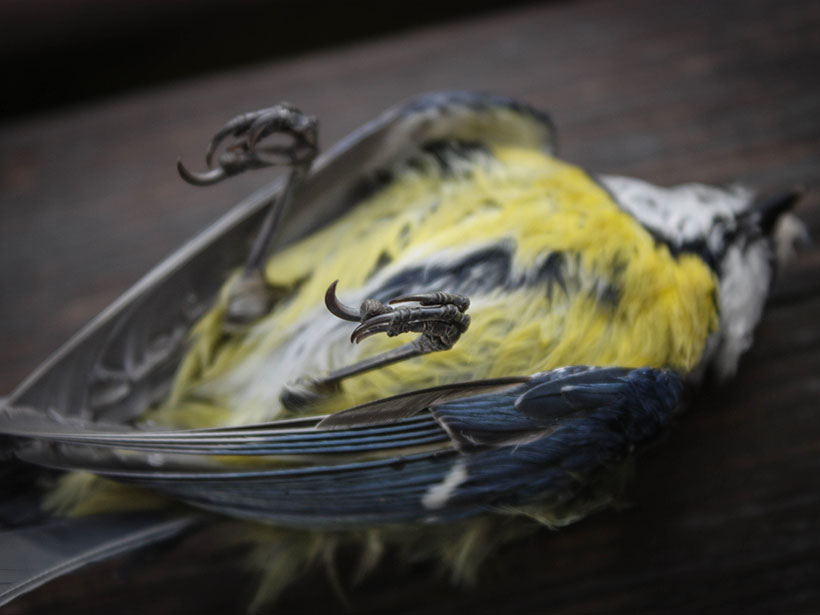
Mass Bird Die-Off Linked to Wildfires and Toxic Gases

Using observations from crowdsourced science and weather location data, researchers concluded that wildfires caused a mass die-off of birds in the western and central United States in 2020.
Posted inResearch Spotlights
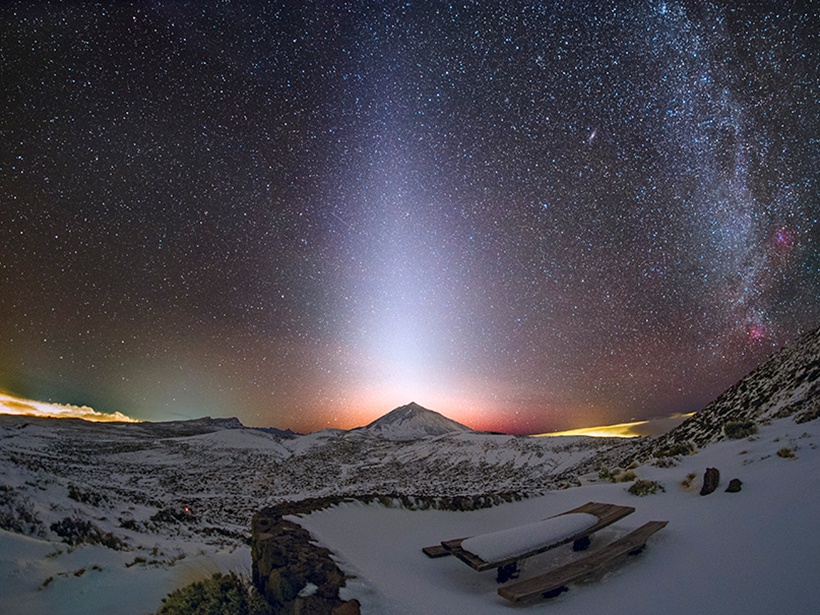
形成黄道光的太空尘埃可能来自火星

朱诺号探测器飞往木星途中的偶然发现表明,形成黄道光的太空尘埃可能来自火星,但这些尘埃是如何从火星或其卫星逃逸出来的仍不得而知。

Posted inResearch Spotlights
Improving the Global Budget for Atmospheric Methanol
New aircraft survey data show that although atmospheric chemistry above remote ocean regions is a considerable source of methanol production, the ocean’s net methanol emission is minor.
Posted inResearch Spotlights
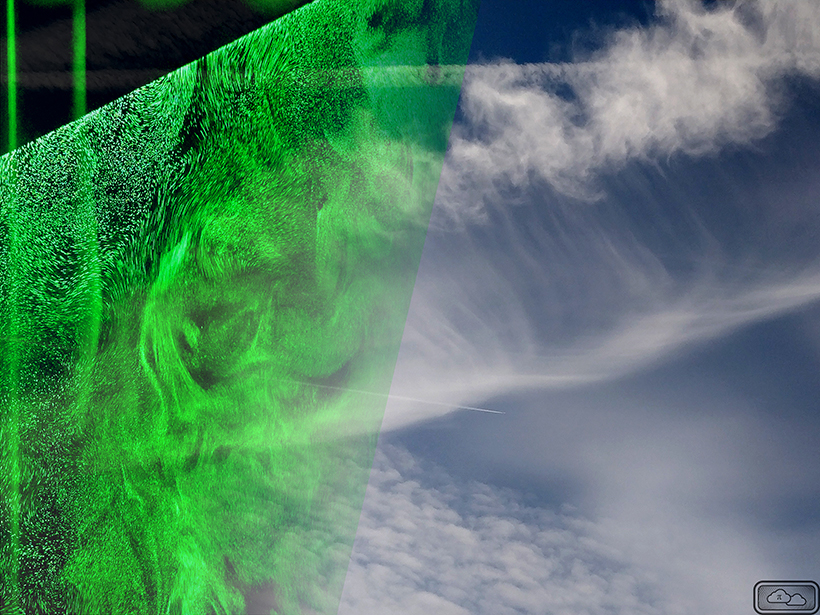
Atmospheric Turbulence May Promote Cloud Droplet Formation
Turbulence causes local variations in relative humidity, which can push particles past a critical saturation threshold for droplet nucleation.
Posted inResearch Spotlights
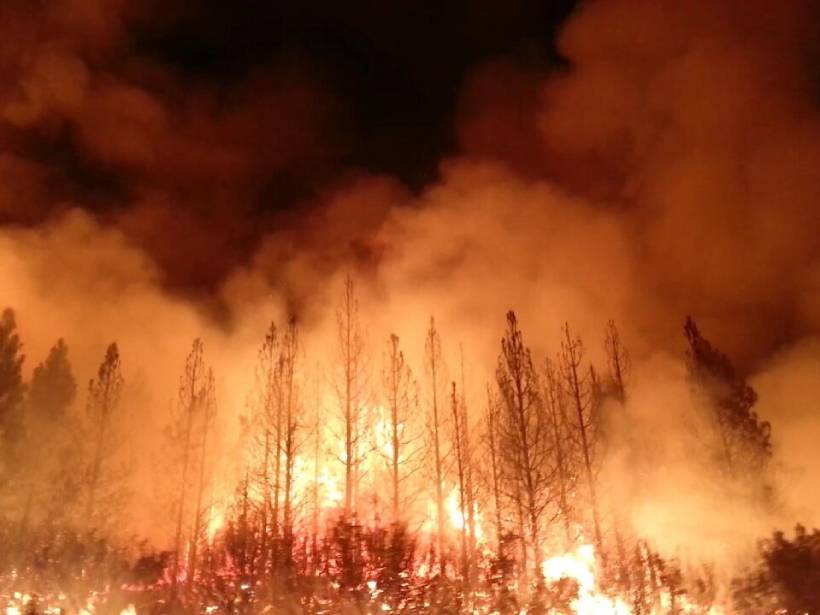
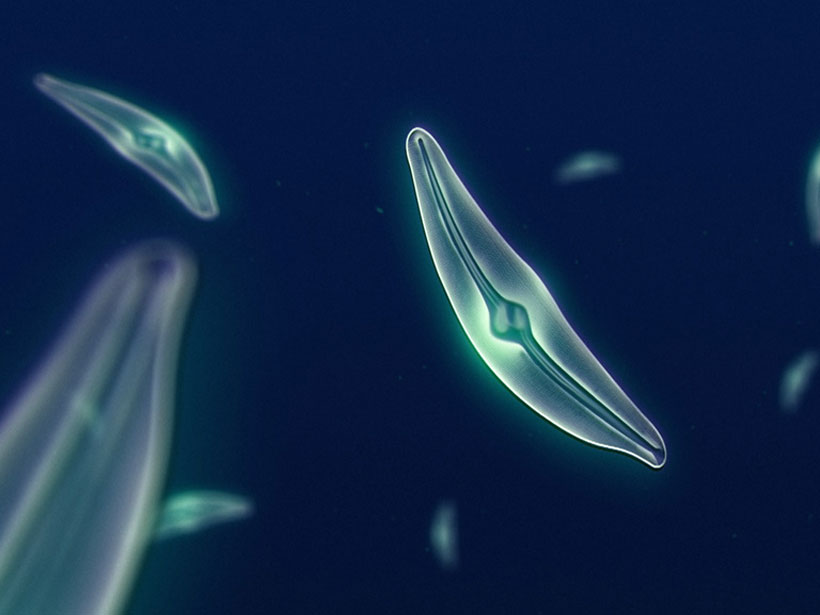
How Did Diatoms Evolve to Swap Zinc for the Toxic Metal Cadmium?
New network analysis suggests that zinc and cadmium sulfides weathered simultaneously in geological history, making cadmium a suitable substitute in photosynthetic pathways when zinc was scarce.

Posted inResearch Spotlights
The First Angstrom-Scale View of Weathering
Researchers observe how water vapor and liquid alter sedimentary rocks through physical and chemical processes.
Posted inResearch Spotlights
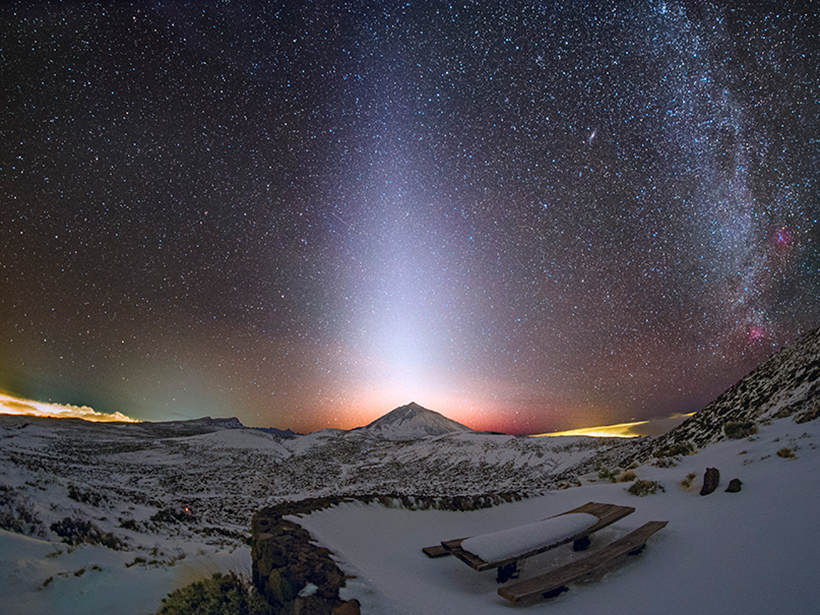
The Space Dust That Causes Zodiacal Light Might Come from Mars
Serendipitous observations by the Juno spacecraft while it was en route to Jupiter suggest a Martian source for the dust, but how the dust escapes Mars or its moons remains unknown.