
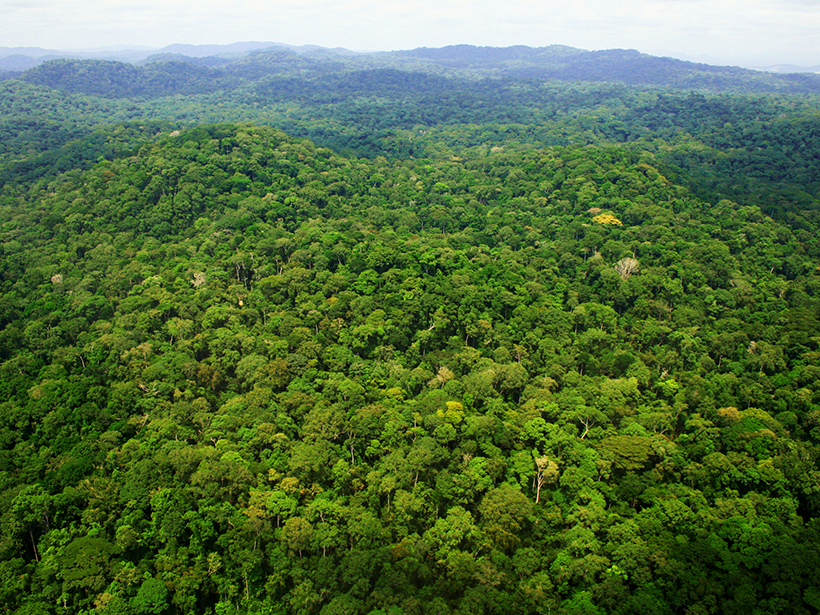

The forests could switch from a carbon sink to a carbon source by the mid-2030s.
Africa
Posted inNews
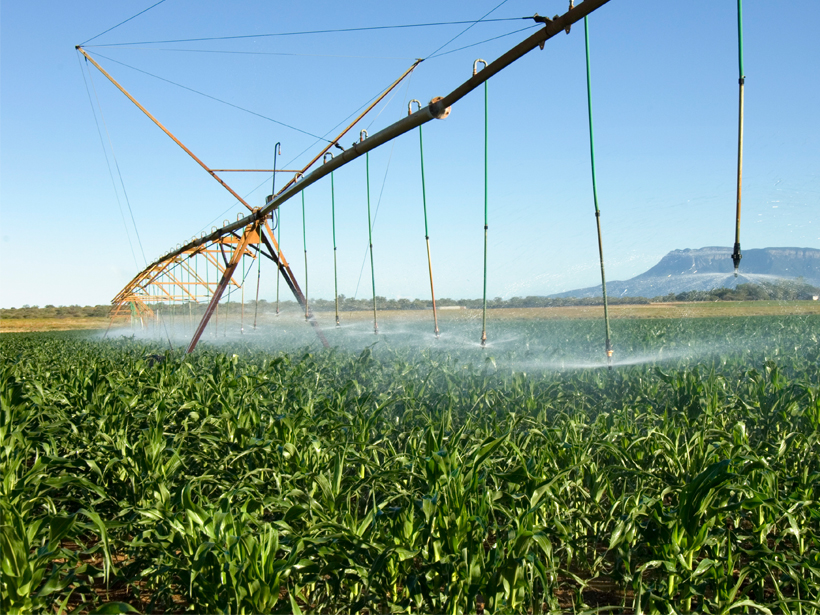
Minireservoirs Could Save Farmers with Sandy Soils

A recently revived subsurface water retention technology could conserve water and drastically increase crop yields in arid landscapes with sandy soils like sub-Saharan Africa.
Posted inNews
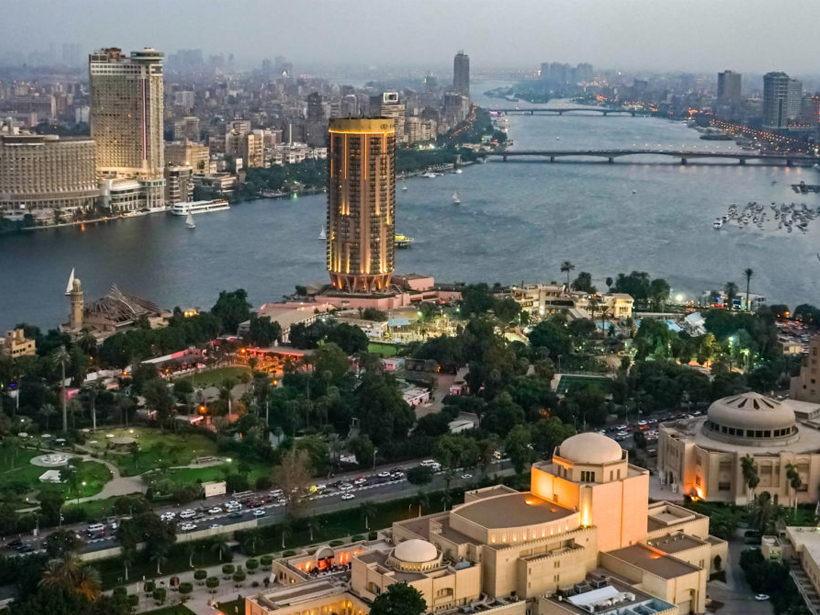
The Eternal Nile Is Even More Ancient Than We Thought

Deep-mantle flow helps maintain the river’s steady course.
Posted inNews
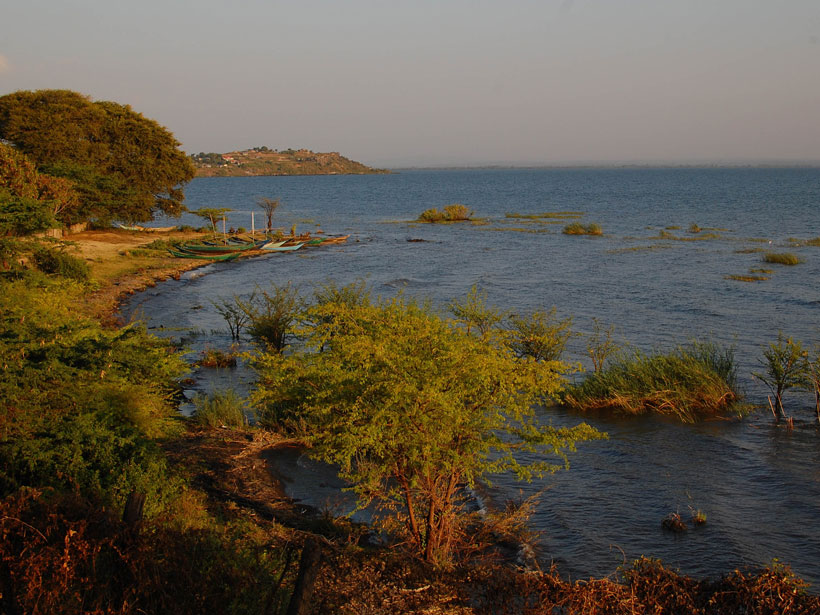
Dire and Drier Future for Lake Victoria

In the past, Lake Victoria dried out swiftly and often when rainfall was limited. Climate change might bring about those conditions again within a century.

Posted inNews
El Niño May Be a Culprit Behind the Cholera Epidemic in Yemen

Increased rainfall in East Africa and subsequent wind may have brought infected bugs to Yemen, causing the worst cholera outbreak of our time.
Posted inEditors' Highlights
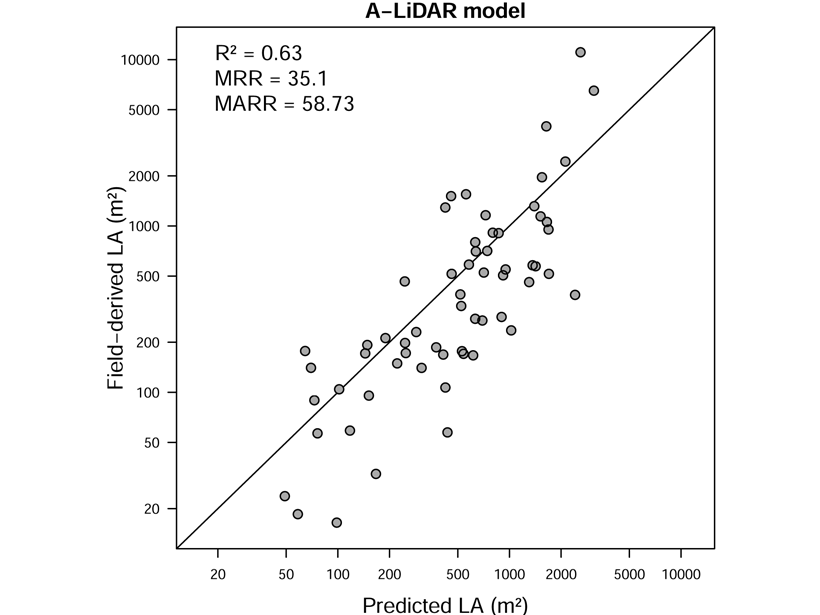
Tropical Forests May Have More Canopy Than Previously Thought
A rare attempt to directly estimate leaf area in a tropical African broadleaved forest suggests that there may be more tree foliage than previously estimated.
Posted inNews
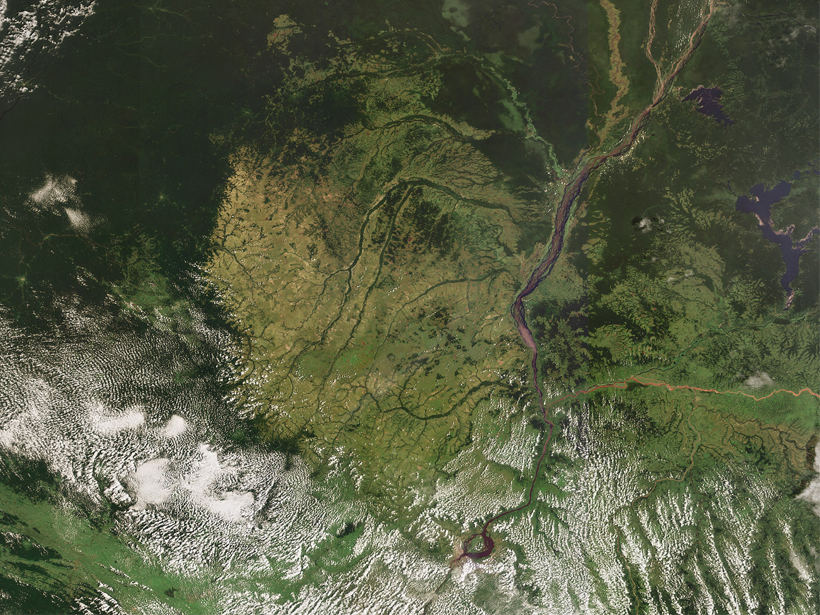
Congo Rain Forest Endures a Longer Dry Season
The forest’s dry season has been starting earlier and ending later for decades, making parts of it vulnerable to incursions by drought-resistant ecosystems.

Posted inResearch Spotlights
The Ups and Downs of Rainfall in Chad Since 1950
A new study finds that rainfall rates are recovering in some cities since a 1966–1990 dry spell, but precipitation is still down overall since 1950.

Posted inNews
Ancient Water Underlies Arid Egypt
A hidden trove of groundwater is left over from the last ice age.
Posted inResearch Spotlights
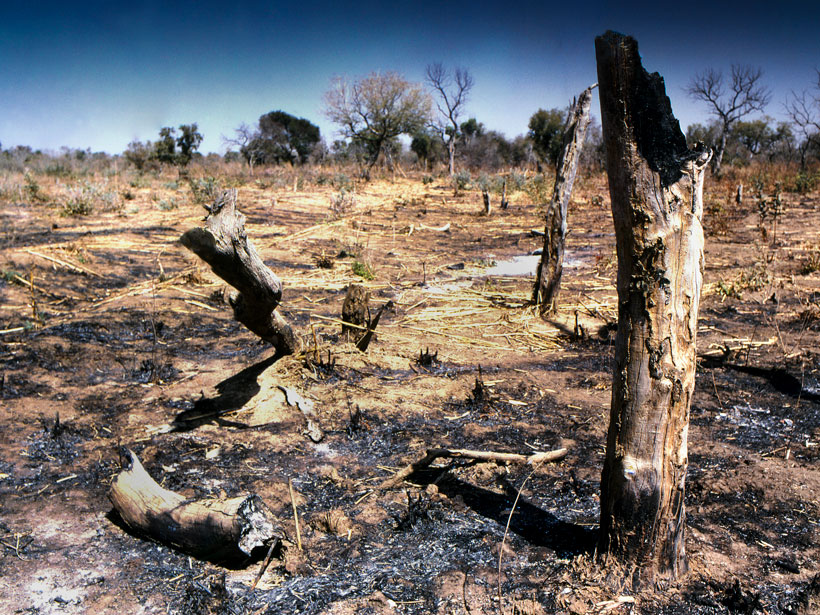
A 192,000-Year Record of Northwest African Fire History

Biomarker analyses from an offshore sediment core suggest that increased fire occurrence around 55,000 years ago coincided with increased fuel loads and human settlement in this region.