
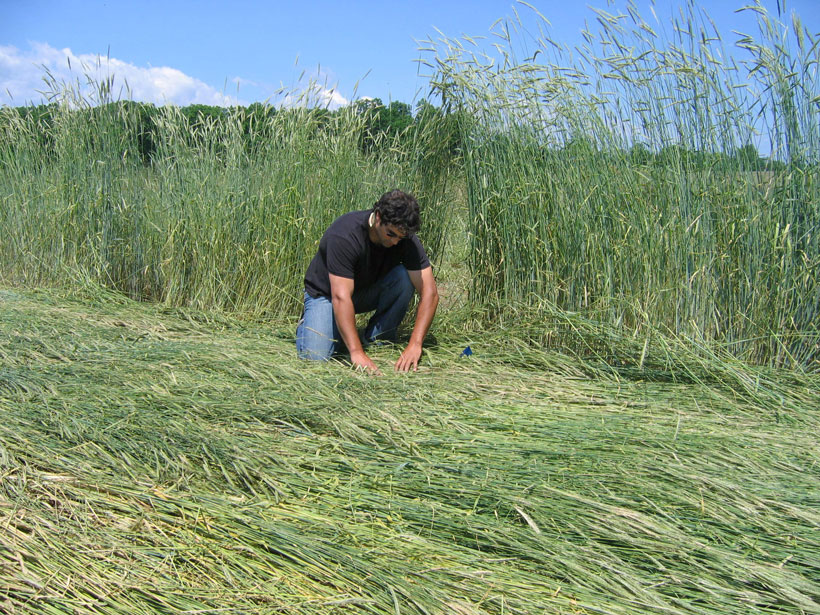
Forward-Thinking Ideas for the USDA’s Agriculture Innovation Agenda
Climate Change
Posted inAGU News
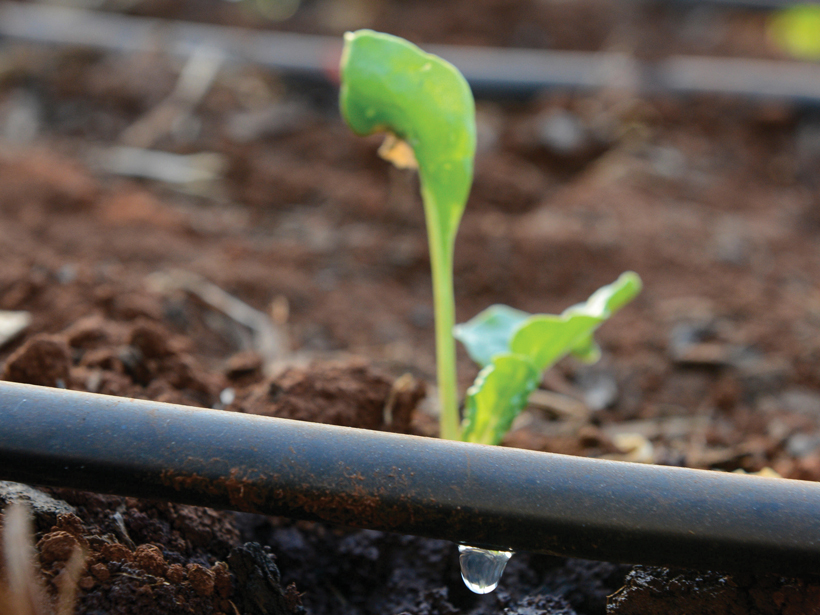
Our Place in the Food Security Chain

In our February issue of Eos, we look at what role geoscientists have in ensuring everyone in our communities has a meal on the table.
Posted inScience Updates
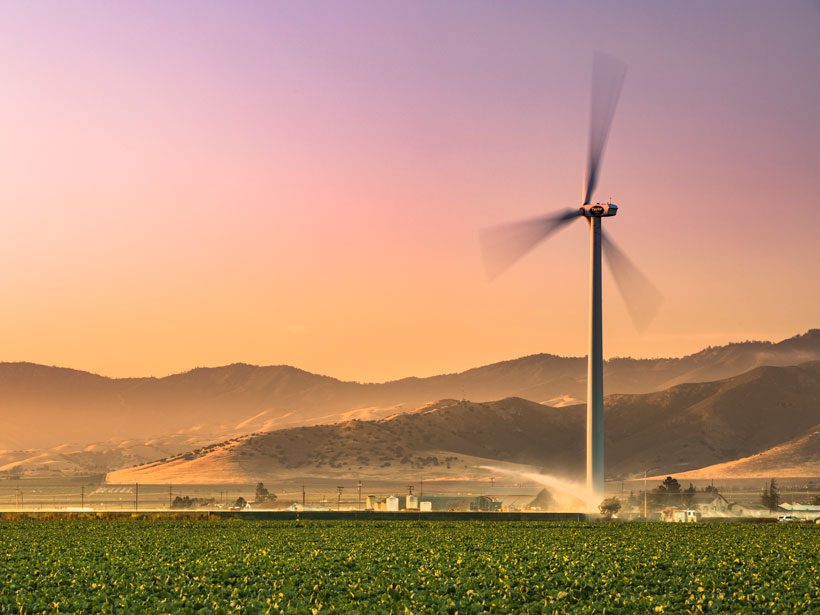
Solving Shared Problems at the Food, Energy, and Water Nexus
A 15-year-old partnership among Chinese and U.S. scientists studying challenges in our food, energy, and water systems has revealed that solutions are best achieved through international collaboration.
Posted inScience Updates
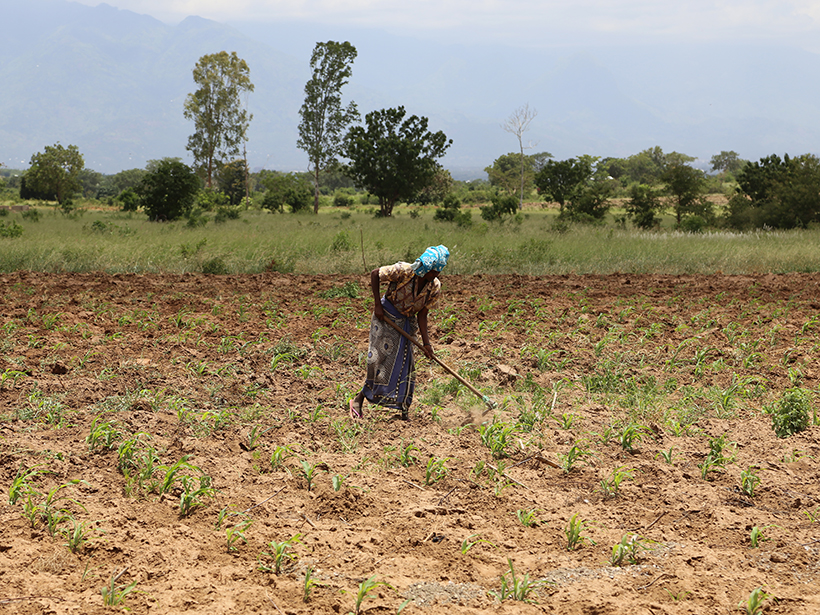
Sowing Seeds of Food Security in Africa
An innovative program focused on collaboration and capacity building is looking to improve outcomes for smallholder farmers, reduce hunger, and alleviate food insecurity in sub-Saharan Africa.
Posted inFeatures
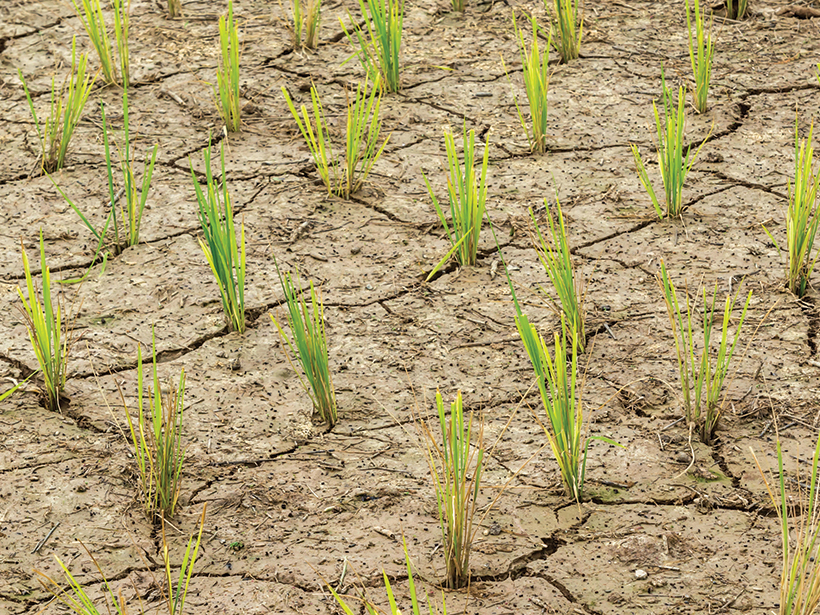
Climate Change Uproots Global Agriculture

Climate change is shifting where ideal growing conditions exist and is leaving farmers behind. How can we secure our future food supply and support the people who grow it?
Posted inNews
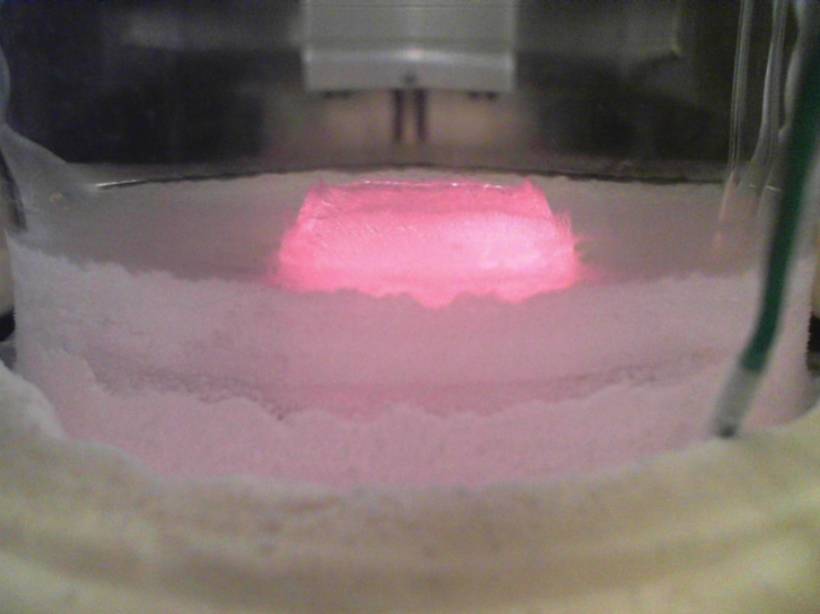
The Catcher in the Ice

There are three ways to extract gases from an ice core. The cleanest one, sublimation, is getting easier.
Posted inResearch Spotlights
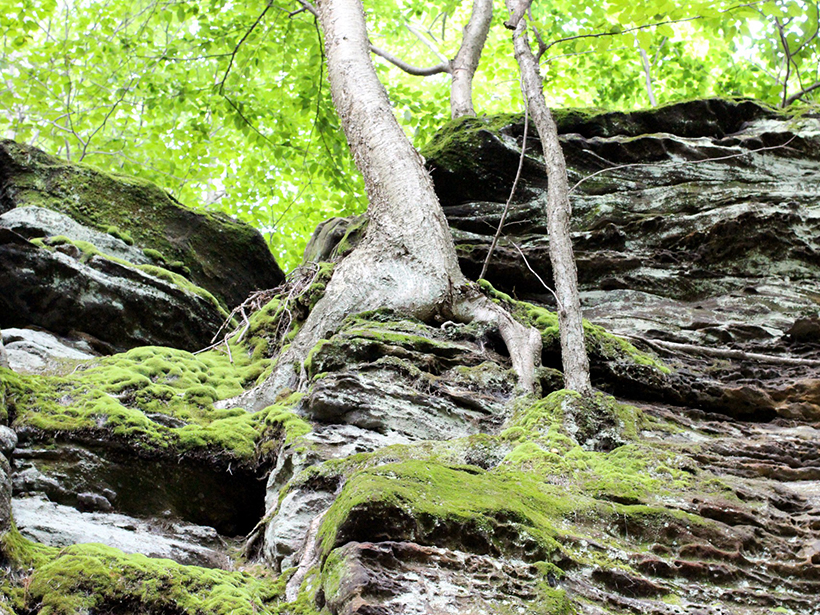
Researchers Unearth Bedrock Carbon and Water Dynamics

Deep tree roots bring respiring microbes into broken bedrock, generating carbon that’s released into the environment. New research explores this oft-overlooked carbon source.

Posted inNews
The Influence of Tidal Forces Extends to the Arctic’s Deep Sea
The Moon’s gravitational pull creates the tides, but its influence extends hundreds of meters below the sea surface too, influencing sensitive methane seeps in the seabed.

Posted inNews
Overturning in the Pacific May Have Enabled a “Standstill” in Beringia
During the last glacial period, a vanished ocean current may have made the land bridge between Asia and the Americas into a place where humans could wait out the ice.

Posted inNews
Cómo convertir nuestras ciudades en Treetopias
Estamos y seguiremos plantando más árboles callejeros, arboledas urbanas y cúmulos informales de árboles en nuestros parques y espacios verdes. La Treetopia ha comenzado.