
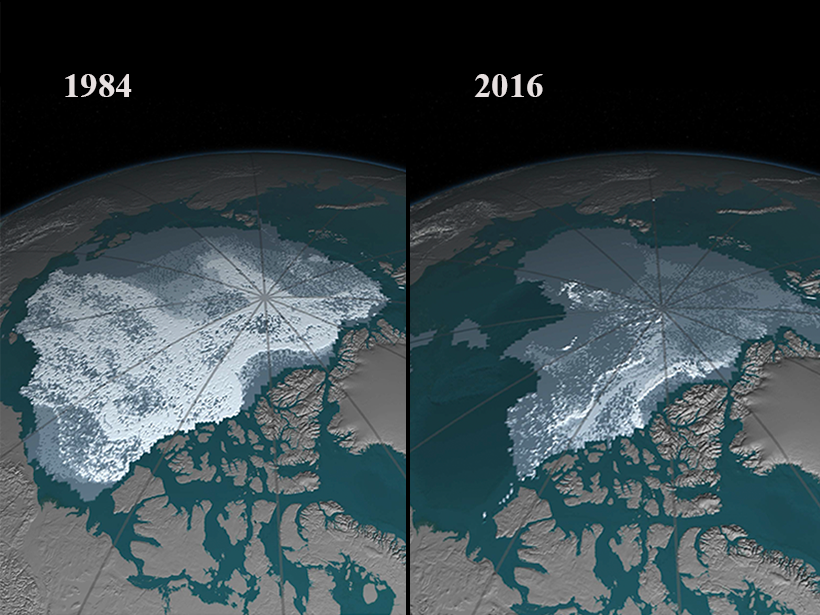
Creating, curating, and developing the repository of climate data that underlies the U.S. National Climate Assessments requires the ongoing efforts of hundreds of experts.
Climate Change
Posted inEditors' Highlights
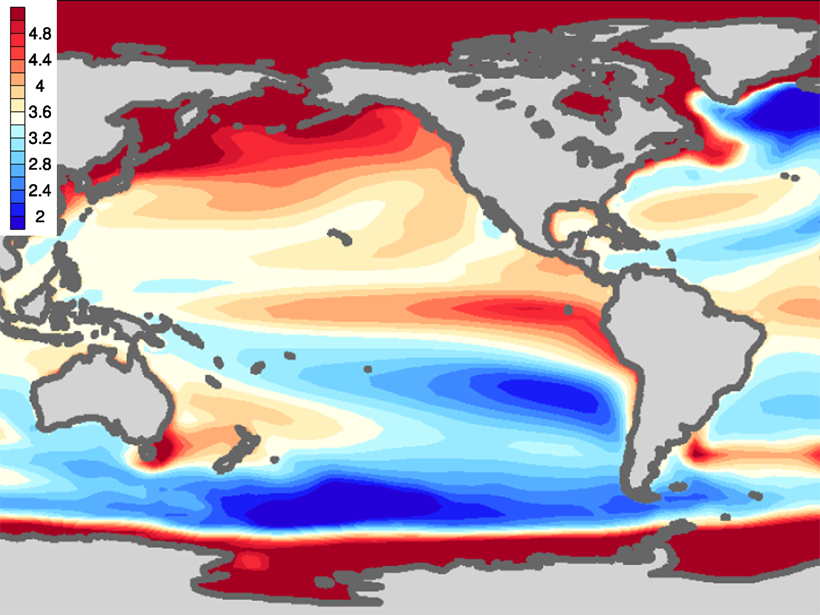
Why Does Ocean Warming Pattern Matter?
Ocean warming patterns are critical to climate science given their role in determining regional climate changes and modulating how much the globe may warm with elevated CO2 levels.

Posted inNews
Coastal Wetlands Save $1.8 Million per Year for Each Square Kilometer

The protective value of a plot of wetlands varies widely based on the county it shields from storm-related property damage.

Posted inNews
Combining AI and Analog Forecasting to Predict Extreme Weather

New deep learning technique brings an obsolete forecasting method “back to life” to predict extreme weather events.
Posted inNews
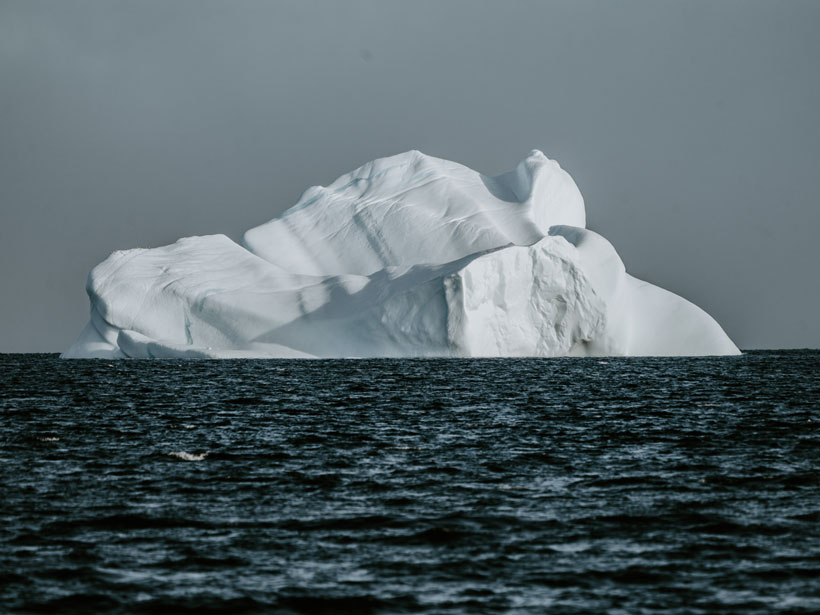
Climate Change Is Intensifying Arctic Ocean Currents

Melting ice means that strong Arctic winds create more energetic currents in the Beaufort Gyre.
Posted inScience Updates
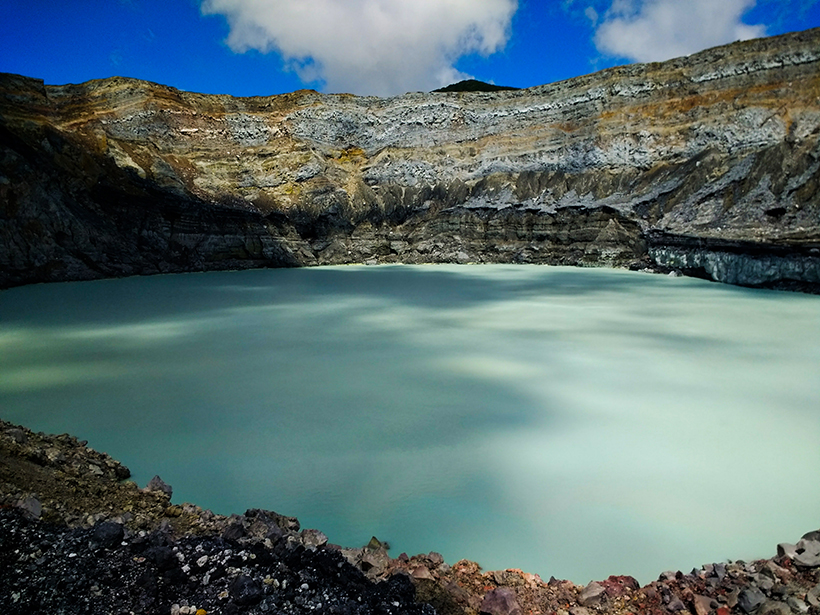
Microbial Influences on Subduction Zone Carbon Cycling
An innovative collaboration is investigating how geobiological processes alter fluxes of carbon and other materials between the deep Earth and the surface.
Posted inNews
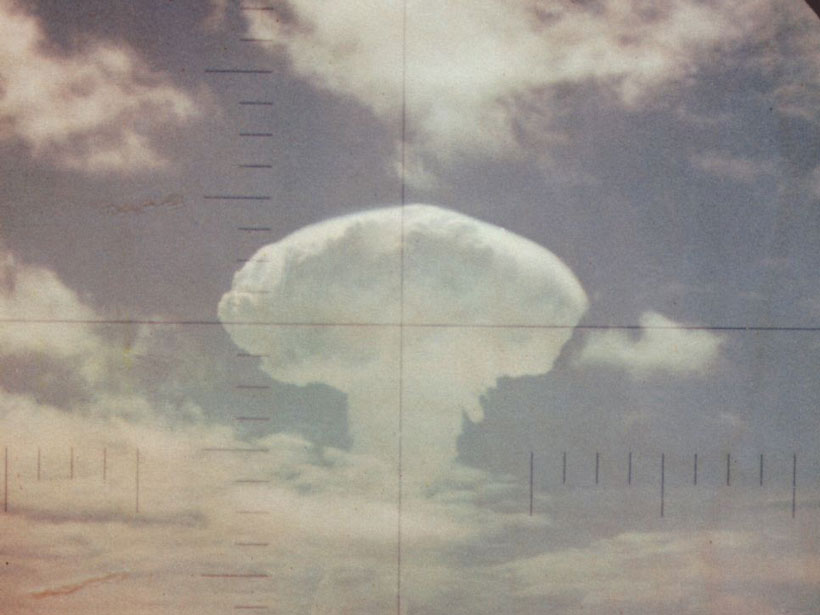
Nuclear War Would Spawn a “Nuclear” El Niño

A jolt to the climate system provided by nuclear war could spur an El Niño like we’ve never seen before.

Posted inNews
New England Forests Were Historically Shaped by Climate, Not People

A first-of-its-kind study combining paleoecology and archeology indicates that the New England landscape was not actively managed with fire prior to European arrival.
Posted inNews
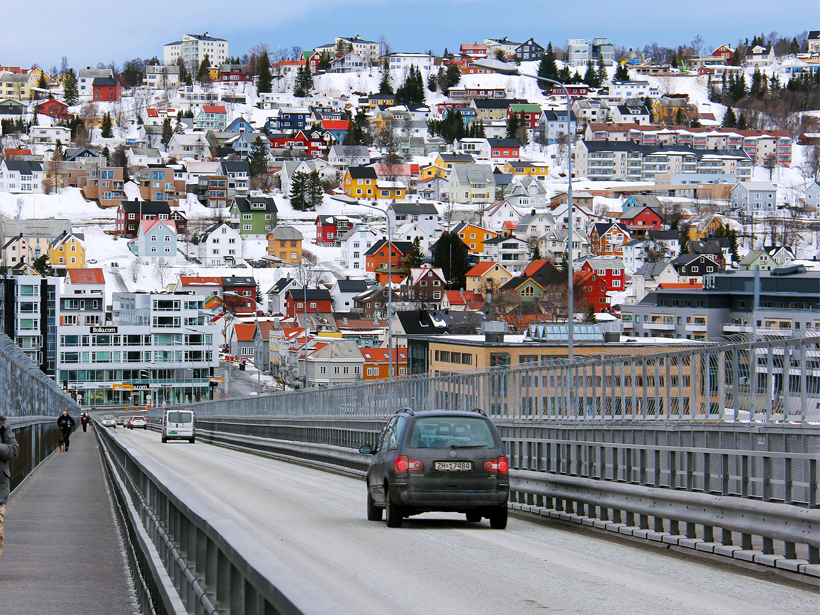
Cleaner Air Takes Some of the Bite out of European Winters

Scientists find that reduced aerosol emissions correspond to fewer extremely cold days.
Posted inNews
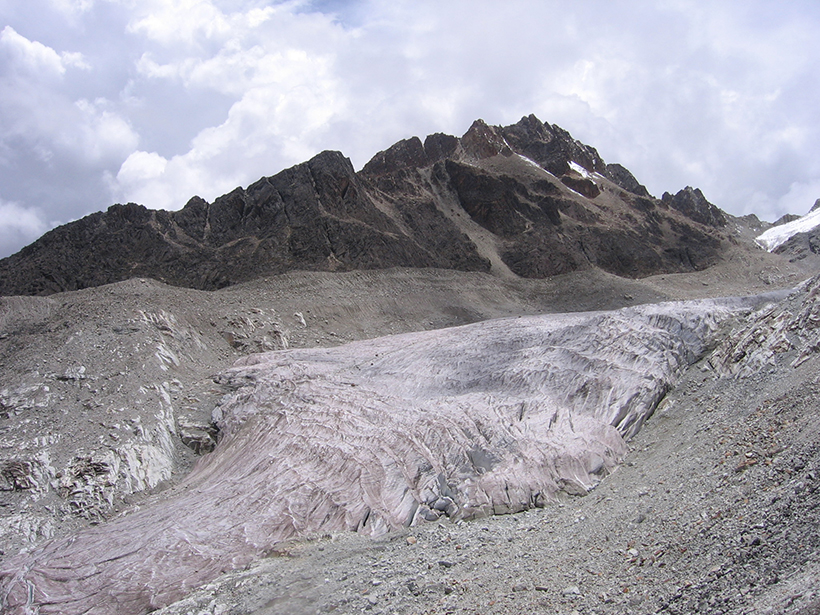
Los Incendios del Amazonas Contribuyen al Derretimiento de los Glaciares Andinos
Investigaciones recientes revelan que las emisiones de carbono negro producidas por los incendios en el Amazonas causan que los glaciares en los Andes absorban más radiación solar y se derritan más.