
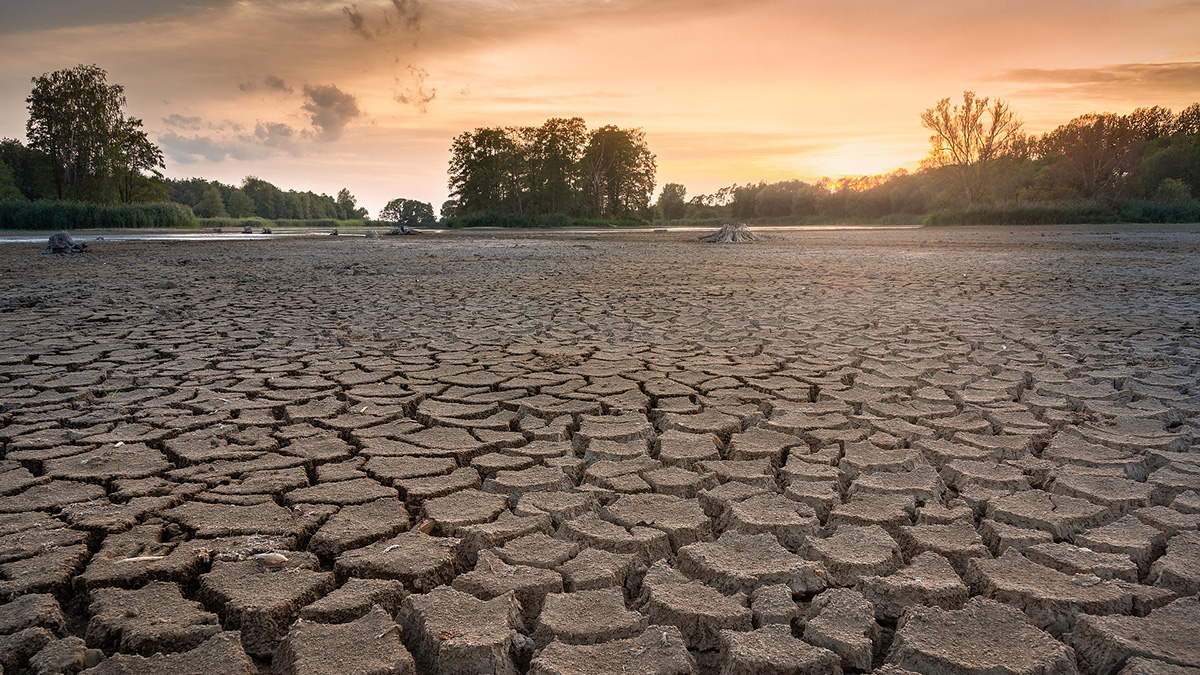

Los suelos terrestres se están secando a medida que el planeta se calienta, pero aún no está claro que tan seco es muy seco.
Climate Change
Posted inEditors' Vox
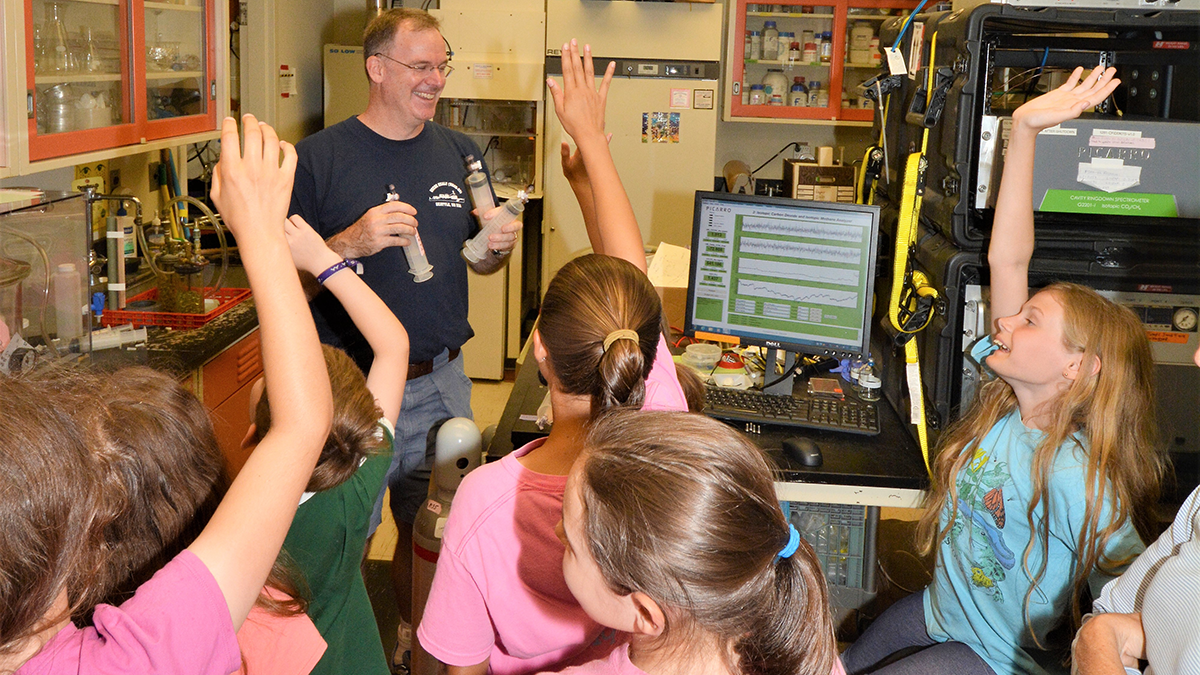
One Solution to the Climate Crisis: Better High School Education
Integrating Earth and space science into high school biology, chemistry, and physics courses may be the best way to educate the public about climate science.
Posted inEditors' Highlights
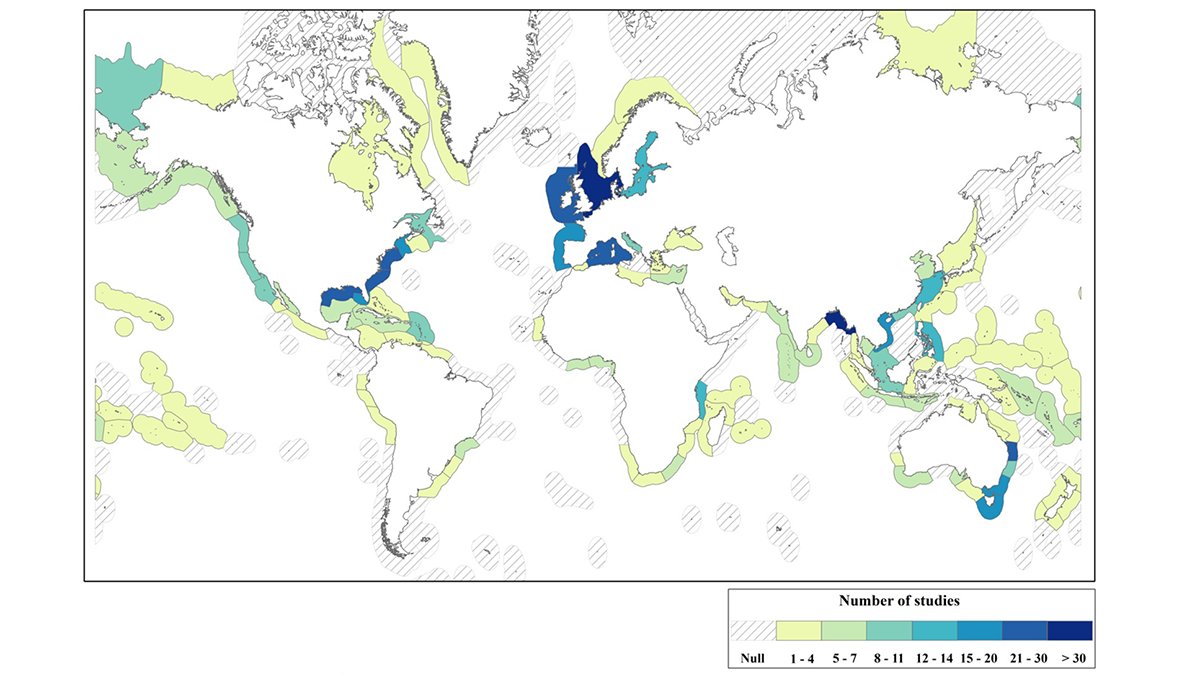
Gaps and Challenges in Coastal Adaptation Research
A new study reviews 650 empirical studies on coastal adaptation, revealing knowledge gaps on its implementation, policy, governance, and economic contexts, especially in the Global South.

Posted inOpinions
Why—and How to—Engage Artists in Science
Breaking down the artificial barriers between science and art can lead to collaborations, broaden the understanding of problems facing communities, and grow engagement to explore solutions.
Posted inEditors' Highlights
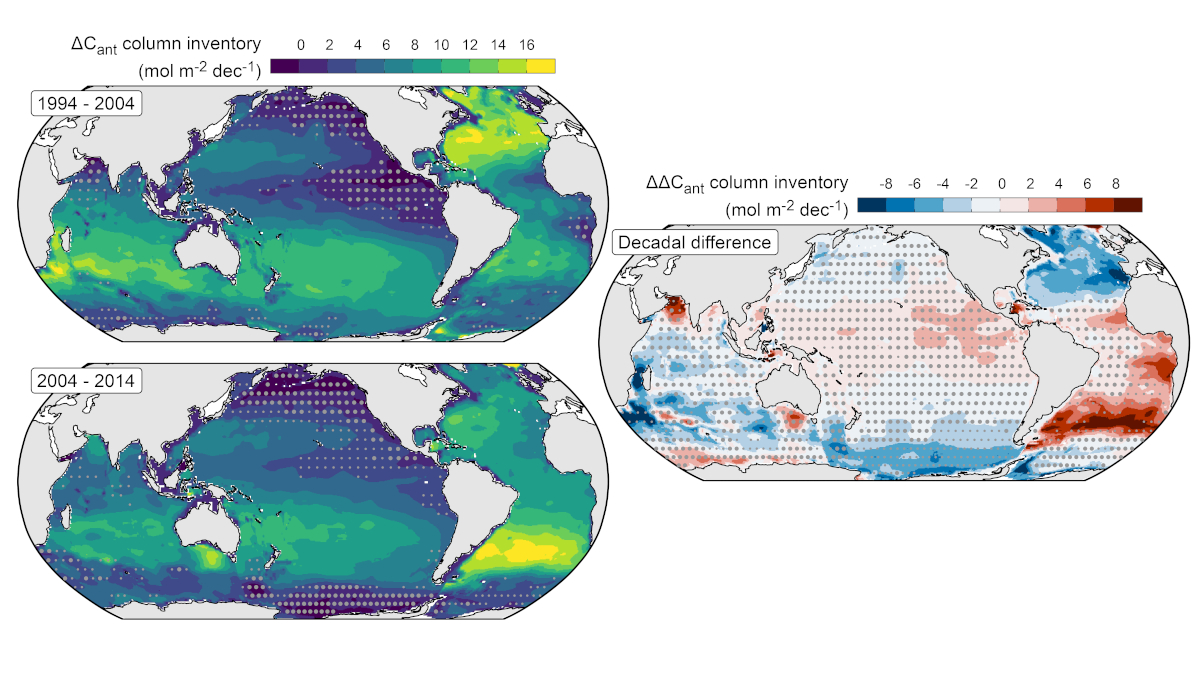
A Multidecadal View of Oceanic Storage of Anthropogenic Carbon
A decline in the ratio of ocean carbon accumulation to atmospheric carbon dioxide growth between 1994-2004 and 2004-2014 suggests a reduction in the sensitivity of the ocean carbon sink.
Posted inResearch Spotlights
Current Agriculture Adds More Phosphorus to Streams Than to Lakes
Improved agricultural nutrient management could improve stream water quality by reducing phosphorus levels, but rising temperatures and rainfall due to climate change might offset improvements.

Posted inEditors' Highlights
Frozen Riverbanks May Erode Faster in a Warming Arctic
Frozen flume experiments reveal the sensitivity of permafrost riverbank erosion to water temperature, bank roughness, and pore-ice content.

Posted inENGAGE, News
Herbivore Diversity Helps Maintain Arctic Tundra Diversity

A long-term experiment in southwestern Greenland reveals that the presence of musk oxen and caribou helps stave off declines in Arctic tundra diversity brought on by climate change.

Posted inNews
Farming Is Intensifying Floods in the South American Plains
The replacement of native vegetation by crops has raised groundwater levels in the Pampas, a new study suggests.

Posted inOpinions
Climate Education That Builds Hope and Agency, Not Fear
Reframing climate change education around a message of “hopeful alarm” not only will underscore the threats we face but will also show students how they can act to shape the future.