• About
  • Special Reports
  • Topics
    • Climate
    • Earth Science
    • Oceans
    • Space & Planets
    • Health & Ecosystems
    • Culture & Policy
    • Education & Careers
    • Opinions
  • Projects
    • Postcards From the Field
    • ENGAGE
    • Editors’ Highlights
    • Editors’ Vox
    • Eos en Español
    • Eos 简体中文版
    • Print Archive: 2015–2025
  • Policy Tracker
  • Blogs
    • Research & Developments
    • The Landslide Blog
  • Newsletter
  • Submit to Eos
  • AGU.org
  • Career Center
  • Join AGU
  • Give to AGU
  • About
  • Special Reports
  • Topics
    • Climate
    • Earth Science
    • Oceans
    • Space & Planets
    • Health & Ecosystems
    • Culture & Policy
    • Education & Careers
    • Opinions
  • Projects
    • Postcards From the Field
    • ENGAGE
    • Editors’ Highlights
    • Editors’ Vox
    • Eos en Español
    • Eos 简体中文版
    • Print Archive: 2015–2025
  • Policy Tracker
  • Blogs
    • Research & Developments
    • The Landslide Blog
  • Newsletter
  • Submit to Eos
Skip to content
  • AGU.org
  • Career Center
  • Join AGU
  • Give to AGU
Eos

Eos

Science News by AGU

Support Eos
Sign Up for Newsletter
  • About
  • Special Reports
  • Topics
    • Climate
    • Earth Science
    • Oceans
    • Space & Planets
    • Health & Ecosystems
    • Culture & Policy
    • Education & Careers
    • Opinions
  • Projects
    • Postcards From the Field
    • ENGAGE
    • Editors’ Highlights
    • Editors’ Vox
    • Eos en Español
    • Eos 简体中文版
    • Print Archive: 2015–2025
  • Policy Tracker
  • Blogs
    • Research & Developments
    • The Landslide Blog
  • Newsletter
  • Submit to Eos

climate

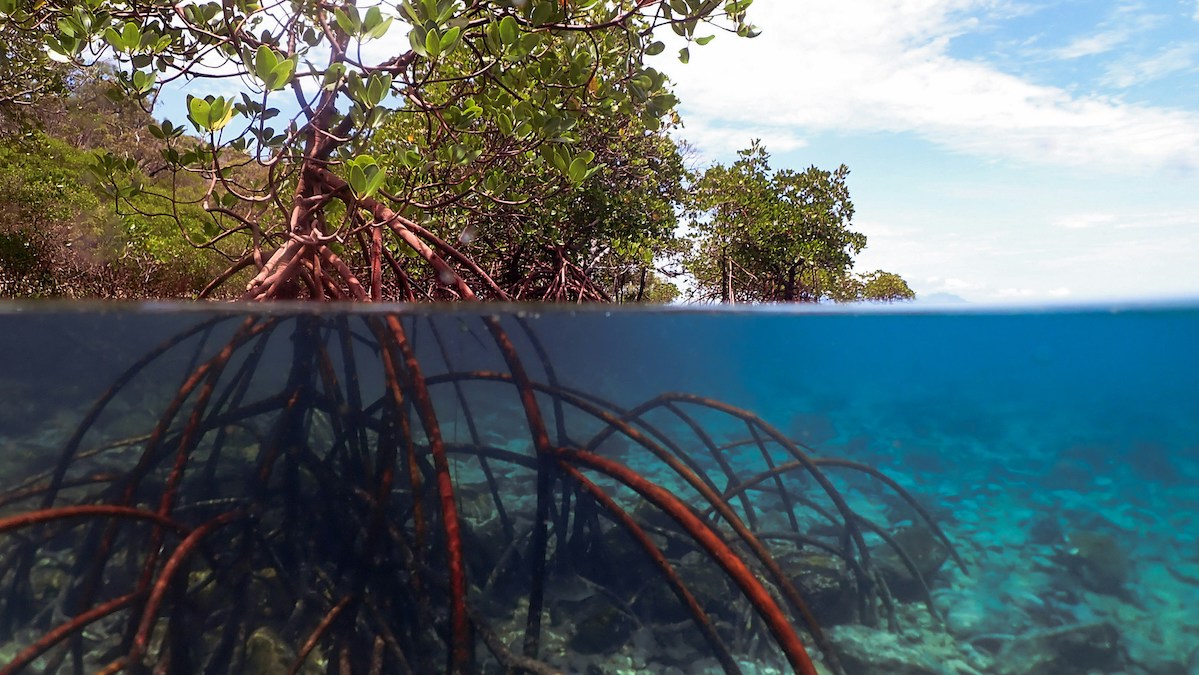
A half-underwater image shows the leaves (above the water) and roots (underwater) of mangrove plants.
Posted inNews

With the Ocean Included, the Social Cost of Carbon Doubles

by Grace van Deelen 25 February 202625 February 2026

A new calculation includes ocean ecosystems when assessing the monetary impact of climate change.

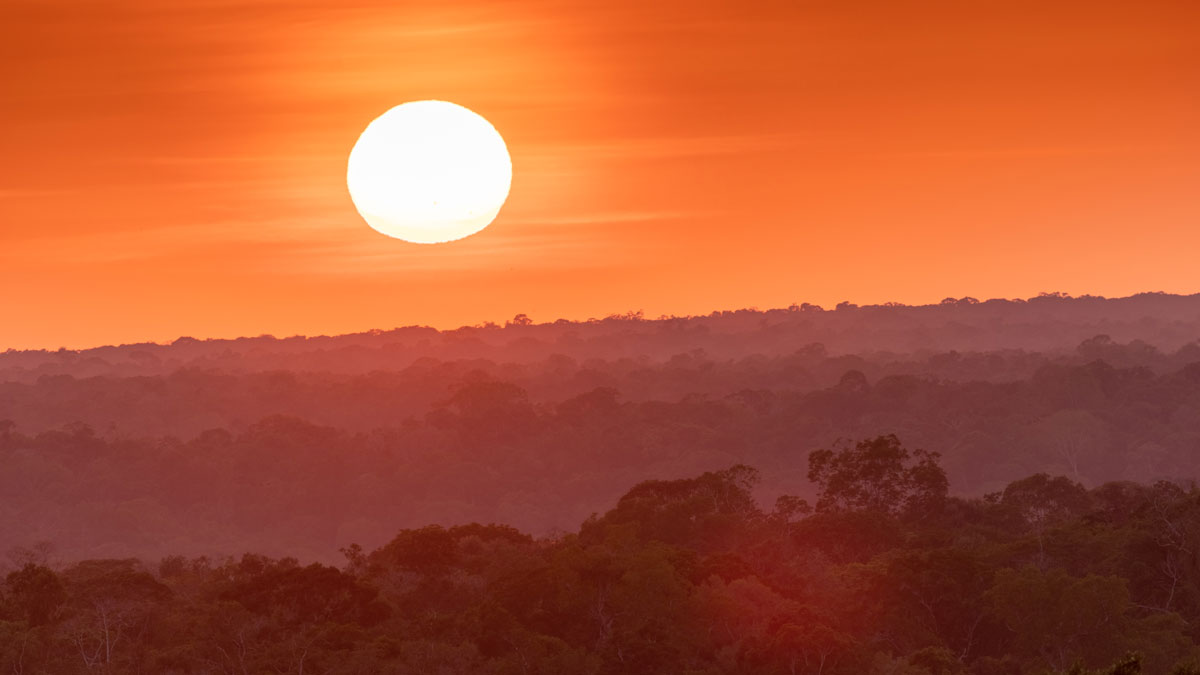
The Sun looms large in a red sky over the trees of the Amazon rainforest.
Posted inResearch Spotlights

Drought Drove the Amazon’s 2023 Switch to a Carbon Source

by Madeline Reinsel 25 February 202625 February 2026

The change was caused by thirsty vegetation taking up less carbon than normal, not by the year’s extended fire season, new research shows.
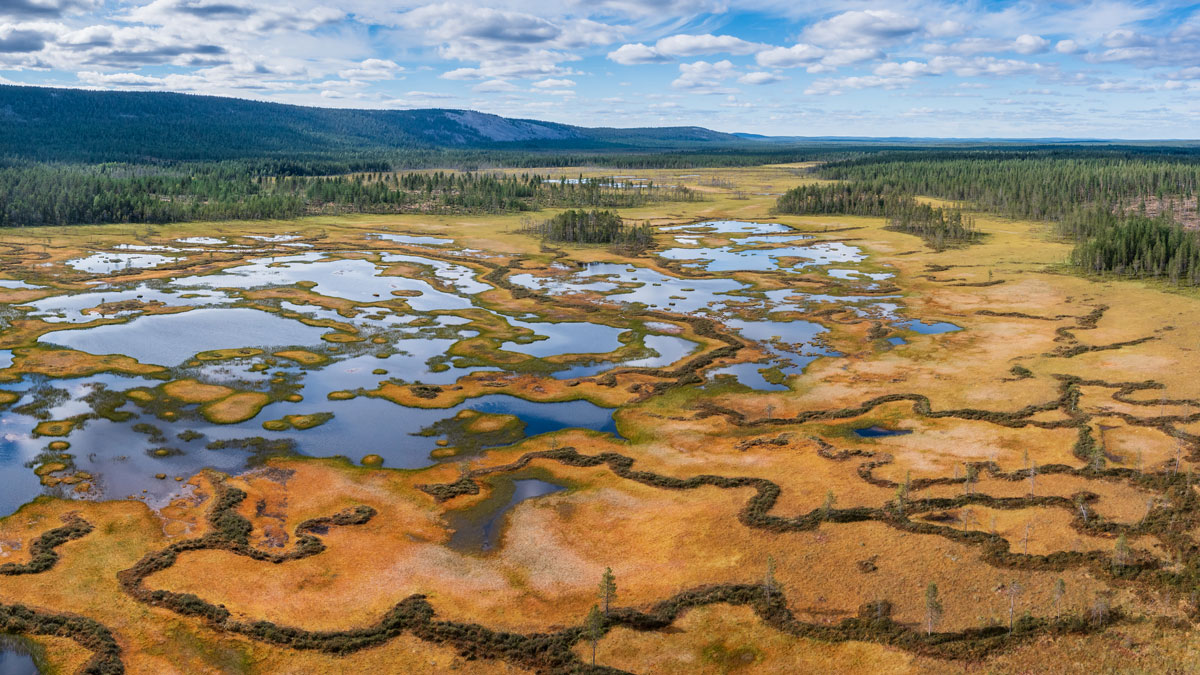
An aerial view of a region covered by scrubby vegetation interspersed with open water.
Posted inNews

Restored Peatlands Could Become Carbon Sinks Within Decades

by Saima May Sidik 17 February 202617 February 2026

That’s much faster than what most scientists thought.
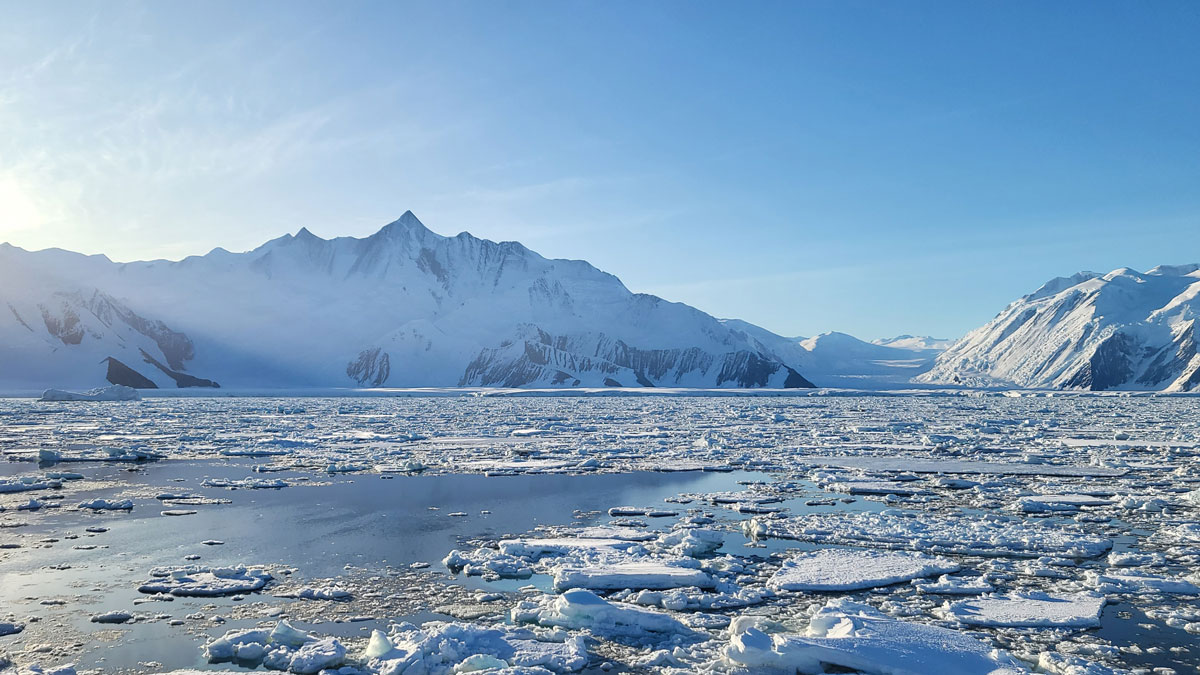
Broken-up ice sits on the surface of an ocean. A snowy mountain, a glacier, and a blue sky are in the distance.
Posted inNews

Sediments Offer an Extended History of Fast Ice

by Taylor Mitchell Brown 12 February 202612 February 2026

Scientists used sediments to create a millennia-long archive of Antarctic fast ice. Along the way, they discovered that the freezing and thawing of this enigmatic ice appear to be linked to solar cycles.
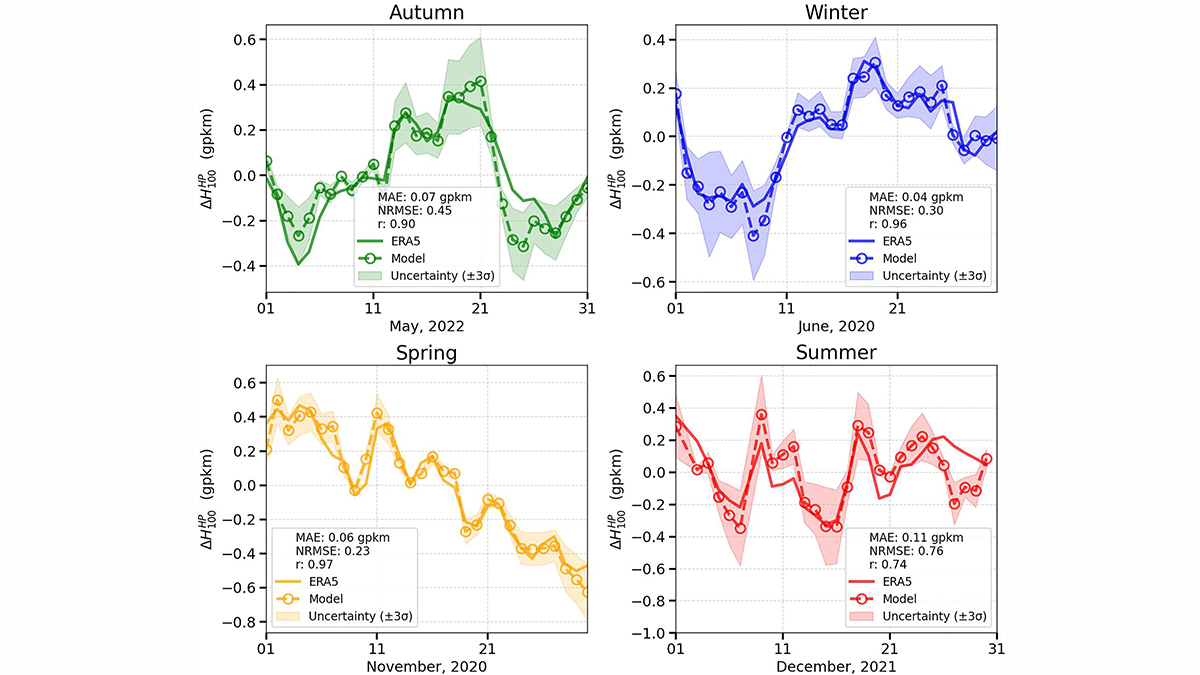
Graphs from the article.
Posted inEditors' Highlights

Linking Space Weather and Atmospheric Changes With Cosmic Rays

by Graziella Caprarelli 12 February 202610 February 2026

Water-Cherenkov cosmic-ray detectors can be used as a tool for monitoring and studying changes in the lower stratosphere over Antarctica.
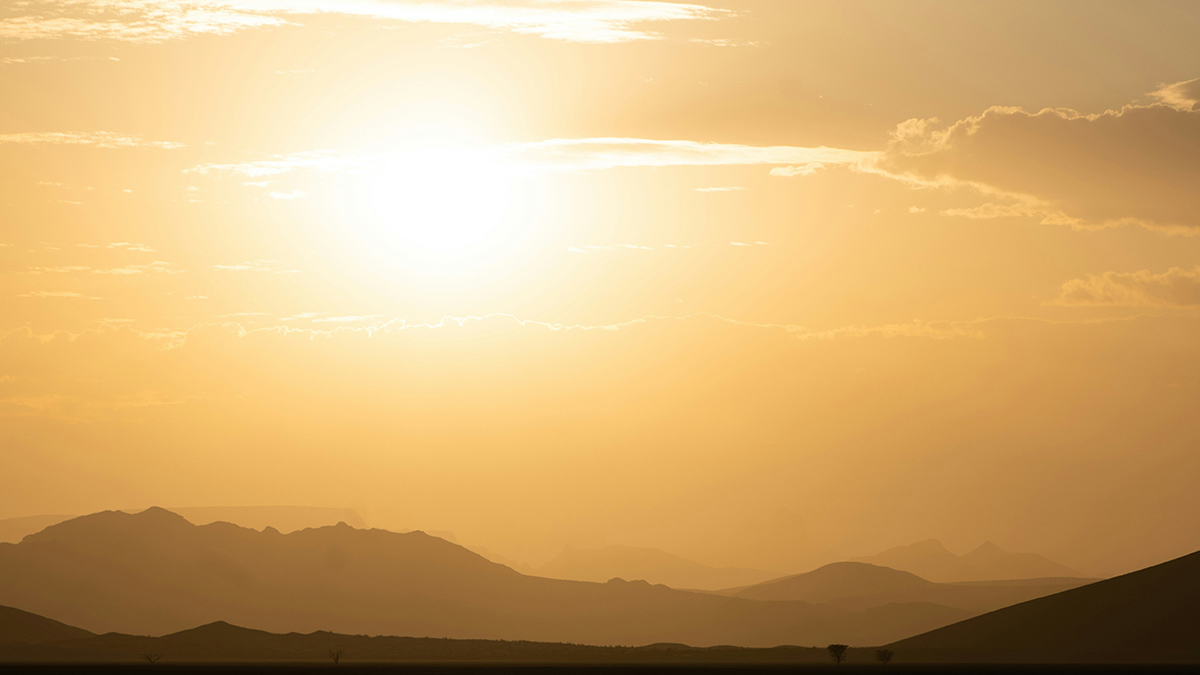
The setting Sun over a mountainous landscape colors the sky in shades of orange.
Posted inNews

Earth’s Climate May Go from Greenhouse to Hothouse

by Grace van Deelen 11 February 202611 February 2026

Uncertainty in climate models could mean Earth systems are perilously close to their tipping points, scientists warn.

The United States White House on a cloudy, snowy day.
Posted inResearch & Developments

The Endangerment Finding Is Lost

by Grace van Deelen 11 February 202620 March 2026

Tomorrow, the EPA will revoke the 2009 Endangerment Finding, finalizing a July proposal to do so, Press Secretary Karoline Leavitt said in a 10 February announcement.
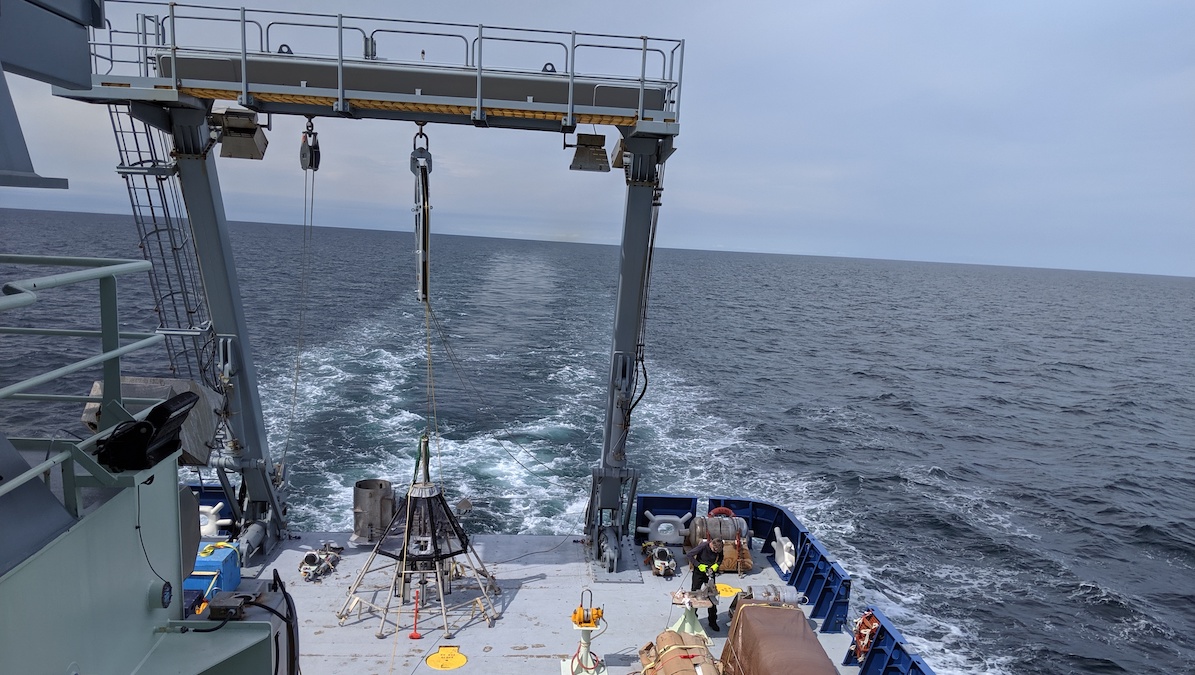
The back deck of a boat as it moves through the ocean.
Posted inNews

The AMOC of the Ice Age Was Warmer Than Once Thought

by Grace van Deelen 10 February 202610 February 2026

An analysis of sediment cores indicates that North Atlantic waters were relatively warm and continued to circulate even under major climate stress during the Last Glacial Maximum.
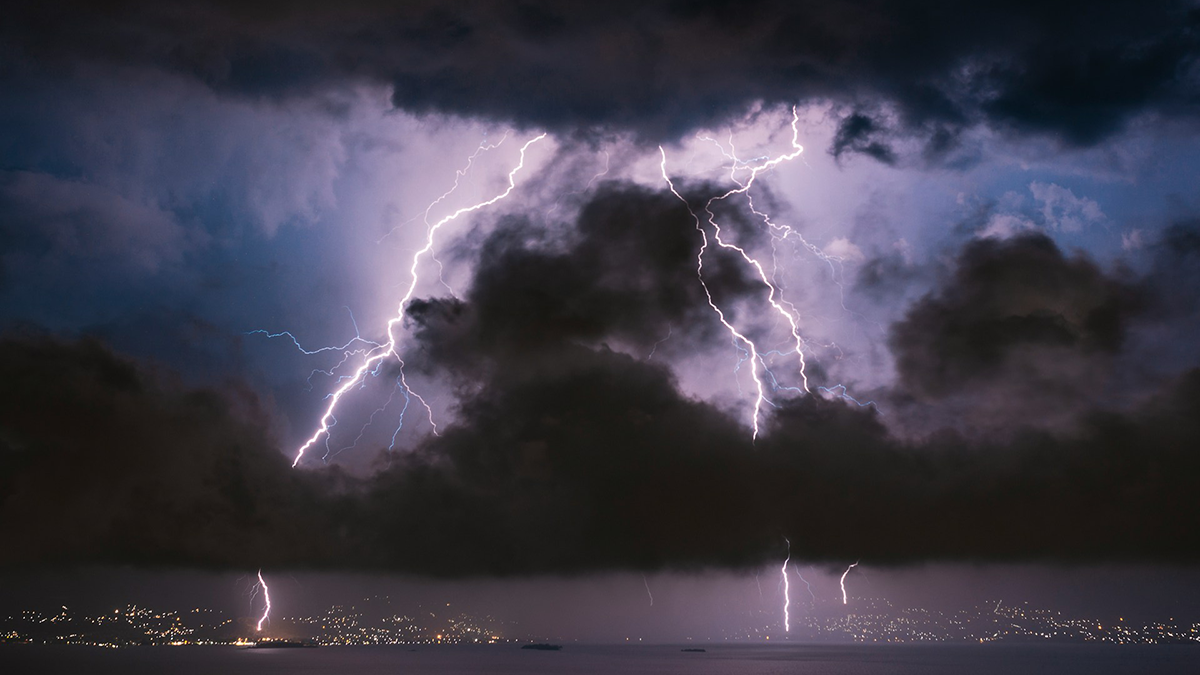
Photo of lightning bolds behind clouds at night.
Posted inEditors' Highlights

Why Are Thunderstorms More Intense Over Land Than Ocean?

by Alessandra Giannini 9 February 20269 February 2026

A new perspective on convective instability sheds light on the factors controlling intensity in the rising motions that produce precipitation, and occasionally thunder and lightning, over land.
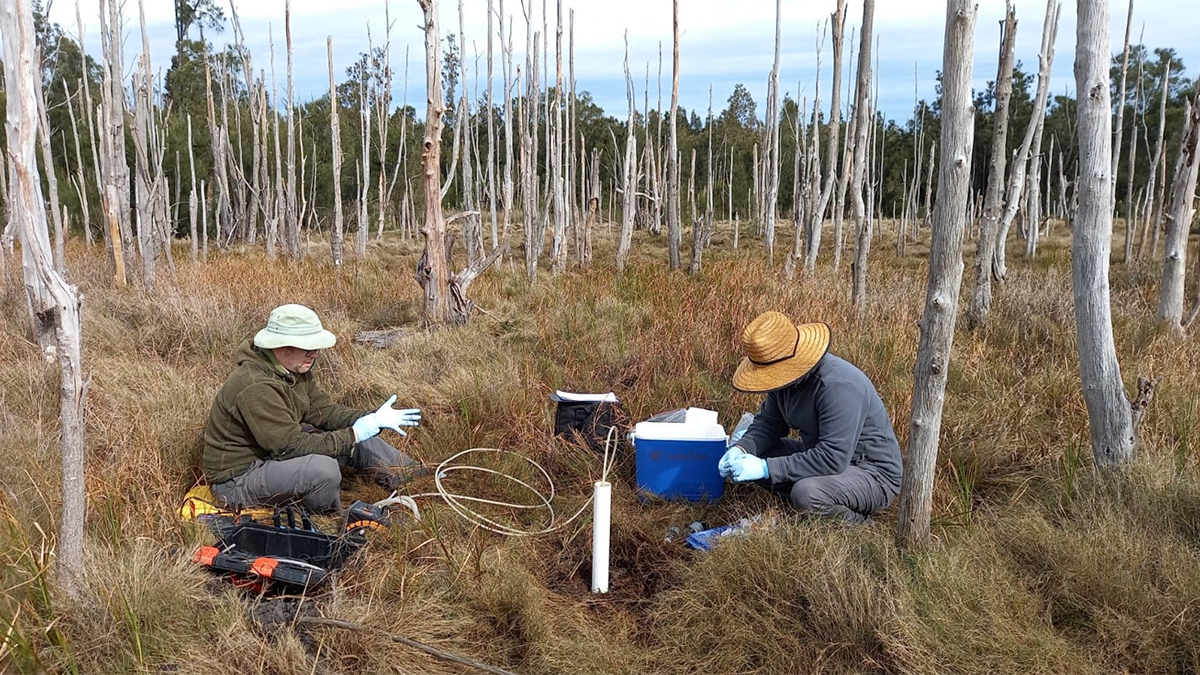
Two scientists collecting samples in a wetland.
Posted inEditors' Vox

Coastal Wetlands Restoration, Carbon, and the Hidden Role of Groundwater

by Mahmood Sadat-Noori 9 February 20269 February 2026

Coastal wetland restoration offers major carbon benefits, and understanding groundwater processes helps explain how these ecosystems store carbon over the long term.

Posts pagination

Newer posts 1 … 6 7 8 9 10 … 127 Older posts
Over a dark blue-green square appear the words Special Report: The State of the Science 1 Year On.

Features from AGU Publications

Research Spotlights

As Wildfires Increase in the West, So Does Suppression Spending

10 June 202610 June 2026
Editors' Highlights

Multi-Scale Fault Roughness Encapsulated in a Friction Law

11 June 202611 June 2026
Editors' Vox

Small-Scale Indian Ocean Dynamics Underpin Marine Ecology and Climate

4 June 20263 June 2026
Eos logo at left; AGU logo at right

About Eos
ENGAGE
Awards
Contact

Advertise
Submit
Career Center
Sitemap

© 2026 American Geophysical Union. All rights reserved Powered by Newspack