
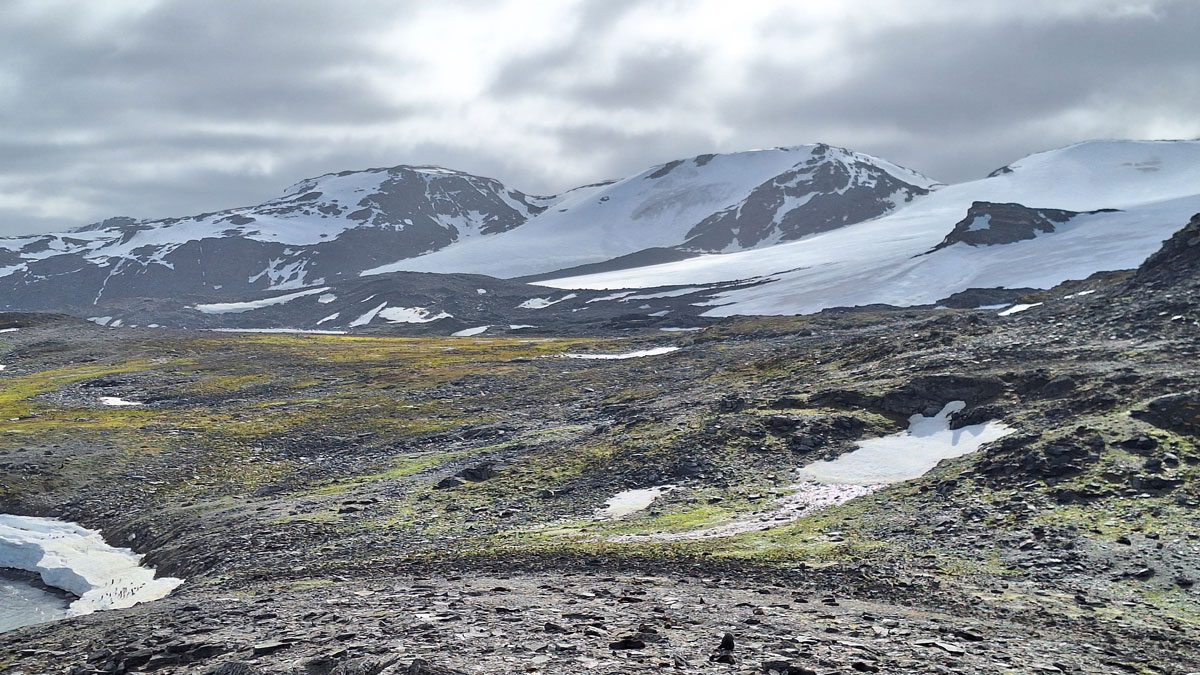
A study reveals interconnected changes under three emissions pathways and describes the emerging challenges facing Antarctic fieldwork.
climate
Posted inNews
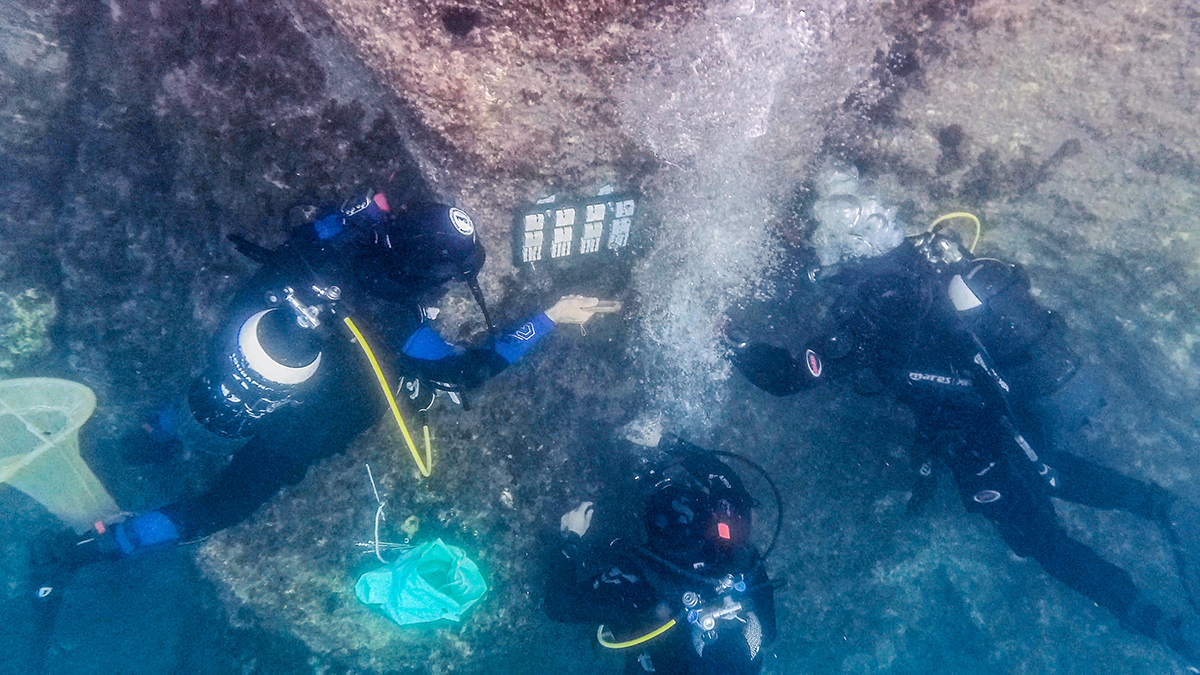
Acidifying Seas Are Wearing Away at Underwater Archaeology
Marble, limestone, and other carbonate rocks used throughout antiquity could start dissolving as oceans soak up more carbon dioxide.

Posted inNews
COVID-19 Shutdowns Saw Human Emissions Slow, but Atmospheric Methane Surged
An uptick in wetland emissions, as well as a scarcity of atmospheric OH radicals, contributed to the counterintuitive methane spike.
Posted inResearch & Developments, Uncategorized
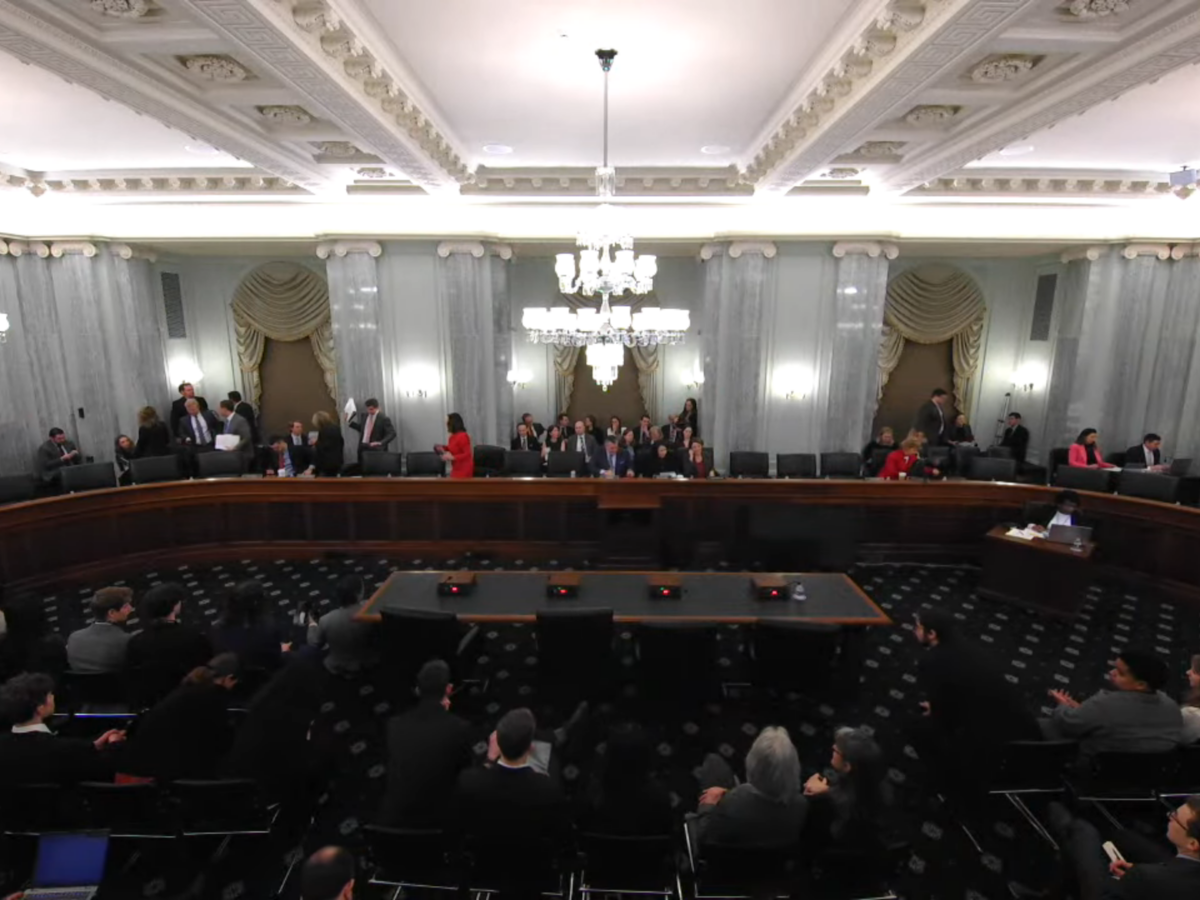
Senate Committee Approves Bill to Expand NOAA Capabilities

The markup meeting, to discuss the NASA Transition Authorization Act of 2026 and the Weather Research and Forecasting Innovation Reauthorization Act of 2026, lasted less than 20 minutes.
Posted inNews
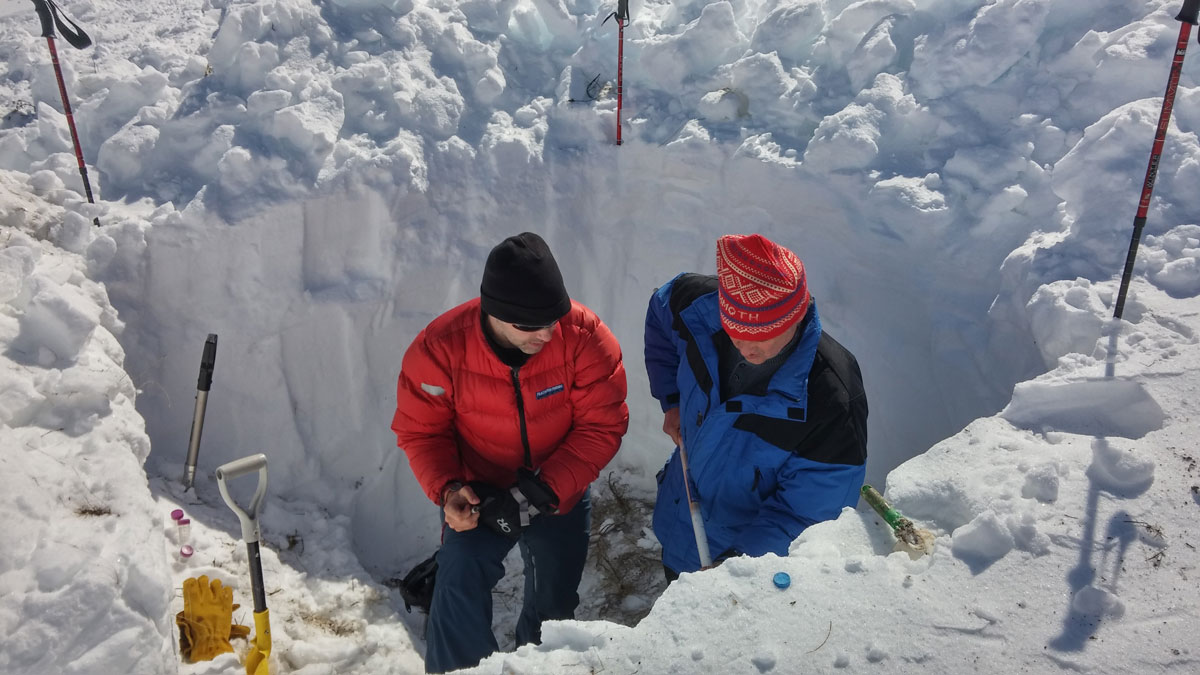
When the Snow Melts, Microbes Bloom
A new study illuminates a complex and changing world of microbes and nitrogen cycling that occurs during the winter.
Posted inResearch Spotlights
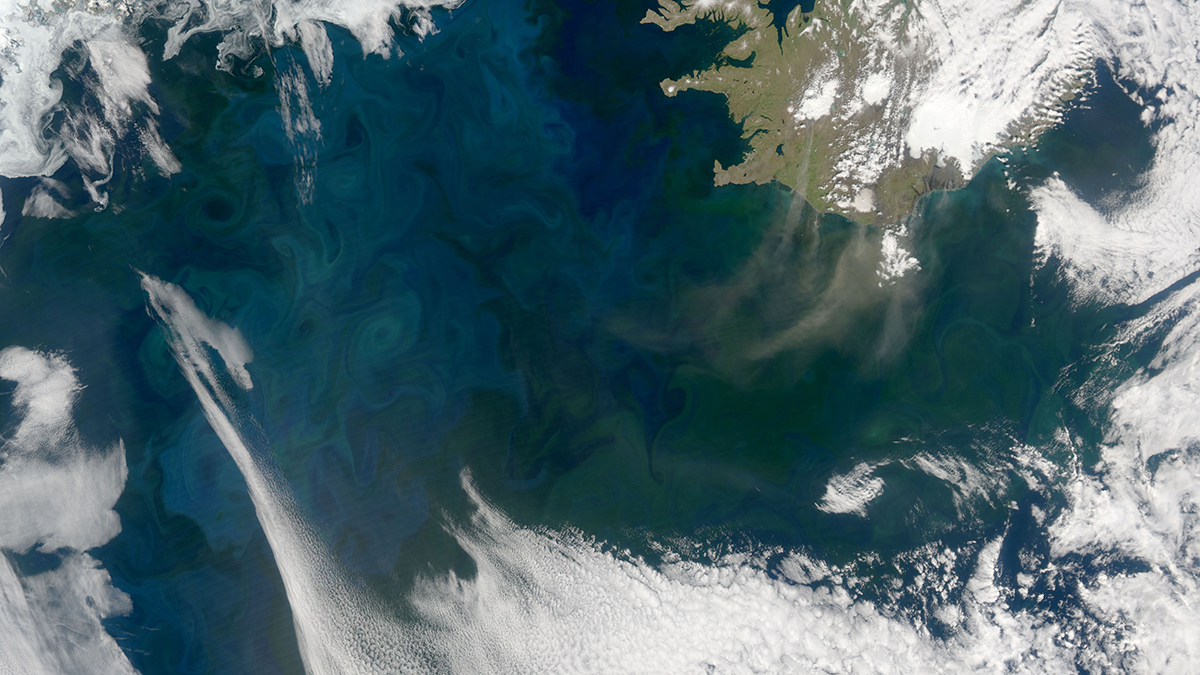
Bacteria Decide the Ocean’s Dissolved Organic Carbon Abundance
Dissolved organic carbon prevalence follows from how many bacteria are around to eat it, modeling suggests.
Posted inResearch & Developments
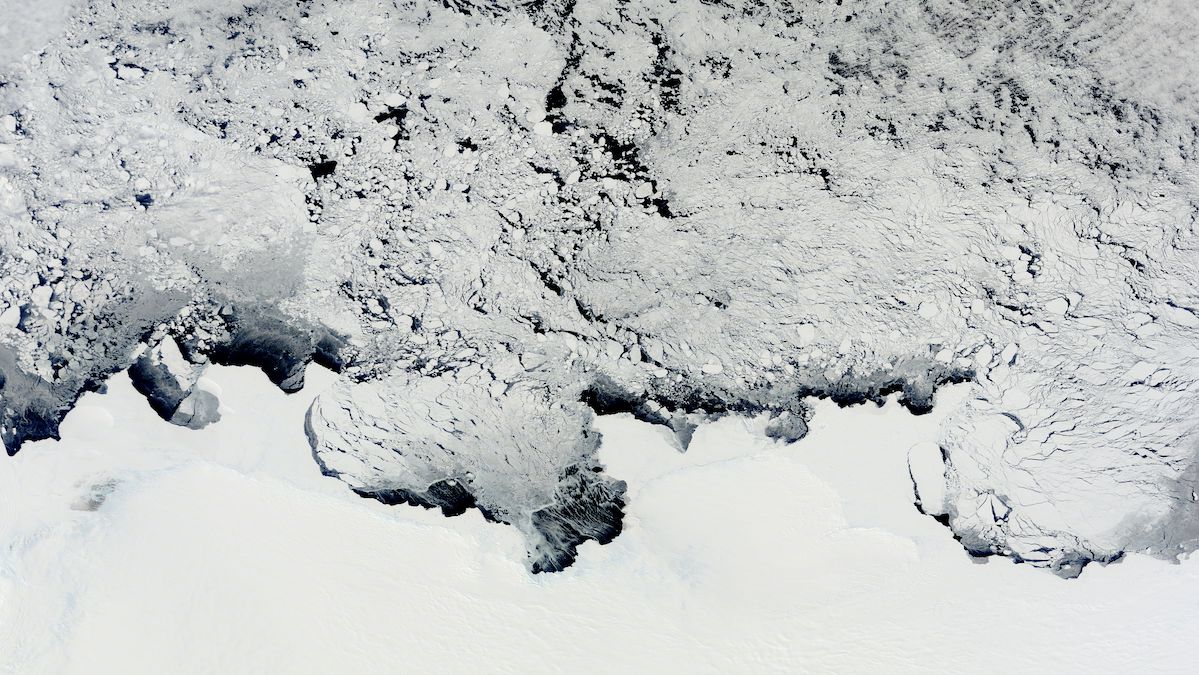
Antarctic Ice Sheet Has Lost a Connecticut-Sized Amount of Ice Over the Past 30 Years

A new study of Antarctica has found that since 1996, its ice sheet has lost 12,820 square kilometers (nearly 5,000 square miles) of ice—nearly enough to cover the state of Connecticut, or 10 cities the size of Greater Los Angeles.
Posted inNews
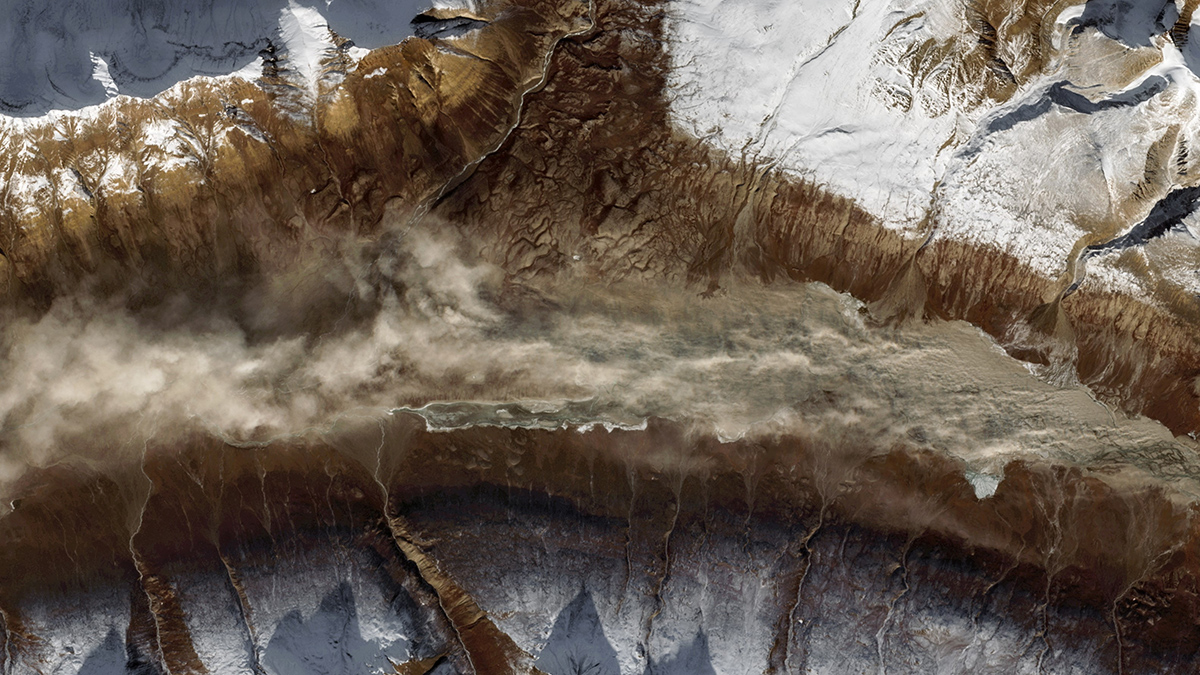
Greenland Dust Delivers Nutrients to Ice-Melting Algae
Researchers scrutinized aerosols above and within the ice sheet, finding phosphorus and other mineral particles.

Posted inNews
Marine Heat Waves Can Increase Coastal Rainfall

Unusually warm ocean waters can amplify extreme rainfall in downwind areas, leaving coastal communities—especially those in developing countries—at risk.

Posted inEditors' Highlights
Understanding Aerosol-Cloud Interactions is Pivotal for Improving Climate Predictions
Global cooperation and knowledge sharing are essential to improve our understanding of cloud formation and evolution through aerosol-cloud interaction.