


More U.S. scientists are running for state and federal office in the U.S. midterm elections than ever before, Nature reports.
culture & policy
Posted inResearch Spotlights
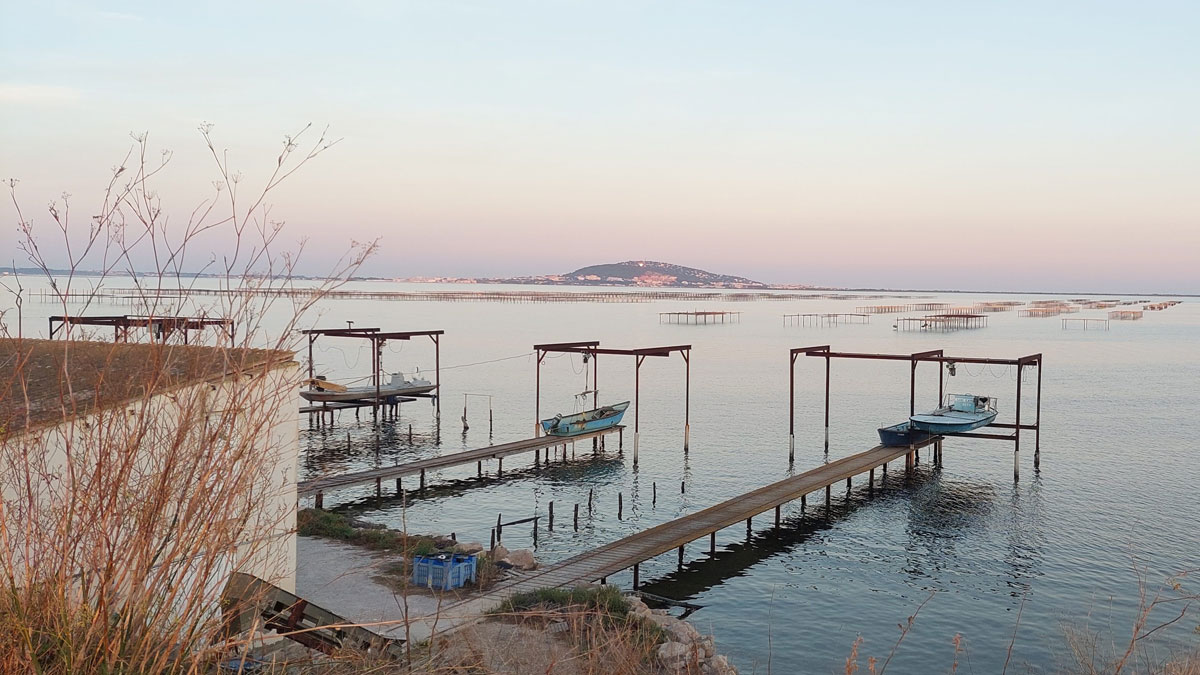
Mediterranean Mussel Farming Could Collapse by 2050

New experiments suggest that ocean warming and acidification are on track to slash both oyster and mussel farming yields.

Posted inResearch & Developments
FY2027 Budget Request Slashes Billions in Science Funding
The Trump administration is requesting the cancellation of billions of dollars in funds for space science, renewable energy, carbon removal, and climate change education in its FY 2027 budget.
Posted inNews
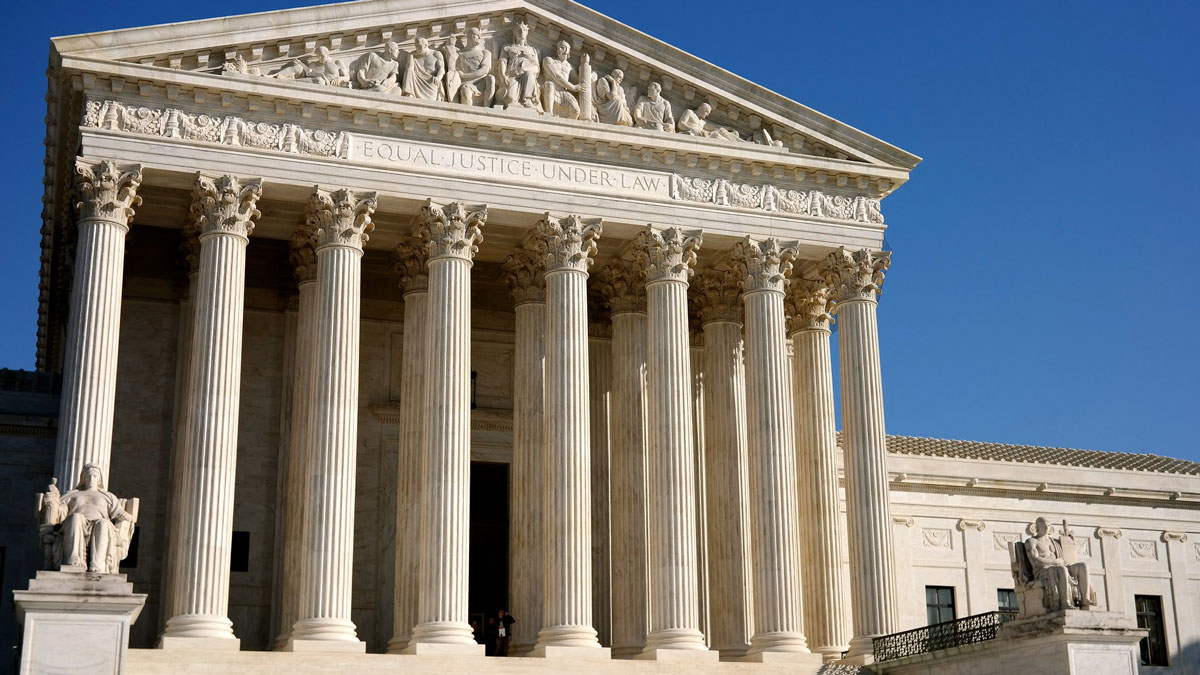
Climate Science Has No Place in Scientific Reference Manual for Judges, Attorneys General Say
A chapter on climate science has been removed from a manual designed to be an independent, neutral source of scientific information for judges.
Posted inNews
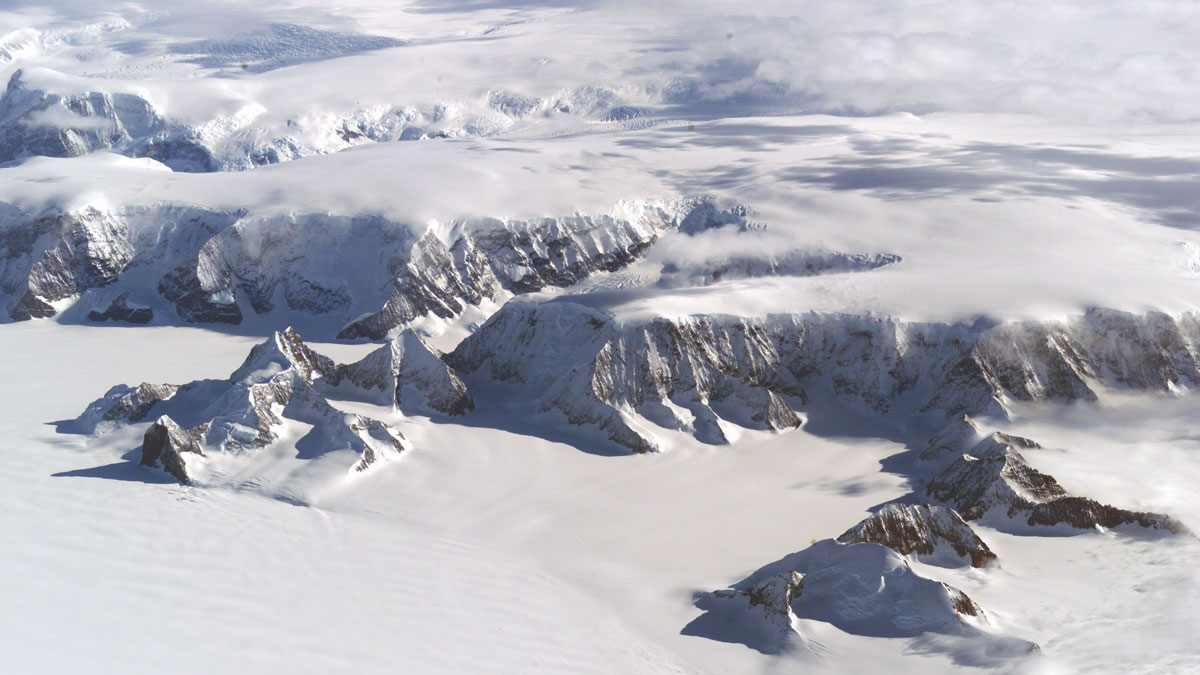
As Ice Recedes and Land Rebounds, Antarctica’s Mineral Resources Come into Focus

Melting ice, rebounding land, and rising seas will change what resources are available in Antarctica, a new analysis finds.

Posted inEditors' Highlights
The Multi-Faceted Water Footprint of Data Centers
Data centers powering artificial intelligence consume significant amounts of water, highlighting the need for greater transparency regarding water use in both existing and planned facilities.
Posted inResearch & Developments
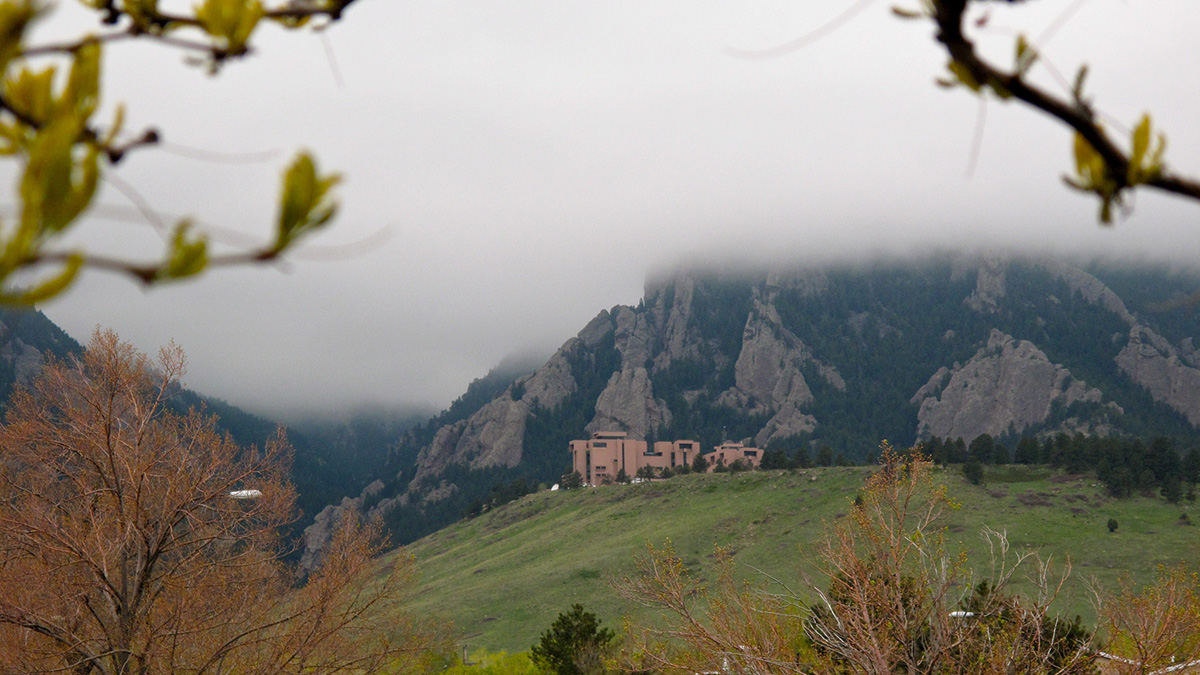
UCAR Sues Federal Agencies
The lawsuit alleges that the federal agencies are “waging a campaign of retaliation” against Colorado and its institutions because the state has not bowed to federal authorities.
Posted inNews
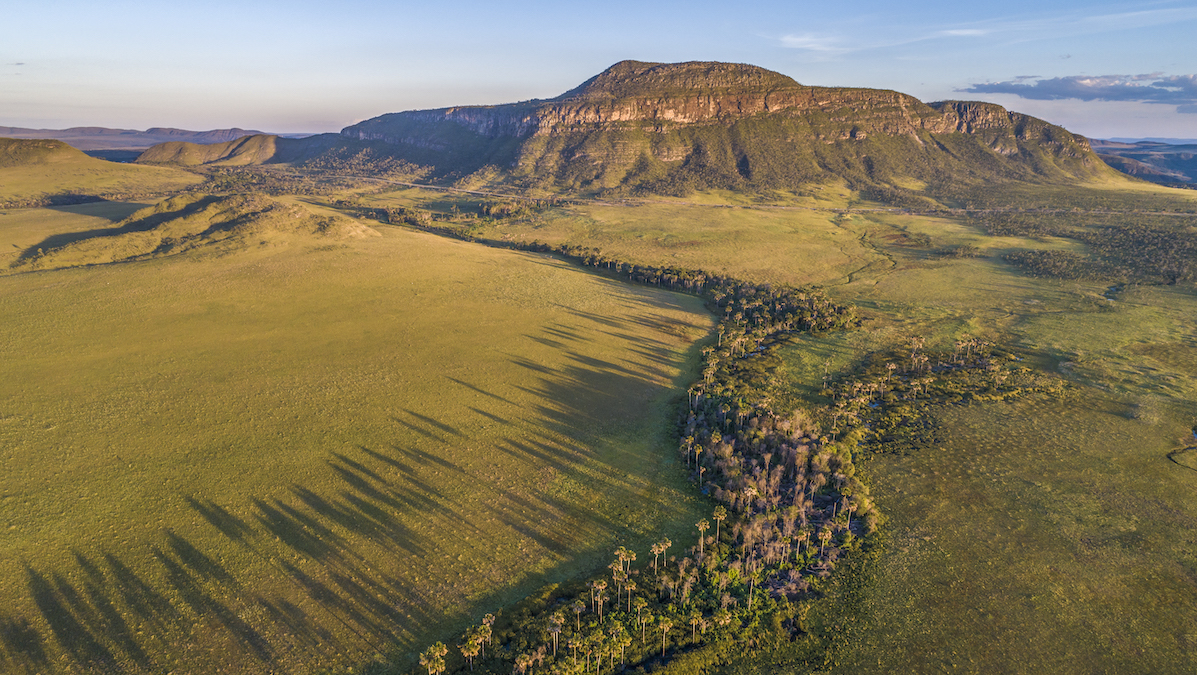
These Underprotected Brazilian Wetlands Store Carbon with Staggering Density
The Cerrado, largely overlooked in climate science and policy, is a critical carbon sink, according to new research.
Posted inOpinions
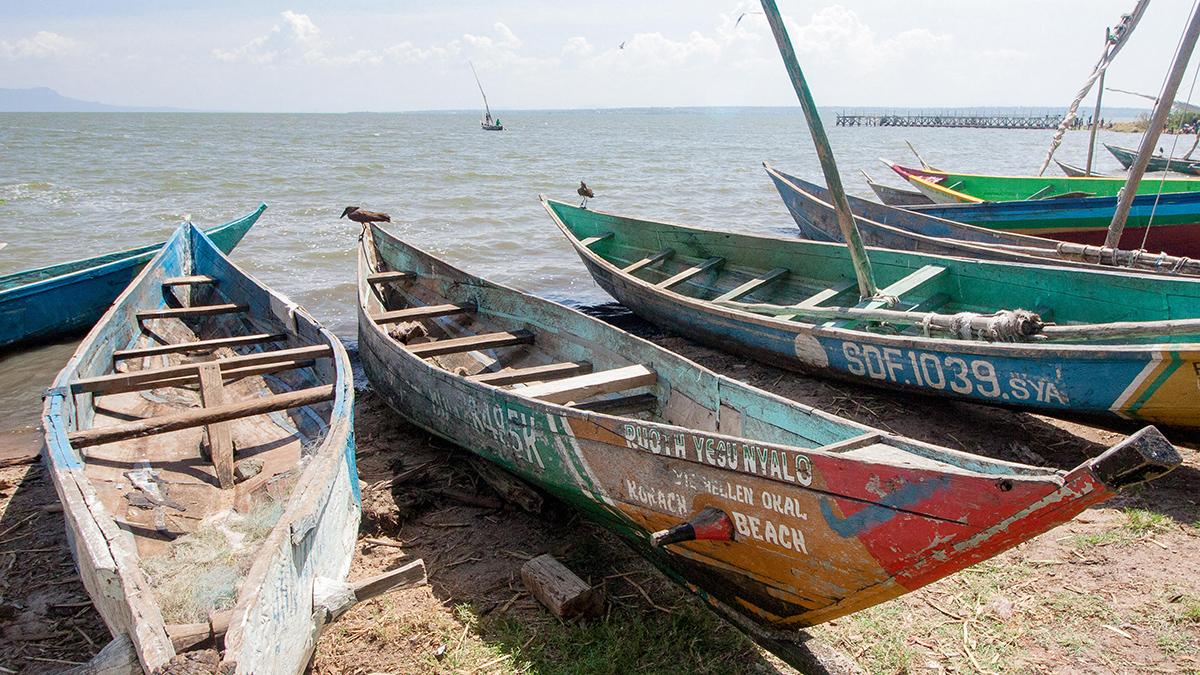
Poor Health and Systemic Inequity Fuel Environmental Harm
Environmental degradation poses well-established risks to human health. But the relationship between the two isn’t a one-way street.
Posted inNews
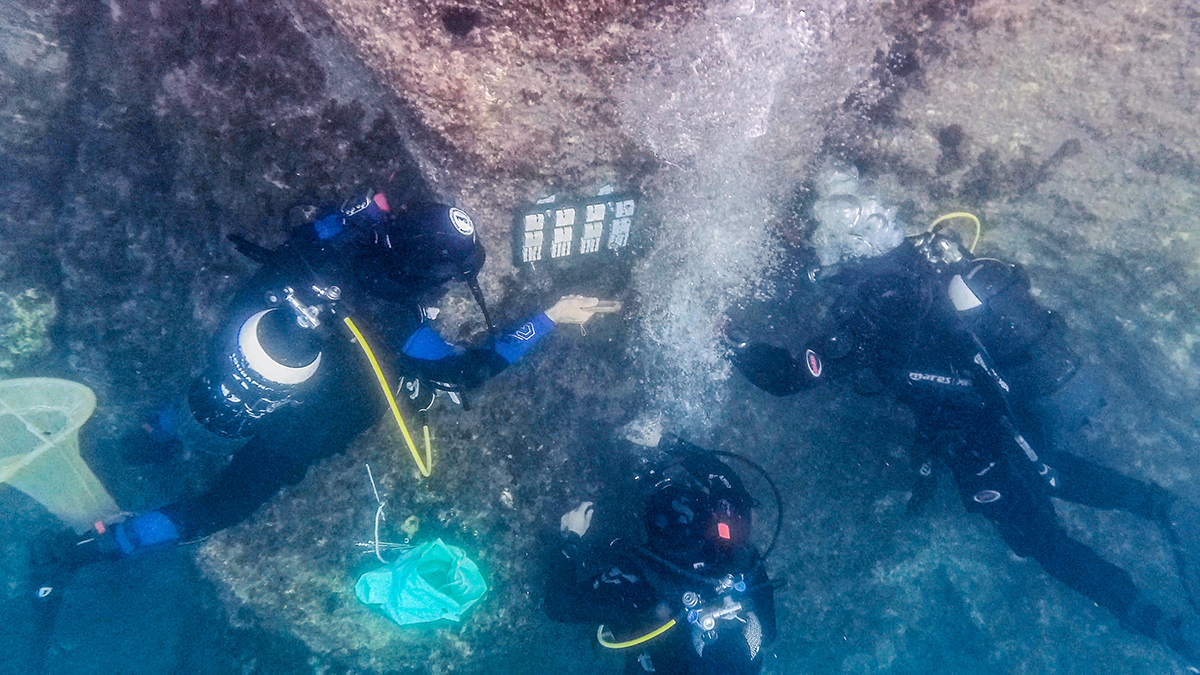
Acidifying Seas Are Wearing Away at Underwater Archaeology
Marble, limestone, and other carbonate rocks used throughout antiquity could start dissolving as oceans soak up more carbon dioxide.