
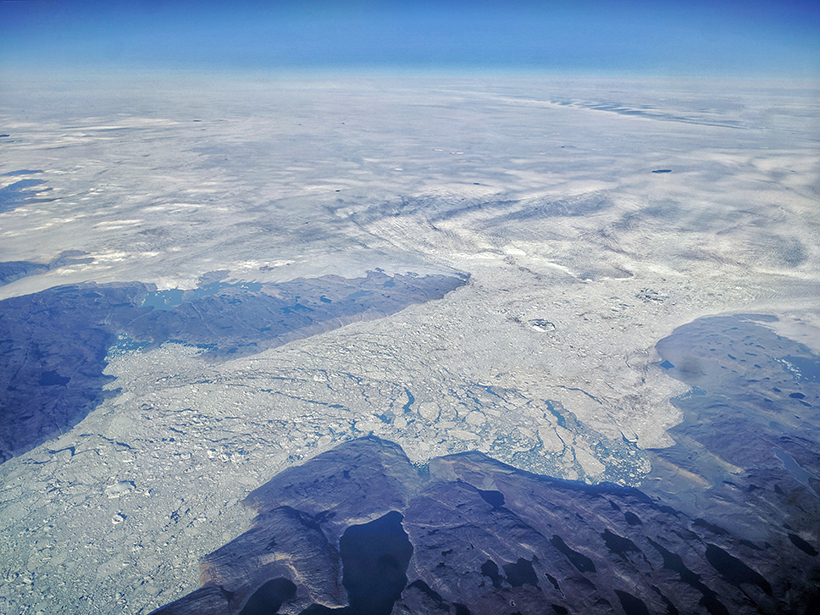
Researchers collaborated to produce and evaluate a new version of the Community Earth System Model, and they are documenting their work in the AGU CESM2 virtual special issue.
Earth science
Posted inEditors' Vox
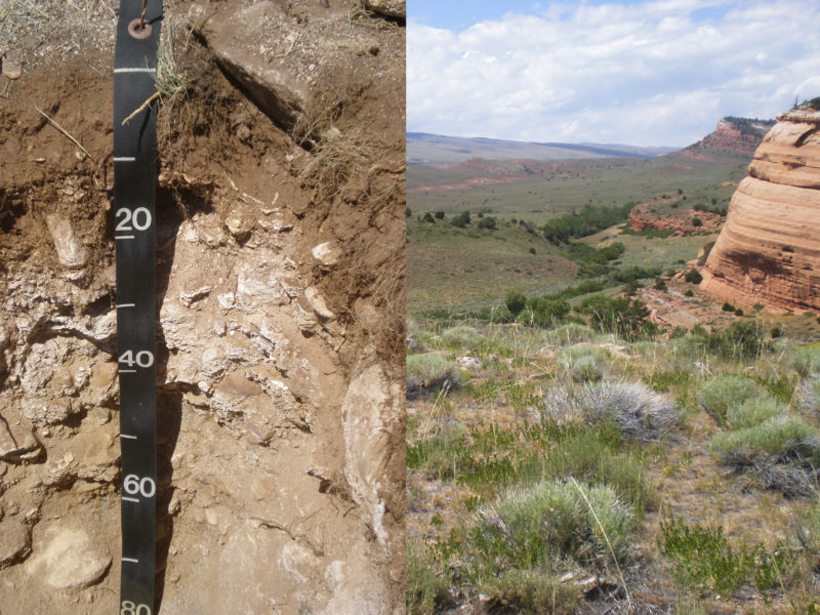
Exploring the Engine and Drivers of Soil Formation
A new book presents a multidisciplinary perspective on soil, exploring it as a nexus for water flow, near surface (bio)geochemistry, erosion and deposition, and biologically coupled nutrient cycling.

Posted inResearch Spotlights
An Innovative Approach for Investigating Subduction Slip Budgets
A new 3D model offers a state-of-the-art look at the full spectrum of slip behaviors in the Nankai subduction zone off Japan.
Posted inGeoFIZZ
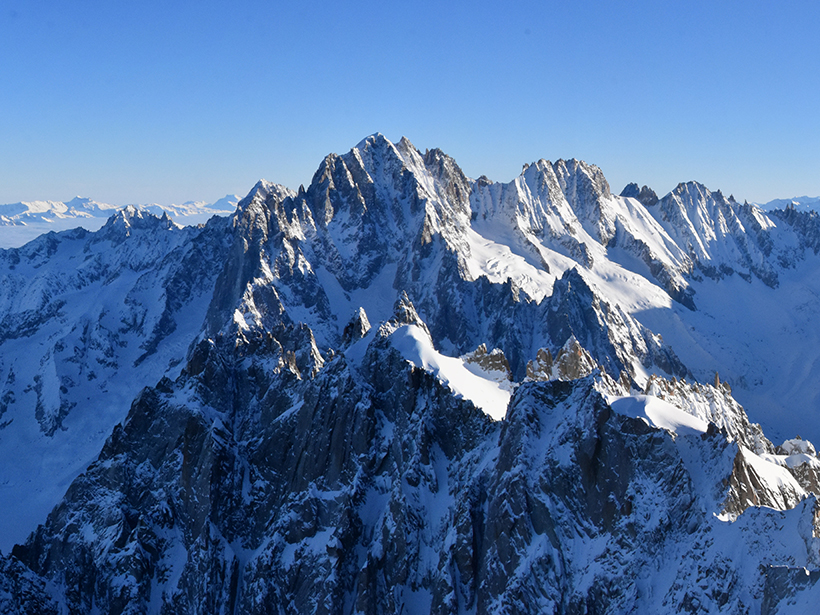
Cubist Geomorphology: Your Kinship with Picasso, Explained
Asked to imagine a modeled landscape, you probably wouldn’t first think of a Cubist painting. But Cubists and geoscientists may have more in common than meets the eye.

Posted inNews
Modeling the Creation of Cratons, Earth’s Secret Keepers
Geoscientists have long been trying to answer the complicated questions of how and why Earth’s continents formed. New research suggests a solution that surprised even the investigators themselves.

Posted inEditors' Vox
Special Collection on Open Collaboration Across Geosciences
Join open writing teams to collaborate on commentaries for a special collection describing approaches that embody synthesis, cross-disciplinary integration, and open science across geosciences.
Posted inFeatures
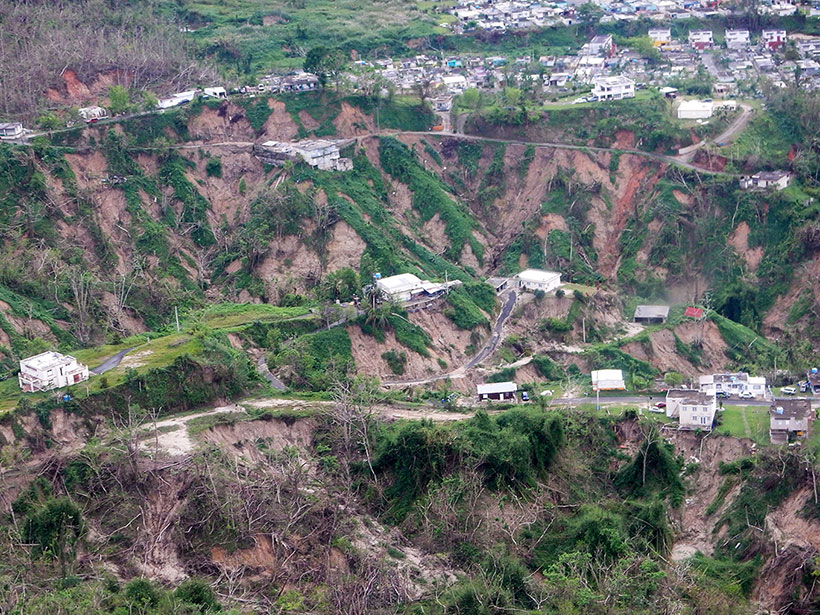
A Slippery Slope: Could Climate Change Lead to More Landslides?

Scientists investigate whether warming temperatures and changing rainfall patterns could be triggering more landslides in mountainous areas.

Posted inEditors' Vox
New Insights from the Magnetic Properties of Fault Rocks
Magnetic studies offer a new strand for the analysis of faulting processes and could help with better understanding of fault rupture and earthquakes.

Posted inFeatures
An Unfought Geoscience Battle in U.S. Prisons

Prisoners, activists, and lawyers are fighting to protect incarcerated people from pollution and the dangers of climate change. There’s a place for geoscientists in the fight too.

Posted inEditors' Highlights
Frequency Dependent Plates
Rocks stretch, break, and flow, depending on how and under which conditions they are loaded. A new formulation to better capture Earth’s rheology is explored in the context of plate thickness.