

In our June issue, Eos looks at how scientists and city planners are partnering to protect our vital urban forests.
Earth science

Posted inFeatures
Changing the Culture of Fieldwork in the Geosciences
The need to address harassment in field campaigns is growing more urgent. A new workshop provides scientists with a broad set of tools to create more inclusive, safe, and functional field teams.
Posted inEditors' Vox
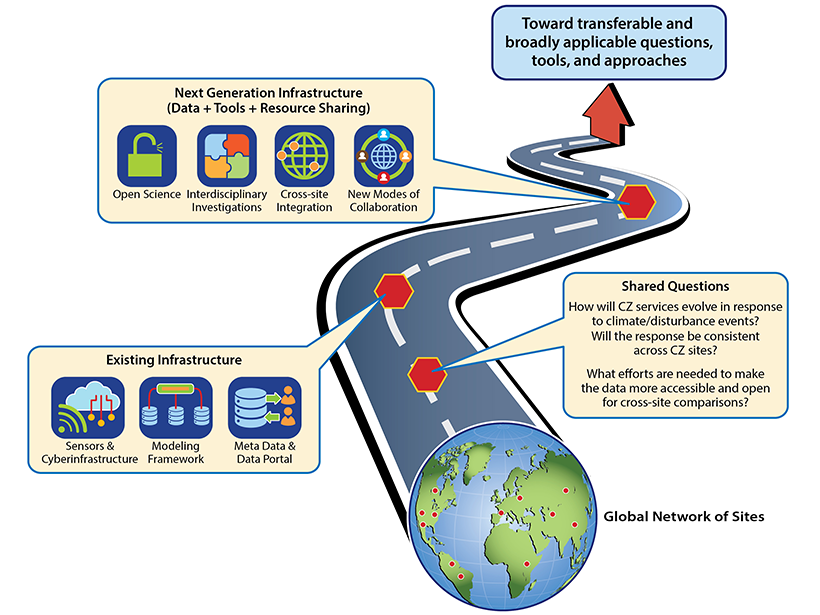
The Future of Critical Zone Science: Call for Papers
Contributions are invited to a new cross-journal special collection that describe novel advances in critical zone research, with specific consideration for transferable and broadly applicable science.
Posted inEditors' Vox
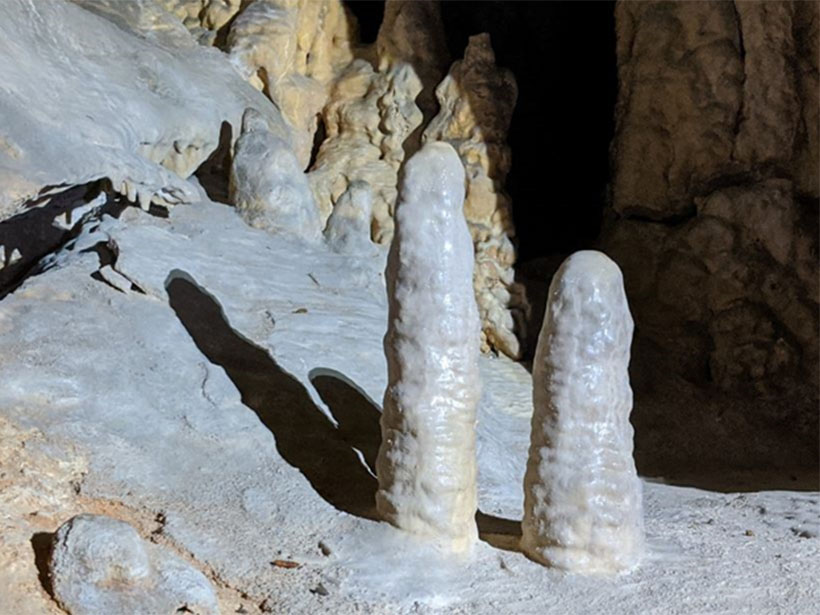
Stalagmite Layers Reveal Hidden Climate Stories
A global investigation discovers where annually laminated stalagmites are found, analyzes their growth properties, and explains how they can be best used in Earth science research.

Posted inResearch Spotlights
拉丁美洲环境观测网络的缺口

尽管拉丁美洲对全球碳和水循环具有显著影响,但其在FLUXNET站点中所占的比例相对较小,这限制了该观测网络在该地区的代表性。

Posted inNews
Turf’s Dirty Little Secret

Greenhouse gas emissions from sports fields may be scoring points for climate change.

Posted inResearch Spotlights
The Gaps in Environmental Networks Across Latin America
Despite its notable influence on global carbon and water cycles, Latin America accounts for a relatively small share of FLUXNET sites, which limits the representativeness of the network in the region.
Posted inFeatures
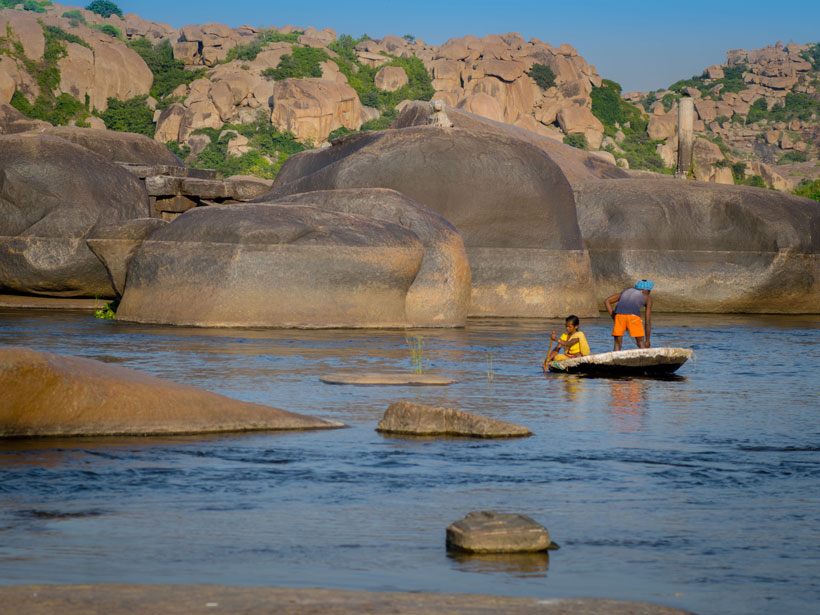
Cratons, Why Are You Still Here?
How have these continental relics from Earth’s early history survived the plate tectonic mixing machine?
Posted inScience Updates
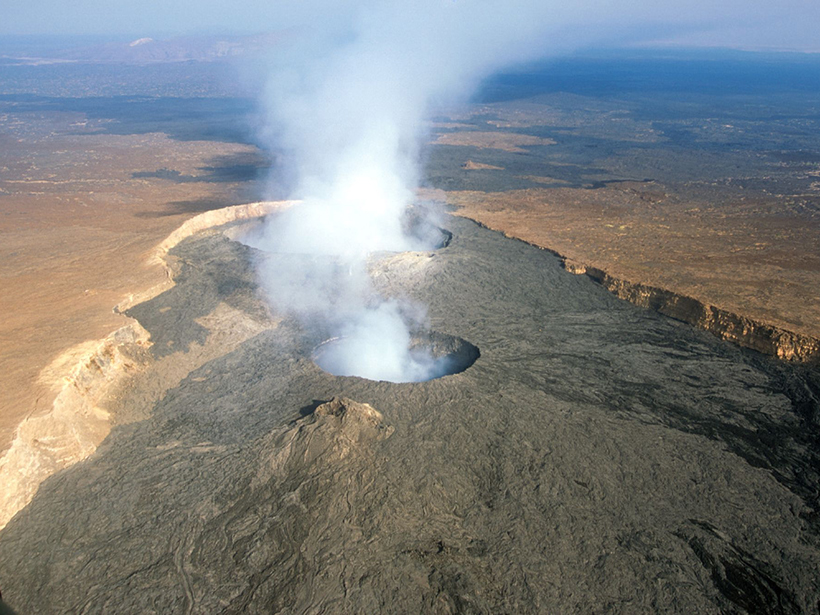
Breaking Up Is Hard to Do, Especially for Continents
A decade-long research collaboration has revealed that the split between Africa and North America roughly 200 million years ago was more drawn out than previously thought.
Posted inOpinions
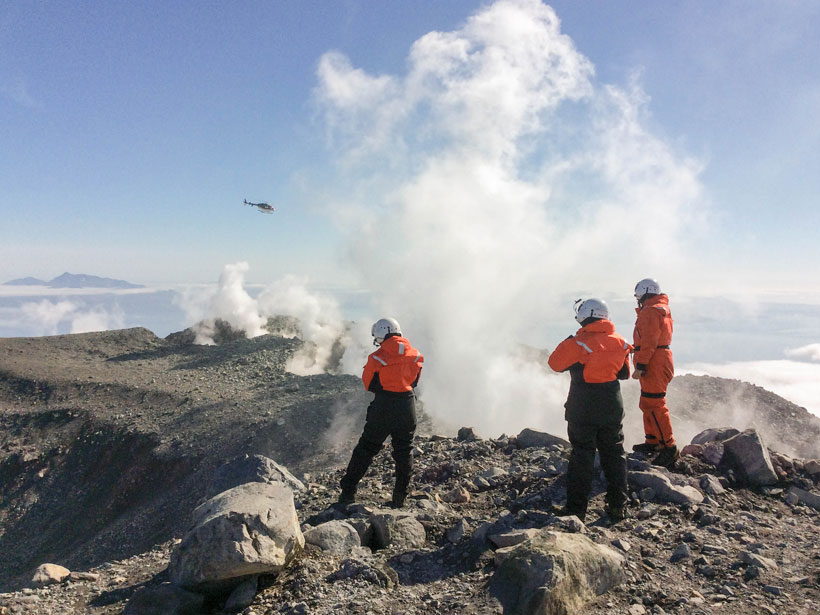
A Successful Model for Interdisciplinary Research
Over the past decade, the GeoPRISMS program has greatly expanded understanding of shoreline-spanning Earth systems processes and fostered a vibrant and increasingly diverse community of researchers.