

The geology and the structure of Earth’s critical zone control subsurface moisture storage potential and determine the resilience of forest and river ecosystems to drought.
Earth science
Posted inFeatures
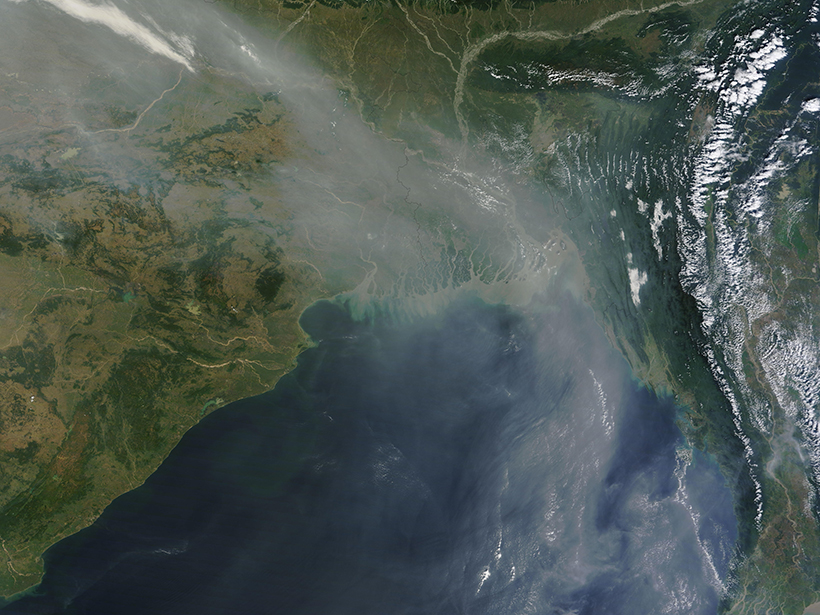
The Bay of Bengal and the Curious Case of the Missing Rift
In a classic detective story, clues from data new and old helped researchers reveal the puzzling chain of tectonic events that followed the Early Cretaceous split between India and Antarctica.

Posted inScience Updates
Critical Agents of Change at Earth’s Surface
By way of agriculture and industry, humans have major influences on the critical zone. Our past and present effects on the landscape, soil, and water will echo for a long time to come.

Posted inResearch Spotlights
How River Capture Affects the Evolution of Aquatic Organisms
River basins are dynamic environments that are always changing and reorganizing under geologic forces. New research investigates how this shape shifting influences aquatic speciation and extinction.
Posted inScience Updates
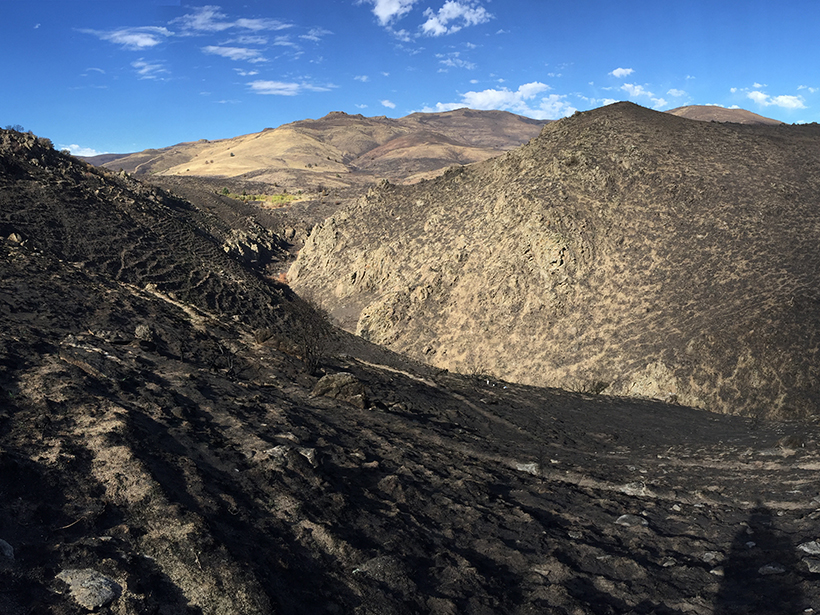
Soil Signals Tell of Landscape Disturbances
The lasting influence humans have on Earth’s critical zone—and how geologic forces have mediated those influences—is revealed in studies of soil and carbon migration.

Posted inScience Updates
Life Teems Below the Surface
Scientists are resolving how plants, microbes, and lithology sculpt the structure of the critical zone.

Posted inAGU News
Next Steps for the Critical Zone

In October, Eos examines a pivotal point for a field of science that’s starting to make a name for itself.

Posted inOpinions
Demystifying Critical Zone Science to Make It More Inclusive
A new network that embraces scientists with wide-ranging experiences and expertise aims to solve the challenges of Earth’s critical zone.

Posted inFeatures
Critical Zone Science Comes of Age
The developing field, which unites Earth scientists to examine the planet’s surface as a single, unified entity, is unraveling the complex, interconnected processes that support life on Earth.
Posted inEditors' Highlights
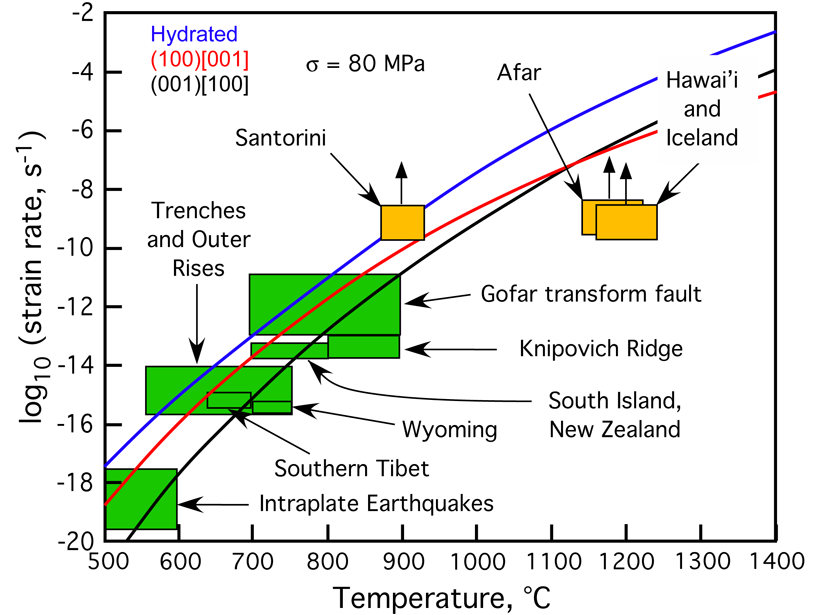
Strain Rate: The Overlooked Control on Earthquake Depth
Regional strain rate may play as significant a role as temperature in governing the depth distribution of earthquakes in mantle lithosphere.