
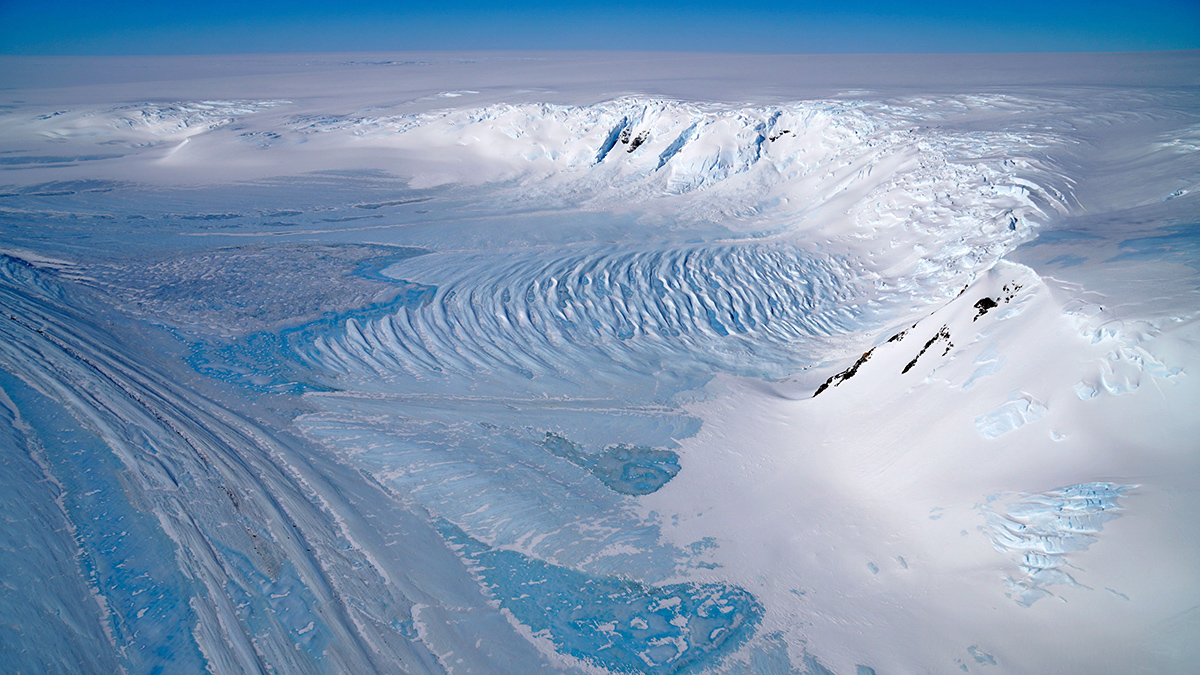
Fragments of blue ice up to 6 million years old—the oldest ever found—offer key insights into Earth’s warming cycles. Researchers are using these ancient data to refine models of our future climate.
Earth science
Posted inEditors' Highlights
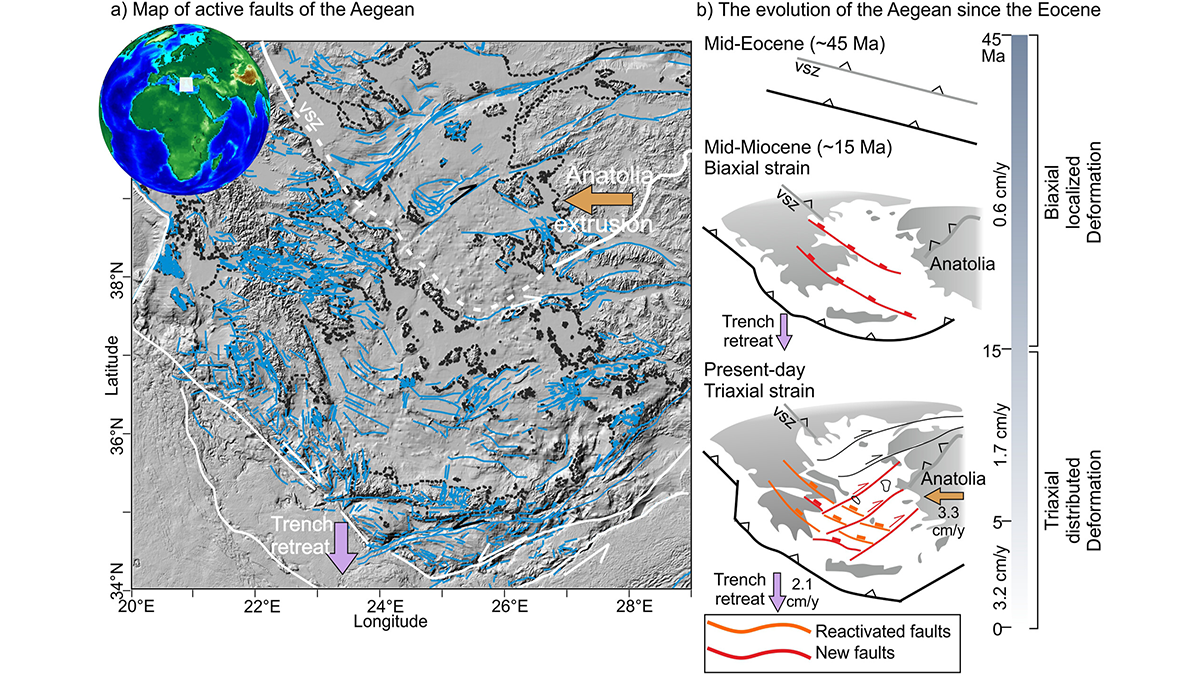
The Language of the Crust: Investigating Fault-to-Fault Interactions
Faults don’t just form—they respond, resist, and reshape the crustal narrative.
Posted inNews
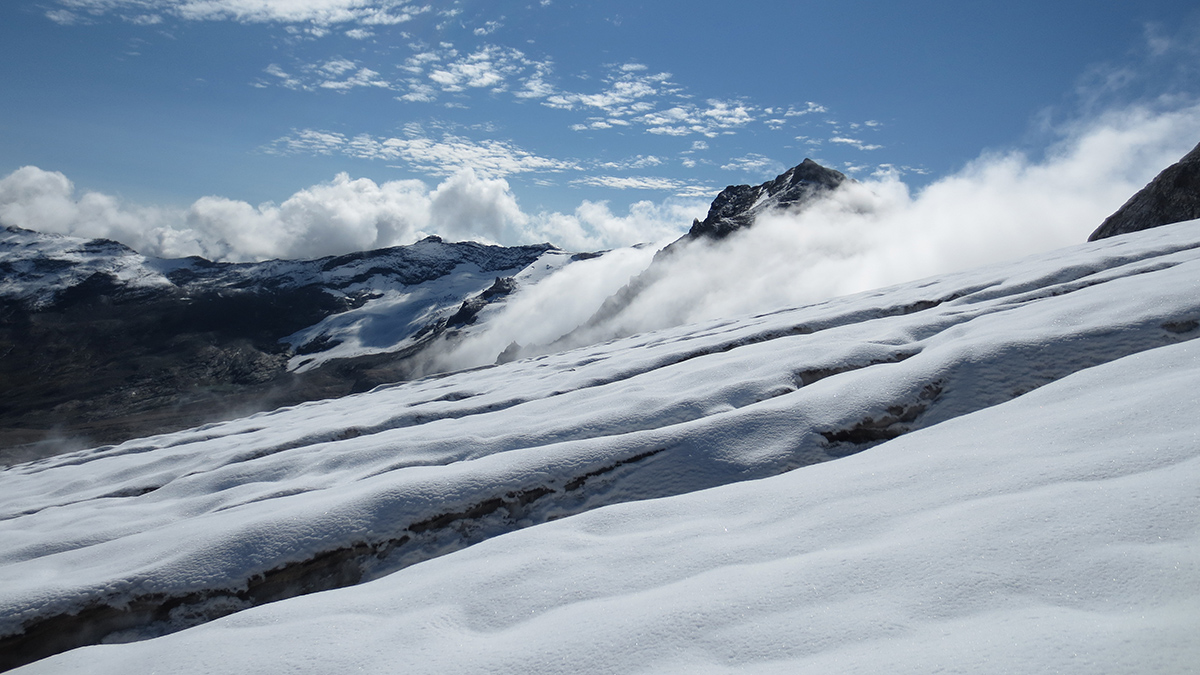
Glaciers Are Warming More Slowly Than Expected, but Not for Long
An unprecedented dataset offers insight into the counterintuitive cooling effect of glaciers on a global scale.
Posted inEditors' Highlights
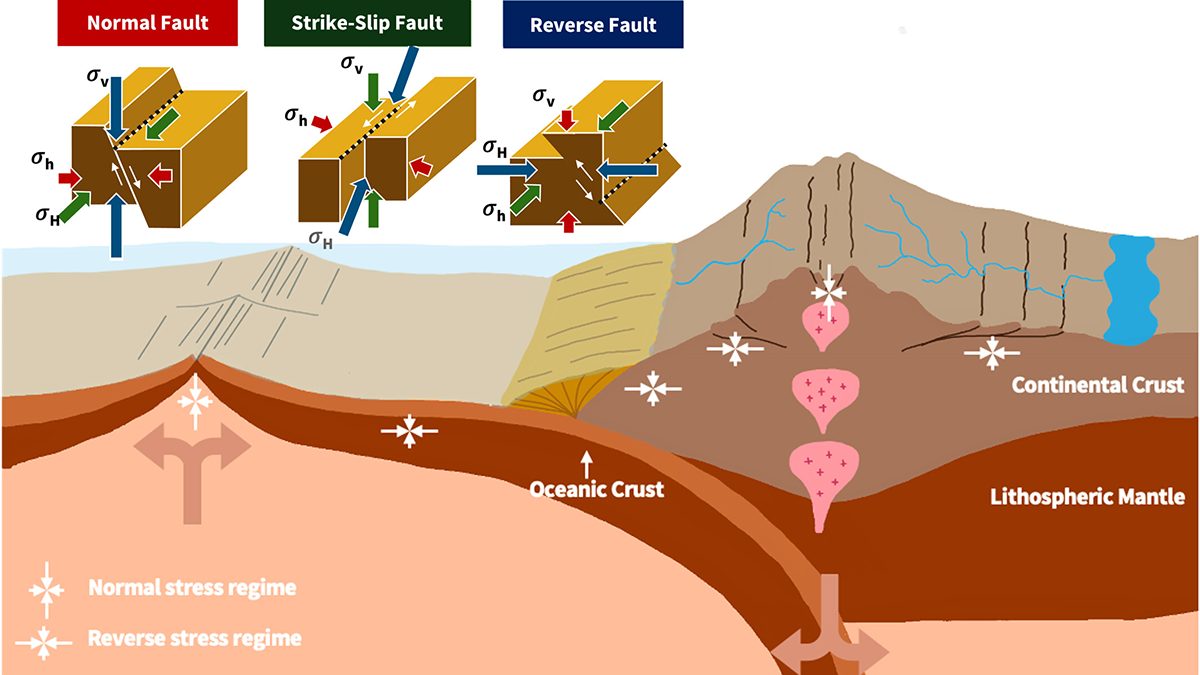
From Mantle Flow to River Flow: Shaping Earth’s Surface from Within
The convection of the Earth’s mantle shapes its surface, carving fault networks into the lithosphere that can guide the course of rivers.
Posted inEditors' Highlights
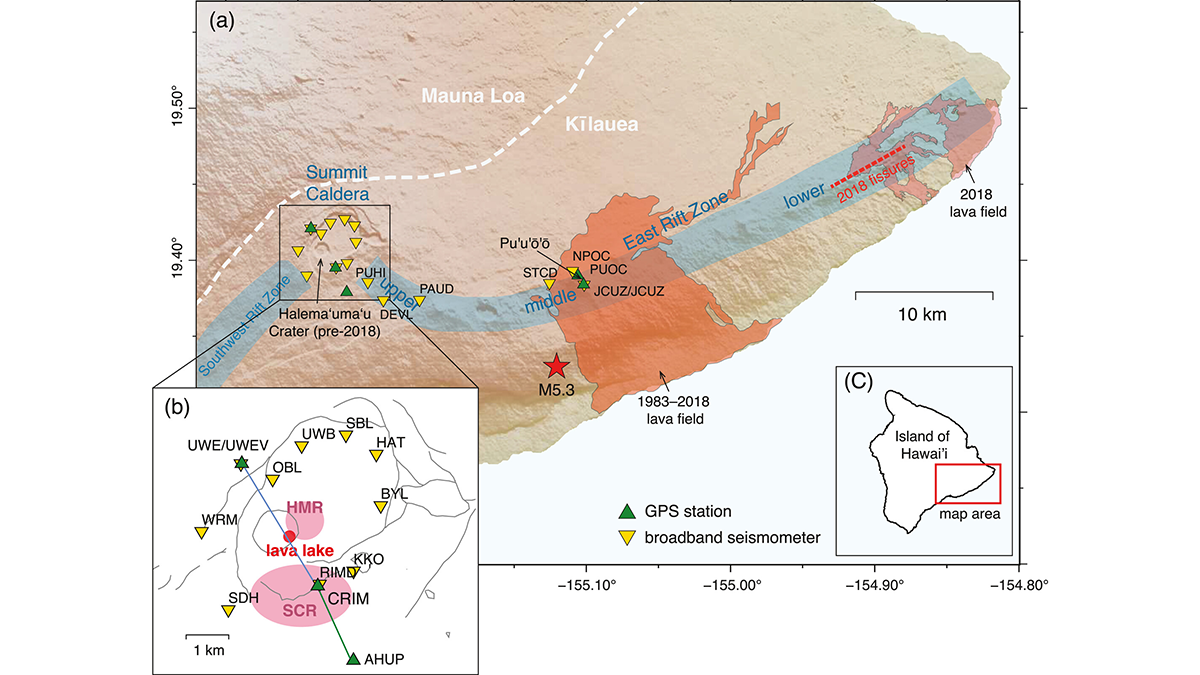
Complex Plumbing Dynamics for Kīlauea Volcano
A new analysis of subtle seismic velocity changes provides insights into the coupling of magma reservoirs of Hawaiian volcanoes.
Posted inEditors' Vox
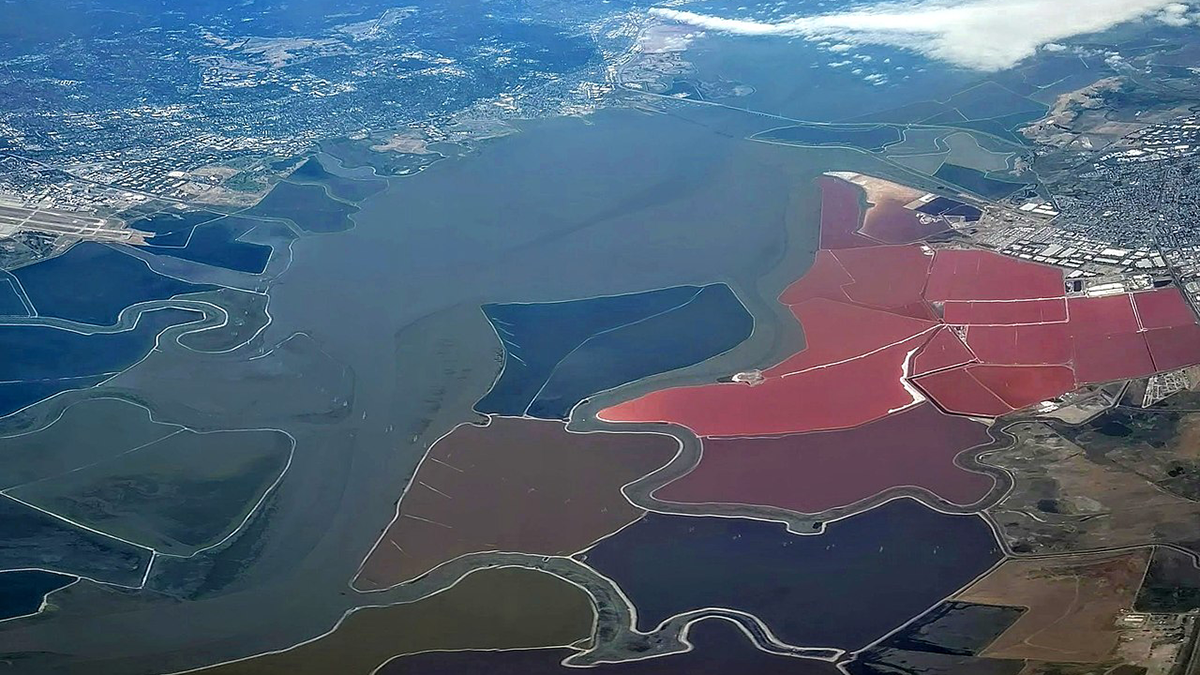
Echoes From the Past: How Land Reclamation Slowly Modifies Coastal Environments
Reclamation of tide-influenced areas has a large impact on coastal environments through gradual modification of tidal dynamics, erosion, and siltation.
Posted inEditors' Highlights
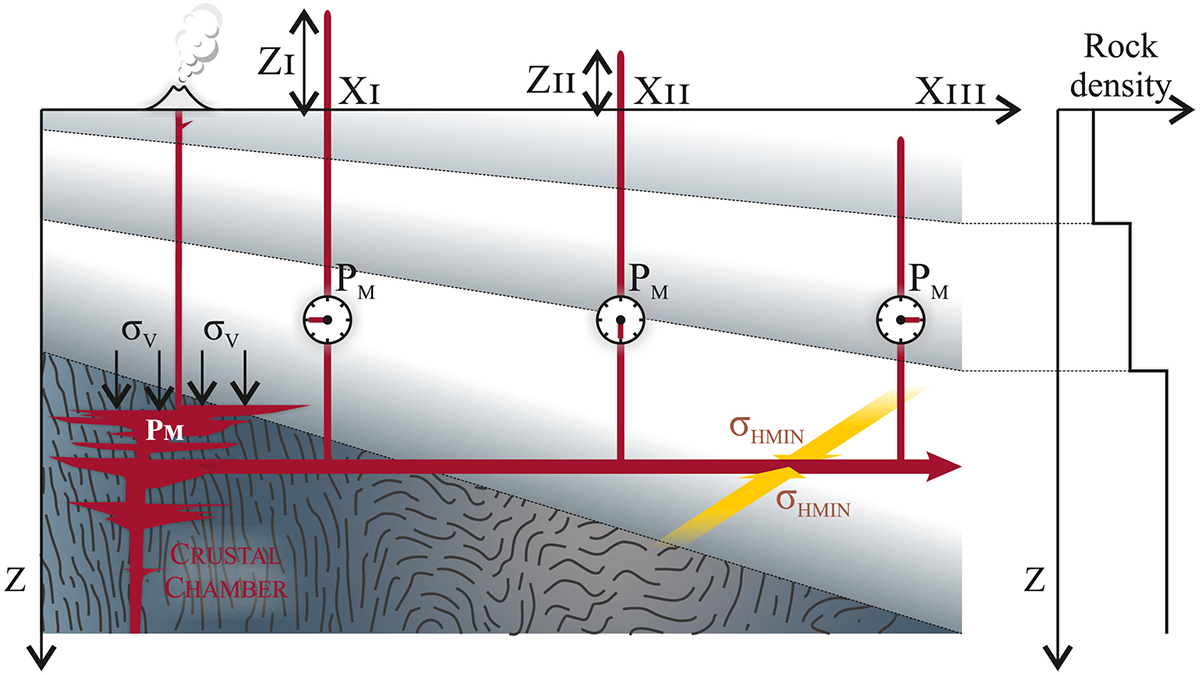
The Invisible Brake: Near‑Surface Cooling Stalls Giant Dyke Swarms
Sill-based pressure reconstructions show Mull’s giant dykes had eruption-capable pressures, but near‑surface groundwater cooling increased magma viscosity and stalled lateral propagation.
Posted inNews
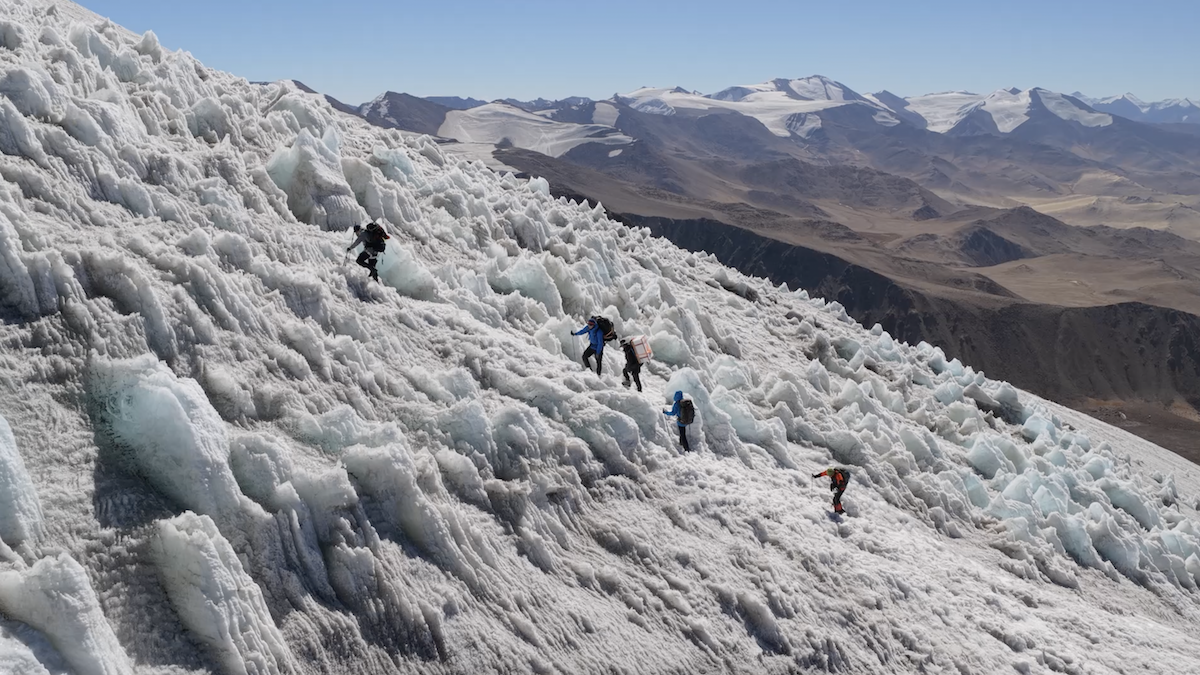
Pamir Glacier Expedition Returns with High-Elevation Ice Cores

The three glacial cores will unlock mysteries about past climate and weather patterns in central Asia.
Posted inNews
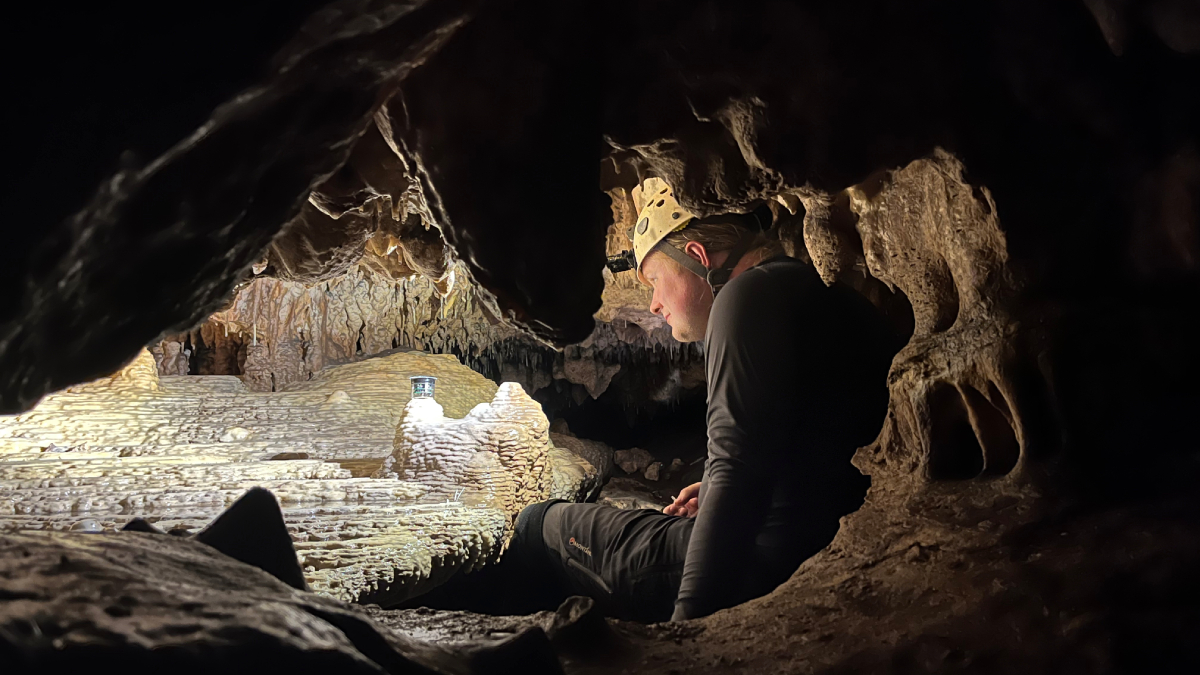
Grandes Sequias Coincidieron con el Colapso Maya Clásico

El entendimiento de cómo las ciudades individuales respondieron al estrés climático ayudará a crear imágenes holísticas de cómo estas sociedades funcionaban.
Posted inNews
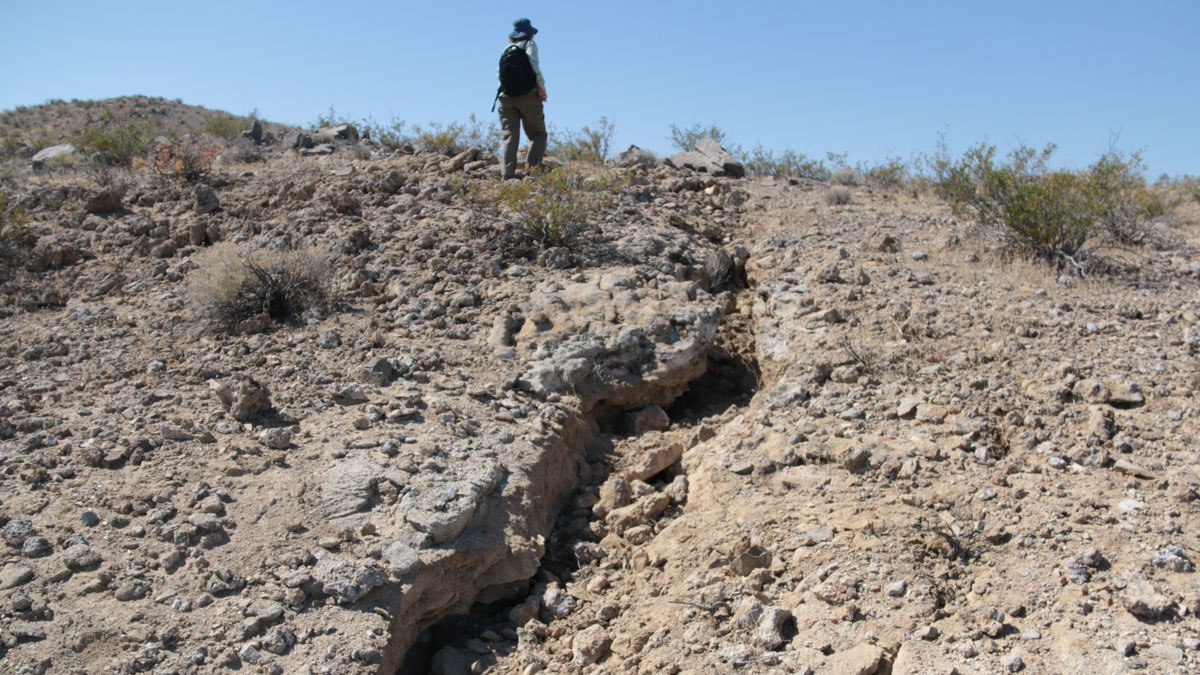
The Ridgecrest Earthquake Left Enduring Damage in Earth’s Deep Crust
The shallow crust has recovered since California’s 2019 quake, but damage persists at depths greater than 10 kilometers.