


New observations of cold fog formation could eventually improve forecasting.
Earth science

Posted inEditors' Highlights
Rainstorm Intensity Drives Desert Landscape Evolution
New mathematical models show that the persistence of near-vertical cliffs in arid landscapes is maintained by infrequent, but high-intensity rain storms.
Posted inResearch Spotlights
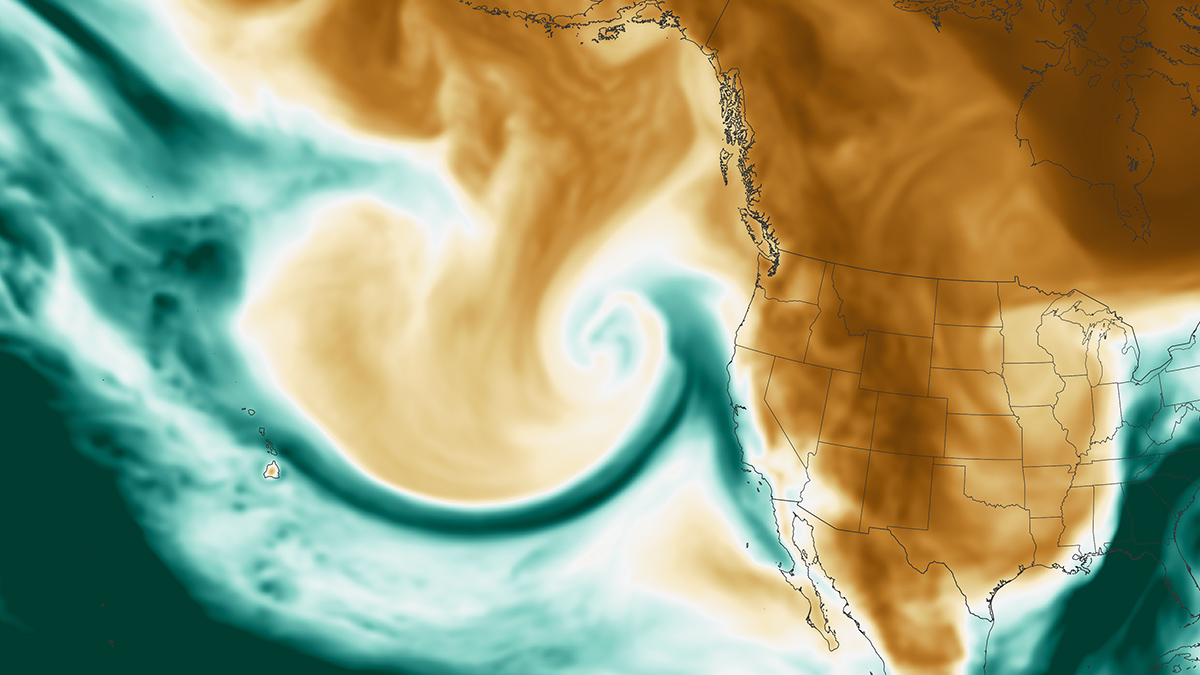
The Escalating Impact of Global Warming on Atmospheric Rivers
Climate change is set to intensify atmospheric rivers and exacerbate extreme rainfall worldwide.
Posted inScience Updates
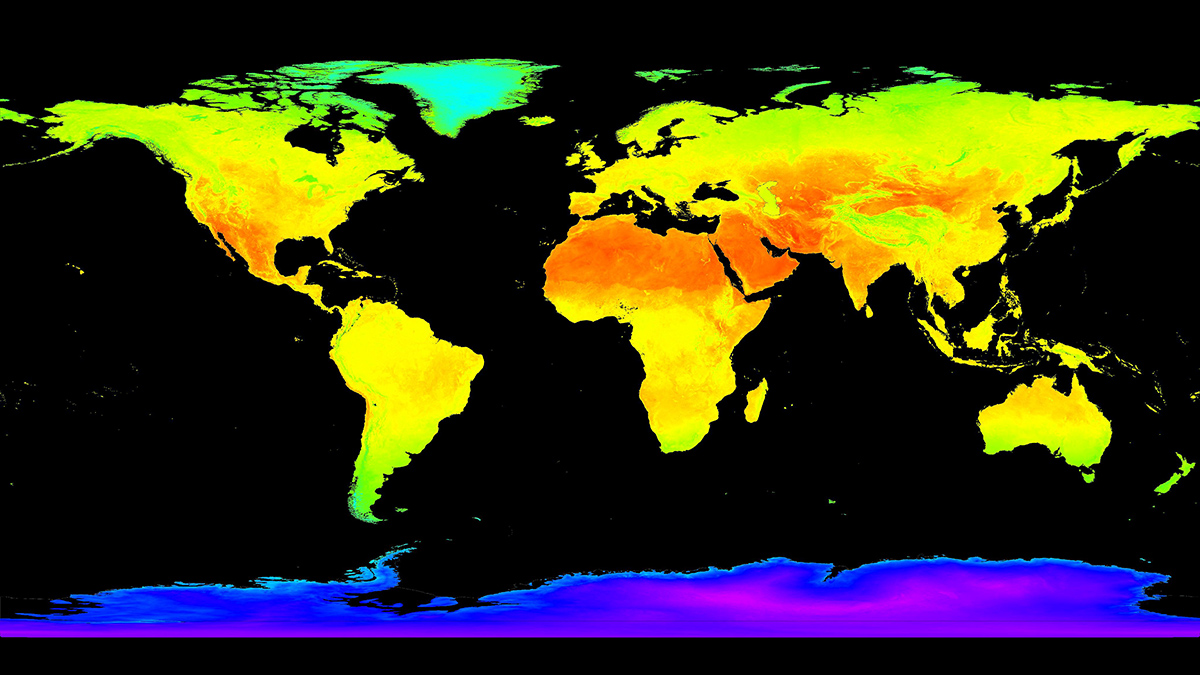
Trustworthy Satellite Earth Observations for Science and Society
Enhancing confidence in satellite observations of terrestrial properties like land surface temperature and soil moisture requires advances in validation and data quality assessment practices.

Posted inNews
We’ve Already Seen Category 6 Hurricanes—Now Scientists Want to Make It Official
Intensifying storms may warrant a new category of hurricane wind speeds.

Posted inNews
New Satellite Will Help NASA Keep PACE with Earth Systems
Color and light measurements will help scientists better assess how our oceans and atmosphere interact.

Posted inNews
Olivine May Have Given Life a Jump Start
A mineral common throughout the solar system nudges a reaction that produces sugar molecules from formaldehyde.

Posted inNews
Electrified Soil Powers Plant Growth
Five days of low-power electricity directed to the roots of young plants boosted their growth by more than 50%.

Posted inFeatures
Bridging Gaps Between the Geosciences and National Security
The geoscience community and national security agencies need effective, two-way communication to exchange information.
Posted inNews
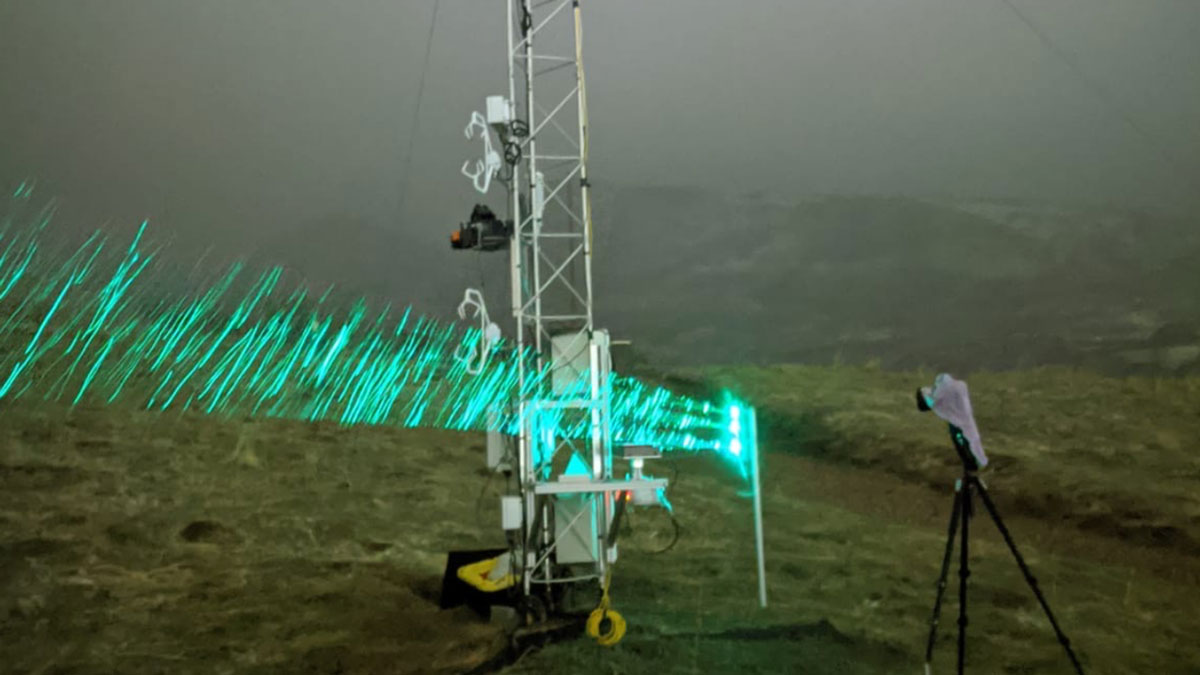
Moving at the Speed of Snow
Snowflakes take many routes from cloud to ground. Large, soft flakes swirl and tumble gently from above. Sharp, painful bits of ice get spit from the sky in a sideways burst. Mushy, wet snow falls in clumps. The ways in which snow travels through the air seem nothing short of complicated. But a new study […]