
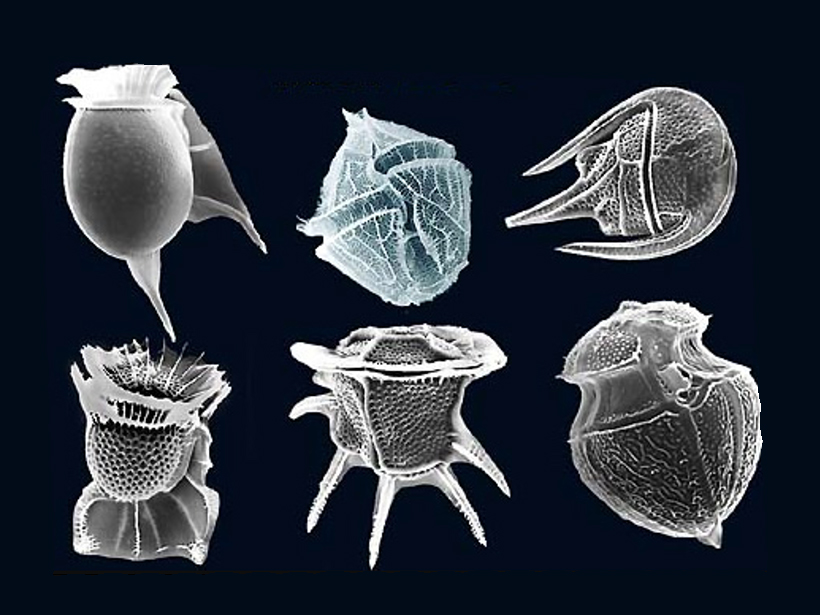

New research finds that nanoplankton may have a larger influence on carbon cycling than previously thought.
ecosystems
Posted inNews
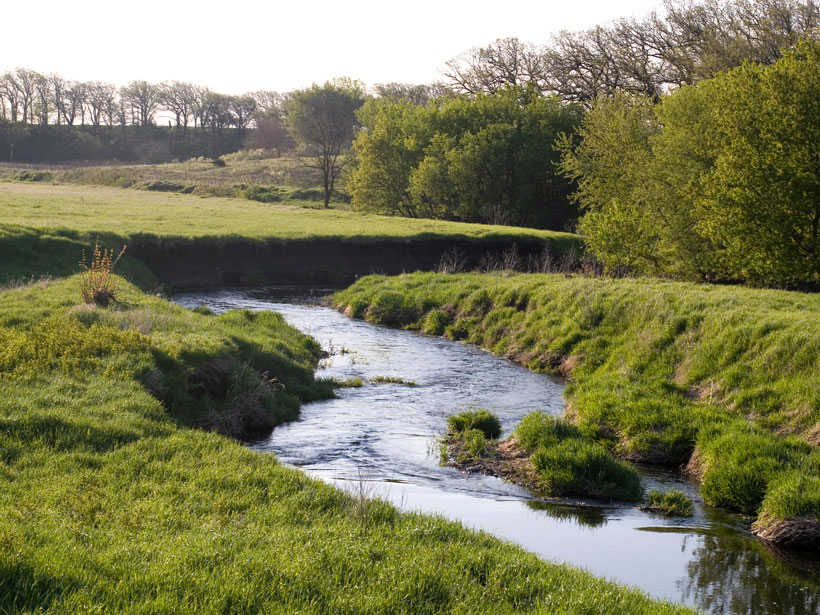
Waterways Change as Cities Grow Nearby

Using multidecadal data sets, researchers have traced how urbanization affects streamflow across the continental United States.

Posted inNews
Hurricane Maria Killed Mangroves Months After Storm
An overgrown channel between a lagoon and the ocean on the Puerto Rican island of Vieques created a backup of freshwater, disrupting the delicate balance of salinity in coastal mangrove forests.

Posted inNews
La Geología y la Química Impulsan la Migración Animal en el Serengueti
Trabajo de campo en Tanzania sugiere que la química del suelo—influenciada por el vulcanismo local y la actividad tectónica—podría ayudar a determinar la migración sin precedentes de más de un millón de ñus.
Posted inNews
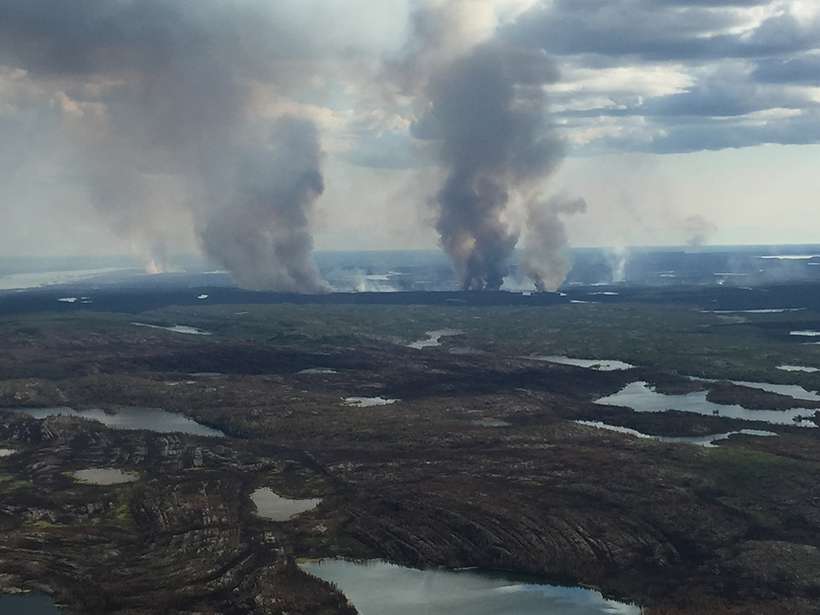
Feedback Loops of Fire Activity and Climate Change in Canada
New research documents how a warming climate contributes to patterns in wildfire severity and frequency and how the fires contribute to climate change.

Posted inResearch Spotlights
Acidifying Oceans Could Get Help from Kelp

Forests of fast-growing kelp influence the chemistry of the water in which they live. A new study evaluates their potential to ameliorate ocean acidification in sensitive coastal ecosystems.

Posted inResearch Spotlights
Autonomous Minisubmarine Measures Seawater Conditions

Forecasts of carbonate chemistry in coastal ecosystems determined from seasonal robotic measurements can improve fisheries management and help mitigate short-term ocean acidification events.

Posted inNews
Birds Sang a New Song During the Pandemic
White-crowned sparrows in the San Francisco Bay Area sang differently during California’s COVID-19-induced shutdown, recordings have revealed.
Posted inNews
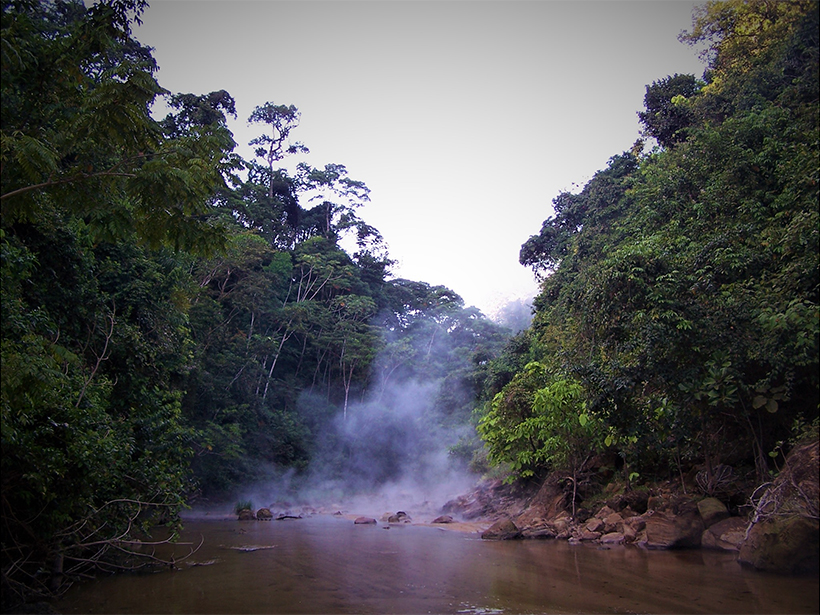
Finding Prehistoric Rain Forests by Studying Modern Mammals

Mammal teeth store a record of the plants they ate, providing clues about the ecosystems in which they lived.
Posted inResearch Spotlights
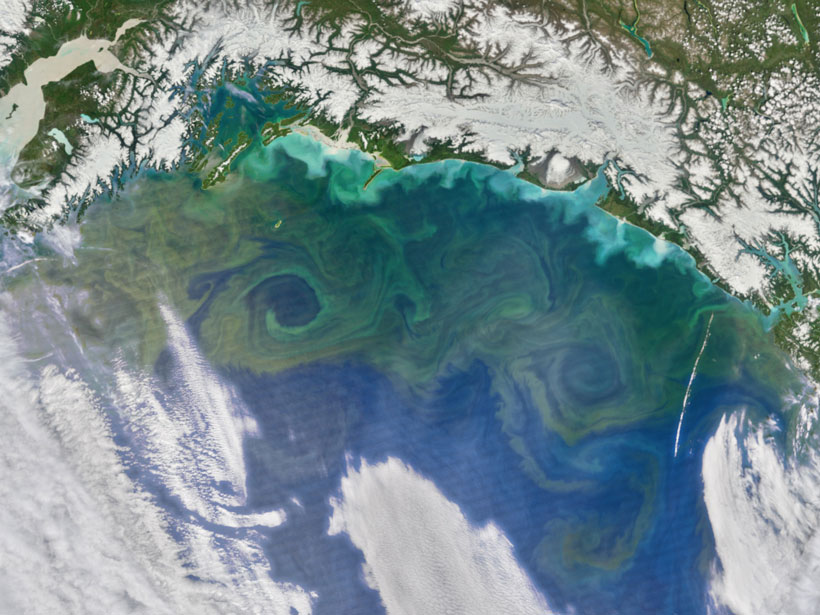
A Promising Development for Detecting Ocean Productivity
A comparison of primary productivity measurements across the North Pacific Ocean demonstrates the potential for using autonomous instruments to discern effects of climate change on the marine food web.