

Excess of a single nutrient, such as nitrogen, may boost plant productivity, but the imbalance leads to less efficient water use as plants scramble for the nutrients they lack.
ecosystems
Posted inResearch Spotlights
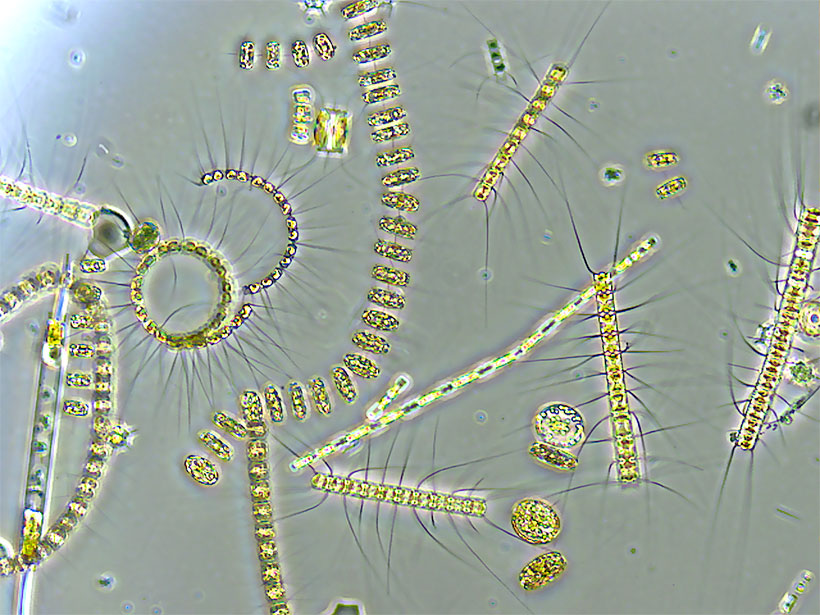
First Worldwide View of a Key Phytoplankton Proxy

New insights into the dynamics of ocean features known as deep chlorophyll maxima set the stage for better understanding of their role in carbon cycling.
Posted inNews
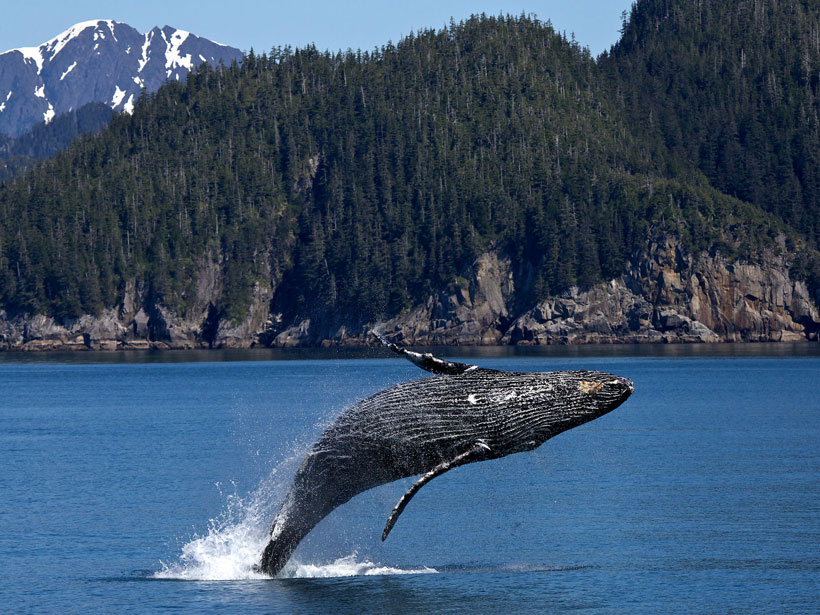
Years After the Pacific Marine Heat Wave, Ecosystem Shifts Persist

Researchers question whether Gulf of Alaska species will return to pre–heat wave conditions.

Posted inEditors' Vox
Why Rivers Need Their Floodplains
Floodplain storage of water, nutrients, and sediment is critical to sustaining river ecosystems but has been reduced by human activities.
Posted inOpinions
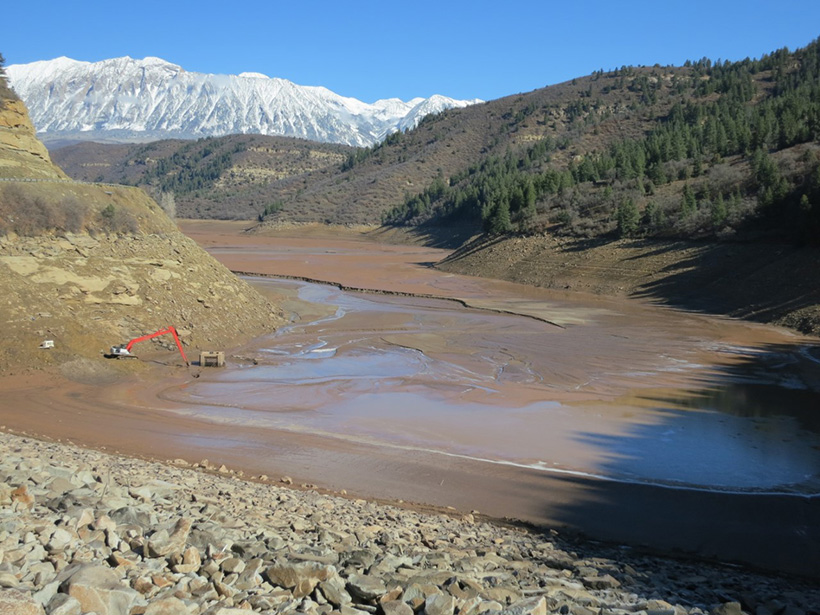
Sediment Mismanagement Puts Reservoirs and Ecosystems at Risk
Current regulations and reservoir management practices impede efforts to deal with sediment accumulation behind U.S. dams. New approaches are needed to improve reservoir sustainability.

Posted inNews
A Reminder of a Desert’s Past, Before Dingo Removal
A fence spans Australia’s Strzelecki Desert, keeping dingoes out of the southern side. Drone and satellite technology have illustrated how removing this top predator changes vegetation growth.

Posted inEditors' Highlights
Dueling Eyes on Ecosystem Metabolism Tell Diverging Stories
Multiple state-of-the-art independent observing systems consistently disagree on magnitudes and patterns of ecosystem metabolism of carbon dioxide, but together can shed new insight.
Posted inEditors' Vox
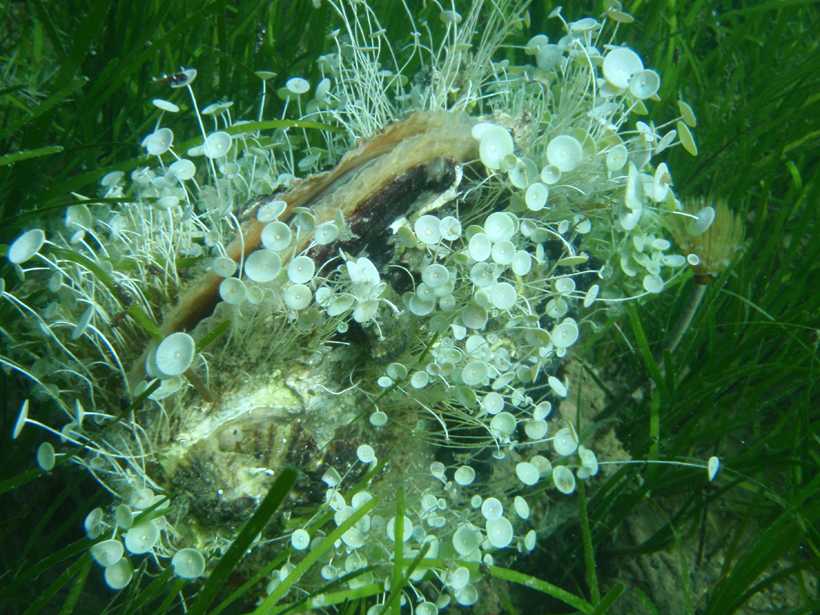
Coastal Ecosystems Under Pressure Worldwide
A new book explores how two river-dominated coastal estuaries are responding to the pressures of human expansion and climate change.
Posted inNews
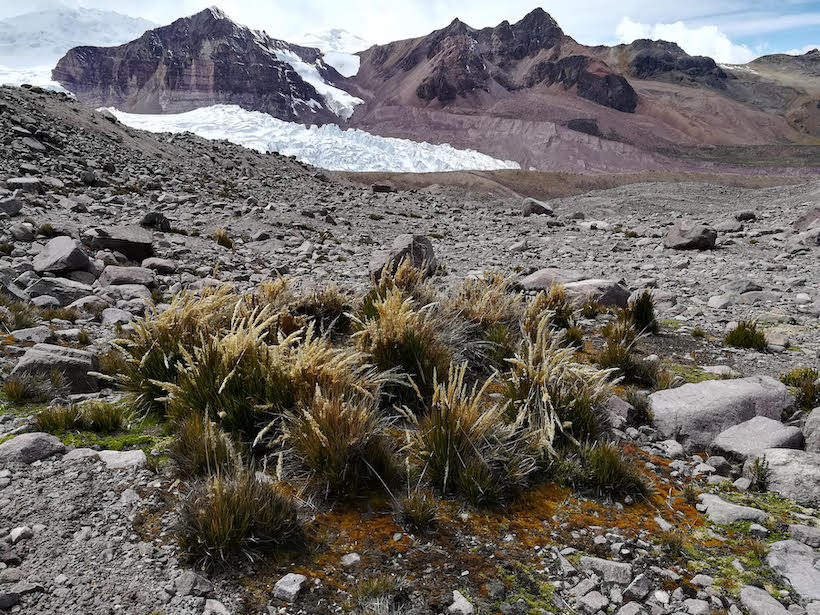
Vicuña Poop Nourishes “Dung Gardens” High in the Andes

The excrement delivers nutrients like phosphorus and nitrogen, kick-starting islands of vegetation at the edge of the cryosphere.
Posted inNews
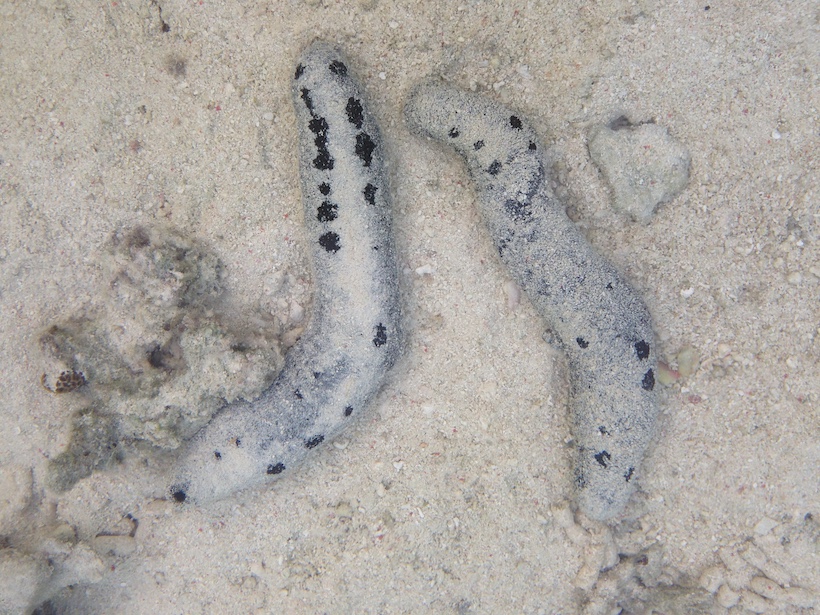
Sea Cucumbers: The Excremental Heroes of Coral Reef Ecosystems
Drone surveillance reveals just how big a contribution sea cucumbers make to reef habitats.