

NOAA’s Geophysical Fluid Dynamics Laboratory has developed a new variable-resolution global chemistry-climate model for research at the nexus of U.S. climate and air quality extremes.
everything atmospheric
Posted inEditors' Highlights
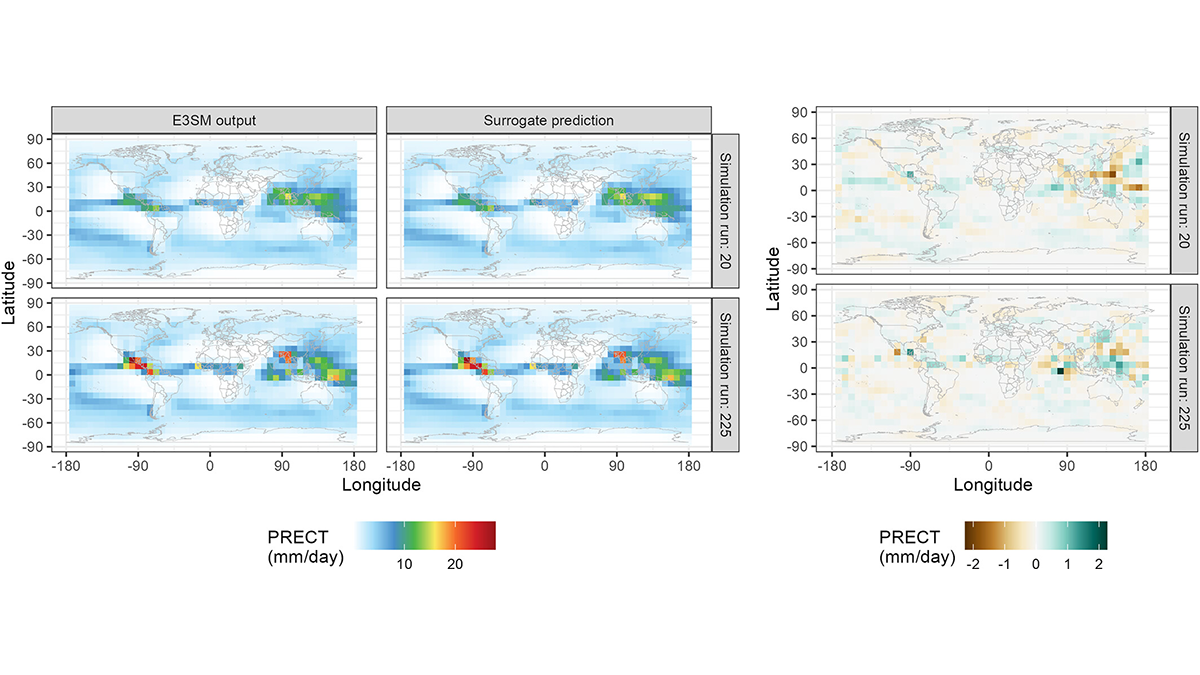
Autocalibration of the E3SM Atmosphere Model Improves Model Fidelity
A surrogate model was trained to predict E3SM atmosphere model spatial fields as a function of uncertain physical parameters and used to optimize the parameters for present-day climate.

Posted inEditors' Highlights
Discounting Carbon Gain to Prevent Water Loss Today
A new study introduces a timescale for optimizing tradeoffs between carbon gain and water loss to improve estimates of photosynthesis during prolonged dry spells.
Posted inENGAGE, Features
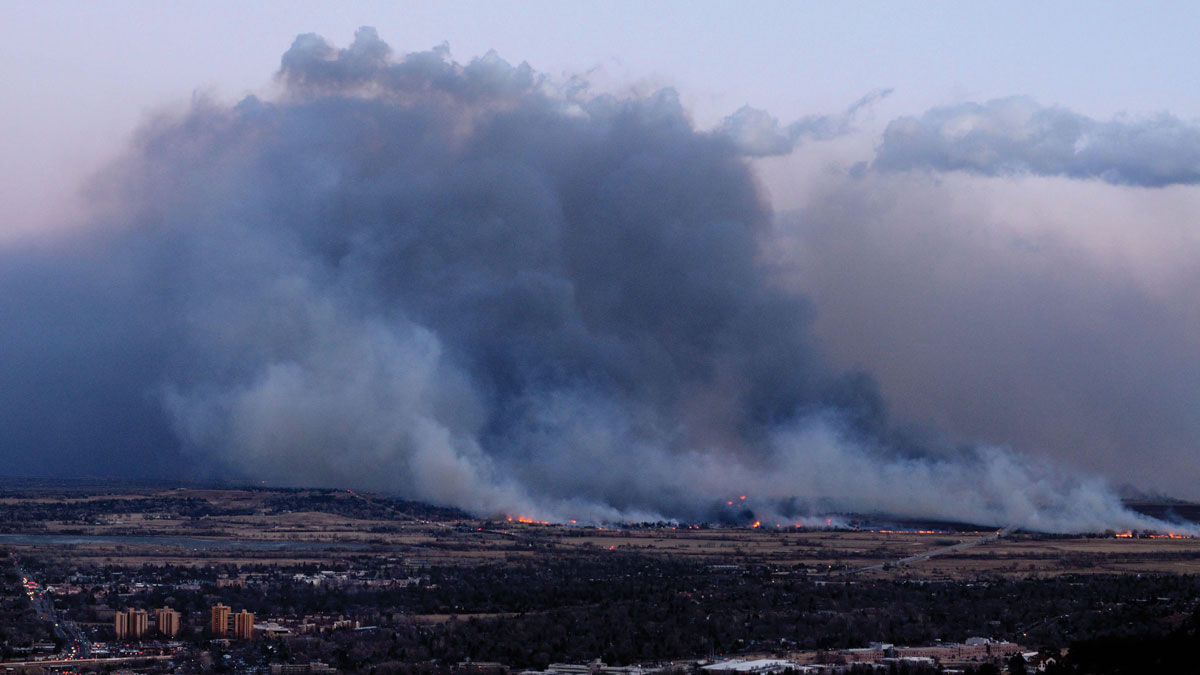
When Fieldwork Comes Home

The impacts of the 2021 Marshall Fire rippled through a community of Colorado geoscientists, spurring them to action.

Posted inNews
Ocean Waves Mist Decades-Old PFAS into the Atmosphere
“Forever chemicals” enter the air as sea spray aerosols, polluting coastlines and beyond.
Posted inEditors' Highlights
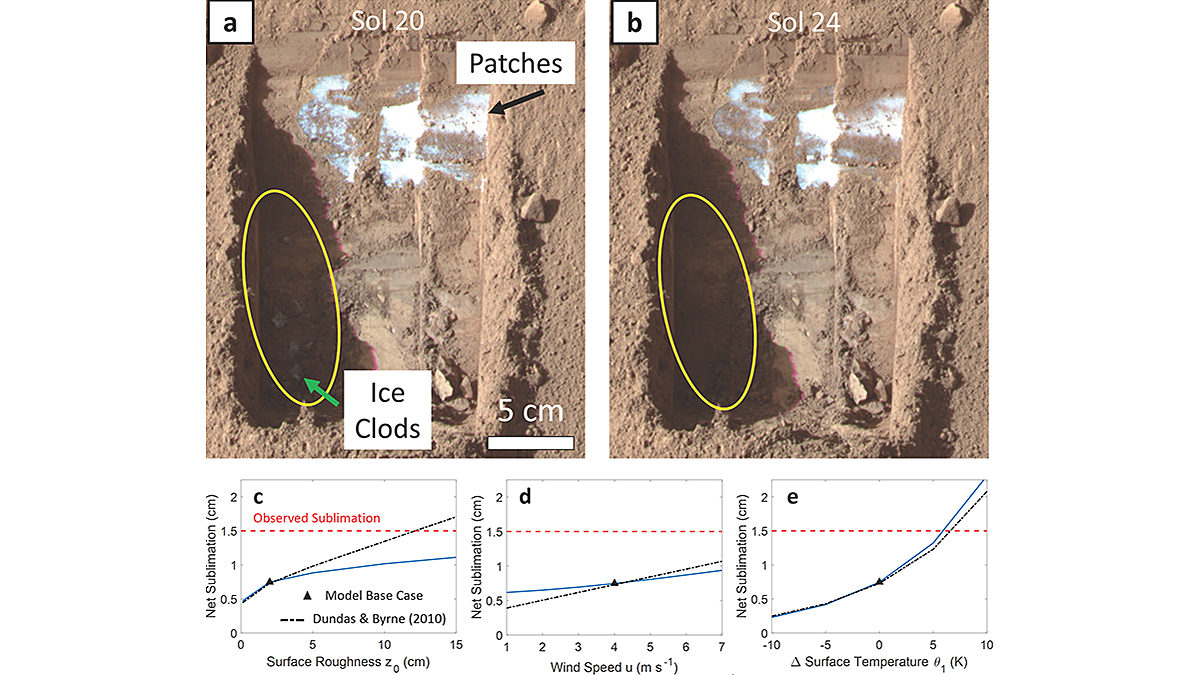
Towards a Unified Framework for Earth, Mars, Titan, and Exoplanets
From a simple set of in situ or synthetic data, a general unified model has been developed to calculate turbulent fluxes and evaporation rates on any rocky body with an atmosphere.
Posted inEditors' Highlights
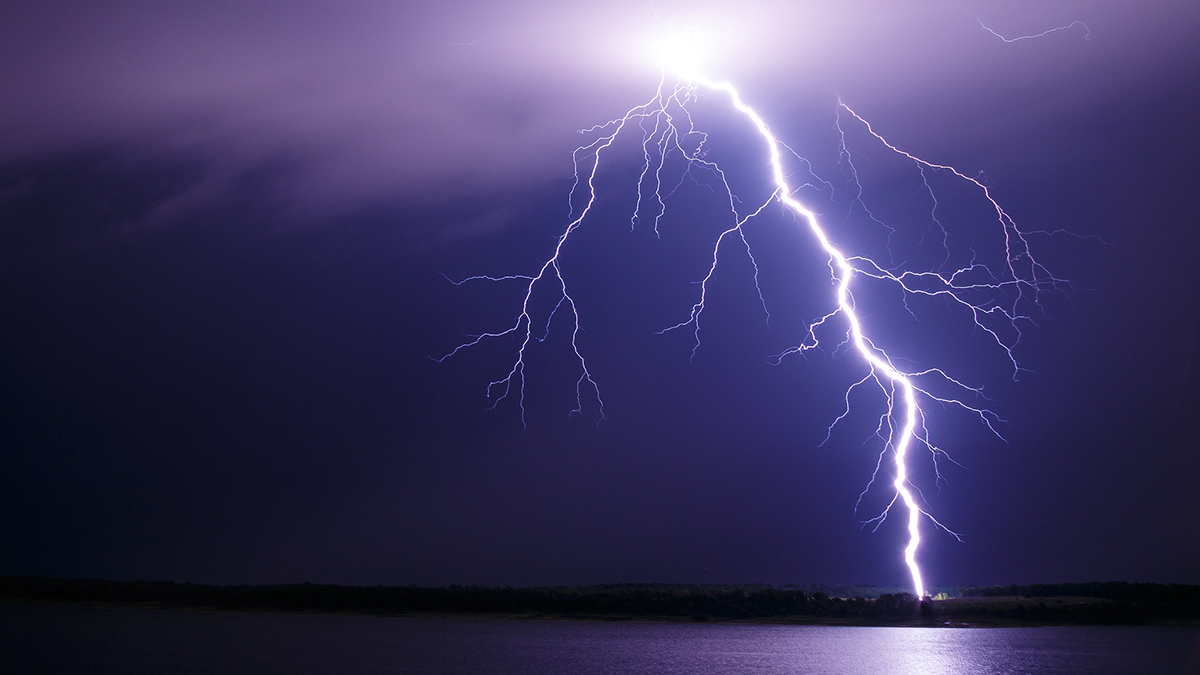
Phased-Array Radar Detection of Electrically Aligned Ice Crystals
A new method for observing electrically aligned ice crystals in localized storms can detect the onset of electrification and lightning in developing storms.

Posted inENGAGE, News
Radioamadores Foram Usados Para Obter Informações sobre a Ciência Ionosférica Durante o Eclipse

Operadores de rádio amadores que estudam a física espacial e a atmosfera superior investigaram a resposta da ionosfera ao eclipse solar anular de 2023 usando transmissões de ondas curtas.

Posted inEditors' Highlights
When You’re a Wet(land), You’re A Wet(land) All the Way
Wetlands and their methane emissions require careful consideration for incorporation in Earth system models with many advances made over the past 30 years.

Posted inNews
Rare “Glory” Possibly Seen on Exoplanet’s Horizon
This rainbow-like atmospheric phenomenon depends on a very specific set of circumstances. It is common on Earth and incredibly rare beyond it.