
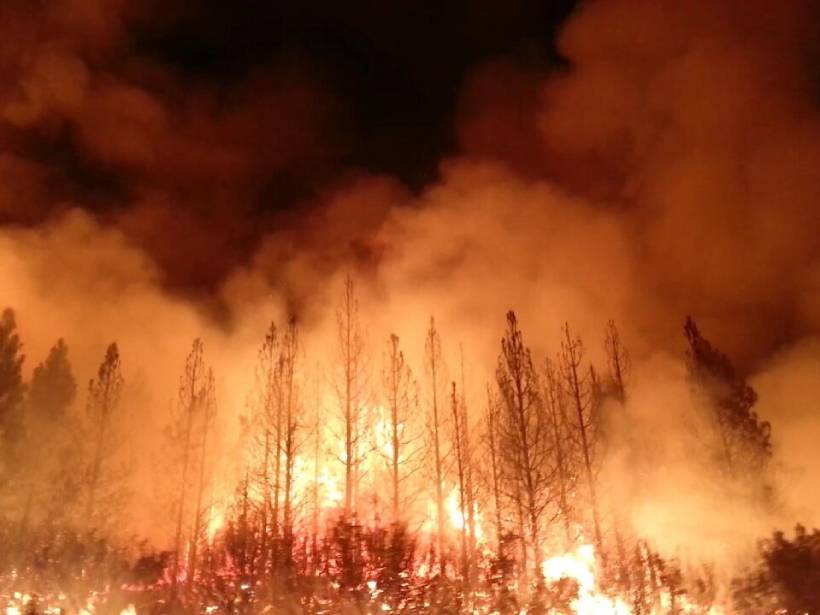

摘要:研究人员发现,在美国西部,同步多发火灾风险的天数与资源分配之间存在着很强的相关性。
everything atmospheric

Posted inEditors' Highlights
New Land Surface Air Temperature Global Dataset
The fifth major update of land surface air temperature data from the Climatic Research Unit and the Met Office has extended the time series, included more stations, and used better processing methods.
Posted inFeatures
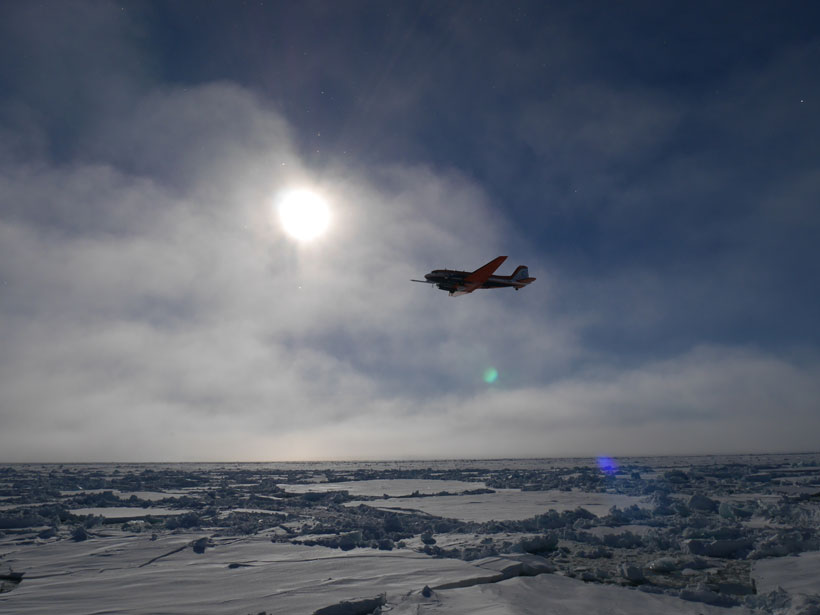
Glimpsing the Ins and Outs of the Arctic Atmospheric Cauldron
Specially equipped aircraft will follow air masses into and out of the Arctic, observing their transformations and improving our knowledge of the Arctic climate and its global influence.

Posted inEditors' Highlights
New Global Surface Temperature Dataset Spans 170 Years
HadCRUT5, the new version of the Met Office Hadley Centre/Climatic Research Unit global surface temperature dataset from 1850 to 2018, has extended and improved the previous temperature record.

Posted inNews
Auroral “Dunes” Light Up Earth’s Atmosphere

The auroral feature, first spotted by amateur astronomers in 2015, likely traces high-altitude atmospheric waves.

Posted inOpinions
An Observational Gap at the Edge of Space
Ongoing climate change in Earth’s middle and upper atmosphere will affect the rapidly expanding space and telecommunications sectors. Maintaining observations of this region is more crucial than ever.
Posted inResearch Spotlights
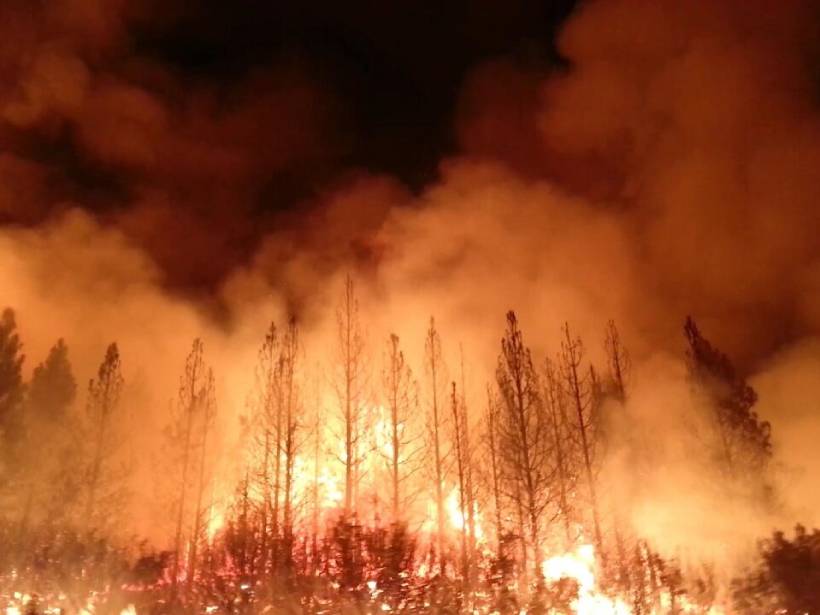
Widespread Wildfire as a Proxy for Resource Strain
Researchers have found a strong correlation between the number of days with widespread, synchronous fire danger and resource allocation across the western United States.
Posted inEditors' Vox
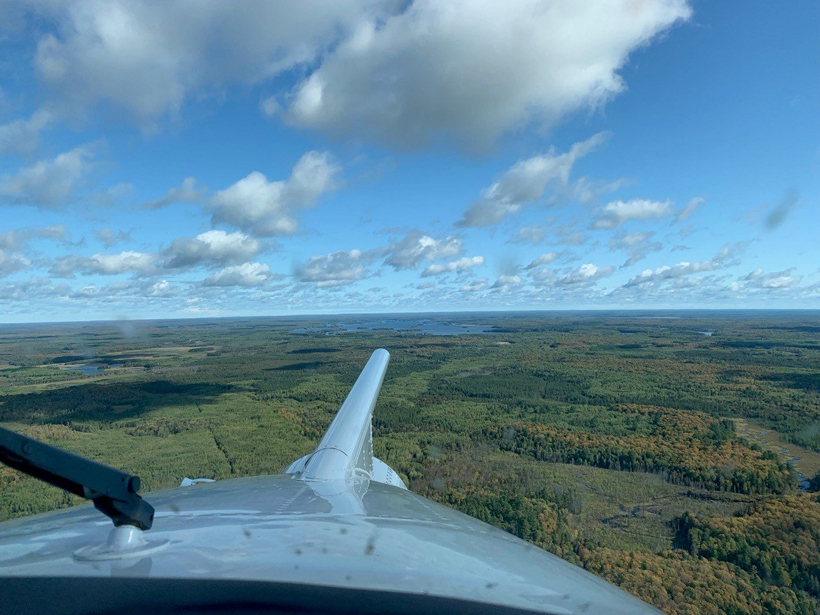
Advances in Scaling and Modeling of Land-Atmosphere Interactions
Papers are invited for a new cross-journal special collection on insights in scaling land-atmosphere interactions from field experiments, data analyses, and modeling.

Posted inNews
Half of Earth’s Nitrogen May Be Homegrown

A new analysis of iron meteorites reveals a distinct isotopic signature that suggests nitrogen was present around early Earth.

Posted inScience Updates
Advances in Satellite Data for Wildfire Smoke Forecasting
Observations from the newest geostationary Earth-observing satellites are offering valuable views of fire progression and smoke plume development and helping simulate impacts from large wildfires.