

When most agriculture in the world is rural, getting crucial geoscience information to farmers is a technical challenge that a few organizations are just starting to figure out.
food security

Posted inScience Updates
Solving Shared Problems at the Food, Energy, and Water Nexus
A 15-year-old partnership among Chinese and U.S. scientists studying challenges in our food, energy, and water systems has revealed that solutions are best achieved through international collaboration.
Posted inScience Updates
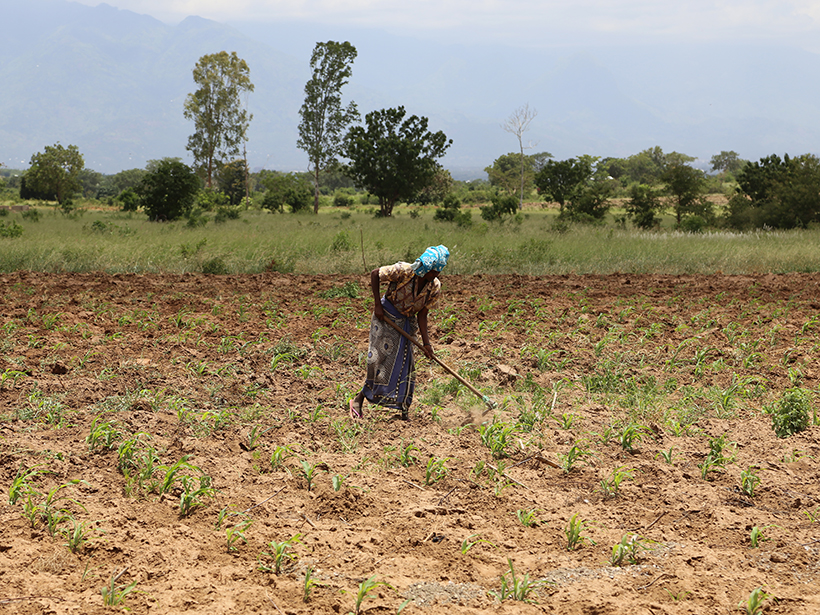
Sowing Seeds of Food Security in Africa
An innovative program focused on collaboration and capacity building is looking to improve outcomes for smallholder farmers, reduce hunger, and alleviate food insecurity in sub-Saharan Africa.
Posted inFeatures
Climate Change Uproots Global Agriculture

Climate change is shifting where ideal growing conditions exist and is leaving farmers behind. How can we secure our future food supply and support the people who grow it?

Posted inNews
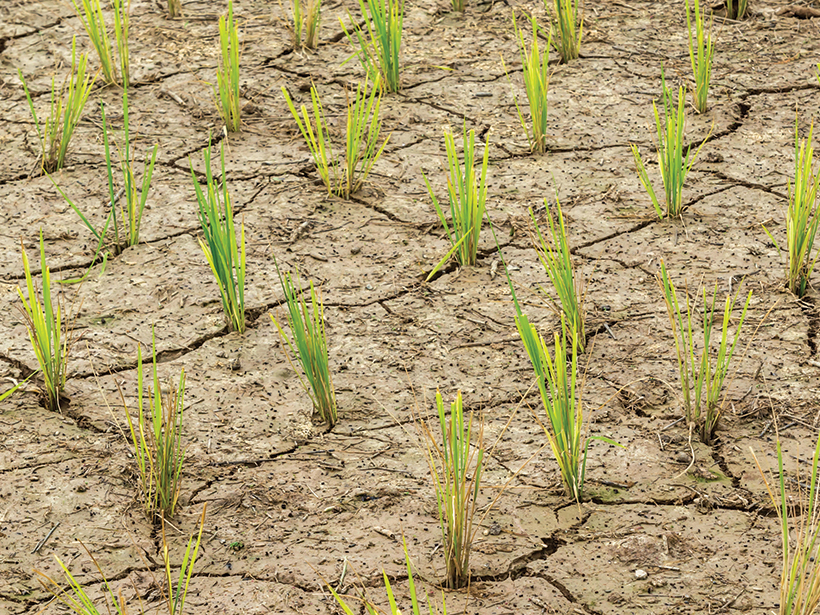
Will Rising Temperatures Make Rice Too Toxic?
Greenhouse experiments reveal how higher temperatures act to elevate arsenic levels in rice and may help focus efforts to solve a crisis threatening food systems around the world.
Posted inNews
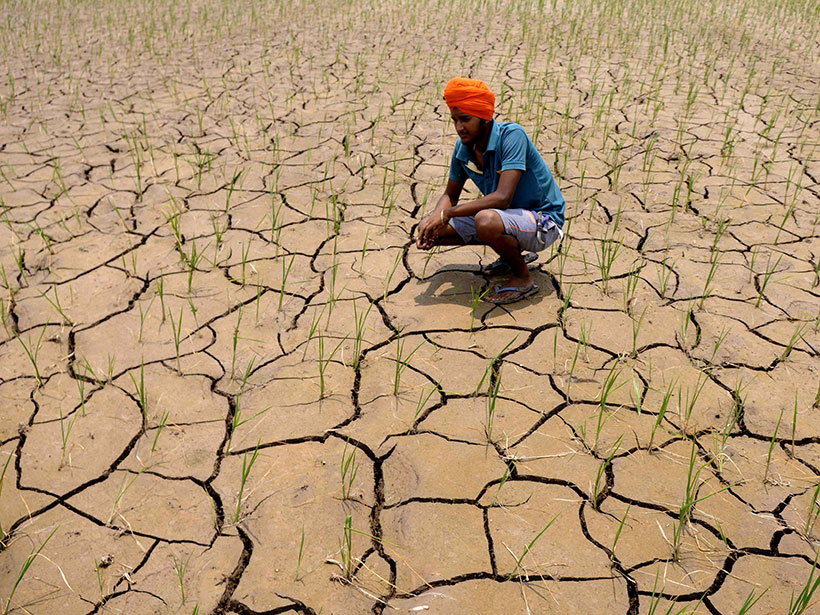
India’s Food Bowl Heads Toward Desertification
Water-guzzling rice consumes more water than Punjab can recharge. If current irrigation rates continue, the state will empty its groundwater reserves within 20 years.

Posted inNews
Hackathon Participants Solve Global Problems—from Home

More than 200 participants from 38 countries joined the virtual INSPIRE Hackathon to solve problems in food security, transportation, and more.

Posted inEditors' Highlights
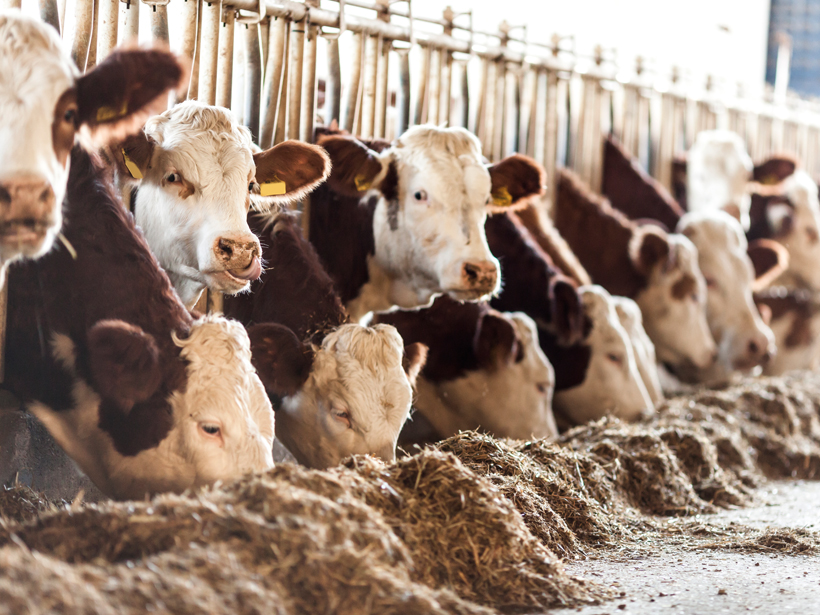
Seafood Farming: A Key to Future Global Food Security
Integration of sustainable marine and freshwater aquaculture with terrestrial agriculture will be necessary for meeting Earth’s future food requirements.
Posted inNews
Climate Change Pressures Land and Food Resources, Report Warns

There is a window of time to act now before threats increase further and solutions become less effective, a new report from the Intergovernmental Panel on Climate Change states.
Posted inAGU News
David A. Seekell Receives 2016 Science for Solutions Award
David A. Seekell received the 2016 Science for Solutions Award at the American Geophysical Union Fall Meeting Honors Ceremony, held on 14 December 2016 in San Francisco, Calif. The award is for "significant contributions in the application and use of the Earth and space sciences to solve societal problems."