• About
  • Special Reports
  • Topics
    • Climate
    • Earth Science
    • Oceans
    • Space & Planets
    • Health & Ecosystems
    • Culture & Policy
    • Education & Careers
    • Opinions
  • Projects
    • Postcards From the Field
    • ENGAGE
    • Editors’ Highlights
    • Editors’ Vox
    • Eos en Español
    • Eos 简体中文版
    • Print Archive: 2015–2025
  • Policy Tracker
  • Blogs
    • Research & Developments
    • The Landslide Blog
  • Newsletter
  • Submit to Eos
  • AGU.org
  • Career Center
  • Join AGU
  • Give to AGU
  • About
  • Special Reports
  • Topics
    • Climate
    • Earth Science
    • Oceans
    • Space & Planets
    • Health & Ecosystems
    • Culture & Policy
    • Education & Careers
    • Opinions
  • Projects
    • Postcards From the Field
    • ENGAGE
    • Editors’ Highlights
    • Editors’ Vox
    • Eos en Español
    • Eos 简体中文版
    • Print Archive: 2015–2025
  • Policy Tracker
  • Blogs
    • Research & Developments
    • The Landslide Blog
  • Newsletter
  • Submit to Eos
Skip to content
  • AGU.org
  • Career Center
  • Join AGU
  • Give to AGU
Eos

Eos

Science News by AGU

Support Eos
Sign Up for Newsletter
  • About
  • Special Reports
  • Topics
    • Climate
    • Earth Science
    • Oceans
    • Space & Planets
    • Health & Ecosystems
    • Culture & Policy
    • Education & Careers
    • Opinions
  • Projects
    • Postcards From the Field
    • ENGAGE
    • Editors’ Highlights
    • Editors’ Vox
    • Eos en Español
    • Eos 简体中文版
    • Print Archive: 2015–2025
  • Policy Tracker
  • Blogs
    • Research & Developments
    • The Landslide Blog
  • Newsletter
  • Submit to Eos

forecasting

Posted inScience Updates

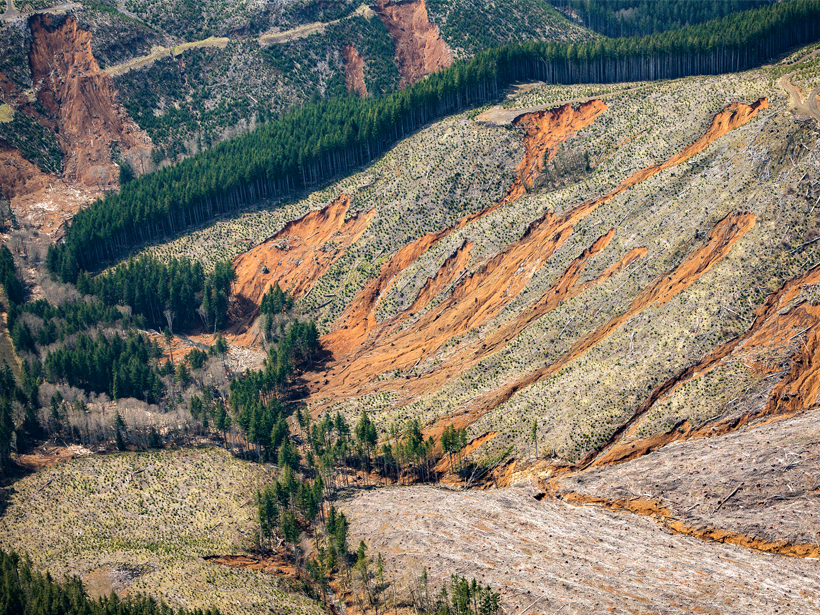
Forecasting and Communicating Risk of Rip Currents, Wave Runup

by G. Dusek, A. van der Westhuysen and N. P. Kurkowski 20 August 20152 February 2023

NOAA Coastal Hazards Resilience Workshop—Rip Currents and Wave Runup; Suffolk, Virginia, 14–16 April 2015
Posted inScience Updates

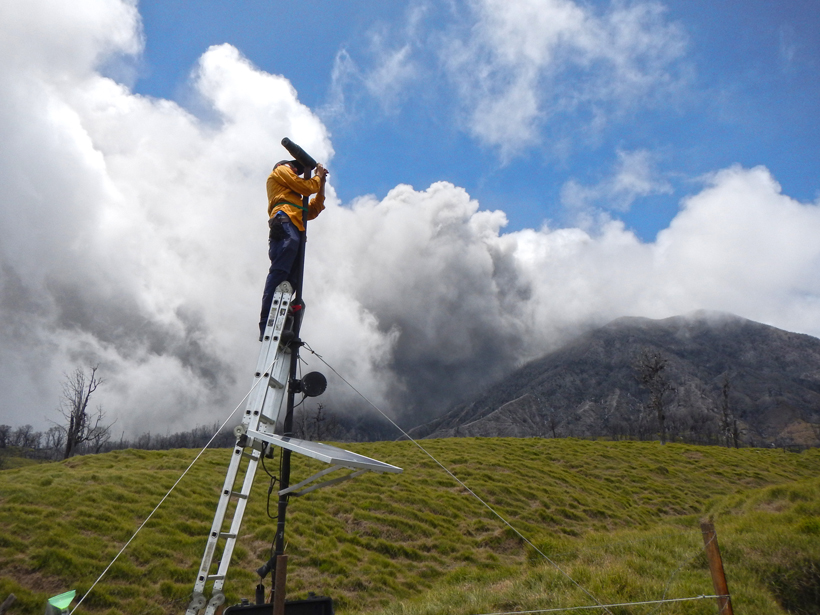
Monitoring Gas Emissions Can Help Forecast Volcanic Eruptions

by C. Kern, J. M. de Moor and B. Galle 12 August 201515 November 2022

5th Meeting of the Network for Observation of Volcanic and Atmospheric Change; Turrialba Volcano, Costa Rica, 27 April to 1 May 2015
Posted inOpinions

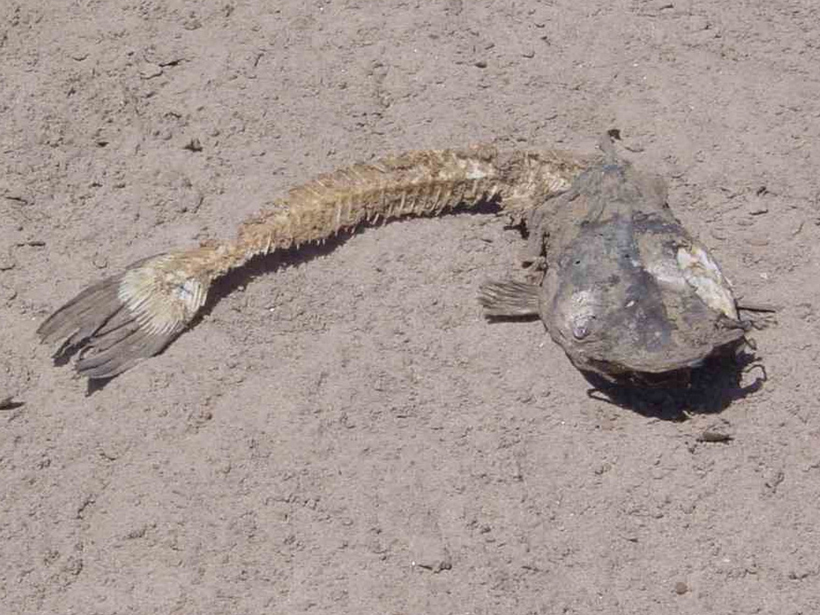
How Can We Better Understand Low River Flows as Climate Changes?

by I. Pal, E. Towler and B. Livneh 6 August 201515 February 2023

When rivers run low, they threaten ecosystems, economies, and the communities who depend on them. Scientists need to determine how climate change alters this process, but to do so, they'll have to abandon a long-held assumption.
Posted inResearch Spotlights

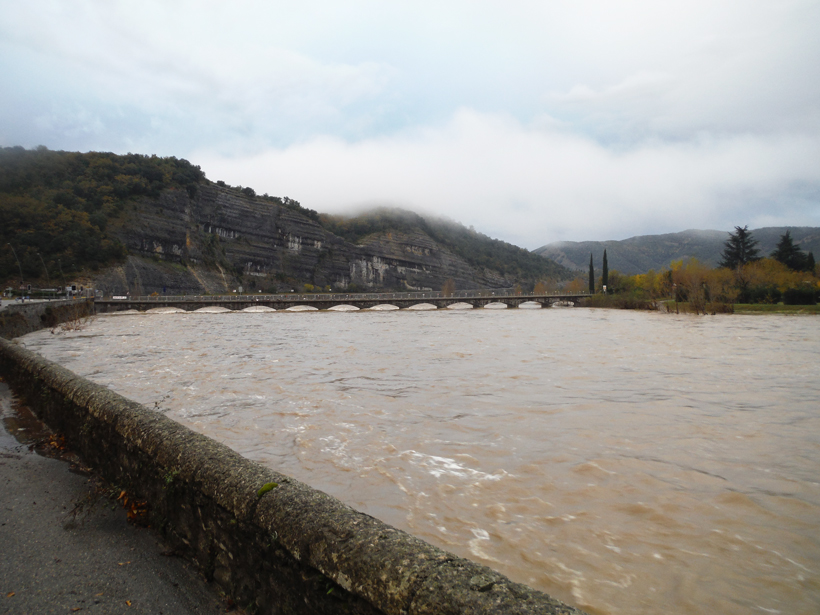
What Climate Information Is Most Useful for Predicting Floods?

by P. Kollipara 24 July 20157 July 2025

Basing forecasts on data that preserve variations over space yield more reliable predictions than using standard numerical measures of climatic cycles' intensity.
Posted inFeatures

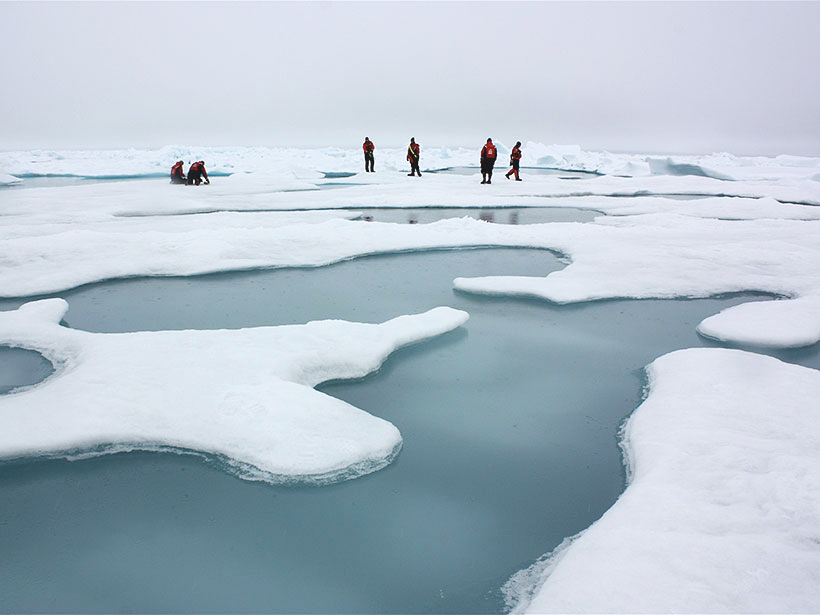
Improving Predictions of Arctic Sea Ice Extent

by J. Stroeve, Ed Blanchard-Wrigglesworth, V. Guemas, S. Howell, F. Massonnet and S. Tietsche 19 June 201523 March 2023

Scientists in the Sea Ice Prediction Network share and discuss their user-oriented forecasts of seasonal sea ice in a changing Arctic.
Posted inResearch Spotlights

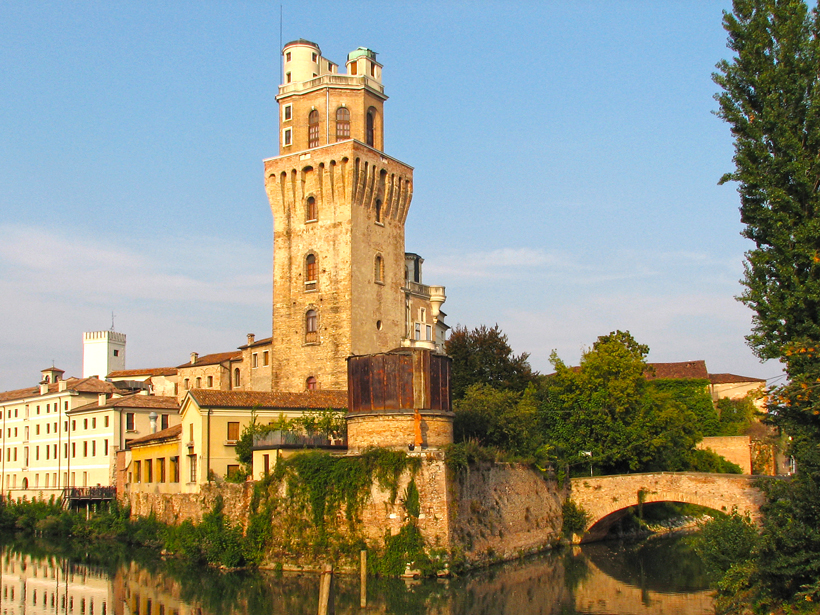
Rainfall Fluctuations Hinder Projections of Future Extremes

by P. Kollipara 10 June 201514 April 2023

Long-period oscillations in rainfall make even long records less useful for predicting future extremes.

Posted inResearch Spotlights

Conquering Uncertainties in Tropical Climate Forecasts

by E. Betz 17 April 20157 July 2025

The key to better predictions of atmospheric temperature trends in the tropics may lie in more accurate measurements of sea surface temperatures.

Posted inResearch Spotlights

Do All These Weather Satellites Really Improve Forecasts?

by E. Betz 15 April 201529 March 2022

A team of researchers put an array of space- and ground-based weather instruments to the test and found that the common weather balloon is irreplaceable for forecasting rainfall.

Posted inScience Updates

Changing of the Guard: Satellite Will Warn Earth of Solar Storms

by D. J. Knipp and D. A. Biesecker 24 March 20157 July 2025

This summer, Earth gets a new guardian—the Deep Space Climate Observatory—to help warn astronauts and operators of critical planetary infrastructure about the Sun's raging magnetic storms.

Posted inResearch Spotlights

A Database of African Precipitation from 1983 Onward

by C. Schultz 6 February 201515 March 2023

Satellite infrared observations are used to reconstruct African precipitation records for the past 30 years in an attempt to infer rainfall variability.

Posts pagination

Newer posts 1 … 24 25 26 27 Older posts
Over a dark blue-green square appear the words Special Report: The State of the Science 1 Year On.

Features from AGU Publications

Research Spotlights

As Wildfires Increase in the West, So Does Suppression Spending

10 June 202610 June 2026
Editors' Highlights

Multi-Scale Fault Roughness Encapsulated in a Friction Law

11 June 202611 June 2026
Editors' Vox

Small-Scale Indian Ocean Dynamics Underpin Marine Ecology and Climate

4 June 20263 June 2026
Eos logo at left; AGU logo at right

About Eos
ENGAGE
Awards
Contact

Advertise
Submit
Career Center
Sitemap

© 2026 American Geophysical Union. All rights reserved Powered by Newspack