• About
  • Special Reports
  • Topics
    • Climate
    • Earth Science
    • Oceans
    • Space & Planets
    • Health & Ecosystems
    • Culture & Policy
    • Education & Careers
    • Opinions
  • Projects
    • Postcards From the Field
    • ENGAGE
    • Editors’ Highlights
    • Editors’ Vox
    • Eos en Español
    • Eos 简体中文版
    • Print Archive: 2015–2025
  • Policy Tracker
  • Blogs
    • Research & Developments
    • The Landslide Blog
  • Newsletter
  • Submit to Eos
  • AGU.org
  • Career Center
  • Join AGU
  • Give to AGU
  • About
  • Special Reports
  • Topics
    • Climate
    • Earth Science
    • Oceans
    • Space & Planets
    • Health & Ecosystems
    • Culture & Policy
    • Education & Careers
    • Opinions
  • Projects
    • Postcards From the Field
    • ENGAGE
    • Editors’ Highlights
    • Editors’ Vox
    • Eos en Español
    • Eos 简体中文版
    • Print Archive: 2015–2025
  • Policy Tracker
  • Blogs
    • Research & Developments
    • The Landslide Blog
  • Newsletter
  • Submit to Eos
Skip to content
  • AGU.org
  • Career Center
  • Join AGU
  • Give to AGU
Eos

Eos

Science News by AGU

Support Eos
Sign Up for Newsletter
  • About
  • Special Reports
  • Topics
    • Climate
    • Earth Science
    • Oceans
    • Space & Planets
    • Health & Ecosystems
    • Culture & Policy
    • Education & Careers
    • Opinions
  • Projects
    • Postcards From the Field
    • ENGAGE
    • Editors’ Highlights
    • Editors’ Vox
    • Eos en Español
    • Eos 简体中文版
    • Print Archive: 2015–2025
  • Policy Tracker
  • Blogs
    • Research & Developments
    • The Landslide Blog
  • Newsletter
  • Submit to Eos

geology

Posted inScience Updates

Where Curiosity Has Taken Us

by A. R. Vasavada 12 January 201624 April 2024

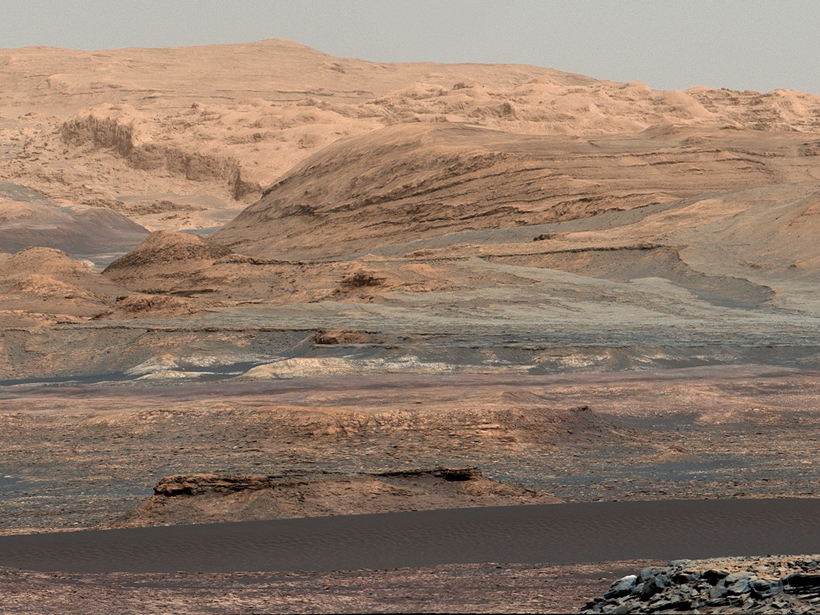
The Curiosity rover, one of NASA's flagship missions, analyzes Martian geology, geochemistry, climatology, and radiation to assess whether Mars could have supported microbial life.

Posted inNews

The Backwards Earthquakes

by E. E. A. Ross 15 December 20152 December 2022

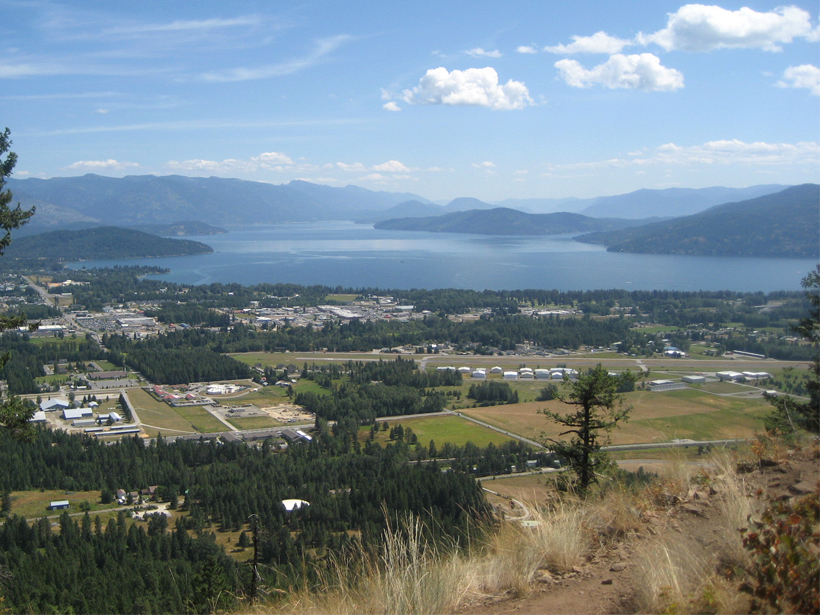
Earthquakes in Idaho's panhandle are usually caused by the Earth's crust pulling apart. So why were earthquakes on 24 April pushing the crust together?

Posted inScience Updates

Developing New Rock Magnetic Tools to Drive Geoscience Research

by J. M. Feinberg and L. Spinu 3 December 201521 October 2021

First Order Reversal Curve Workshop (FORCshop); Minneapolis, Minnesota, 23–24 July 2015

Posted inNews

Active Mud Volcano Field Discovered off Southeast Alaska

by R. Berkowitz 30 November 20157 July 2025

A cruise to study landslide potential along an earthquake-prone fault found a surprising methane plume.
Posted inOpinions

What Is the Anthropocene?

by L. E. Edwards 30 November 201522 August 2023

Geologists must consider whether the Anthropocene is a specific segment in the continuum of time or a holistic concept.

Posted inResearch Spotlights

Aftershocks of Old Quakes Still Shake New Madrid Seismic Zone

by L. Strelich 24 November 201518 October 2022

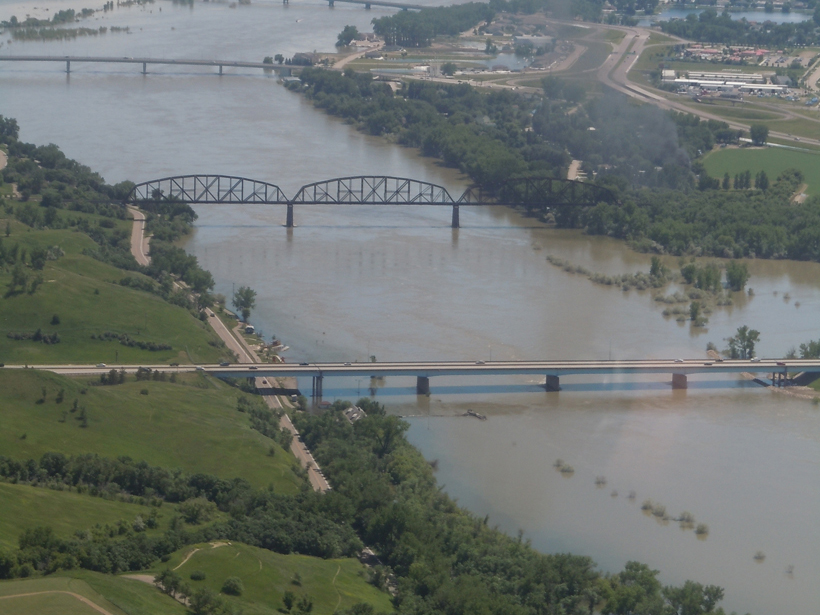
Geodetic data show that earthquakes in 1450 and 1811–1812 may be responsible for present-day seismic activity in the region.
Posted inNews

Pluto: In the Icebox but Maybe Still Cookin'

by R. Cowen 9 November 20156 January 2023

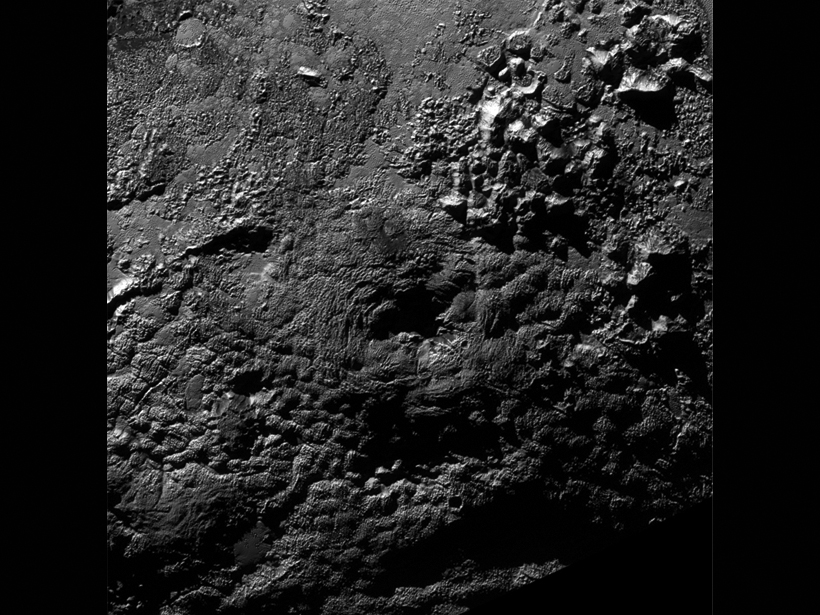
New evidence of ice volcanoes and of middle-aged terrains on Pluto's surface suggests that the dwarf planet has remained geologically active ever since it first formed billions of years ago.

Posted inNews

Mysterious Boulders Suggest Ancient 800-Foot-Tall Tsunami

JoAnna Wendel, freelance science writer and illustrator by JoAnna Wendel 2 October 201516 March 2022

The suspected sudden collapse of a nearby volcano's flank may have triggered an enormous wave that carried large boulders high onto Santiago Island in Cape Verde, a new study finds.
Posted inResearch Spotlights

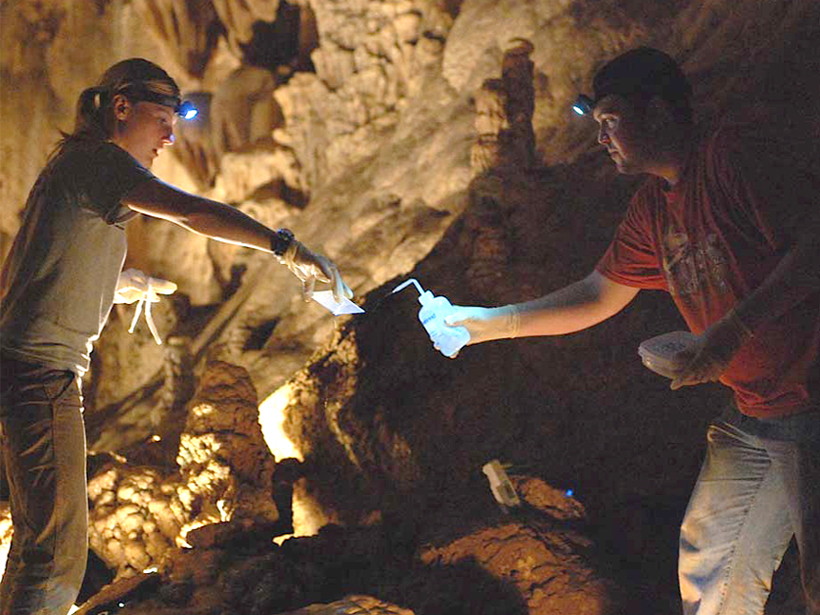
Cave "Breathing" Affects Mineral Growth and Climate Clues

by J. Calderone 30 September 201518 October 2022

A new global model suggests how and where air flow in caves affects the growth of cave mineral deposits that scientists use to reconstruct ancient climates.

Posted inAGU News

Brantut Receives 2015 Mineral and Rock Physics Early Career Award

by AGU 18 September 20153 May 2023

Nicolas Brantut will receive the 2015 Mineral and Rock Physics Early Career Award at the 2015 American Geophysical Union Fall Meeting, to be held 14–18 December in San Francisco, Calif. The award is for promising young scientists in recognition of outstanding contributions achieved during their Ph.D. research.

Posts pagination

Newer posts 1 … 25 26 27 28 29 Older posts
Over a dark blue-green square appear the words Special Report: The State of the Science 1 Year On.

Features from AGU Publications

Research Spotlights

Rapid-Scan Satellite Data Offer Clues to Typhoon Intensity

17 November 202617 November 2026
Editors' Highlights

Rethinking Where Rivers Begin

18 November 202616 November 2026
Editors' Vox

Bringing Python Solutions to Earth Science Challenges

19 November 202619 November 2026
Eos logo at left; AGU logo at right

About Eos
ENGAGE
Awards
Contact

Advertise
Submit
Career Center
Sitemap

© 2026 American Geophysical Union. All rights reserved Powered by Newspack