
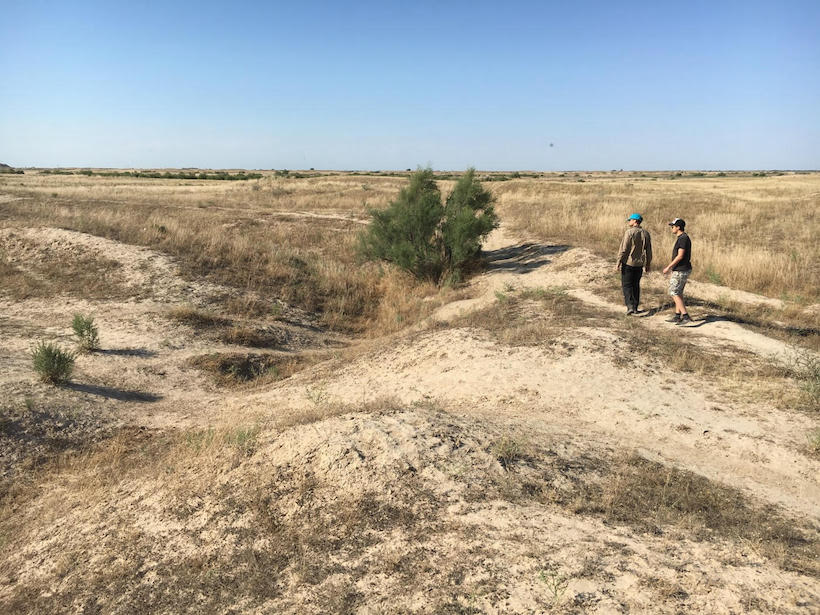

Radiocarbon dating, luminescent sand grains, and climate records point to drought as the reason for the civilizations’ demise.
history
Posted inNews
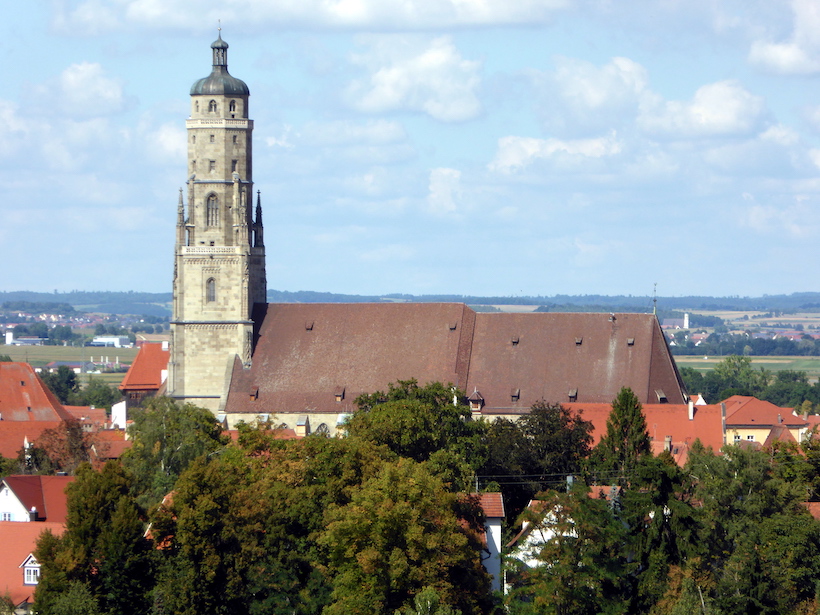
An Asteroid “Double Disaster” Struck Germany in the Miocene

By analyzing sediments jostled by ground shaking, researchers have shown that two impact craters near Stuttgart were created by independent asteroid impacts rather than a binary asteroid strike.

Posted inNews
Tree Rings Reveal How Ancient Forests Were Managed
By analyzing thousands of oak timbers dating from the 4th to 21st centuries, scientists have pinpointed the advent of a forest management practice.
Posted inNews
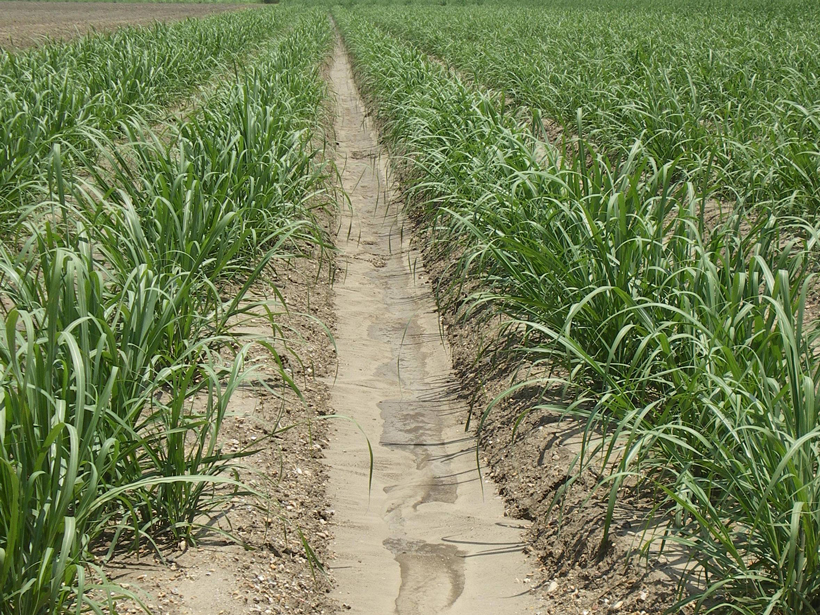
European Colonists Dramatically Increased North American Erosion Rates

Around 200 years ago, when conversion of land for agriculture became more widespread, the amount of sediment accumulating in riverbeds across the continent jumped tenfold.
Posted inNews
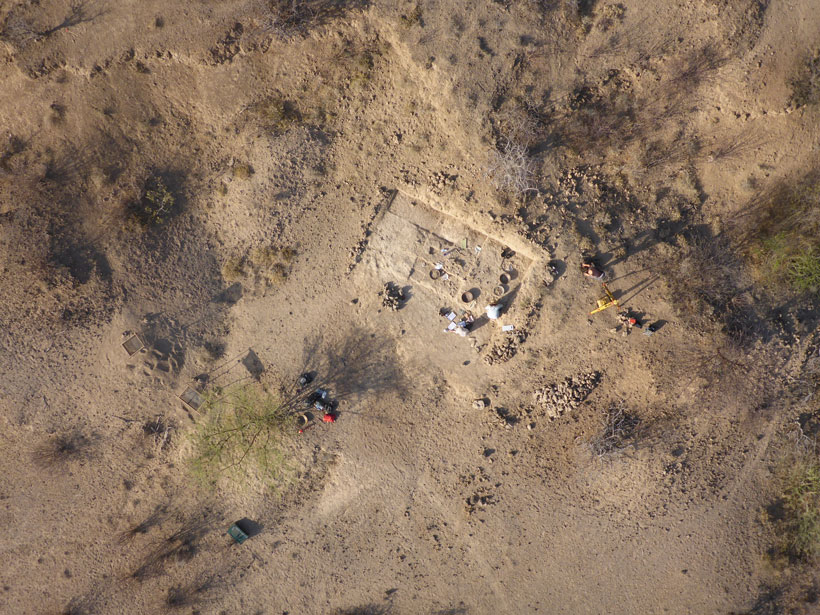
When Did Archaic Humans Control Fire?

A familiar geochemical technique shines a new spotlight on early hominin use of fire.
Posted inFeatures
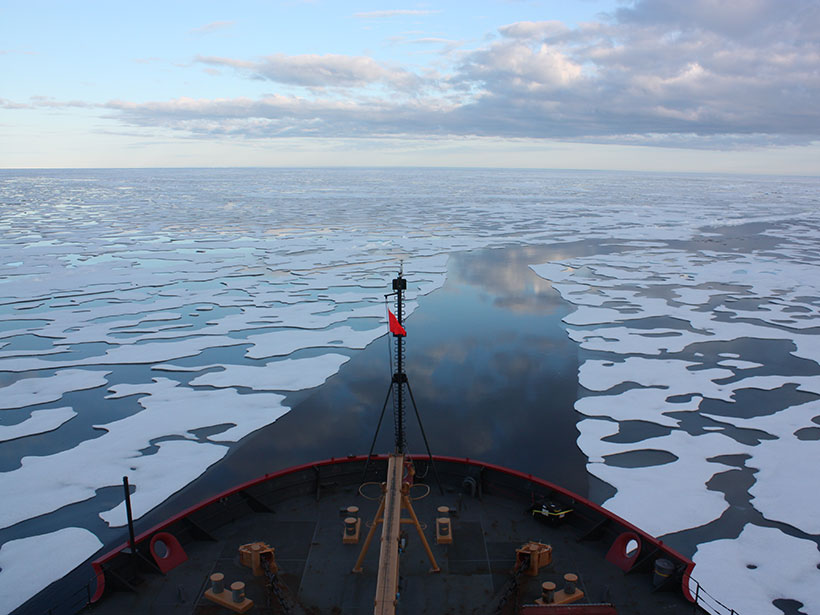
A 50-Year-Old Global Warming Forecast That Still Holds Up
In 1972, Mikhail Ivanovich Budyko used a simple methodology to make climate predictions that remain surprisingly accurate today and that could serve as a new “business-as-usual” scenario.

Posted inNews
Rethinking Darwin’s Theory of Atoll Formation

Atolls have a long and complex history related to seafloor evolution, and Darwin’s model is only the beginning of the story.

Posted inResearch Spotlights
Rising Seas and Agriculture Created Wetlands Along the U.S. East Coast
Most of the tidal marshes along the eastern coast of the United States formed within the past 6,000 years due to a combination of slowly rising seas and European colonization.

Posted inResearch Spotlights
Megadrought Caused Yellowstone’s Old Faithful to Run Dry
Scientists studying wood samples preserved by Old Faithful have determined that the famous geyser was dormant for several decades during the 13th century due to a megadrought.
Posted inFeatures
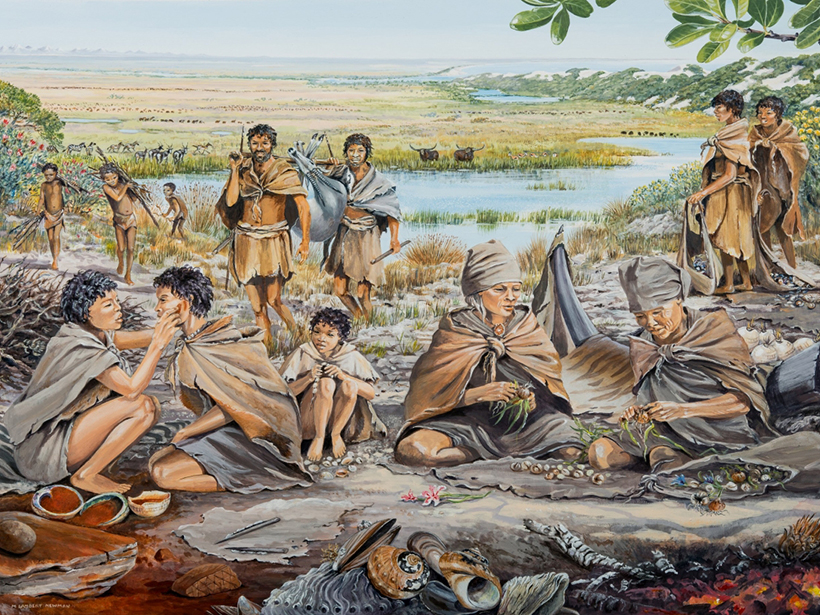
A Lost Haven for Early Modern Humans
Sea level changes have repeatedly reshaped the Paleo-Agulhas Plain, a now submerged region off the coast of South Africa that once teemed with plants, animals, and human hunter–gatherers.