
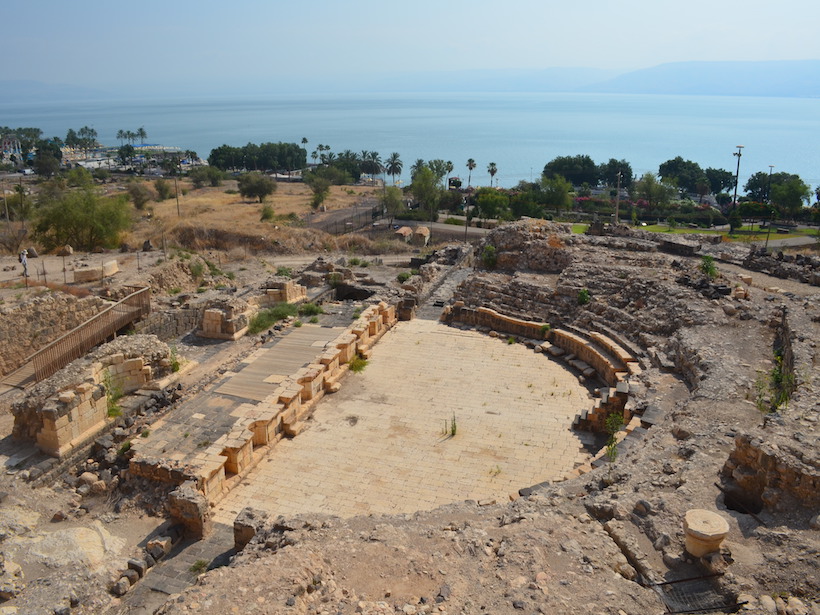

Research into past seismic activity shows northeast Israel is still vulnerable to large quakes.
history

Posted inNews
Podcast: The Unusual Relationship Between Climate and Pandemics

Two recent studies show how climate affects human pandemics and how pandemics, in turn, alter the environment.
Posted inNews
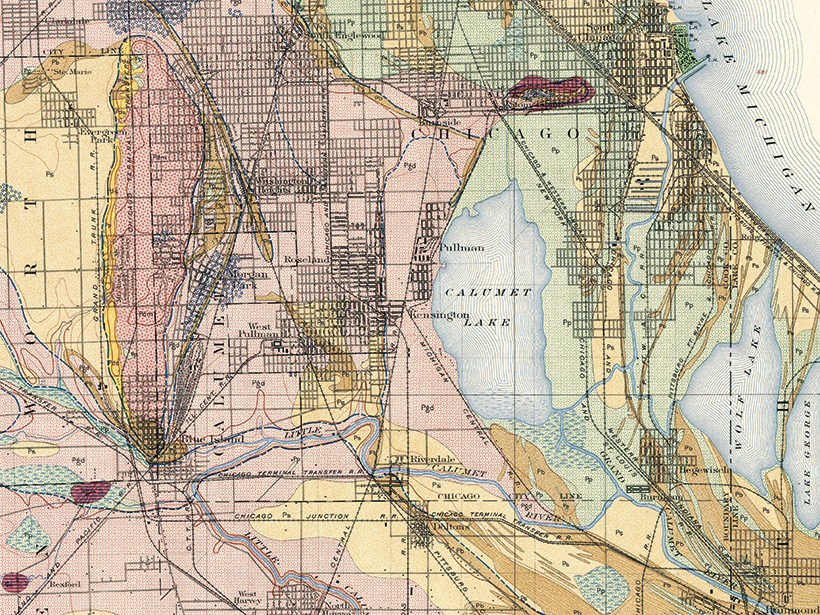
Chicago Wetlands Shrank by 40% During the 20th Century

A team of graduate students measured wetland and biodiversity changes during the 100 years following the reversal of the Chicago River.

Posted inNews
Kabuki Actor’s Forgotten Manuscript Yields Clues About 1855 Quake in Japan

Researchers analyzed a survivor’s account of the disaster to better understand future temblors.
Posted inFeatures
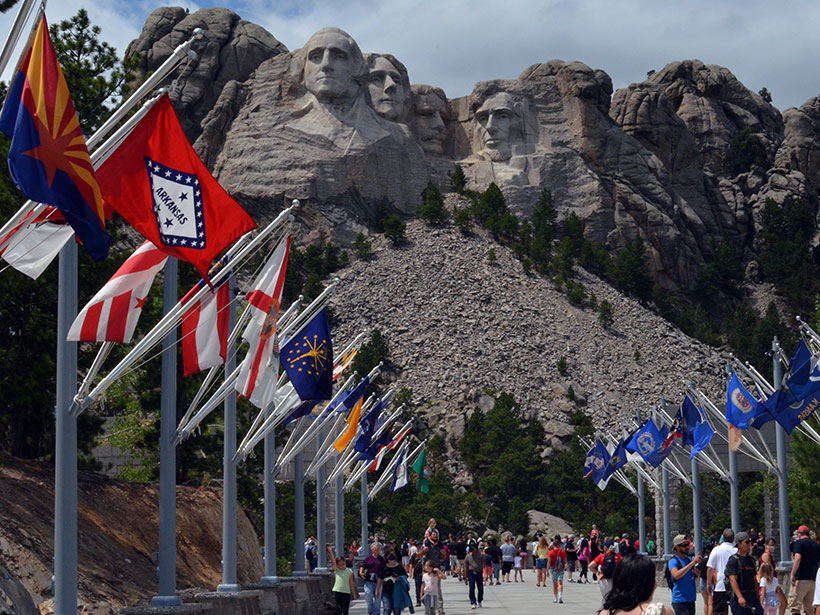
Mount Rushmore’s Six Grandfathers and Four Presidents

Living in Geologic Time: How long will it take for erosion to erase Mount Rushmore?
Posted inNews
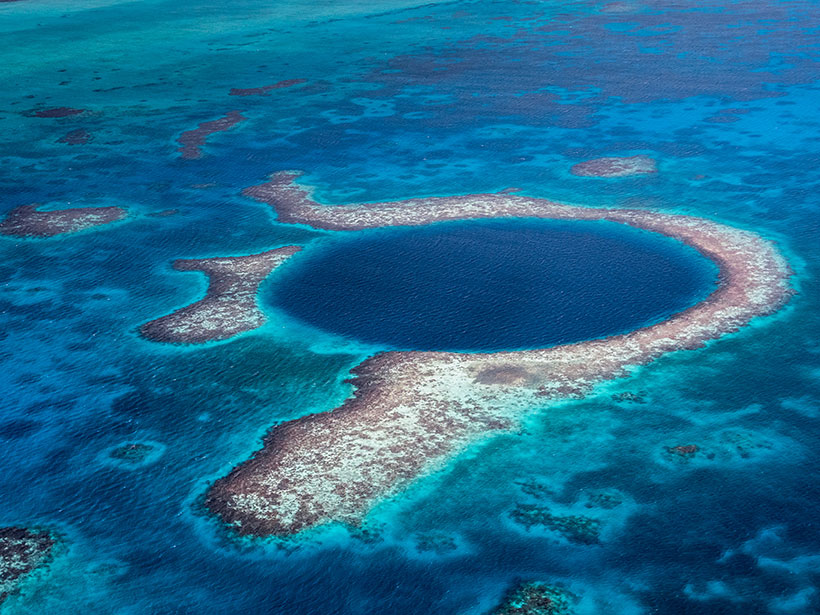
Severe Cyclones May Have Played a Role in the Maya Collapse

Sediment cores from the Great Blue Hole reveal that a series of extreme storms hit the region after 900. The storms may have irreparably damaged an already stressed Maya population.
Posted inNews
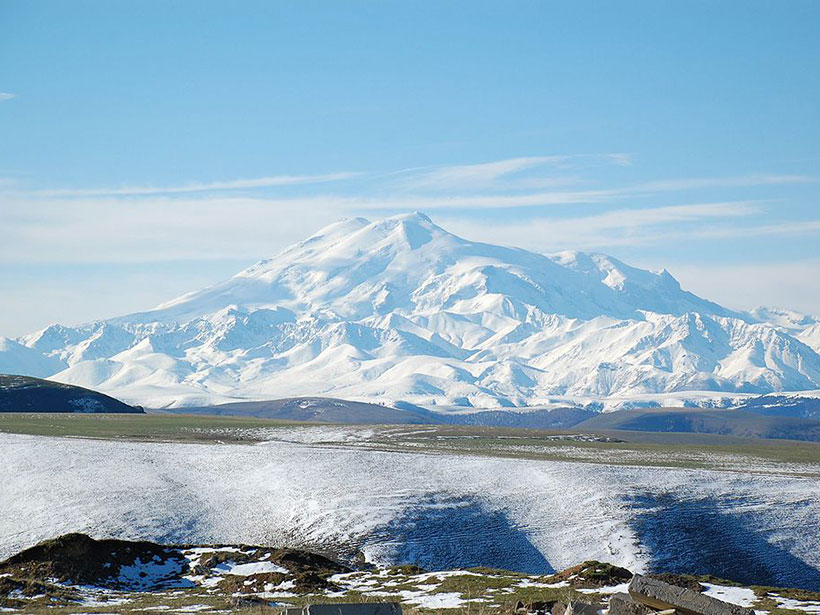
Fragrances in an Ice Core Tell a Story of Human Activity
An ice core from Europe’s highest peak contains scent-imparting molecules whose trends mirror the Soviet Union’s economic ups and downs.
Posted inNews
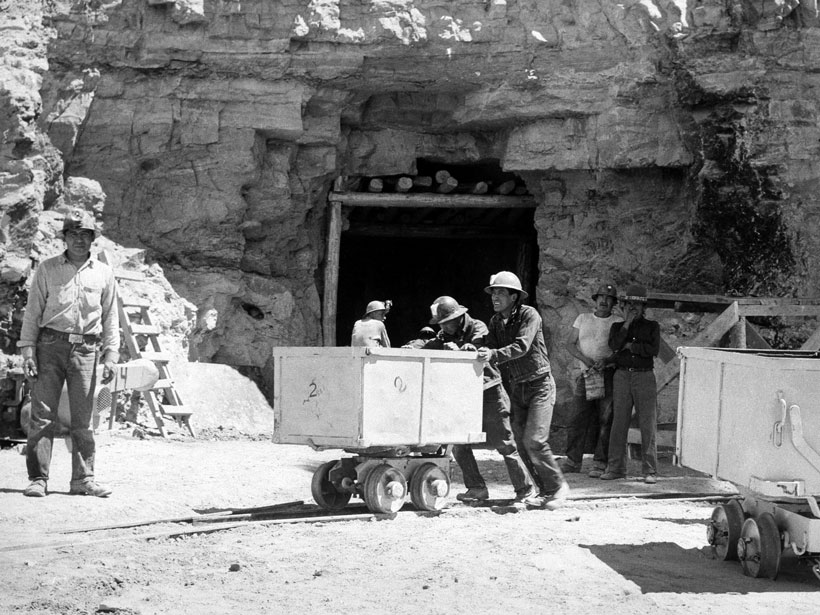
Thinking Zinc: Mitigating Uranium Exposure on Navajo Land
An innovative clinical trial uses “two-way participation” between Navajo and medical communities to study the impact of zinc on mitigating health effects associated with uranium mining.
Posted inNews
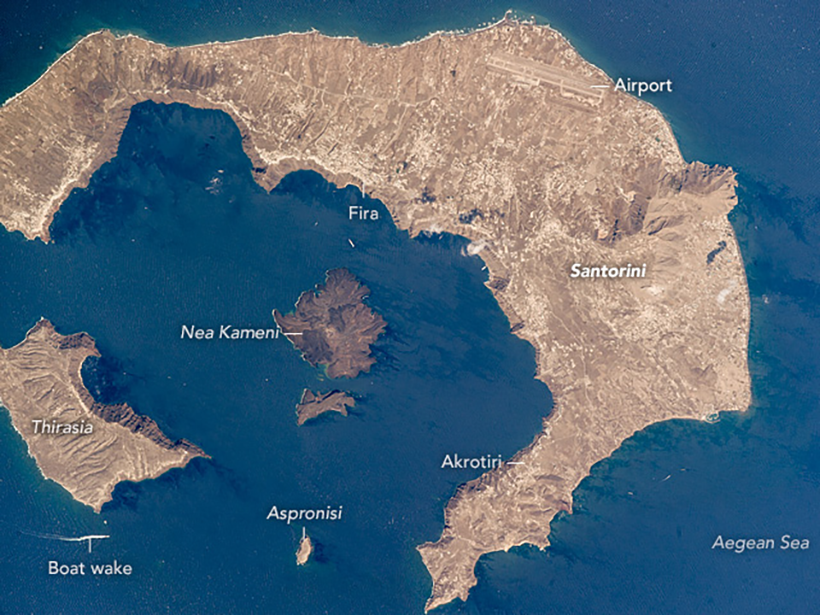
Podcast: Escape from Thera

A colossal volcanic eruption at Santorini, Greece, 3,600 years ago sent the island’s Bronze Age population fleeing for their lives. Where did the people go?
Posted inNews
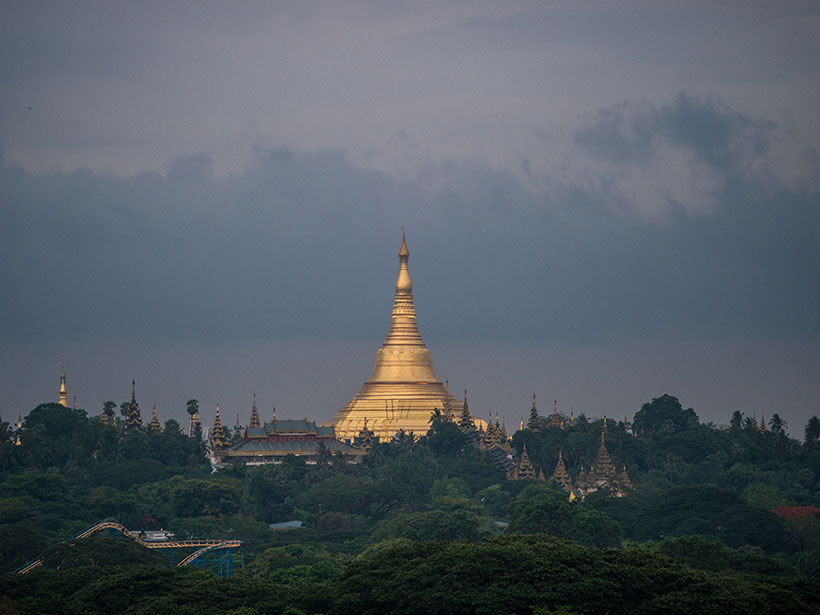
A Golden Opportunity to Save Shwedagon Pagoda’s Acclaimed Dome

The dome is replaced every 5 years, and researchers are studying how to make the gold more durable.