• About
  • Special Reports
  • Topics
    • Climate
    • Earth Science
    • Oceans
    • Space & Planets
    • Health & Ecosystems
    • Culture & Policy
    • Education & Careers
    • Opinions
  • Projects
    • Postcards From the Field
    • ENGAGE
    • Editors’ Highlights
    • Editors’ Vox
    • Eos en Español
    • Eos 简体中文版
    • Print Archive: 2015–2025
  • Policy Tracker
  • Blogs
    • Research & Developments
    • The Landslide Blog
  • Newsletter
  • Submit to Eos
  • AGU.org
  • Career Center
  • Join AGU
  • Give to AGU
  • About
  • Special Reports
  • Topics
    • Climate
    • Earth Science
    • Oceans
    • Space & Planets
    • Health & Ecosystems
    • Culture & Policy
    • Education & Careers
    • Opinions
  • Projects
    • Postcards From the Field
    • ENGAGE
    • Editors’ Highlights
    • Editors’ Vox
    • Eos en Español
    • Eos 简体中文版
    • Print Archive: 2015–2025
  • Policy Tracker
  • Blogs
    • Research & Developments
    • The Landslide Blog
  • Newsletter
  • Submit to Eos
Skip to content
  • AGU.org
  • Career Center
  • Join AGU
  • Give to AGU
Eos

Eos

Science News by AGU

Support Eos
Sign Up for Newsletter
  • About
  • Special Reports
  • Topics
    • Climate
    • Earth Science
    • Oceans
    • Space & Planets
    • Health & Ecosystems
    • Culture & Policy
    • Education & Careers
    • Opinions
  • Projects
    • Postcards From the Field
    • ENGAGE
    • Editors’ Highlights
    • Editors’ Vox
    • Eos en Español
    • Eos 简体中文版
    • Print Archive: 2015–2025
  • Policy Tracker
  • Blogs
    • Research & Developments
    • The Landslide Blog
  • Newsletter
  • Submit to Eos

landslides

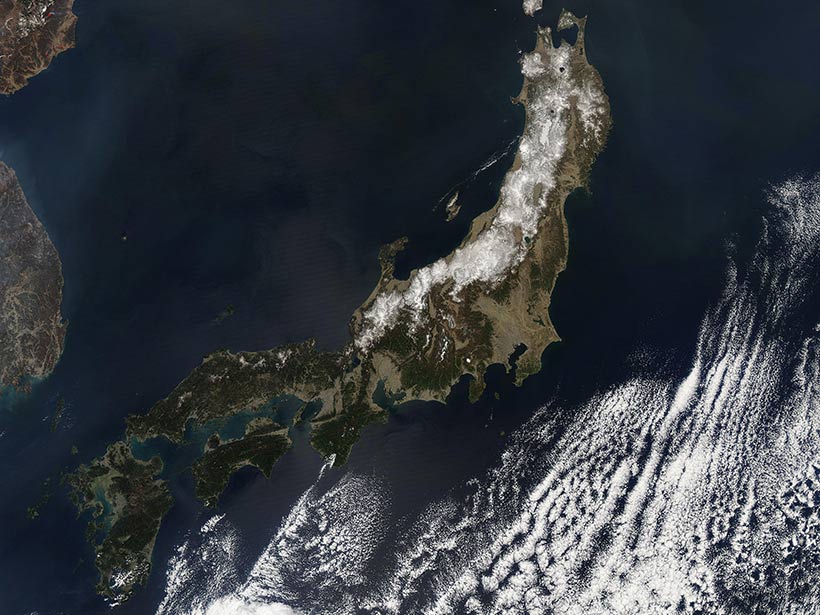
Satellite photo of Japan
Posted inResearch Spotlights

Earthquakes May Prevent Underwater Landslides

by David Shultz 4 April 201621 July 2022

Smaller quakes around the active edge of continental plates may contribute to increased stability by promoting compaction and solidifying the top 100 meters of seafloor sediment.

Posted inNews

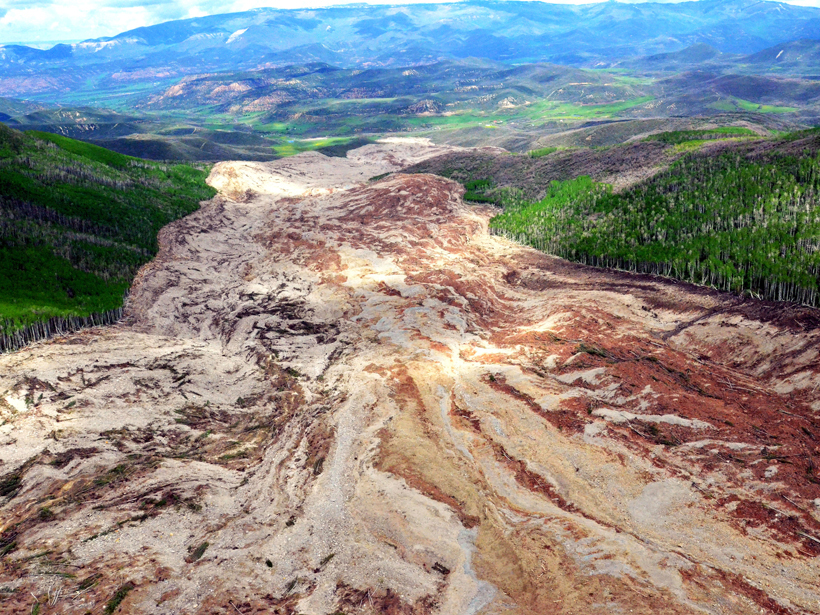
Forensic Analysis of Landslide Reveals Rocky Secrets

JoAnna Wendel, freelance science writer and illustrator by JoAnna Wendel 4 March 201624 February 2022

Scientists used drones, seismic data, and eyewitness accounts to figure out what unleashed an unthinkably large landslide on a spring day in Colorado.

Posted inResearch Spotlights

New Model Improves Predictions of Shallow Landslides

by Terri Cook 2 February 20163 December 2021

An advanced, process-based model that incorporates typically neglected processes provides new insight into the complex dynamics controlling shallow landslide formation.

Posted inNews

Active Mud Volcano Field Discovered off Southeast Alaska

by R. Berkowitz 30 November 20157 July 2025

A cruise to study landslide potential along an earthquake-prone fault found a surprising methane plume.
Posted inNews

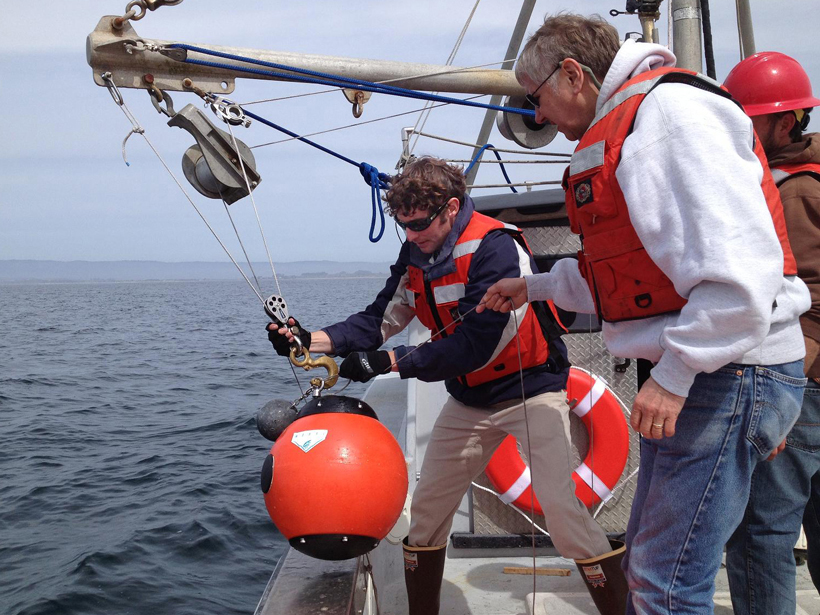
Researchers Track Underwater Avalanches Like Never Before

Cody Sullivan by C. Sullivan 3 November 201521 February 2023

Using beach ball–like detectors, researchers set out to determine how sediments, which could contain toxic contaminants, travel through submarine canyons to greater depths.

Posted inResearch Spotlights

Water Waves Provide Insight into Landslides and Avalanche Models

by David Shultz 21 October 201511 February 2022

Boussinesq-type gravity waves appear to accurately describe vertical motion in granular flows found in geophysics.
Posted inResearch Spotlights

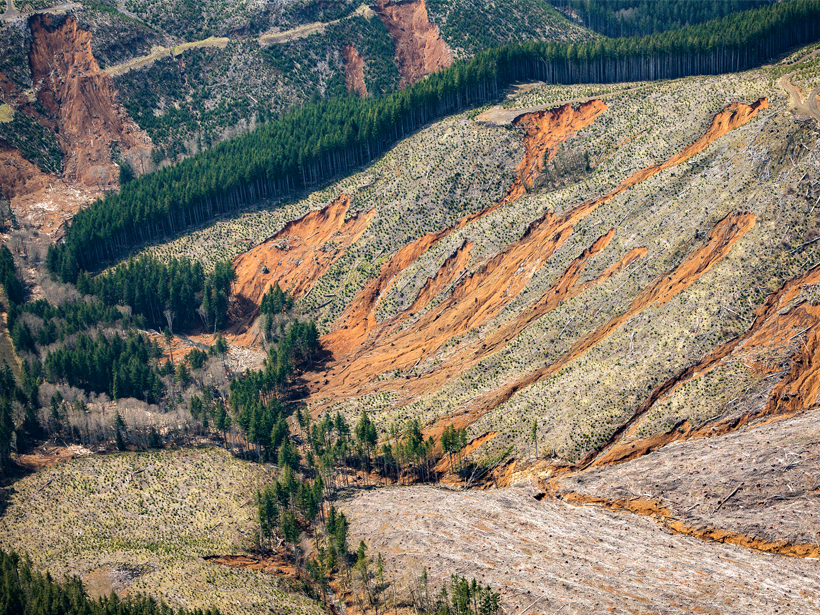
Efficiently Predicting Shallow Landslide Size and Location

by David Shultz 8 October 20156 February 2023

New mathematical approach lets researchers analyze potentially unstable slopes in three dimensions without testing every possible landslide shape.
Posted inResearch Spotlights

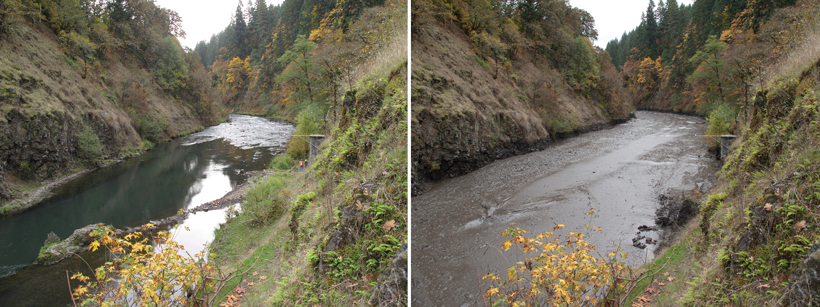
Downstream Effect of Blowing a Hole in a 38-meter Dam

by C. Schultz and Faith Ishii 25 November 201411 February 2022

Researchers tracked what happened to the White Salmon River after engineers removed the 100-year-old Condit Dam.

Posted inResearch Spotlights

Oregon Earthquakes Increase Local Landslide Risk

by C. Schultz 4 November 20146 February 2023

Researchers investigate the strength of Oregon’s coastal hillsides in the face of an earthquake.

Posted inNews

Decades-Old Sediment Cores Complicate Cascadia Earthquake History

JoAnna Wendel, freelance science writer and illustrator by JoAnna Wendel 2 September 201414 March 2024

Scientists have long known that the Pacific Northwest is vulnerable to massive earthquakes, but newly unearthed data raises questions about the strength and frequency of these quakes.

Posts pagination

Newer posts 1 … 47 48 49 50 Older posts
Over a dark blue-green square appear the words Special Report: The State of the Science 1 Year On.

Features from AGU Publications

Research Spotlights

In Alaska, Wildfires Help Prevent Future Burns. Will That Feedback Loop Hold?

24 September 202625 September 2026
Editors' Highlights

Reducing Uncertainty in Groundwater Models Using Airborne Geophysics

28 September 202625 September 2026
Editors' Vox

In Appreciation of AGU’s Outstanding Reviewers of 2025

14 September 202610 September 2026
Eos logo at left; AGU logo at right

About Eos
ENGAGE
Awards
Contact

Advertise
Submit
Career Center
Sitemap

© 2026 American Geophysical Union. All rights reserved Powered by Newspack