
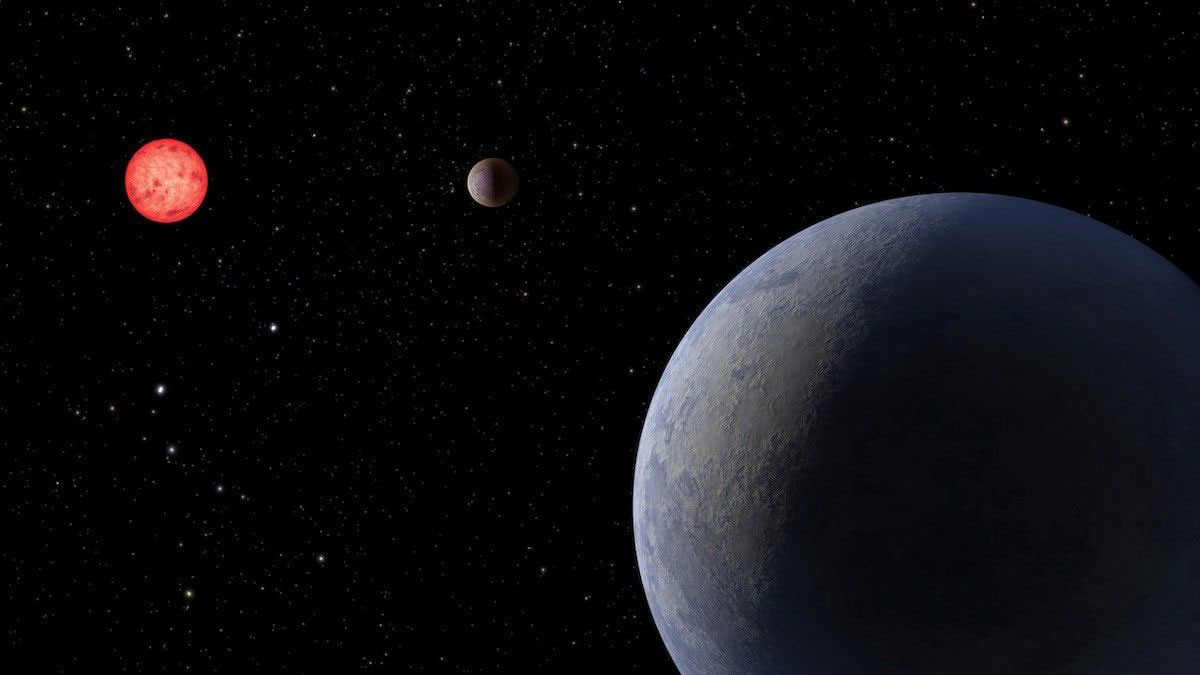
New estimates show that a mineral likely common in these rocky planets’ interiors is resistant to melting, even at high temperatures.
minerals
Posted inEditors' Highlights
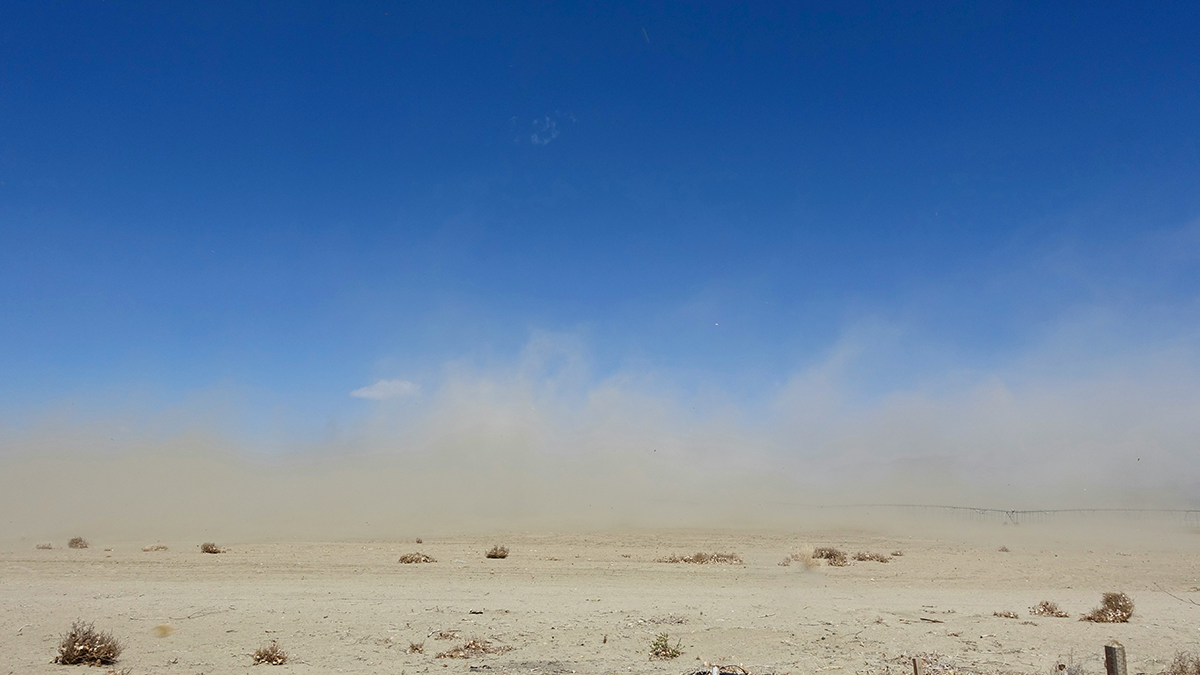
Seeing Earth’s Most Common Minerals from Space

A novel method marks an important step toward mapping quartz and feldspar globally.
Posted inFeatures
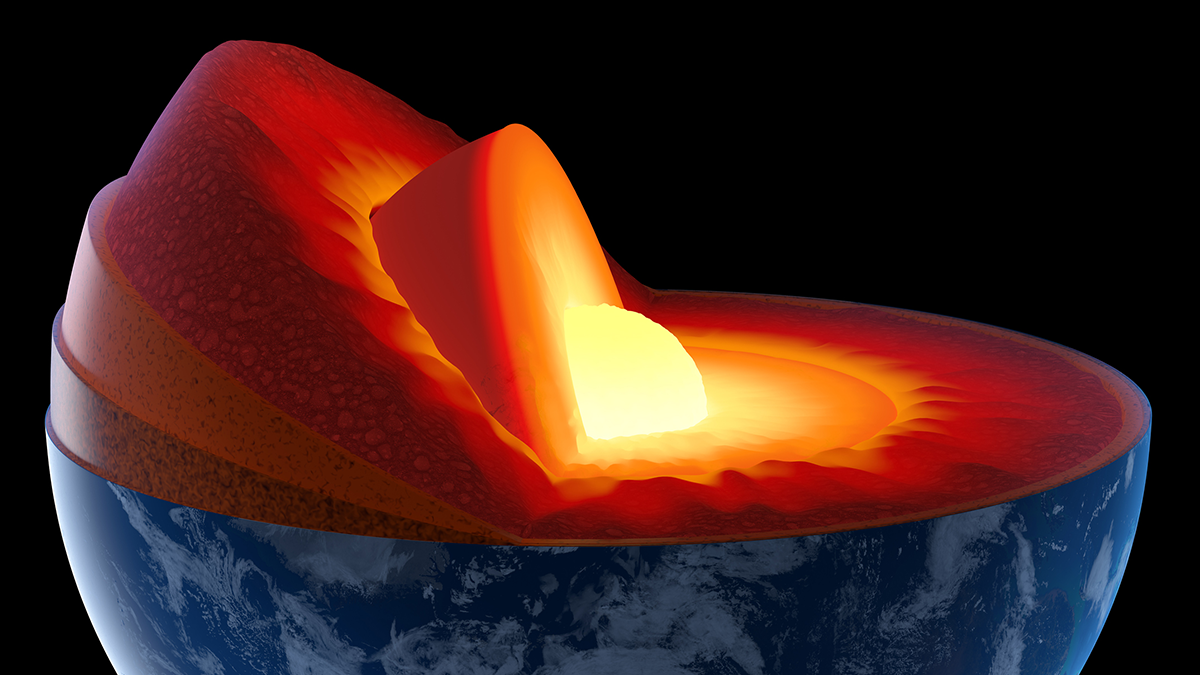
A Quiet Quantum Revolution in Earth’s Deep Interior
A subtle change in iron ions’ electronic configuration produces a measurable difference in seismic wave speeds through mantle rocks.
Posted inNews
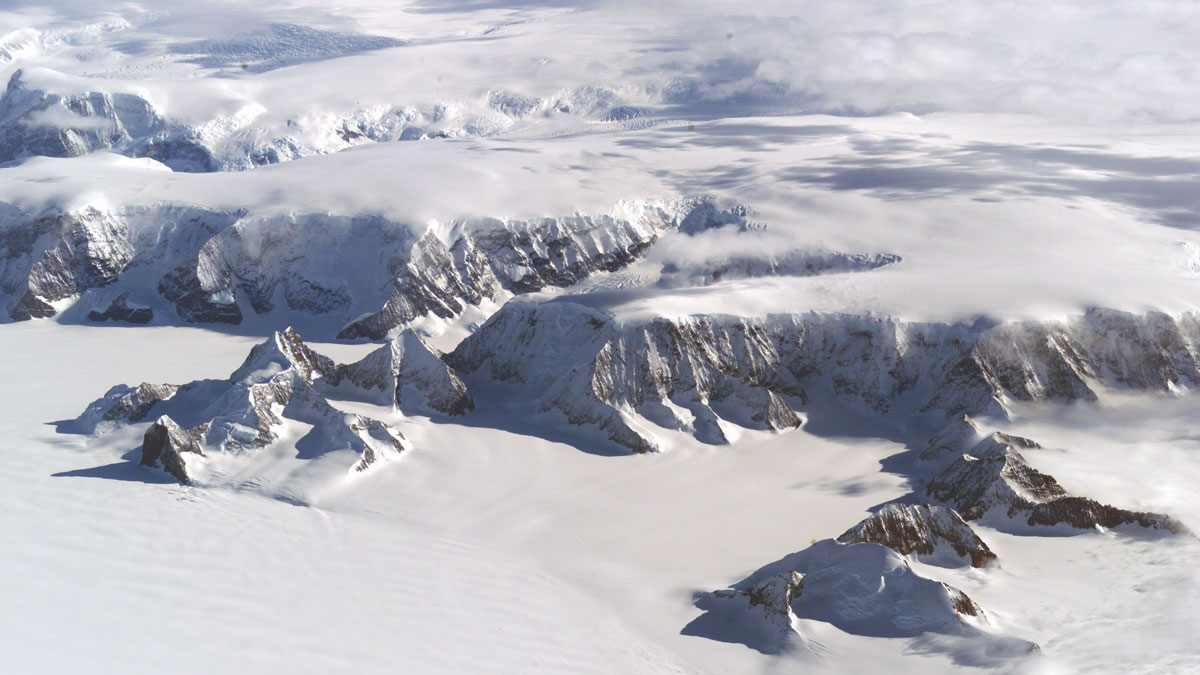
As Ice Recedes and Land Rebounds, Antarctica’s Mineral Resources Come into Focus

Melting ice, rebounding land, and rising seas will change what resources are available in Antarctica, a new analysis finds.

Posted inEditors' Vox
Rates of Mineral Dissolution from the Flask to Enhanced Weathering
Assessing the rate that weathering could draw carbon dioxide out of the atmosphere requires understanding why lab- and field-based rate measurements differ by orders of magnitude.
Posted inEditors' Highlights
A New Way to Measure Quartz Strength at High Pressure
Direct stress measurements inside deforming quartz reveal how its strength changes with temperature, improving models of continental crust deformation.
Posted inEditors' Highlights
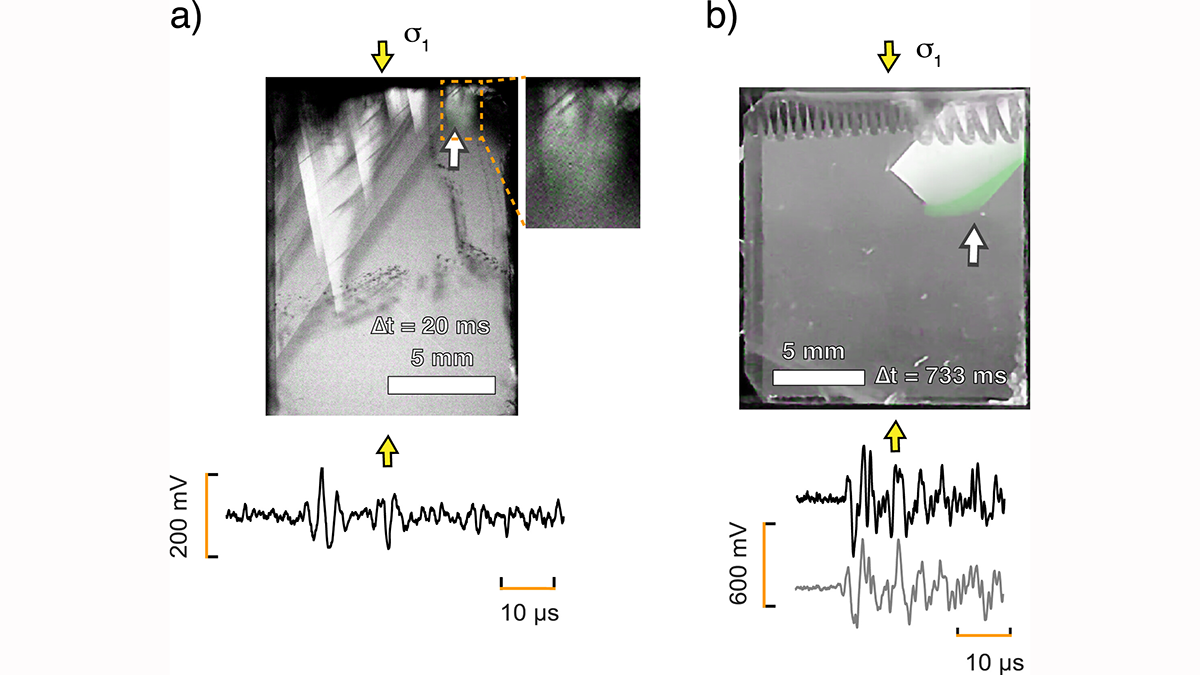
Visualizing and Hearing the Brittle–Plastic Transition
Simultaneous optical, mechanical, and acoustic measurements reveal that brittle microcracking and crystal-plastic twinning in calcite generate distinguishable acoustic signals.
Posted inThe Landslide Blog
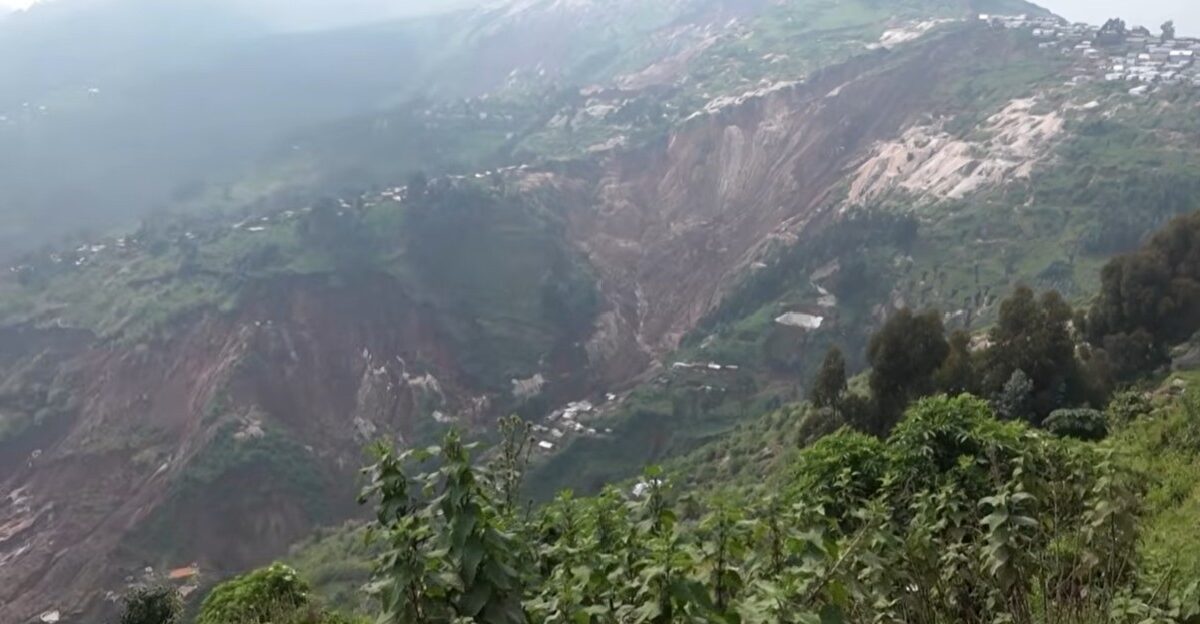
The 28 January 2026 landslide at the Rubaya coltan mine complex in the Democratic Republic of Congo
The Landslide Blog is written by Dave Petley, who is widely recognized as a world leader in the study and management of landslides. Whilst I was skiing in the French Alps last week, there were a couple of significant landslides. The highest profile event was the vast and intriguing landslide at Niscemi in Sicily (located […]
Posted inResearch & Developments
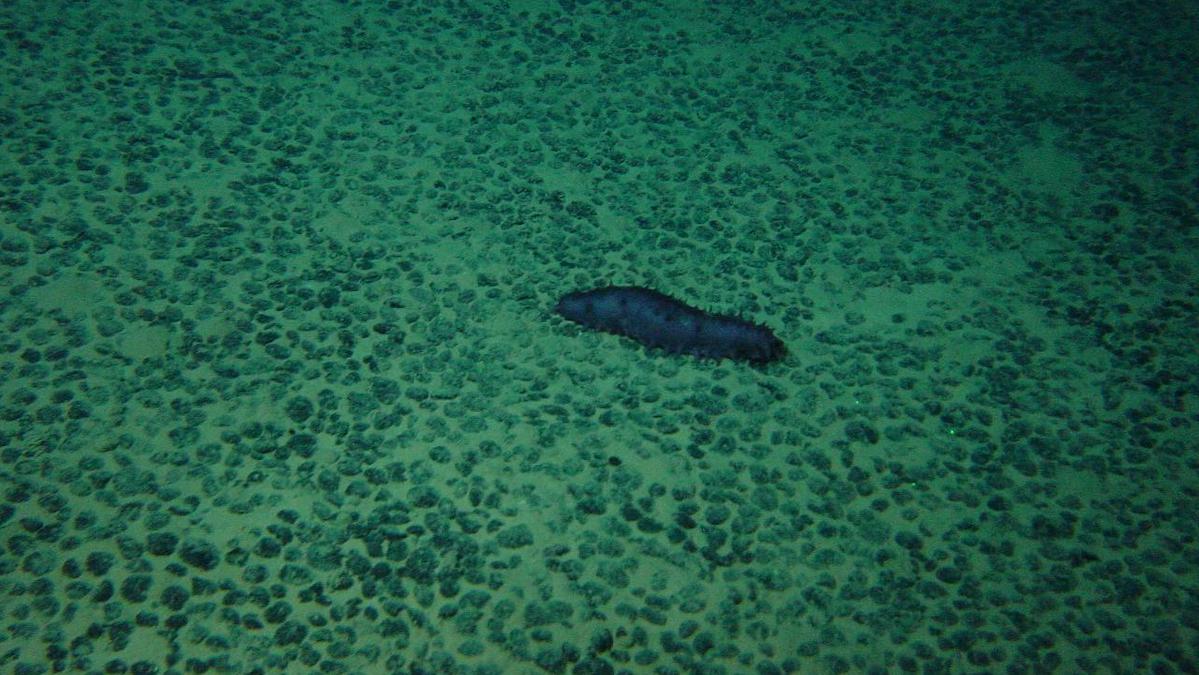
Trump Administration to Speed Up Permitting for Deep Sea Mining, Even Beyond U.S. Boundaries
NOAA has finalized a rule that will expedite the permit and license application process for deep seabed mining and allow companies to mine beyond U.S. jurisdictional boundaries.
Posted inEditors' Highlights
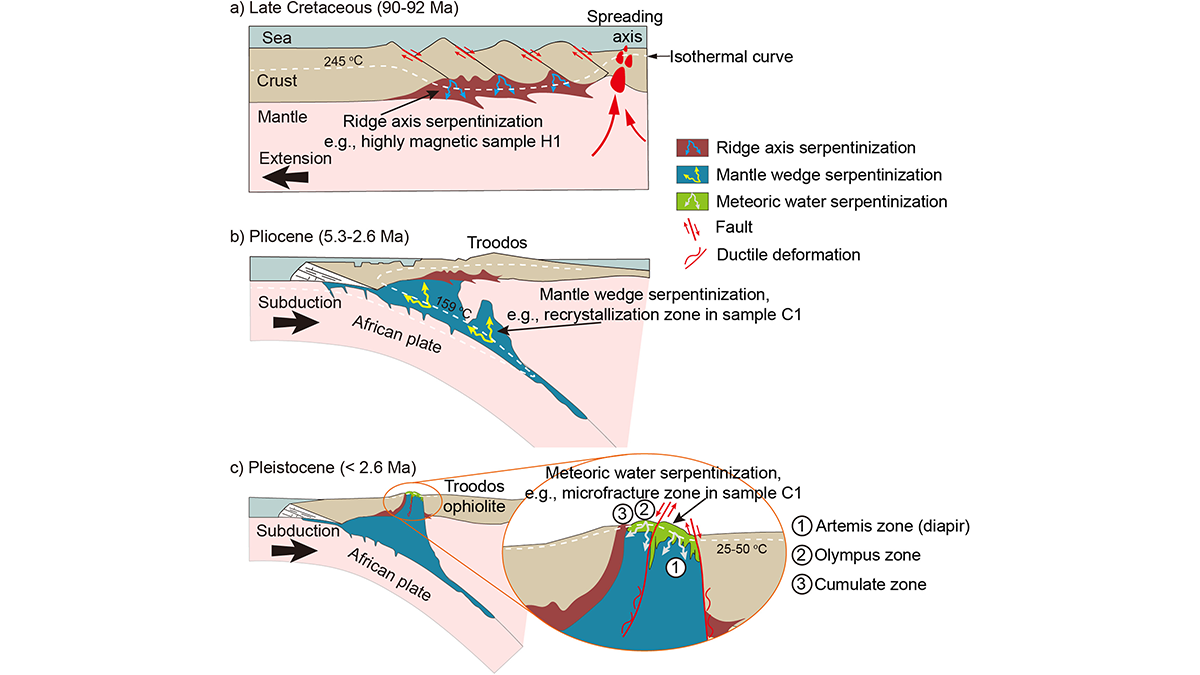
Detecting Remagnetization with Quantum Diamond Microscopy
Scientists reconstruct the magnetization timeline of serpentinized rocks from the Troodos ophiolite by investigating remanent magnetization-carrying structures with a Quantum Diamond Microscope.