• About
  • Special Reports
  • Topics
    • Climate
    • Earth Science
    • Oceans
    • Space & Planets
    • Health & Ecosystems
    • Culture & Policy
    • Education & Careers
    • Opinions
  • Projects
    • Postcards From the Field
    • ENGAGE
    • Editors’ Highlights
    • Editors’ Vox
    • Eos en Español
    • Eos 简体中文版
    • Print Archive: 2015–2025
  • Policy Tracker
  • Blogs
    • Research & Developments
    • The Landslide Blog
  • Newsletter
  • Submit to Eos
  • AGU.org
  • Career Center
  • Join AGU
  • Give to AGU
  • About
  • Special Reports
  • Topics
    • Climate
    • Earth Science
    • Oceans
    • Space & Planets
    • Health & Ecosystems
    • Culture & Policy
    • Education & Careers
    • Opinions
  • Projects
    • Postcards From the Field
    • ENGAGE
    • Editors’ Highlights
    • Editors’ Vox
    • Eos en Español
    • Eos 简体中文版
    • Print Archive: 2015–2025
  • Policy Tracker
  • Blogs
    • Research & Developments
    • The Landslide Blog
  • Newsletter
  • Submit to Eos
Skip to content
  • AGU.org
  • Career Center
  • Join AGU
  • Give to AGU
Eos

Eos

Science News by AGU

Support Eos
Sign Up for Newsletter
  • About
  • Special Reports
  • Topics
    • Climate
    • Earth Science
    • Oceans
    • Space & Planets
    • Health & Ecosystems
    • Culture & Policy
    • Education & Careers
    • Opinions
  • Projects
    • Postcards From the Field
    • ENGAGE
    • Editors’ Highlights
    • Editors’ Vox
    • Eos en Español
    • Eos 简体中文版
    • Print Archive: 2015–2025
  • Policy Tracker
  • Blogs
    • Research & Developments
    • The Landslide Blog
  • Newsletter
  • Submit to Eos

mining

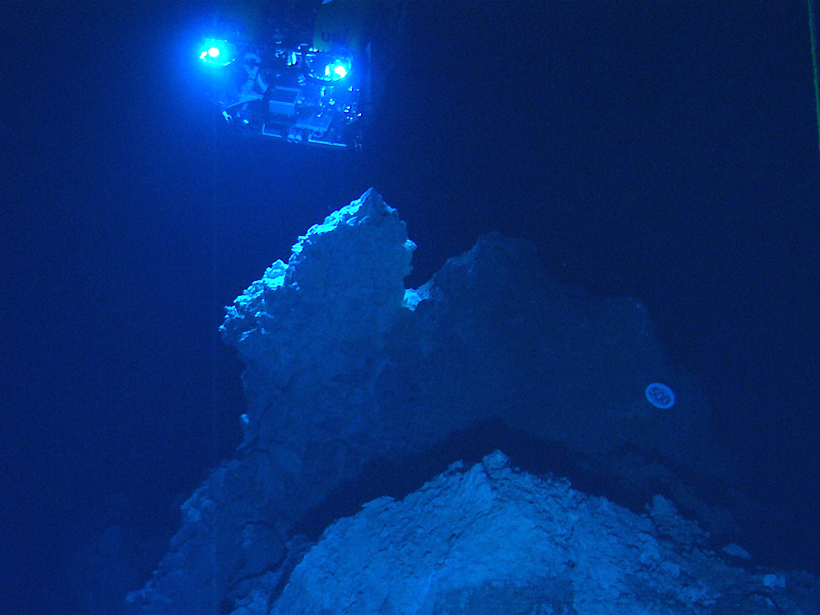
The spotlights of a remotely operated vehicle illuminate carbonate rock spires of the Lost City hydrothermal vent field in the Atlantic Ocean.
Posted inNews

Deep-Seabed Mining May Come Soon, Says Head of Governing Group

by Randy Showstack 22 November 201724 April 2025

New regulations could open the door for sustainable mining, says the head of the International Seabed Authority. However, he and others pointed to environmental, financial, and technical challenges.

Posted inEditors' Vox

Where and How Can We Find New Sources of Oil and Gas?

by S. Gaci and O. Hachay 10 May 20178 November 2021

The editors of a new book on oil and gas exploration describe developments in methods for identifying oil and gas fields, and for making accurate predictions about their extractive potential.
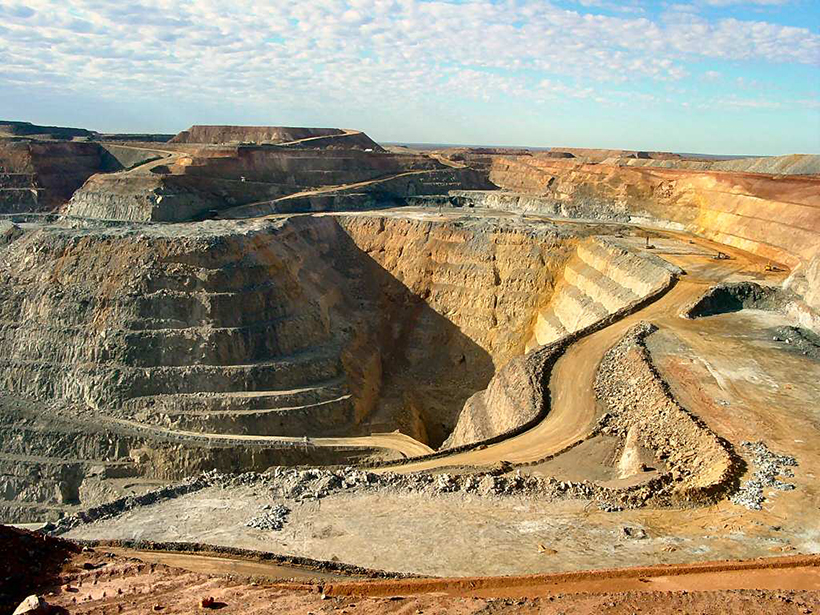
Researchers examine how water resource management by mining companies could benefit from climate records
Posted inResearch Spotlights

Global Drought Clustering Could Mean Big Losses for Mining

by E. Underwood 28 March 201728 February 2023

Long-term climate records could help mining companies and their investors assess the financial risk of water shortages.

Processes like mining and drilling tunnels, which displace material from the subsurface, can induce earthquakes.
Posted inNews

It’s Not Just Fracking: New Database of Human-Induced Quakes

JoAnna Wendel, freelance science writer and illustrator by JoAnna Wendel 22 December 201616 February 2022

In the largest compilation of anthropogenically induced earthquakes, causes range from building water reservoirs to mining.
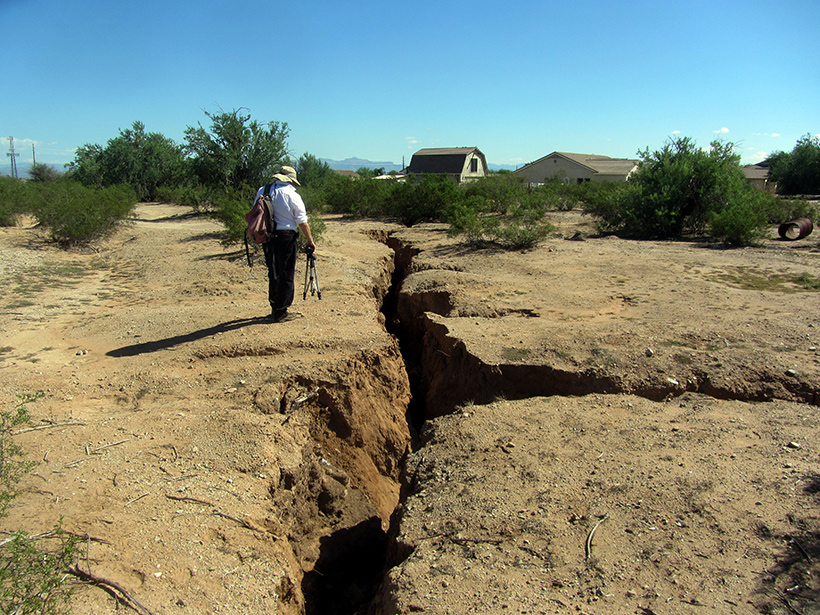
Michael Conway, chief of the Geologic Extension Service at the Arizona Geological Survey, maps Earth fissures in the Queen Creek area south of Phoenix, Ariz.
Posted inNews

New Law Puts the Squeeze on the Arizona Geological Survey

by Randy Showstack 3 June 201627 March 2023

Arizona state services at risk include a program to map Earth fissures; the state's earthquake-monitoring network; and the Survey's mineral resources program.
Posted inNews

Salty Secret Might Aid Carbon Impact of Restored Wetlands

Cody Sullivan by C. Sullivan 15 December 201523 January 2023

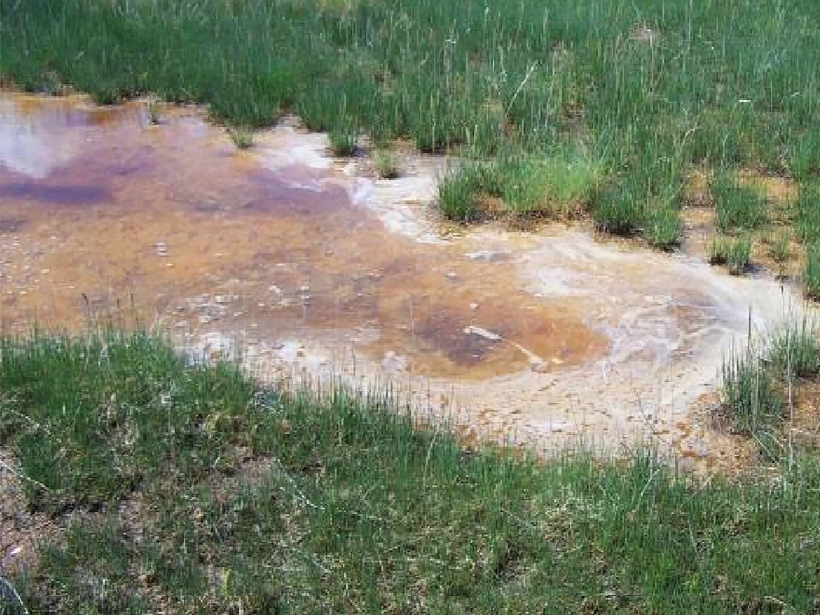
Research on a surprising way rainfall affected the salinity of a boreal peatland might help restorers of such wetlands wrecked by tar sands mining maximize carbon absorption of reclaimed marshes.
Posted inNews

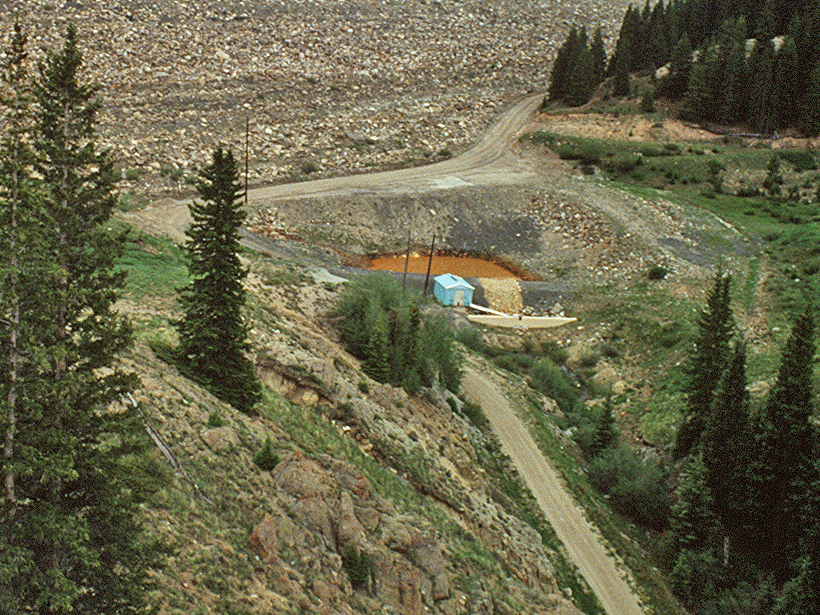
New Reactive Barrier May Protect Groundwater from Mine Waste

by S. Kelleher 16 November 20156 February 2023

Researchers are developing a porous concrete filter to pull harmful dissolved metals out of water.
Posted inResearch Spotlights

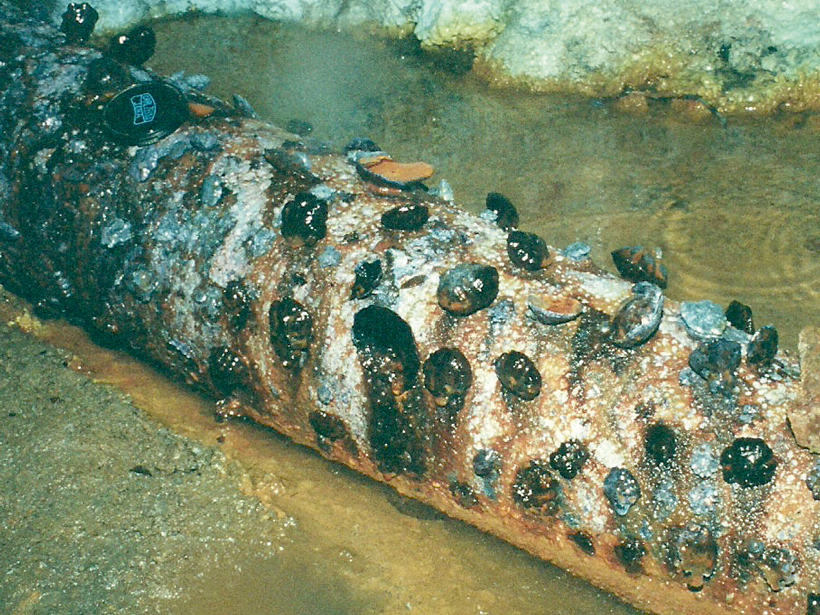
Microbial Communities Form Iron Shells in Abandoned Mines

by David Shultz 10 September 201510 November 2022

Fungi and bacteria deposit metal ions on steel objects left behind by miners. These metals form strange clam-like shells on the steel surfaces.
Posted inNews

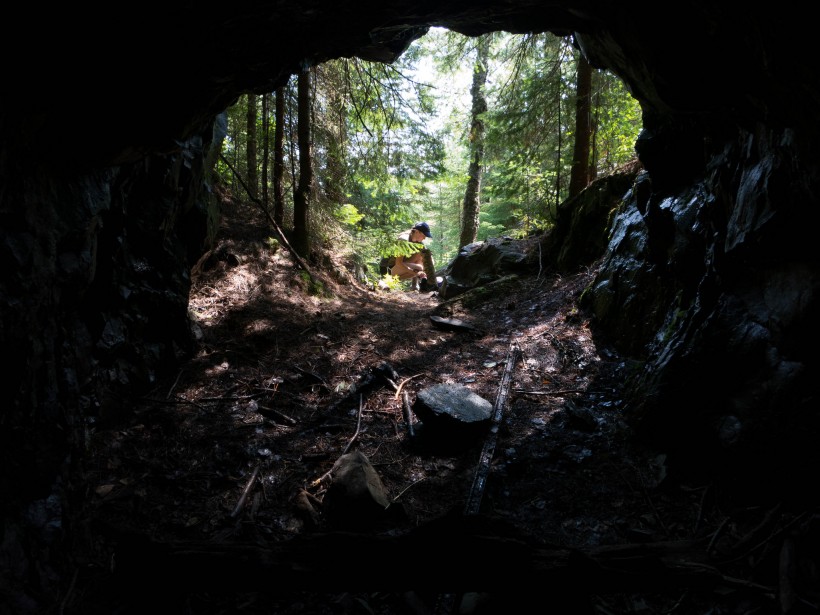
Miners Left a Pollution Trail in the Great Lakes 6000 Years Ago

by J. Rosen 24 December 201410 September 2025

Scientists find evidence of ancient copper mining in polluted lake sediments from Isle Royale National Park.

Posted inNews

Greenland Premier Calls for Balanced Development of Natural Resources

by Randy Showstack 7 October 201424 January 2023

With Greenland confronting environmental and economic challenges, Premier Aleqa Hammond has called for developing natural resources while protecting the environment and dealing with climate change.

Posts pagination

Newer posts 1 … 12 13 14
Over a dark blue-green square appear the words Special Report: The State of the Science 1 Year On.

Features from AGU Publications

Research Spotlights

Harnessing Glacial Lakes for Hydropower

23 November 202623 November 2026
Editors' Highlights

Rethinking Where Rivers Begin

18 November 202616 November 2026
Editors' Vox

Bringing Python Solutions to Earth Science Challenges

19 November 202619 November 2026
Eos logo at left; AGU logo at right

About Eos
ENGAGE
Awards
Contact

Advertise
Submit
Career Center
Sitemap

© 2026 American Geophysical Union. All rights reserved Powered by Newspack