


New research shows that acoustic waves rippling through some large landslides can reduce friction and allow slides to run out long distances.
Modeling

Posted inResearch Spotlights
A Decade of Progress in Stratospheric Aerosol Research

Enhanced technology and chemistry-climate models have advanced our understanding of the sources and processes controlling the evolution of the stratospheric aerosol layer, the so-called Junge layer.

Posted inResearch Spotlights
Nitrogen Garners Starring Role in Refined Earth System Model
Scientists create a more realistic representation of plant nitrogen uptake and usage to improve global climate simulations.
Posted inResearch Spotlights
Improving the Identification of Extreme Precipitation Trends in the U.S.
By greatly reducing the associated uncertainty, a new model is better able to discern statistically significant trends, offering the potential to improve the seasonal forecasting of rare events.

Posted inNews
Icy Clouds May Counter Climate Warming Less Than Expected

A new analysis of cloud composition and behavior suggests that scientists have overestimated the ability of a type of mixed-phase ice-and-water cloud to mitigate climate change effects.
Posted inResearch Spotlights
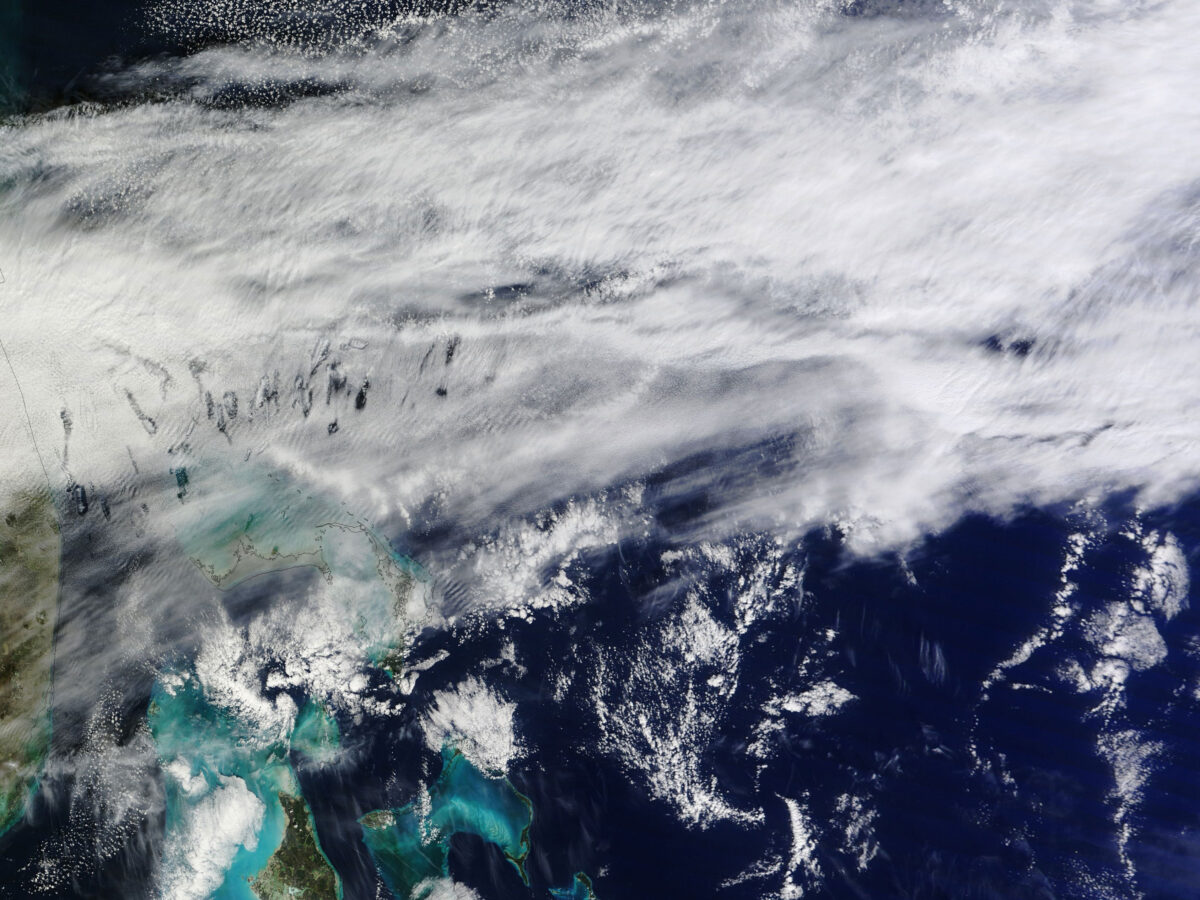
Modeling the Effects of Clouds on Climate
New research investigates how mixed-phase cloud partitioning and cloud cover compensate each other in GCMs.

Posted inEditors' Vox
Insights on Climate Systems from Interglacials
Interglacials provide insights into the impacts of warmer than present conditions in certain regions of Earth.
Posted inResearch Spotlights
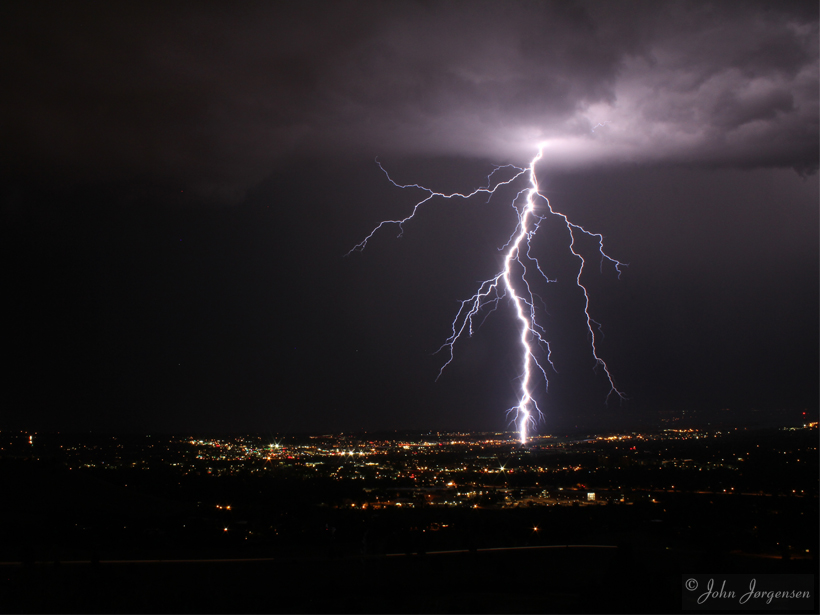
Considering Atmospheric Electricity in Climate Models
Researchers create a new model of the electric currents circulating throughout the atmosphere that will improve the accuracy of global climate models.
Posted inScience Updates
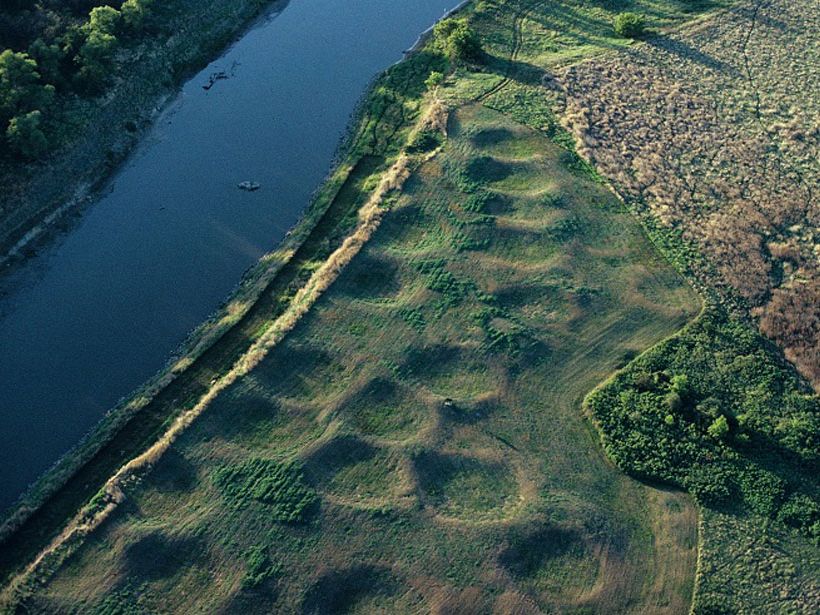
High-Resolution Climate Modeling for Regional Adaptation
High-Resolution Climate Modeling in the Northern Great Plains; Boulder, Colorado, 24–25 September 2015
Posted inResearch Spotlights
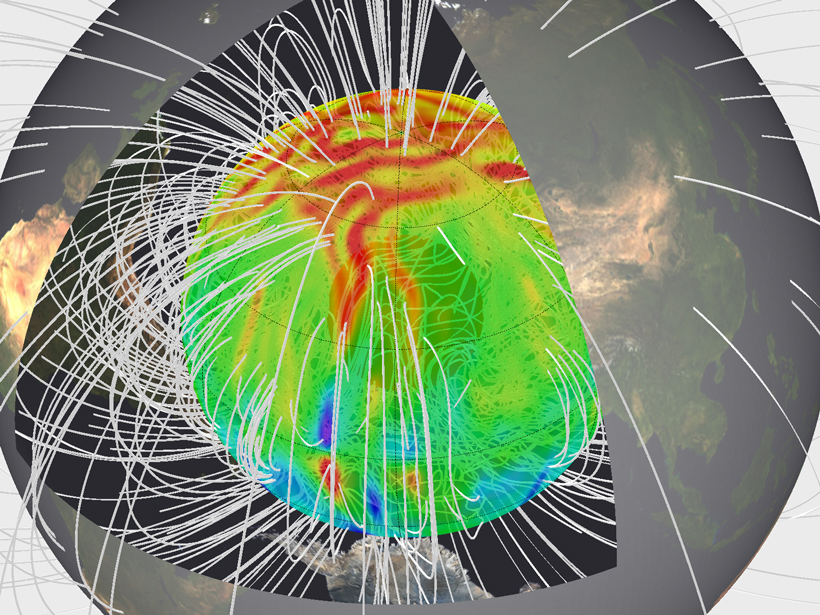
Which Geodynamo Models Will Work Best on Next-Gen Computers?
A new study uses identical tests to evaluate the accuracy and performance of current models of Earth's magnetic field, then extrapolates the results to anticipated "petascale" supercomputers.