
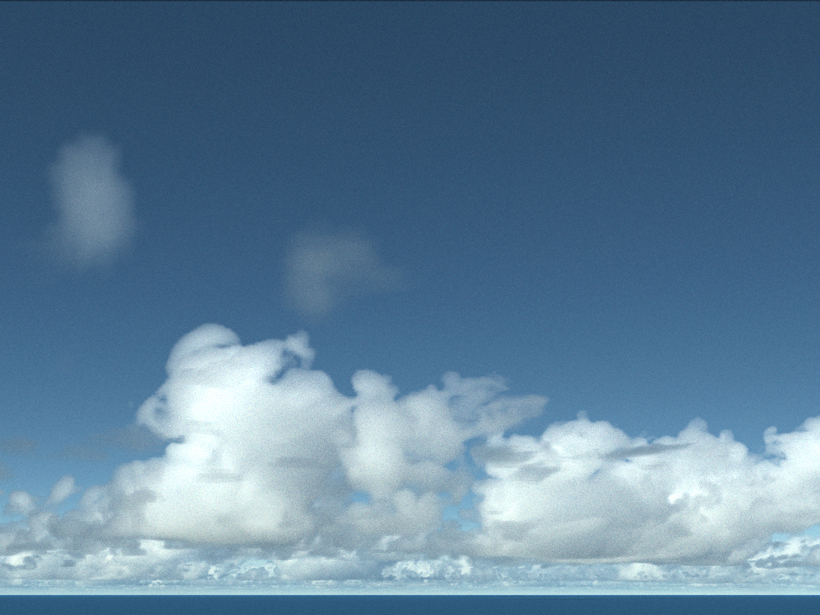
Computer simulations show that although adding aerosol particles to clouds can make them more reflective, the cooling effect from clouds is largely counterbalanced by a reduction in overall cloud cover.
Modeling
Posted inScience Updates
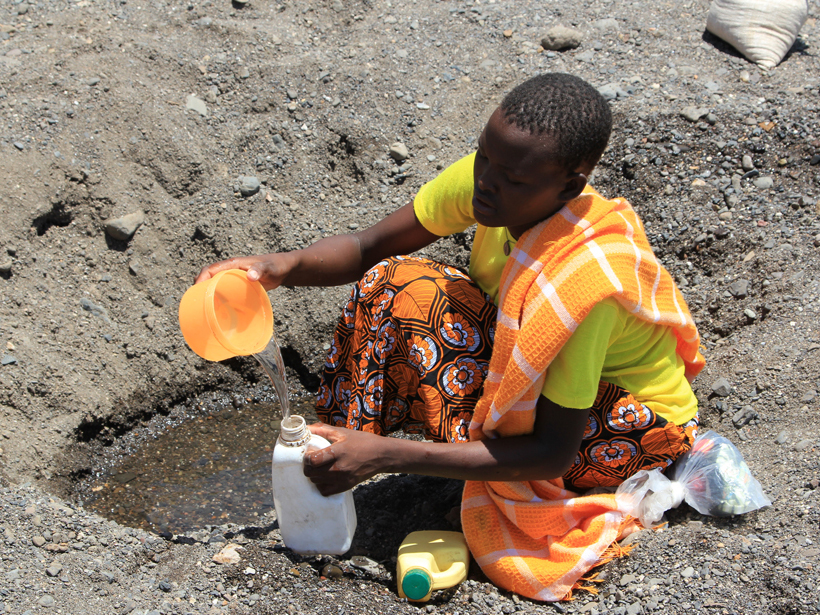
Precipitation Data Key to Food Security and Public Health
2015 Global Precipitation Measurement (GPM) Mission Applications Workshop; Hyattsville, Maryland, 9–10 June 2015
Posted inScience Updates
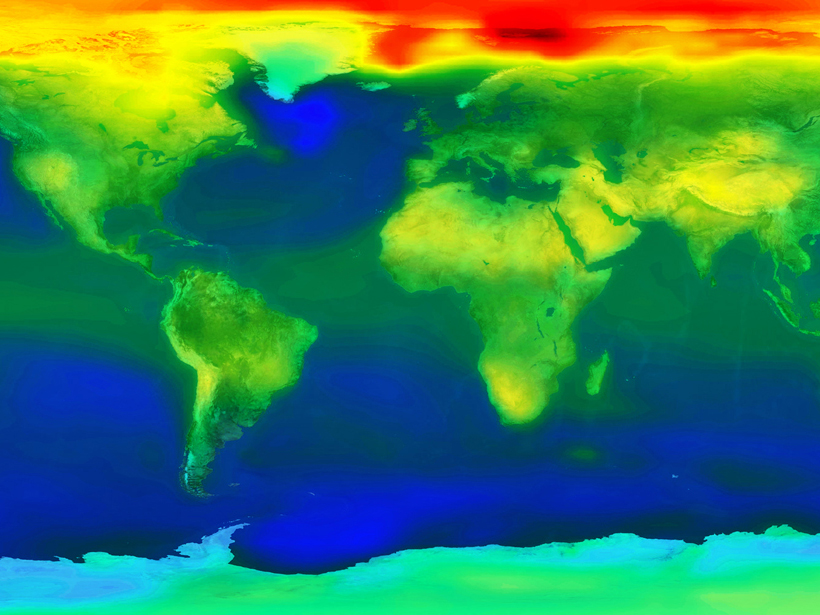
Better Tools to Build Better Climate Models
A Department of Energy collaboration aims to make climate model development faster and more efficient by creating a prototype of a system for testing model components.

Posted inResearch Spotlights
Modeling the Future of Dissolved Organic Carbon in Boreal Forests

Climate change and forest harvesting will increase the concentration and flow of dissolved organic carbon in boreal streams.

Posted inResearch Spotlights
New Model Improves Predictions of Shallow Landslides

An advanced, process-based model that incorporates typically neglected processes provides new insight into the complex dynamics controlling shallow landslide formation.
Posted inResearch Spotlights
Antarctic Meltwater Makes the Ocean Warmer and Fresher

Scientists model how Antarctic meltwater from specific locations could affect the Antarctic Bottom Water, ocean temperatures, and salinity.
Posted inResearch Spotlights
How Climate Change Impacts Clouds' Ability to Cool Earth
Understanding the small-scale processes underlying mixed-phase clouds' response to climate change will help scientists strengthen climate models.
Posted inResearch Spotlights
Climate Models Predict Diverse Arctic Ocean Shipping Routes
As ice melts, multiple models yield more detailed route predictions than any single model alone.
Posted inResearch Spotlights
What Triggers Intraseasonal Oscillations in the Indian Ocean?
A new modeling study suggests that the triggering of the Madden-Julian Oscillation is dominated by interactions with preceding events.
Posted inResearch Spotlights
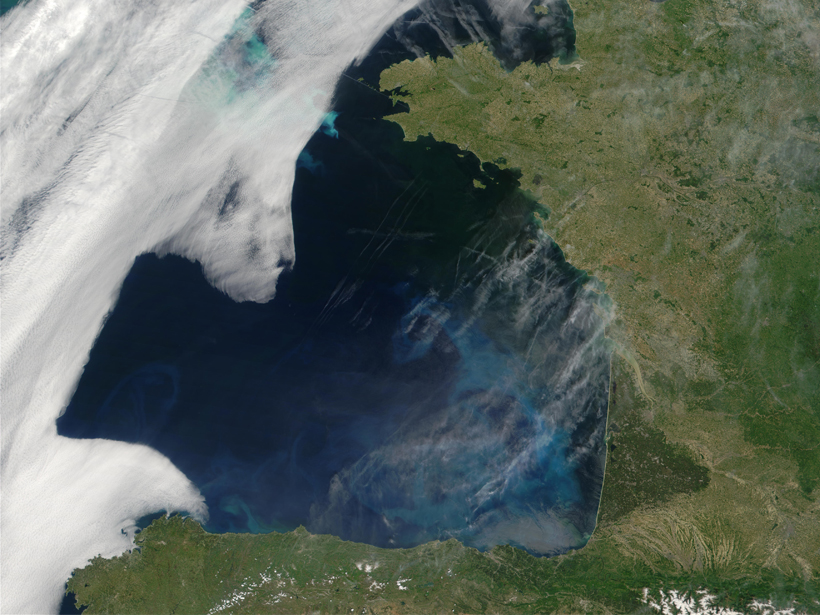
Simulating Tidal Flow and Mixing at Steep Submarine Slopes
A new three-dimensional model of tide-driven flow over the continental slope could enhance understanding of global ocean circulation.