• About
  • Special Reports
  • Topics
    • Climate
    • Earth Science
    • Oceans
    • Space & Planets
    • Health & Ecosystems
    • Culture & Policy
    • Education & Careers
    • Opinions
  • Projects
    • Postcards From the Field
    • ENGAGE
    • Editors’ Highlights
    • Editors’ Vox
    • Eos en Español
    • Eos 简体中文版
    • Print Archive: 2015–2025
  • Policy Tracker
  • Blogs
    • Research & Developments
    • The Landslide Blog
  • Newsletter
  • Submit to Eos
  • AGU.org
  • Career Center
  • Join AGU
  • Give to AGU
  • About
  • Special Reports
  • Topics
    • Climate
    • Earth Science
    • Oceans
    • Space & Planets
    • Health & Ecosystems
    • Culture & Policy
    • Education & Careers
    • Opinions
  • Projects
    • Postcards From the Field
    • ENGAGE
    • Editors’ Highlights
    • Editors’ Vox
    • Eos en Español
    • Eos 简体中文版
    • Print Archive: 2015–2025
  • Policy Tracker
  • Blogs
    • Research & Developments
    • The Landslide Blog
  • Newsletter
  • Submit to Eos
Skip to content
  • AGU.org
  • Career Center
  • Join AGU
  • Give to AGU
Eos

Eos

Science News by AGU

Support Eos
Sign Up for Newsletter
  • About
  • Special Reports
  • Topics
    • Climate
    • Earth Science
    • Oceans
    • Space & Planets
    • Health & Ecosystems
    • Culture & Policy
    • Education & Careers
    • Opinions
  • Projects
    • Postcards From the Field
    • ENGAGE
    • Editors’ Highlights
    • Editors’ Vox
    • Eos en Español
    • Eos 简体中文版
    • Print Archive: 2015–2025
  • Policy Tracker
  • Blogs
    • Research & Developments
    • The Landslide Blog
  • Newsletter
  • Submit to Eos

Oceans

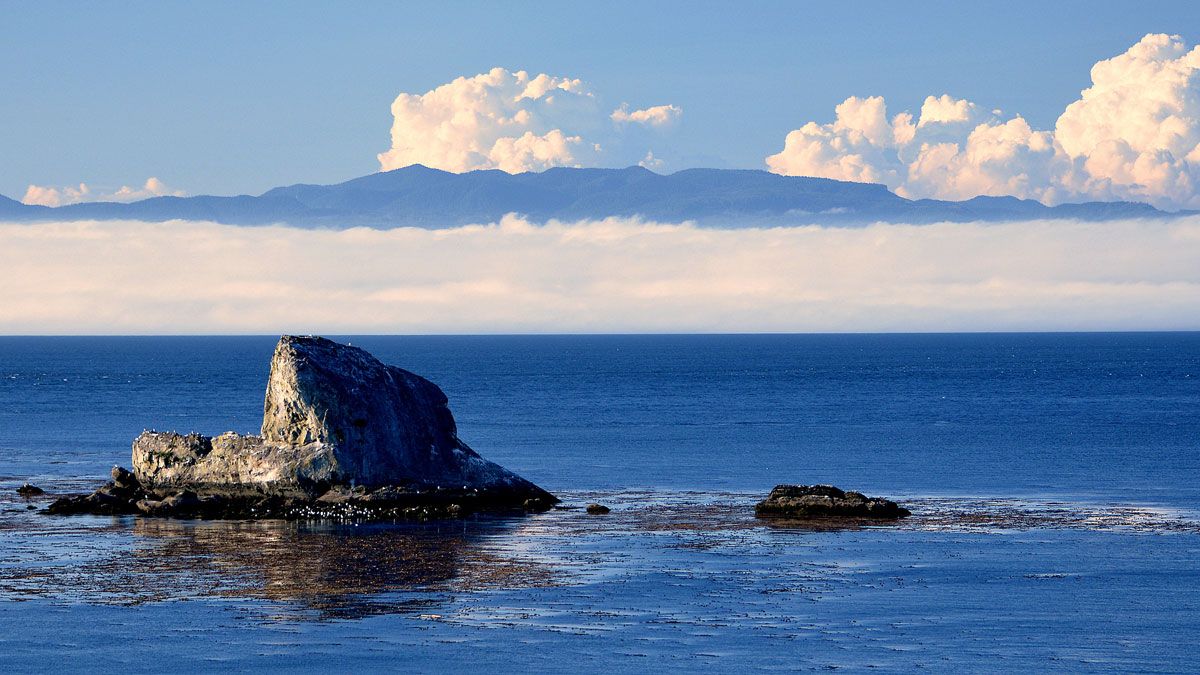
Vancouver Island rising above the Strait of Juan de Fuca.
Posted inResearch Spotlights

Tracing Water Particles Back in Time

Aaron Sidder, freelance science writer by Aaron Sidder 22 July 202222 July 2022

Every summer, a low-oxygen pool settles off Canada’s western coast. A new study uses robust modeling to track the origins of the dense water.

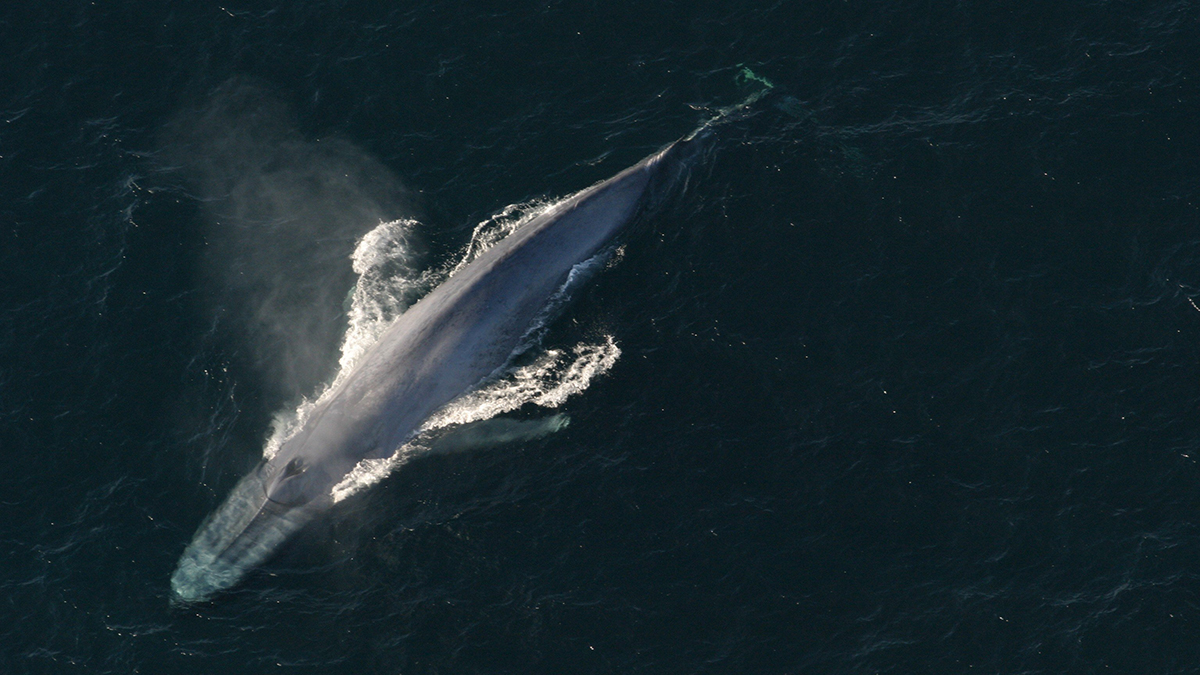
Aerial image of blue whale breathing at the water’s surface.
Posted inNews

Wiretapped Cables and the Songs of Whales

Jenessa Duncombe, Staff Writer by Jenessa Duncombe 22 July 202217 February 2023

Researchers jerry-rigged fiber-optic cables in a fjord to eavesdrop on blue whales, with possible applications ranging from seafloor mapping to meteorology.
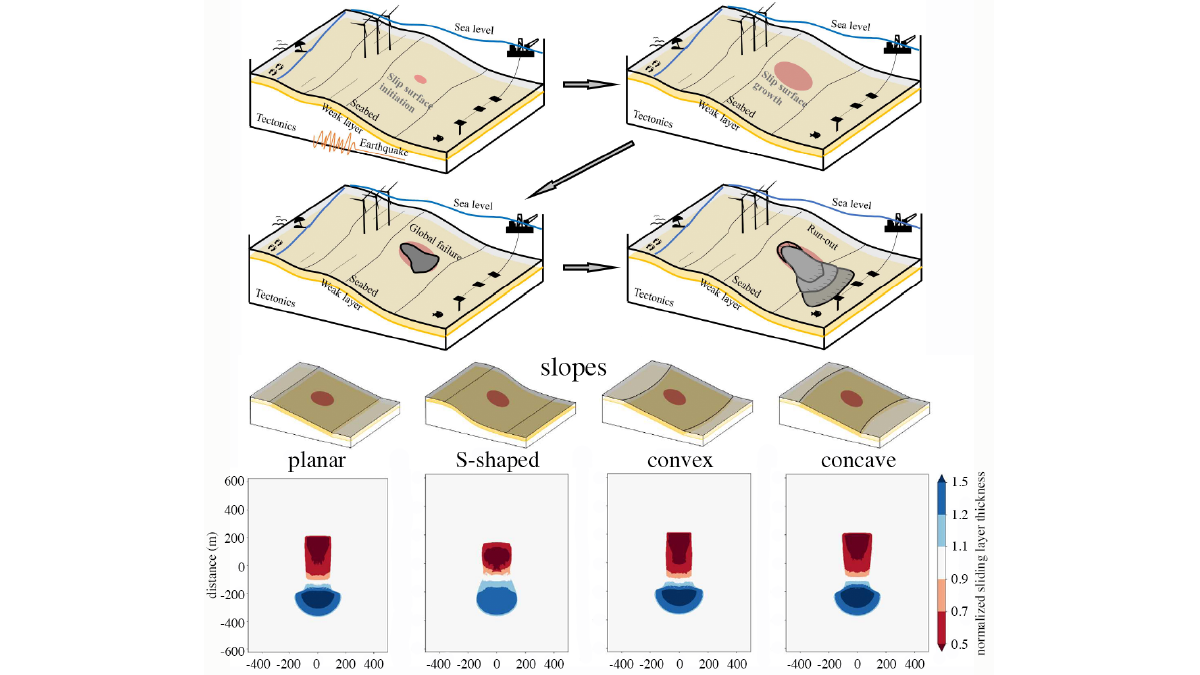
Diagrams and graphs showing the growth of submarine slides.
Posted inEditors' Highlights

Growth That Economists Would Envy

by Michel Louge 20 July 202221 July 2022

A new study reveals how small cracks turn into gigantic submarine slides.
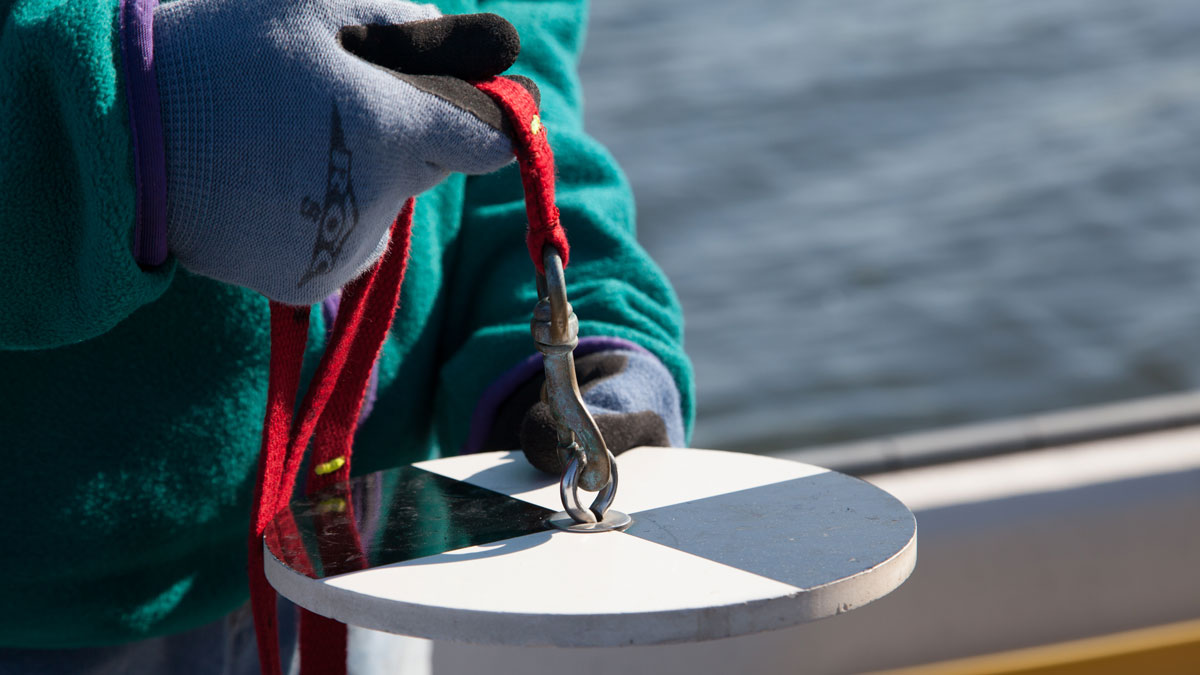
A black and white Secchi disk being held by a person
Posted inNews

The Simple Usefulness of the Secchi Disk

by Miriam Reid 18 July 202214 March 2024

A centuries-old sailor’s hack enters the ecologist’s toolkit.
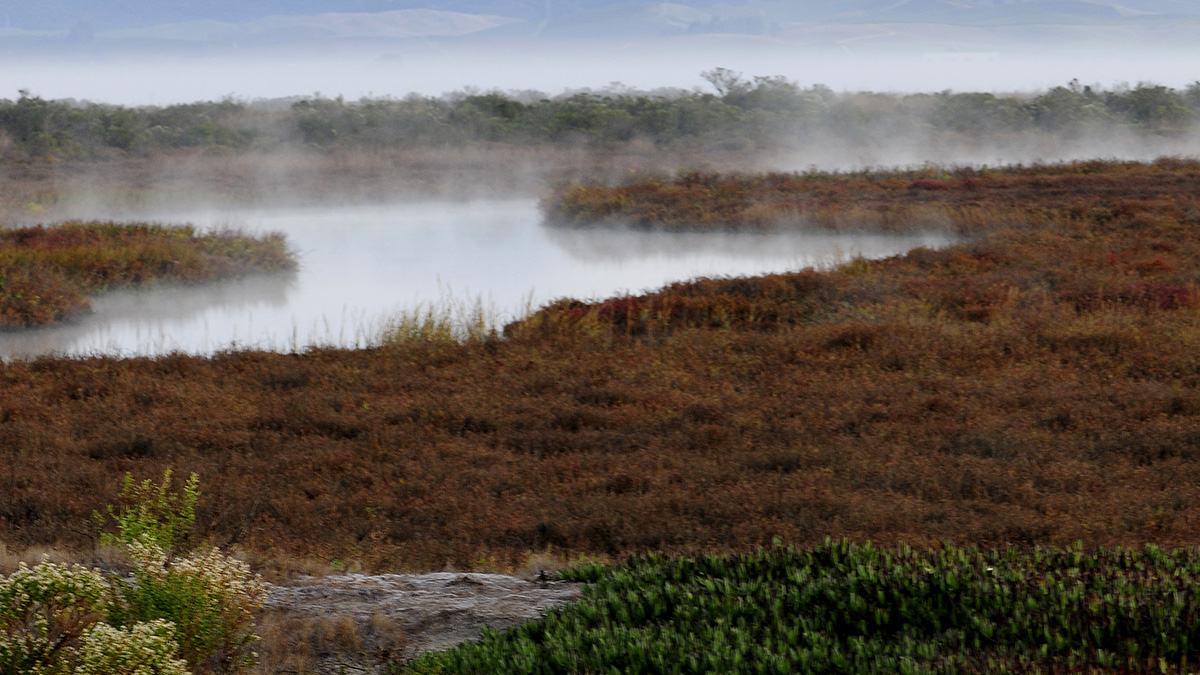
San Pablo Bay marsh
Posted inResearch Spotlights

Atmospheric Rivers Help Coastal Wetlands Build Up Sediment

by Alexandra K. Scammell 13 July 202230 January 2024

Accounting for these storms and flooding can help experts predict and respond to rising sea levels.
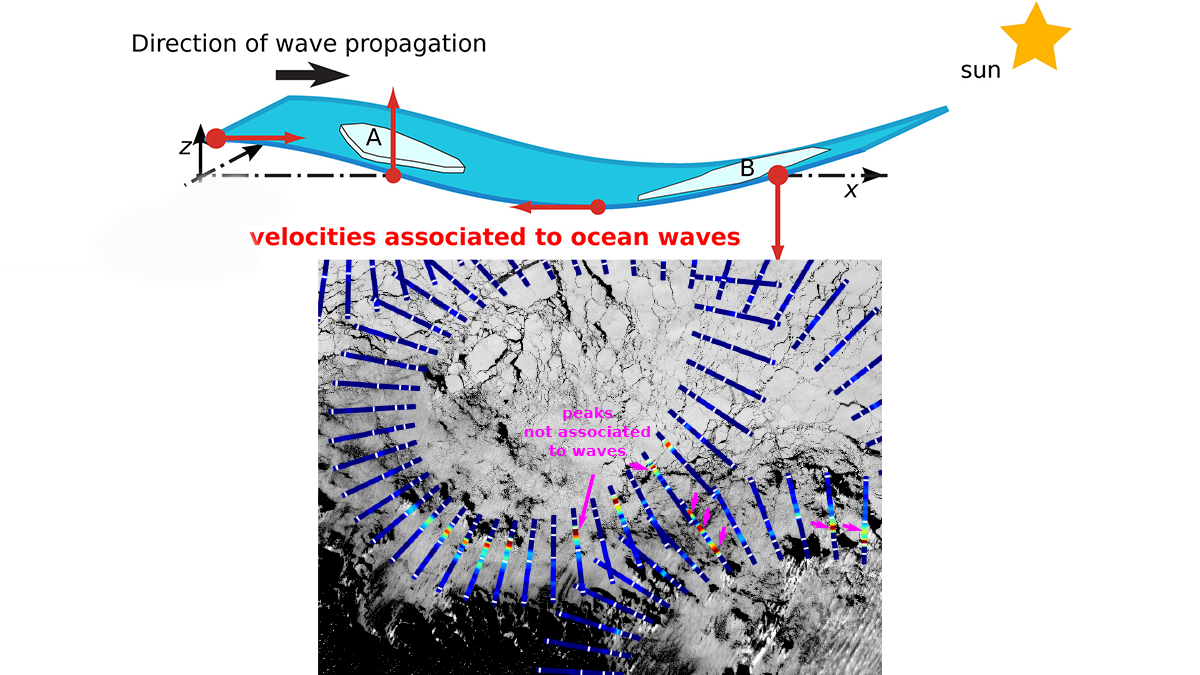
Two figures from the paper that show wave measurements in the presence of sea ice using satellite remote sensing.
Posted inEditors' Highlights

Satellites Remotely Measure Ocean Waves and Sea Ice Interactions

by Ryan P. Mulligan 12 July 202215 September 2025

A new method for using satellite observations from multiple sensors improves measurements of ocean waves as they propagate through and interact with sea ice.

A thick, wide expanse of whitish-bluish ice encroaches on what appears to a field of grass.
Posted inNews

Precession Helped Drive Glacial Cycles in the Pleistocene

Katherine Kornei, Science Writer by Katherine Kornei 11 July 20223 July 2023

By studying bits of rock scooped up by ancient glaciers, researchers have pinned down that recent glacial variability was driven, in part, by changes in the direction of Earth’s axis of rotation.

Map showing the global distribution of surface-mixed layer depth.
Posted inEditors' Highlights

An Ocean Surface Layer with Potential

by Lars Umlauf 11 July 202217 August 2022

The depth of the ocean’s surface mixed layer is typically defined based on density thresholds. However, a more physically appealing definition can be constructed from potential energy considerations.
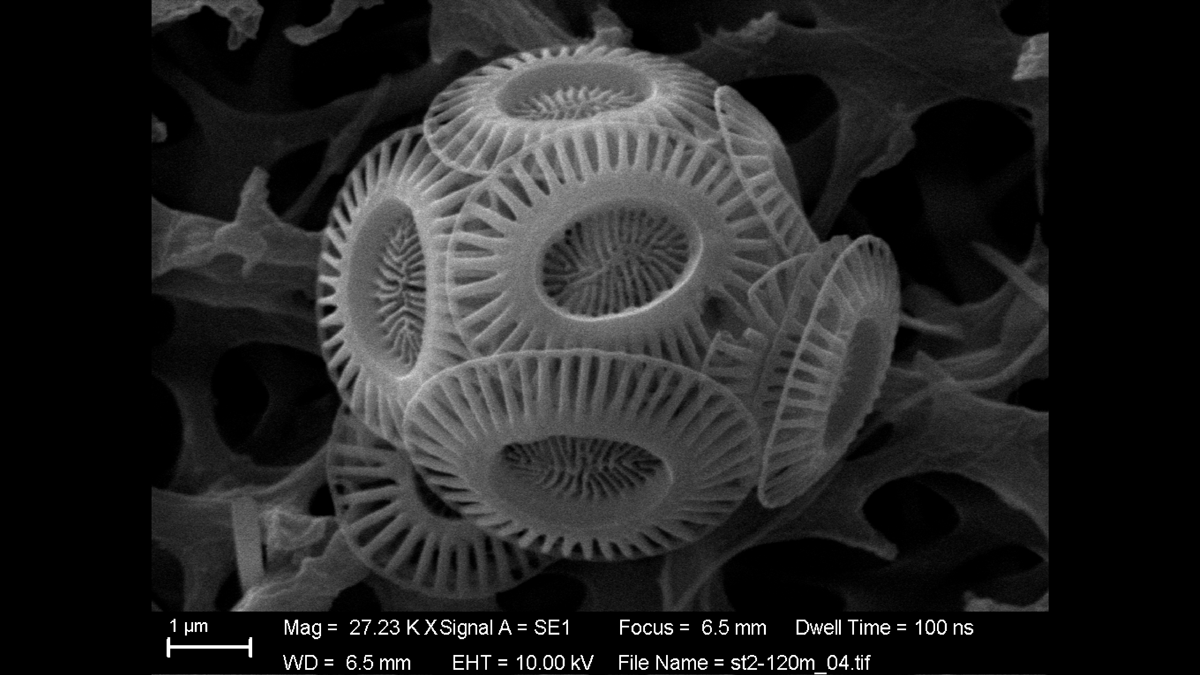
SEM images of coccolithophores
Posted inResearch Spotlights

Understanding the Calcium Carbonate Cycle in the North Pacific

Aaron Sidder, freelance science writer by Aaron Sidder 7 July 20227 July 2022

Using data collected from Hawaii to Alaska, a new study sheds light on calcium carbonate cycling in the ocean, an understudied component of the global carbon cycle.

A ship sails through sea ice.
Posted inNews

Arctic Shipping Routes Are Feeling the Heat

Jenessa Duncombe, Staff Writer by Jenessa Duncombe 6 July 202218 October 2022

Climate science and the global shipping industry collide in an ice-poor Arctic.

Posts pagination

Newer posts 1 … 49 50 51 52 53 … 116 Older posts
Over a dark blue-green square appear the words Special Report: The State of the Science 1 Year On.

Features from AGU Publications

Research Spotlights

InSight into Seismology on the Red Planet

21 October 202621 October 2026
Editors' Highlights

The Geomagnetic Polarity Time Scale Revisited Once Again

22 October 202622 October 2026
Editors' Vox

Opening Access to Earth Observation Data for Disaster Mitigation

21 October 202620 October 2026
Eos logo at left; AGU logo at right

About Eos
ENGAGE
Awards
Contact

Advertise
Submit
Career Center
Sitemap

© 2026 American Geophysical Union. All rights reserved Powered by Newspack