
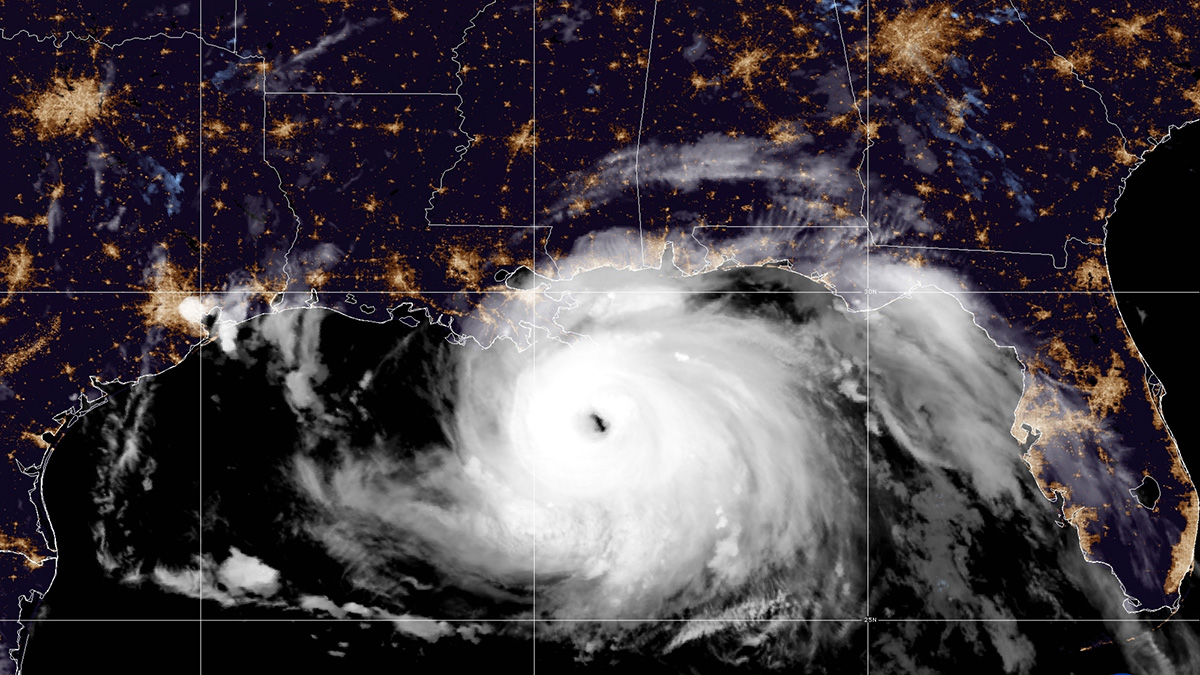

La Niña conditions and warm ocean temperatures have set the stage for another busy tropical storm year.
Oceans
Posted inAGU News
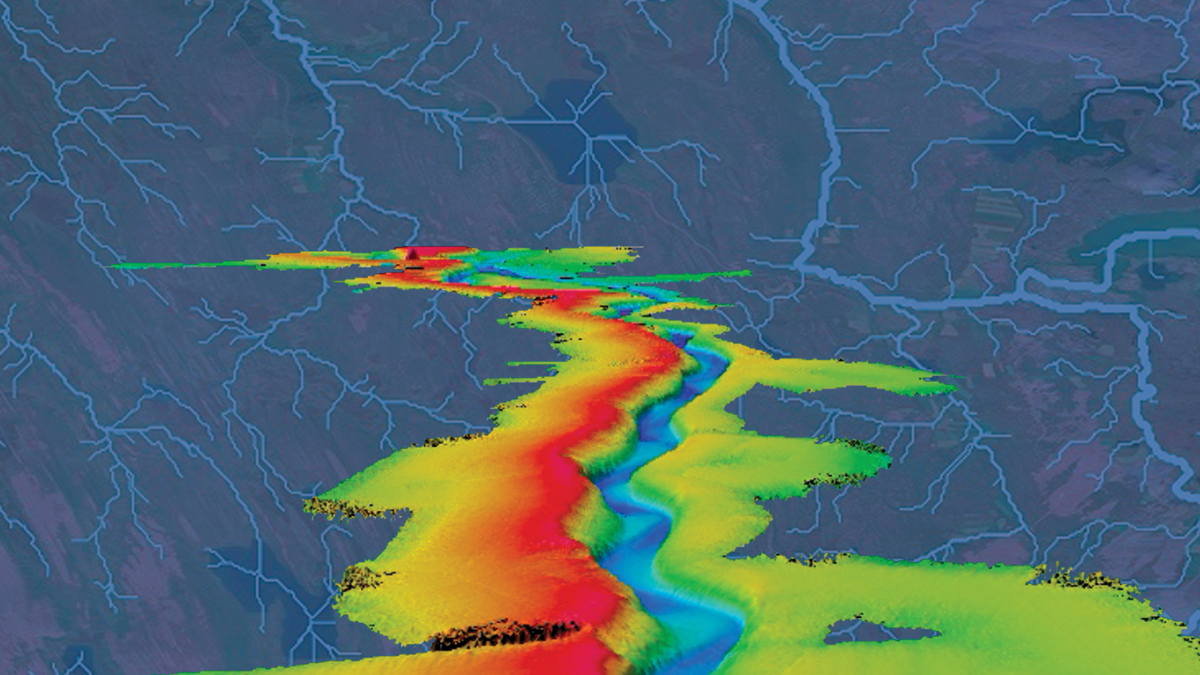
Charting Paths to New Knowledge

In our June issue of Eos, we home in on the unique ways researchers are using maps to better understand Earth and beyond.
Posted inENGAGE, News
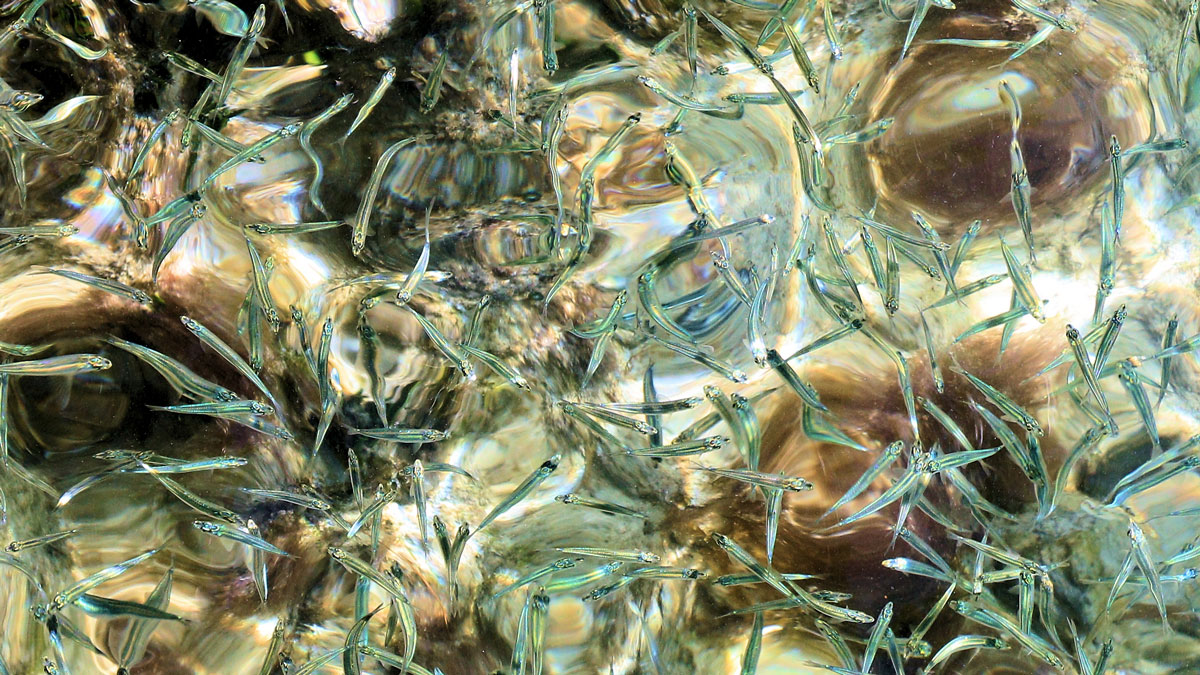
Tiny Creatures May Play a Difficult-to-Detect Role in Ocean Mixing
As an idea that began as a joke, critter-driven ocean mixing has long been controversial. Now scientists have caught spawning anchovies causing turbulence and stirring the sea.

Posted inNews
Muography Array Under Tokyo Bay Spots Meteotsunami Waves

A new study shows how muons can be used to study tide and wave phenomena, helping secure coastal communities.
Posted inEditors' Highlights
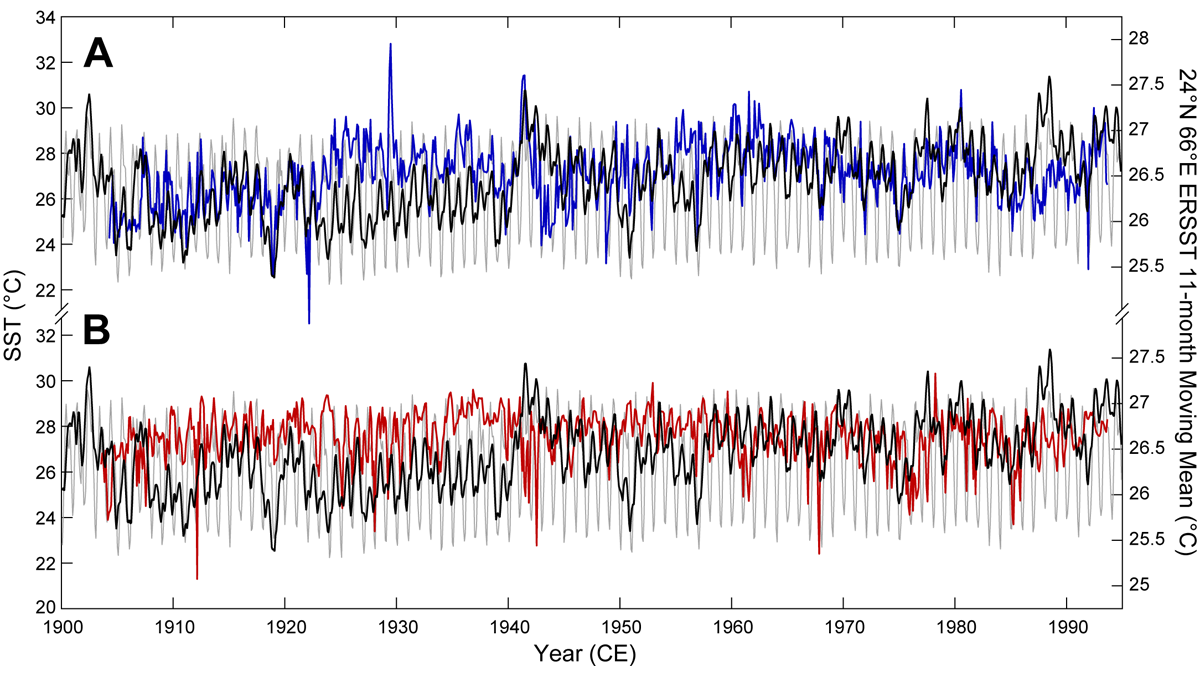
Unlocking Ultra-High-Resolution Paleothermometry from Sediments
Mass spectrometric imaging techniques used to extract micron-scale organic paleothermometry signatures from Arabian Sea sediments show that they skillfully reflect observations.

Posted inNews
Groundwater Flow May Contribute to Submarine Permafrost Thaw
New, detailed surveys from the Beaufort Sea reveal a seafloor depression the size of a city block associated with permafrost thaw and likely influenced by the movement of groundwater below.
Posted inOpinions
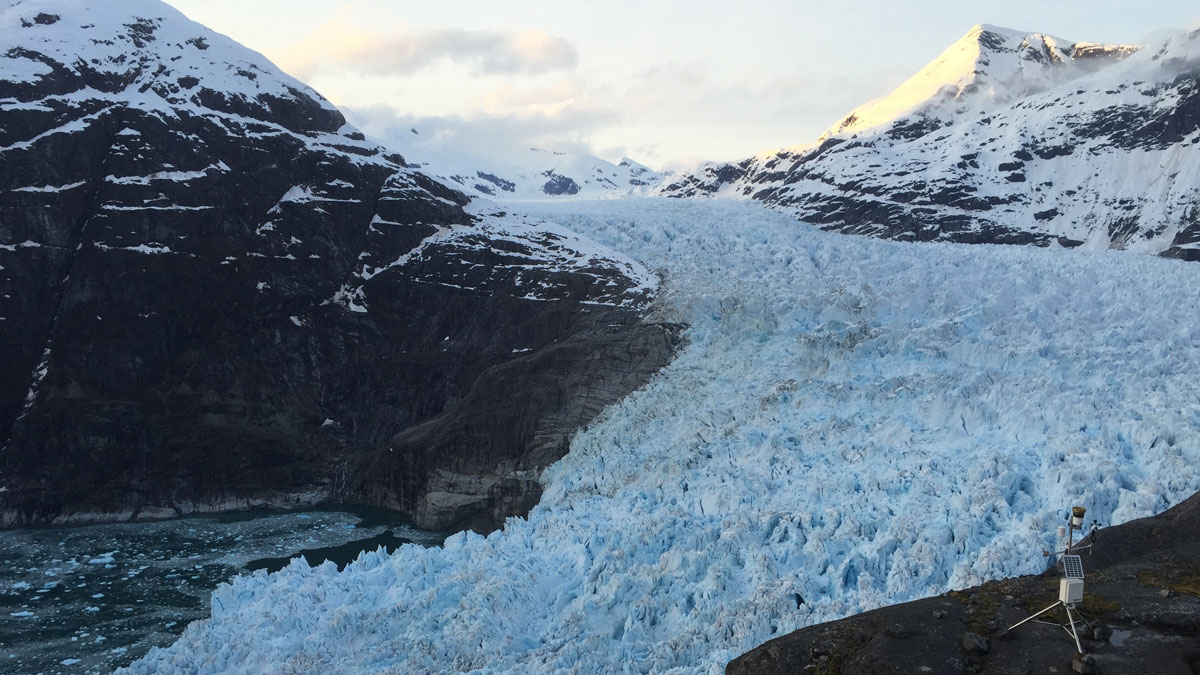
Glacial Knowledge Gaps Impede Resilience to Sea Level Rise
Changes to the support, culture, and community organization of U.S. glaciology are needed to advance understanding of glacial change and better predict rising seas and other ice loss impacts.
Posted inNews
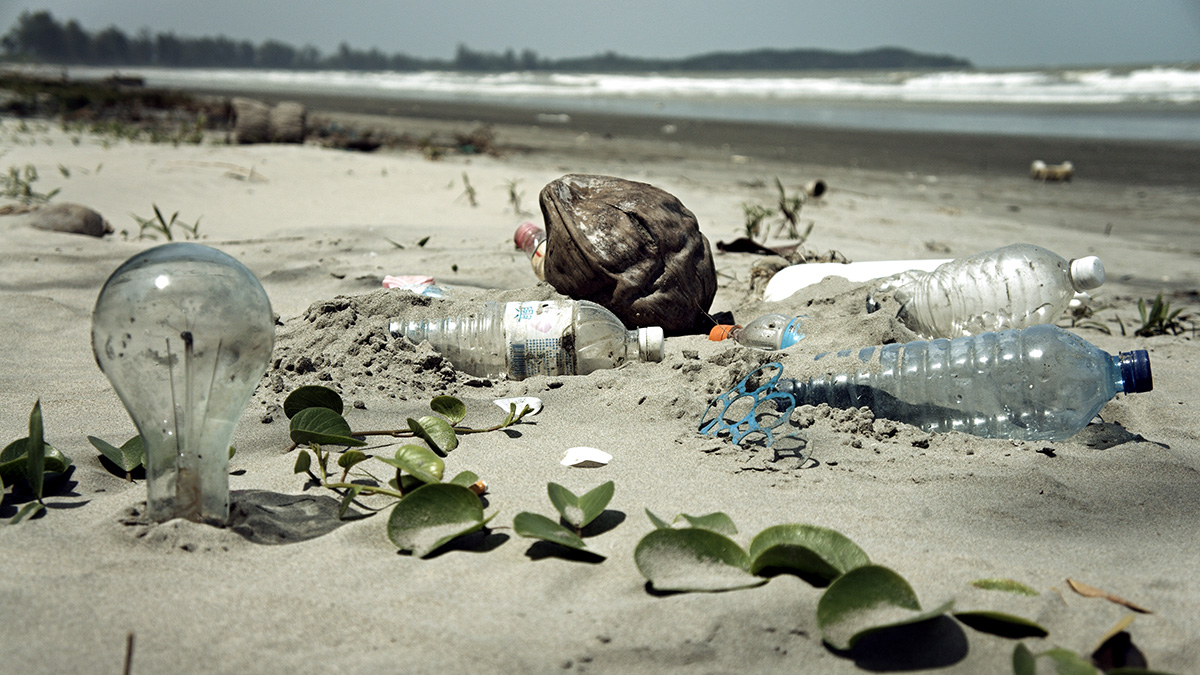
Microscopic Hitchhikers Found on Deep-Sea Plastic
Are bacteria hailing a ride on plastic 2,000 meters deep?

Posted inResearch Spotlights
Dynamics of Ocean Worlds Likely Controlled by Their Rotation
New simulations suggest that subsurface oceans on icy moons with small natural Rossby numbers may be dominated by rotational effects.

Posted inFeatures
An Unprecedented View Inside a Hurricane
To improve future tropical cyclone forecasts, researchers sent a remotely operated saildrone into the extreme winds and towering waves around the eye of a category 4 hurricane.