

Most climate models predict that the South Asian monsoon will strengthen with climate change, but new research indicates warmer ocean temperatures may lead to a drier phenomenon.
Oceans
Posted inOpinions
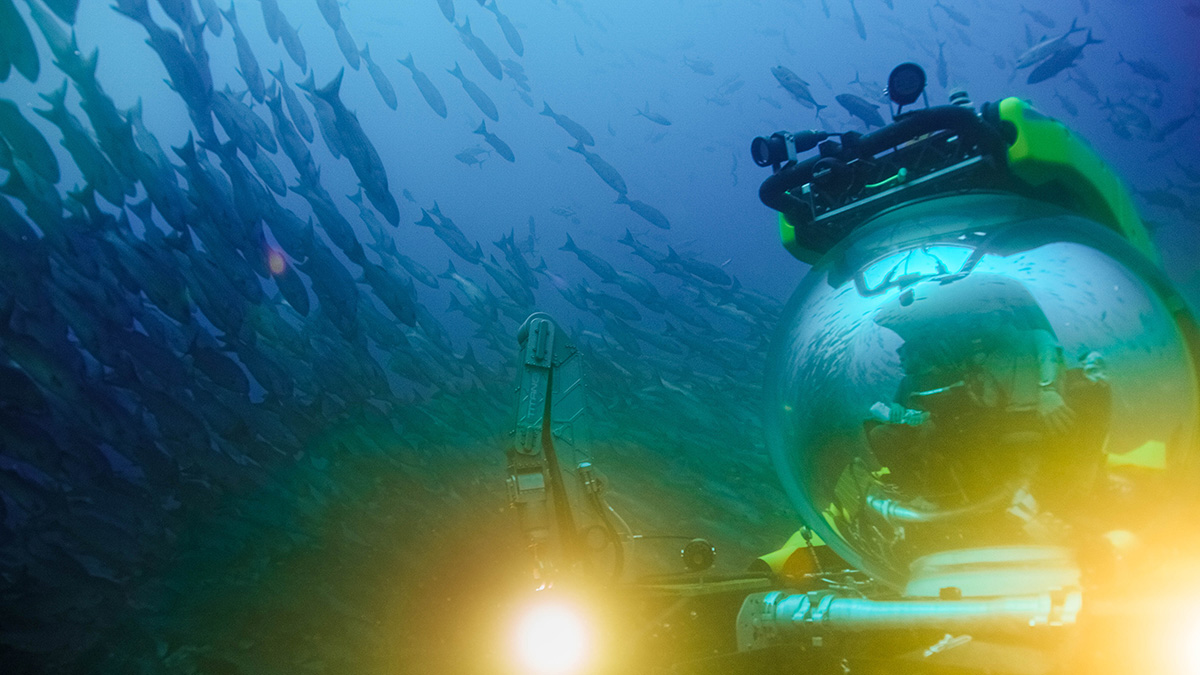
Deep-Sea Exploration Could Help Us Fight the Next Pandemic
Deep-ocean-dwelling microbes may hold keys to improved medical diagnostics and new drugs for fighting diseases. But we must search Earth’s most extreme habitats to find them.
Posted inFeatures
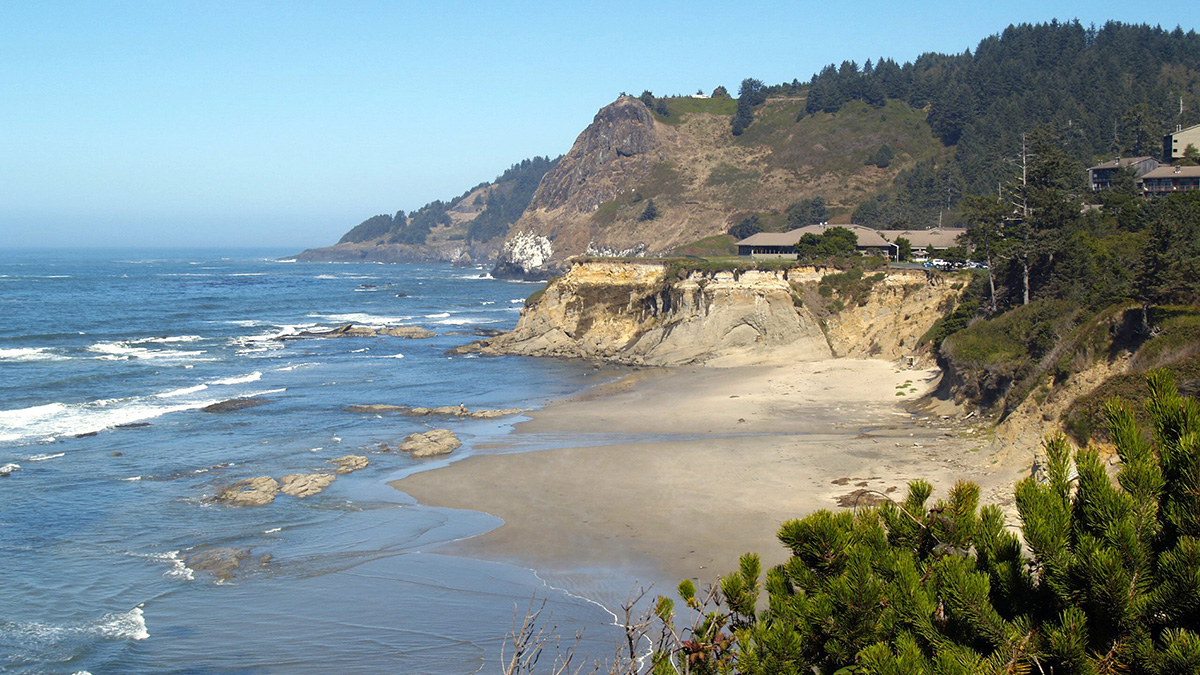
Exploring Subduction Zone Geohazards on Land and at Sea
A new initiative is bringing together scientists to address fundamental questions about subduction zone geohazards, using the latest advances in observation technology and computational resources.
Posted inResearch Spotlights
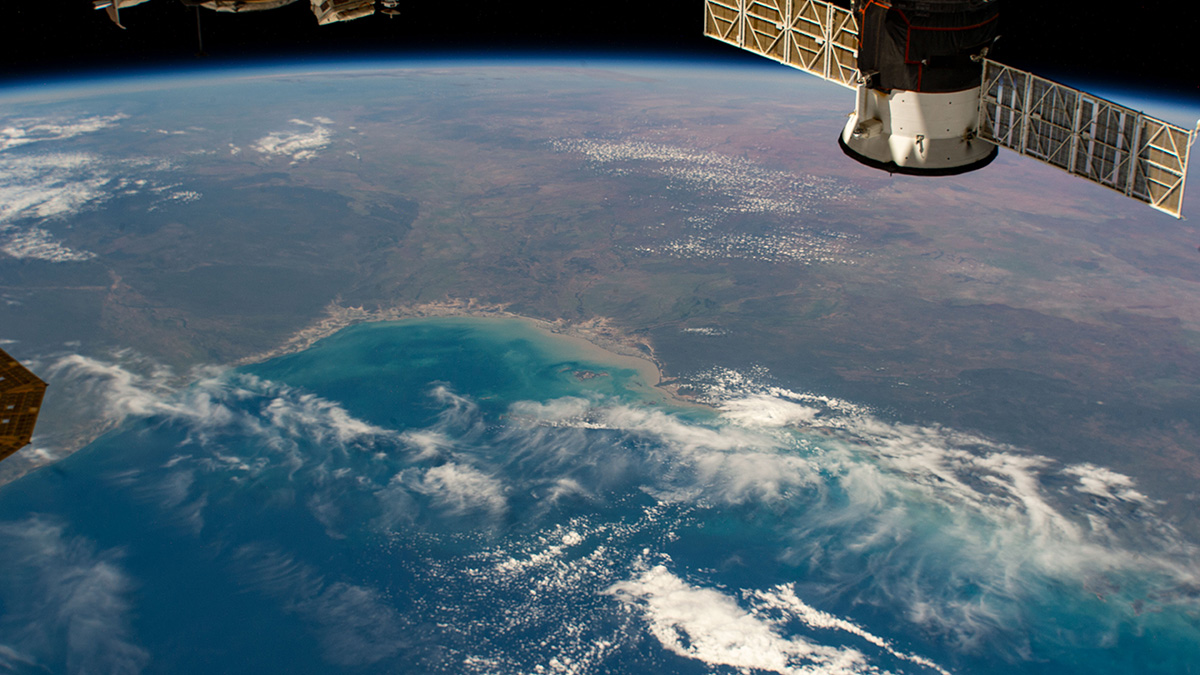
Satellites’ Lasers Reveal Changes in Earth’s Water Movement

The laser-based instruments aboard the GRACE-FO satellites may be extended to other geophysical applications to collect data on other submonthly mass changes in Earth’s system.

Posted inNews
Just 15.5% of Global Coastline Remains Intact
Combining data from land and sea helps ecologists measure human impact.

Posted inResearch Spotlights
Coastal Aquaculture Can Reduce Nutrient Transport
High-resolution simulations of China’s Sanggou Bay show that suspended aquaculture alters hydrodynamics and weakens transport of nutrients to the area from offshore bottom water.
Posted inFeatures
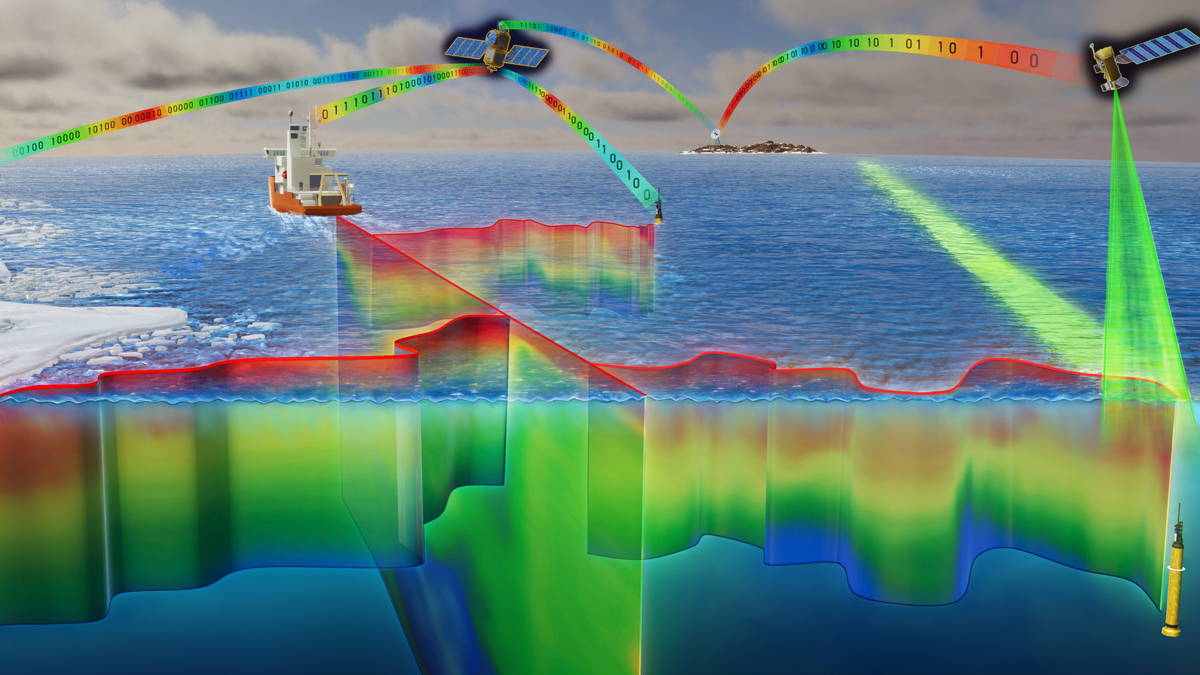
A Global Ocean Biogeochemical Observatory Becomes a Reality
Building on the successful Argo network of seafaring temperature and salinity sensors, work is underway to deploy 1,000 floats equipped to study ocean biogeochemistry in greater detail than ever.
Posted inNews
Once Extreme Ocean Temperatures Are the New Normal
A new analysis finds extreme warming events in the ocean have increased relative to the very far past, with nearly 60% of the ocean experiencing extreme heat in 2019.

Posted inNews
Satellites Help Cement South Africa’s Space Industry
A trio of CubeSats allows South Africa to showcase its growing space industry as well as monitor its coastal zones.
Posted inFeatures
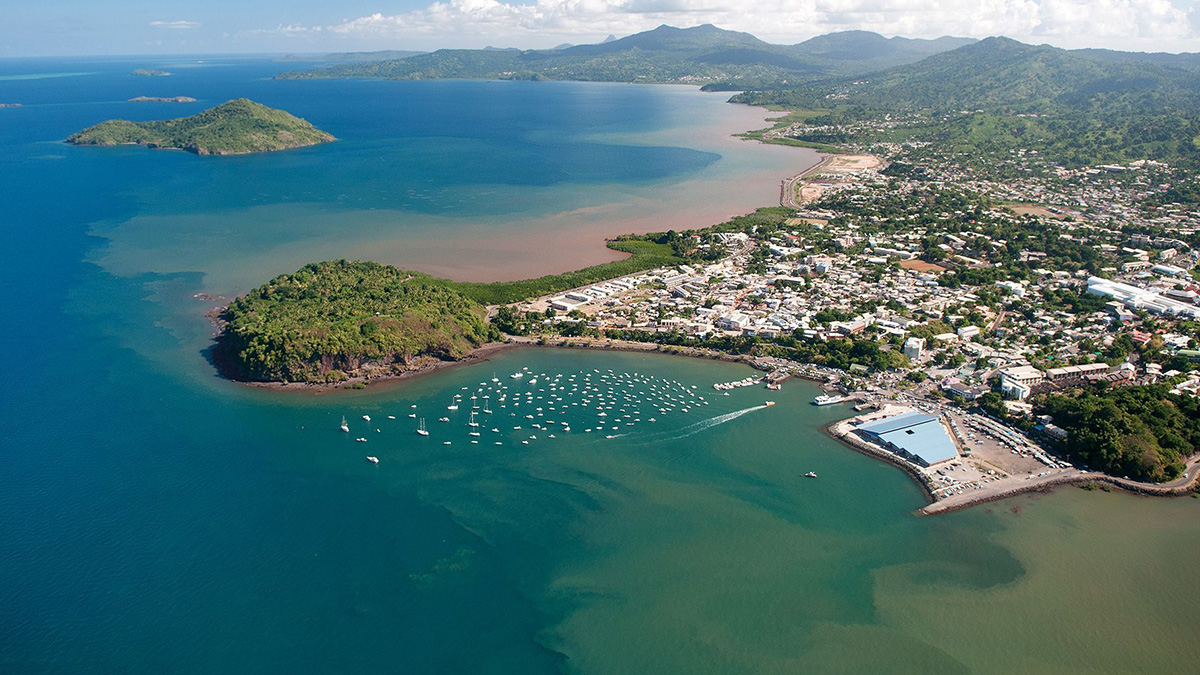
A Cagey Approach to Speedy and Safe Seafloor Deployments
Researchers devised a simple way to deliver ocean bottom seismometers accurately to the seafloor to study ongoing seismic and volcanic activity near the islands of Mayotte.